

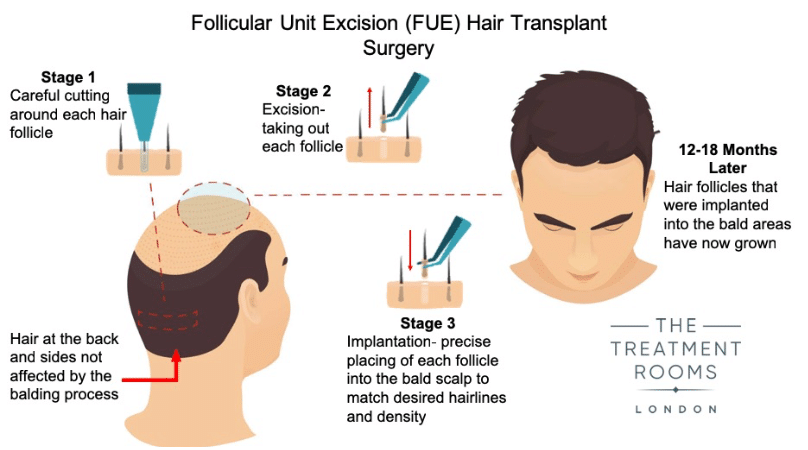
Whether it’s from a health condition or just a natural part of the ageing process, hair loss is more common than you might think; it affects more than one-third of men by the age of 30. Luckily, procedures such as the FUE hair transplant can help to combat the ageing process and restore your vibrant locks. Those who have had a hair transplant are likely to know all about Propecia® (or Finasteride) which is a prescription medication that can help to combat male pattern baldness. However, many people have questioned how the medication works and if it’s even necessary to continue taking the medication after a hair transplant procedure. This guide will give you all the information you need about the medication:
What is Propecia®?
Propecia® is Finasteride and is the only FDA approved drug on the market that has been shown to improve hair loss; it’s usually taken by men before they consider a hair transplant but it can also be taken by those with an enlarged prostate. In numerous studies, men who took Propecia® retained the hair they had or noticed significant hair growth after a year of taking the medication.
How does Propecia work?
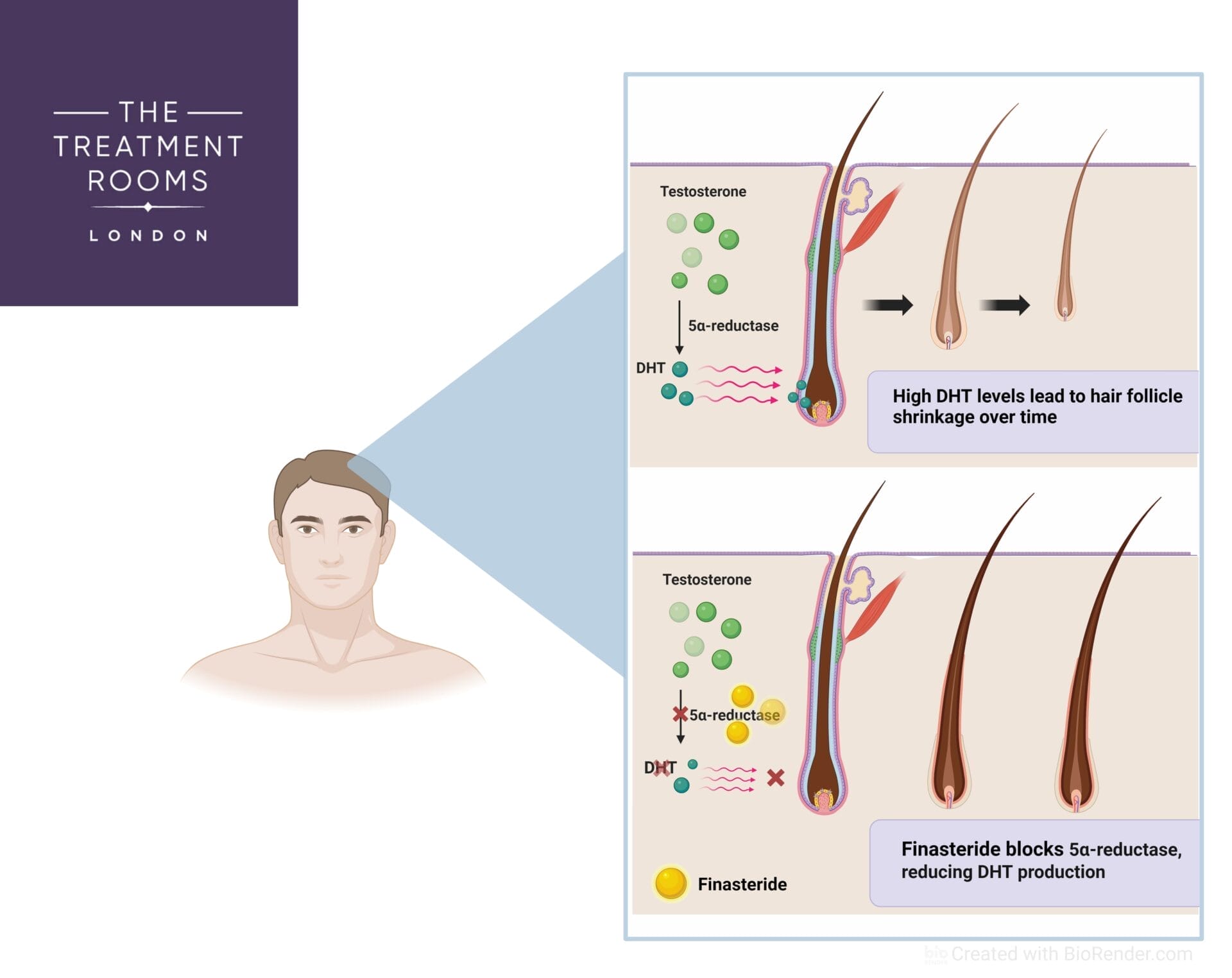
Propecia® is meant to be taken orally which makes it easy to incorporate into your lifestyle. Essentially, Propecia® is a medication that attempts to stabilise your dihydrotestosterone (DHT) levels. The medication prevents testosterone from being converted into DHT (dihydrotestosterone), preventing DHT causing your hair to become thin and fall out.
Is it necessary to take Propecia after a hair transplant?
Hair transplant procedures alone are incredibly effective and people can look forward to a fuller head of hair after the surgery has taken place. However, if you want to ensure that your procedure is as effective as possible, there are certain measures you should take. It might surprise you to hear that Propecia® (finasteride) can be an amazing adjunct to a surgical hair procedure. The medication stabilises hair growth and can even help to grow hair that has been extracted during the process.
If you are interested in FUE hair transplant then why not contact the professionals at the Treatment Rooms hair transplant clinic today. Call us on 020 8706 0076 to find out more.
Share:
Authored by

Dr Roshan Vara
Dr. Roshan Vara is a renowned hair transplant surgeon in London, recognised for delivering natural-looking results through ethical, patient-centred care. He is a Full Medical Member of BAHRS and an Associate Member of ISHRS, reflecting his commitment to the highest standards in modern hair restoration.
Reviewed by

Dr Dilan Fernando
Dr. Dilan Fernando is regarded as one of the top hair transplant surgeons in London, known for his meticulous technique and commitment to ethical practice. He served on the Executive Committee of BAHRS from 2020 to 2024, helping to shape industry standards for patient safety and quality of care. Dr. Fernando personally performs each surgery, ensuring natural results built on trust and experience.
Book a Consultation
Related Blogs

Can Black Seed Oil Help Hair Growth?
November 26, 2025
Quick Summary: Black Seed Oil & Hair Growth Black Seed Oil for Hair: Emerging as a key…
Do Hats Cause Hair Loss? Debunking Myths & Understanding the Facts
November 26, 2025
Hats have been a global trend to wear, whether for style, warmth, or sun protection. But have…
What Happens If You Stop Using Minoxidil
November 2, 2025
If you’ve been consistently applying minoxidil to support your hair growth, have you ever wondered what happens…
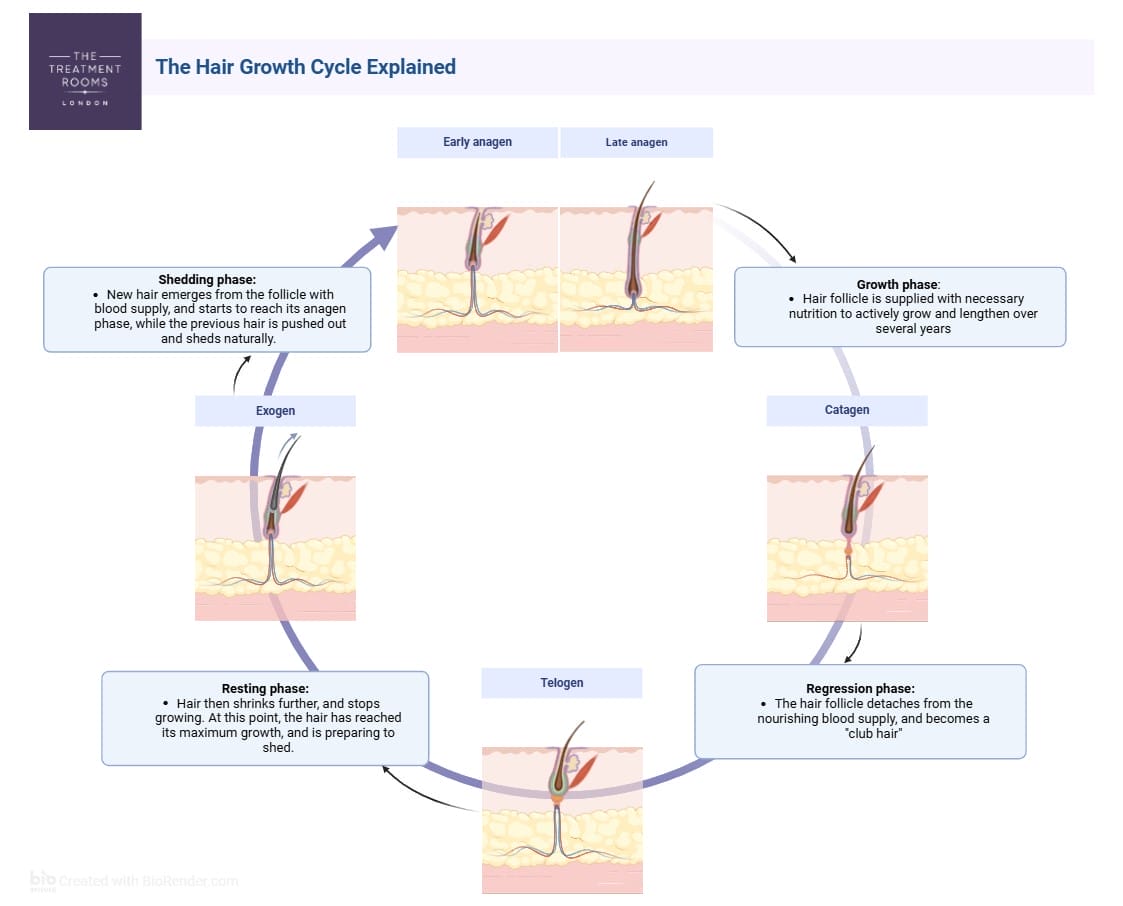
Unlocking the Secrets of Anagen Follicles
October 23, 2025
Have you ever glanced at a mirror and wondered why some of your hair grows fast and…
Does Finasteride Cause Erectile Dysfunction?
October 22, 2025
Finasteride is one of the most promising medicines against male pattern baldness and benign prostatic hyperplasia (BPH)….

Zinc Supplements After Hair Transplant Surgery: What You Need to Know
October 7, 2025
Zinc is an essential nutrient in wound healing, tissue repair, and the healthy development of hair follicles….

What to Eat After a Hair Transplant: Essential Nutritional Guide
October 5, 2025
After the stress, needles, and surgeries, food becomes more than nourishment. A warm bite, a familiar flavour,…

Hair Loss Treatment That Works: A Complete Guide for 2025
October 3, 2025
Millions of men, women, and teenagers have hair loss problems. In 2025, hair restoration is going through…
What is an FUE Hair Transplant?: A Comprehensive Guide to Procedure, Recovery, and Results
October 3, 2025
Hair transplant surgery has gained popularity over the years, with more people now comfortable taking care of…