

Posts by Dr Roshan Vara
Why Winter Hair Loss Happens and All You Need to Know

Key Takeaways As temperatures drop and indoor heating kicks in, many people notice their hair feels drier, more brittle, and seems thinner than usual. Hair loss in winter is a common concern, but for most, it’s temporary and linked to environmental factors rather than permanent thinning. Cold air, low humidity, and indoor heating can stress…
Read MoreCan You Take Finasteride With Minoxidil For Hair Loss?

Key Takeaways Consistency Matters: Stopping treatment often leads to a recurrence of hair loss; ongoing medical guidance is important for the best results. Hair loss affects millions of men and women worldwide and can have a significant emotional and psychological impact. Two of the most widely used and clinically studied treatments for pattern hair loss…
Read MoreDoes Finasteride Cause Erectile Dysfunction?
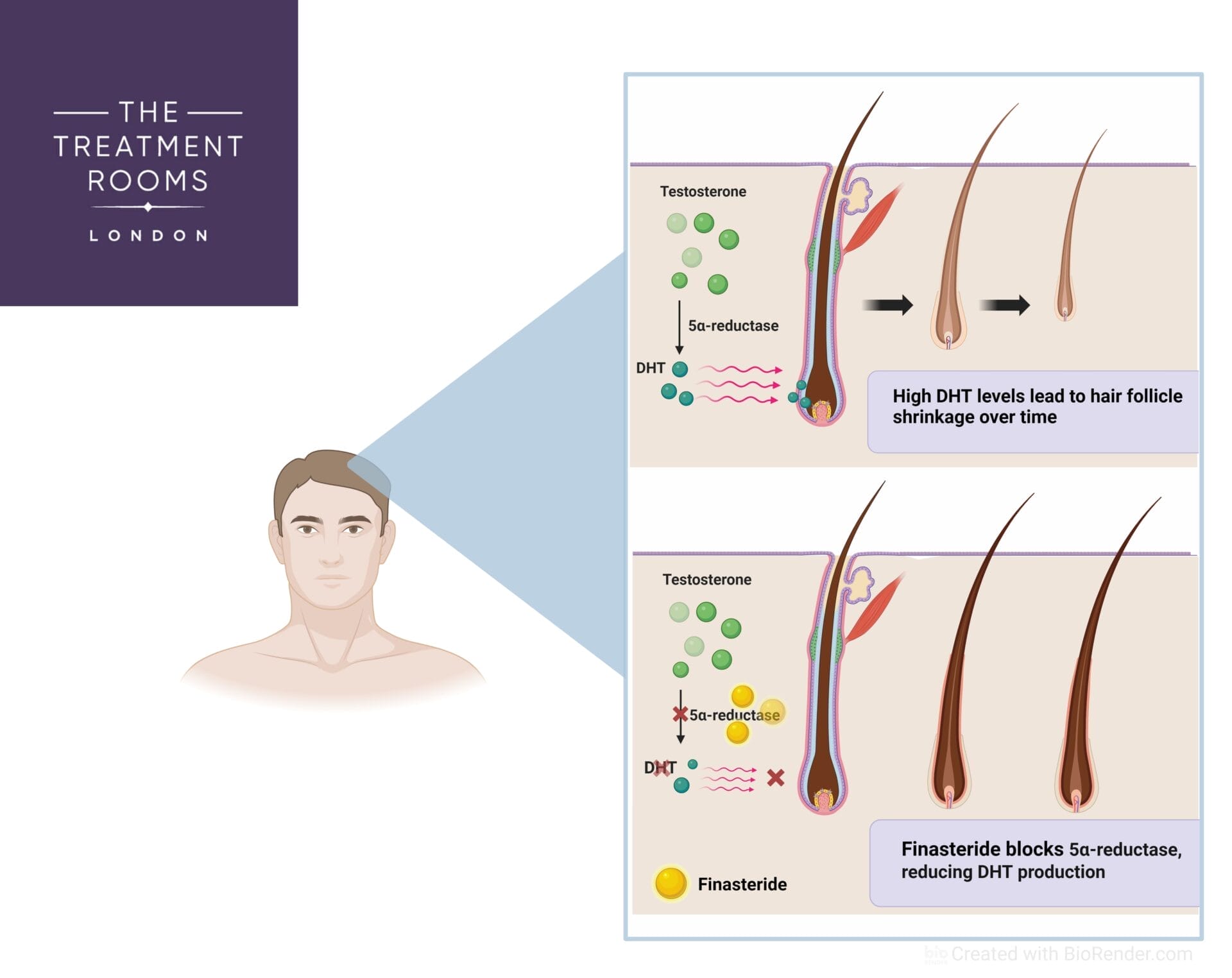
Key Takeaways Finasteride can cause erectile dysfunction in some men, but it isn’t common. Most men who notice changes find that things improve after stopping the medication or adjusting the dose. In this article, we’ll look at what the research shows about erectile dysfunction, why it happens in some men, and what you can do…
Read MoreWhat is a Hair Transplant? How it Works, Success Rate & What to Expect
Key Takeaways Cost: Varies from £3,000 to £10,000, depending on the number of grafts and the technique. What is a Hair Transplant? A hair transplant is a surgical procedure that moves hair from one area of your scalp to another area where hair is thinning or missing.1 Unlike wigs or temporary fixes, it’s permanent as…
Read MoreWhat Causes Hair Loss During Menopause?
Key Takeaways Many women notice increased hair shedding and thinning during menopause. This happens because hormonal changes directly affect the hair growth cycle, shortening the growth phase and weakening follicles. Understanding these changes is the first step toward choosing the most effective treatment options. What is Menopause? Menopause is the permanent cessation of menses, resulting…
Read MoreThe Healthy Hair Diet: What to Eat, Drink and Avoid
Key Takeaways Strong, shiny hair is an indicator of good health. Although genetics, hormones, and age also impact the integrity of your hair, nutrition remains one of the most modifiable factors affecting hair growth and hair loss. Your hair is considered “non-essential” by the body. During periods of stress or under-nutrition, nutrients are directed to…
Read MoreTaking Biotin Supplements For Hair Loss & Thinning

Key Takeaways What is Biotin? Biotin, also known as Vitamin B7, is a water-soluble vitamin that supports normal metabolic functioning. It helps maintain healthy skin, hair, and nails. Biotin is found in various food types, such as nuts, eggs, meat, and dairy products. 1 2 Some people may wish to supplement their biotin levels by…
Read MoreCan You Take Finasteride 3 Times A Week?
Key Takeaways Finasteride is one of the most researched and widely prescribed treatments for male pattern hair loss. Yet despite its long track record, many people still feel unsure about how often they should take it, especially if they’re worried about side effects or long-term use. One of the most common questions we hear is:…
Read MoreReceding Hairline In Women – What You Need To Know
Quick Summary What is a Receding Hairline? In women, a receding hairline is often more subtle than in men, manifesting as widespread thinning across the head or a more even recession at the forehead. Common Causes: Besides genetic factors, receding hairlines in women can be influenced by hormonal fluctuations (such as those during menopause), certain hairstyles…
Read MoreHair Loss: Causes, Symptoms and Treatment Options

Key Takeaways What is Hair Loss? Hair loss, also known as alopecia, occurs when the natural hair growth cycle is disrupted, resulting in excessive shedding, thinning, or noticeable bald patches. While shedding 50–100 hairs per day is normal, losing more than this can signal an underlying issue affecting hair follicle health. 1 Hair loss is…
Read MoreWhat is DHT & Its Role in Hair Loss?
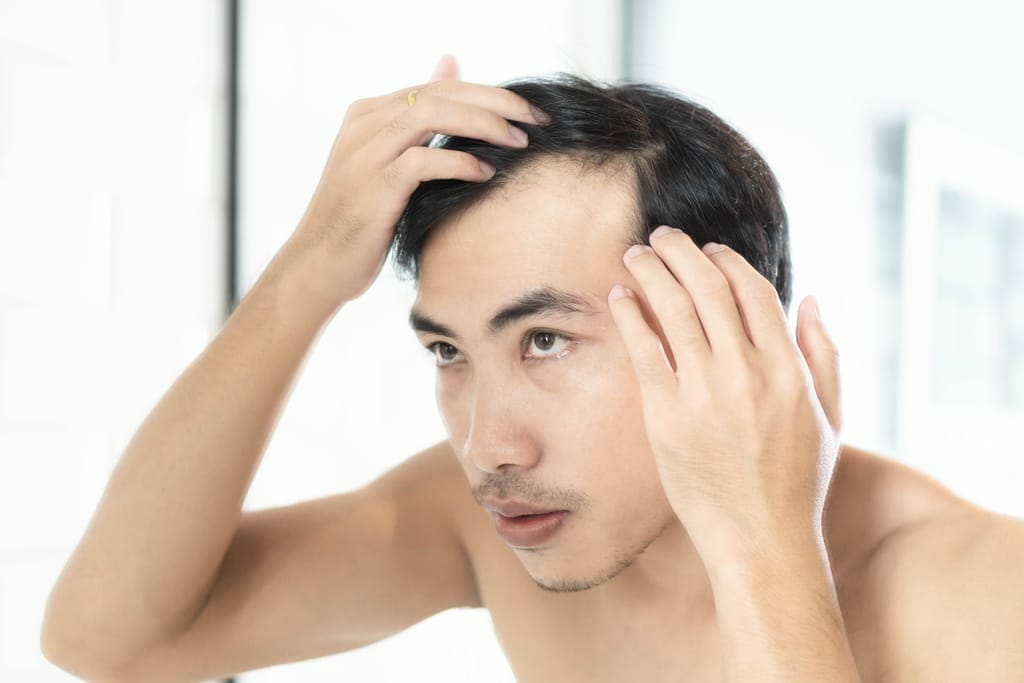
Key Takeaways Hair transplant surgery restores lost density but does not stop ongoing DHT-driven thinning. Hair loss is a common concern that millions, if not billions, of people experience at some point in their lives. Although there are numerous forms of hair loss, the most commonly diagnosed type in men is ‘androgenetic alopecia’ or ‘male…
Read MoreDoes Saw Palmetto Work for Hair Loss? Evidence, Benefits and Side Effects
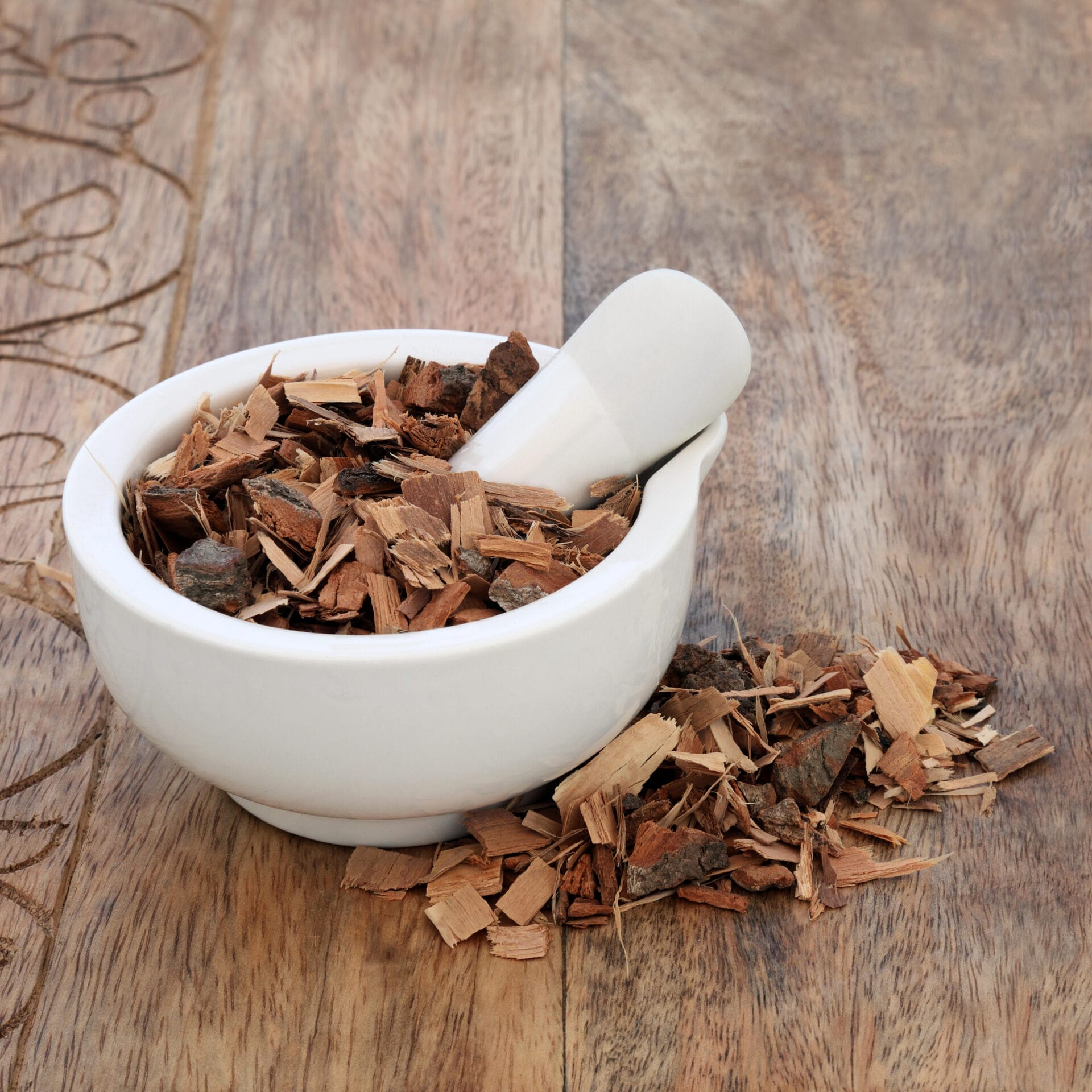
Male pattern or female pattern baldness, also known as androgenetic alopecia (AGA), are types of hair loss caused by the hormone dihydrotestosterone (DHT). To help treat these conditions, male patients primarily, can be prescribed Finasteride which strongly reduces the DHT level in the body and is effective at preventing hair loss. However, some patients may…
Read MoreDoes an FUE Hair Transplant Leave Scars?
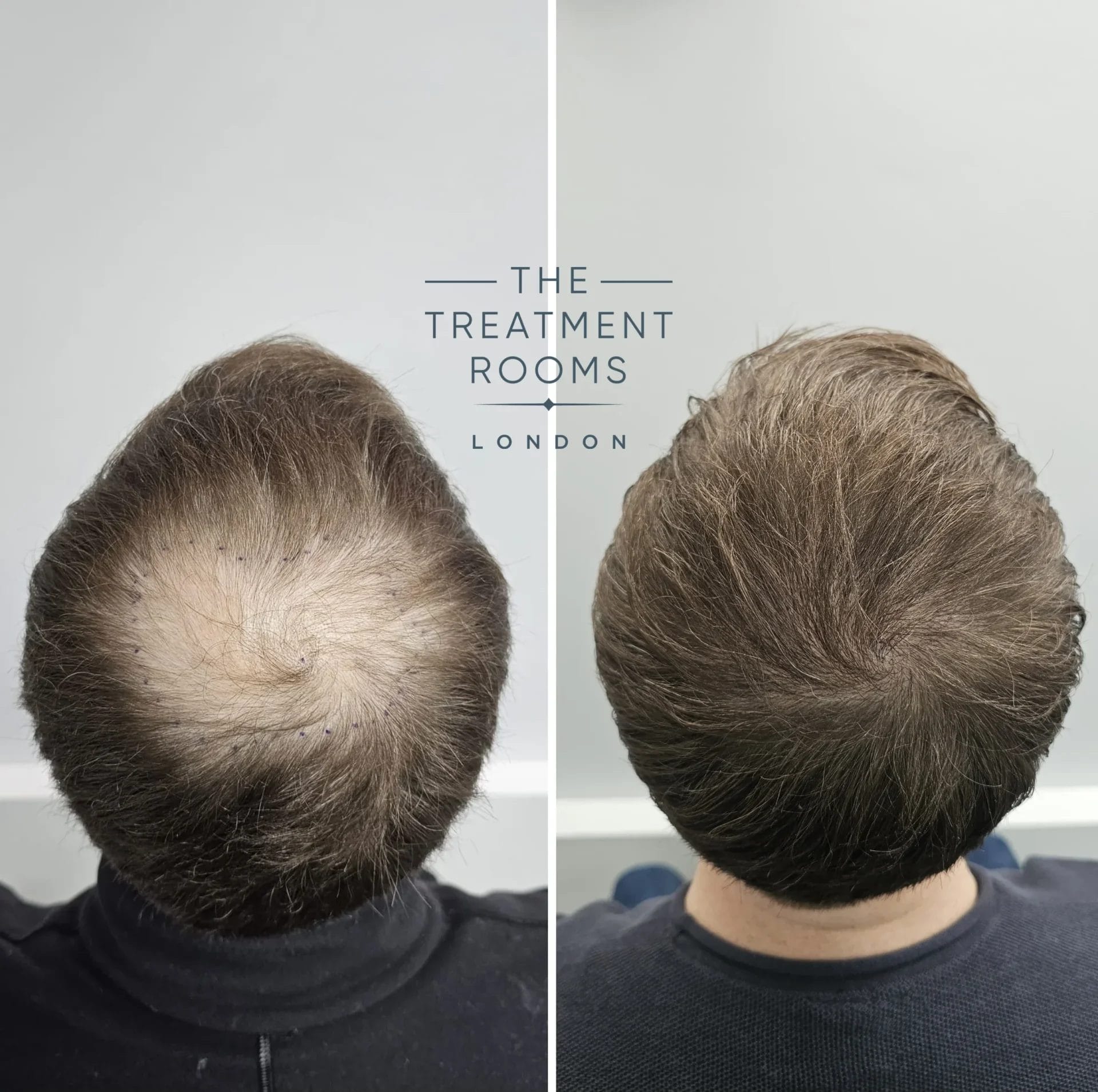
An FUE hair transplant leaves small pin-point scars across the back and sides of the scalp. These scars are typically concealed when the hair is kept at a grade 1 or 2. The scars can be more visible in certain patients depending on their skin tone, hair type and size of surgery. There is no…
Read MoreWhen Do Scabs Fall Off After Having a Hair Transplant?
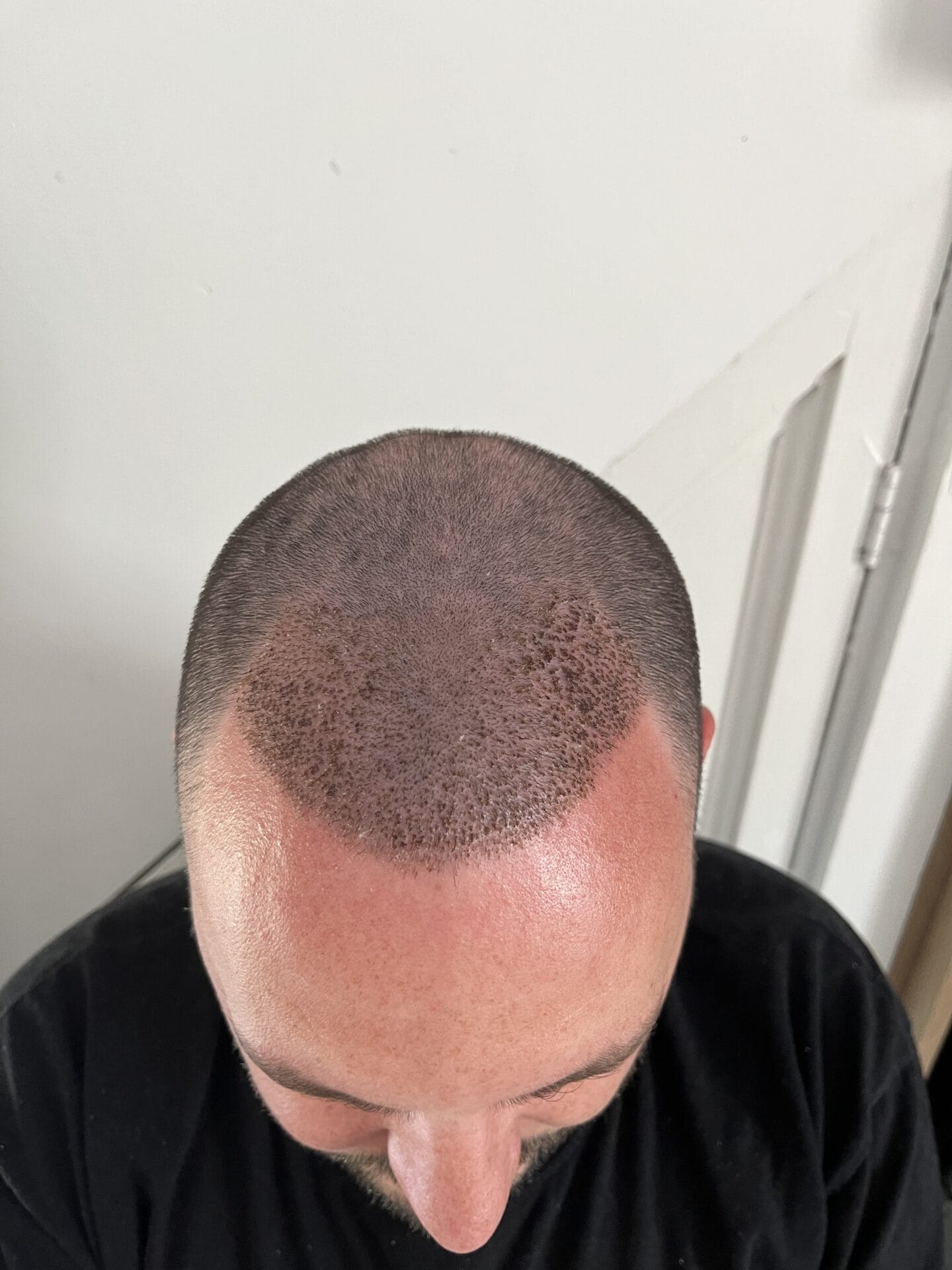
Scabs will form immediately after having a hair transplant and should wash away after 7-10 days. They are a normal consequence of the procedure and patients should not be alarmed if they notice the implanted hair follicles scab over. These scabs might appear like small, dried-up spots of blood. After the scalp heals over 7-10…
Read MoreHow Many Hair Grafts Do You Need For A FUE Hair Transplant?

A Follicular Unit Excision (FUE) or FUT hair transplant is one of the two main procedures available to address hair loss, helping restore hairlines, temples and crowns in male, female and trans patients. A key question for patients is how many hair grafts are required to achieve their desired result. To answer this question, it’s crucial first to understand what hair transplants involve by…
Read MoreWhen Can You Safely Wear a Beanie After a Hair Transplant?
Quick Summary: When can you wear a beanie hat after a hair transplant? Cap Recommendations: Light, breathable caps, such as snapbacks or trucker hats, are advisable if you need to wear a hat immediately after surgery. They should only be worn to protect the scalp from direct sunlight and adjusted to minimise contact with the scalp. Cap vs…
Read MoreHow to Make Your Hair Grow Faster After a Hair Transplant

Key takeaways If you’re eager to get back to normal after a hair transplant, it’s understandable to wonder whether you can make your hair grow faster. While grafted follicles follow a predictable biological growth timeline, you can support healing and avoid common setbacks that can slow your recovery. This article explains what helps, what doesn’t,…
Read MoreDoes Omega-3 Deficiency Cause Hair Loss?

Omega-3 is a fatty acid that is required for a healthy body, skin and hair. Modern-day diets are highly processed and low in natural forms of omega-3, such as oily fish. A deficiency in this Omega-3 is known to result in slow hair growth, cause hair breakage and inflammation of the skin. By supplementing this…
Read MoreWhich Medications Cause Hair Loss?

Medicines are essential in treating diseases, enhancing health, and even saving lives. While medicines can be very effective, some can have undesirable side effects such as hair loss. Although not every drug causes this effect, some prescription medications may interfere with the normal hair growth process, resulting in hair thinning, breakage, or even temporary baldness.…
Read MoreWhen Can You Safely Use Oil After a Hair Transplant? Expert Timeline & Tips
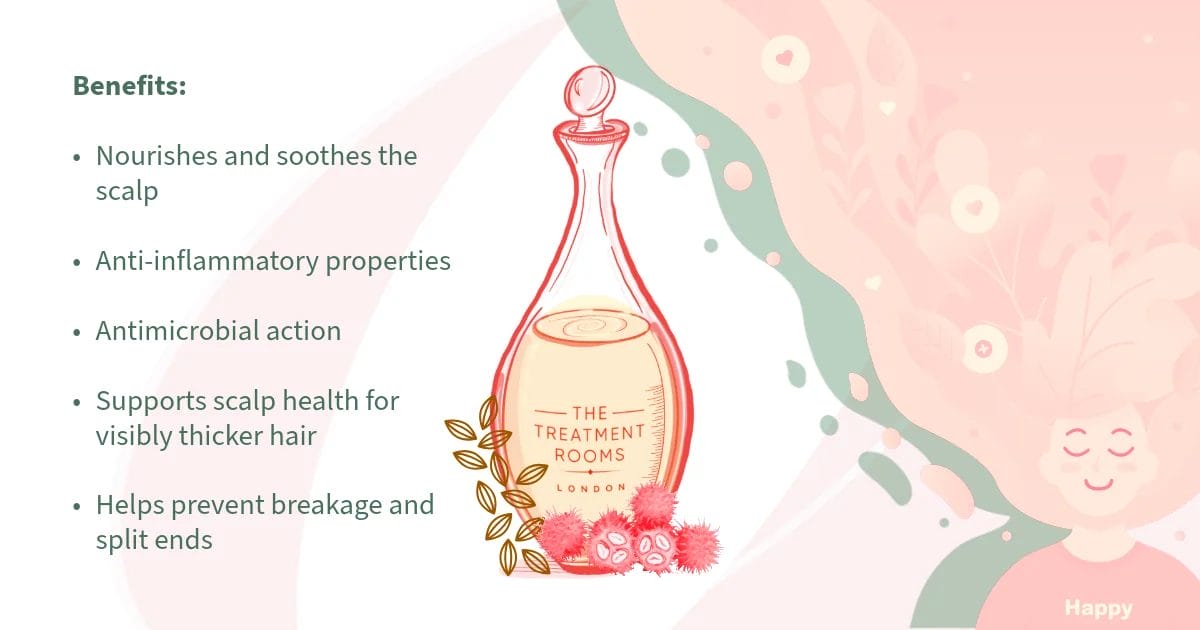
There is simply something about running your fingers through healthy, well-nourished hair. Hair oils can moisturise the scalp, thicken the roots and provide lustre to strands. Significantly, however, after a hair transplant, early addition of excess oil can impair healing. Both timing and method go hand in hand to ensure you are getting the most…
Read MoreWhen Can You Use Nizoral After a Hair Transplant?
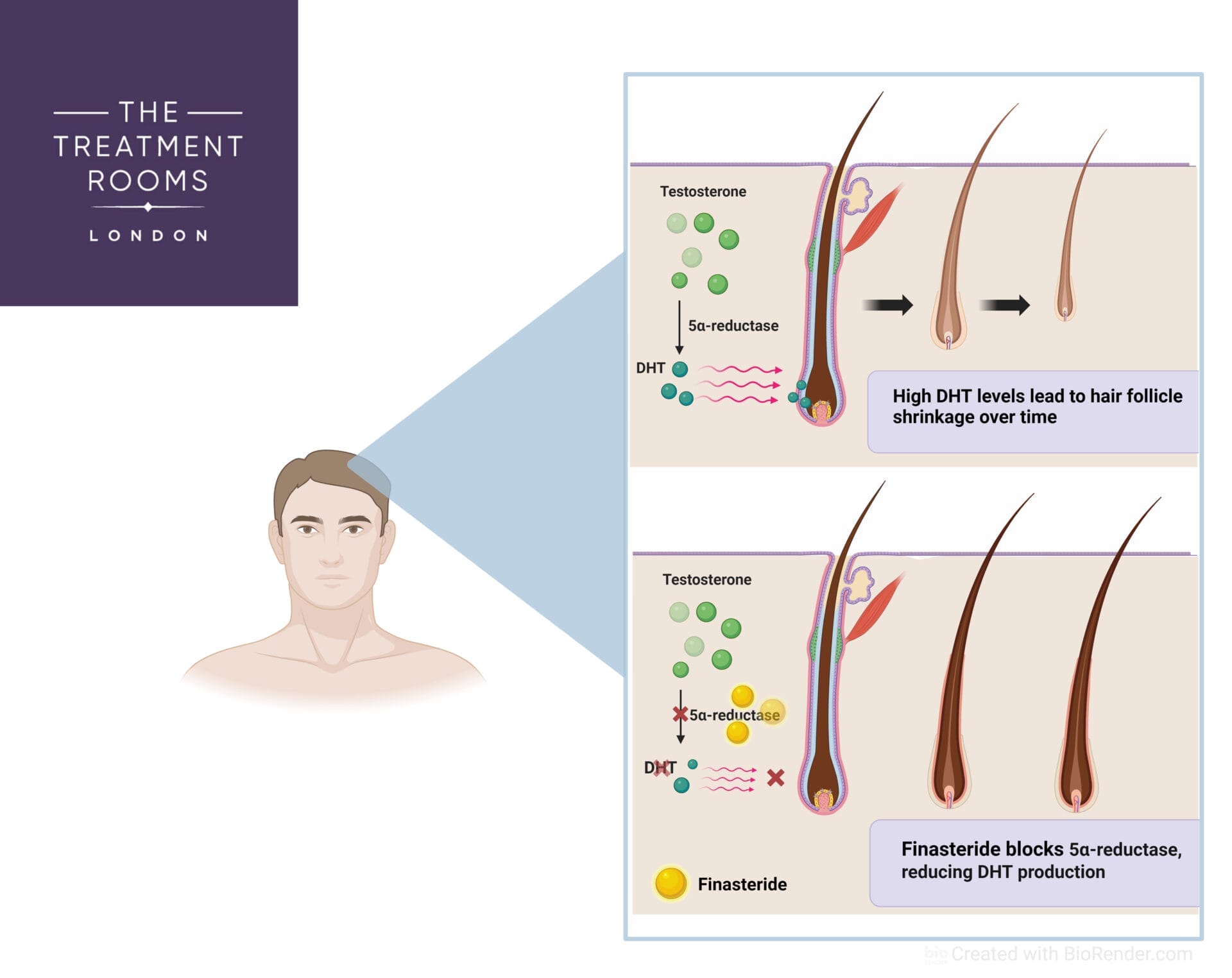
Nizoral is a medicated shampoo that contains the antifungal drug ketoconazole. This shampoo acts against fungal infections on the scalp, most commonly against a yeast known as Malassezia. This fungus causes dandruff, itch and inflammation of the scalp and hair follicles. Ketoconazole works to reduce the amount of fungus on the scalp and promote a healthy…
Read MoreWhat is an FUE Hair Transplant?: A Comprehensive Guide to Procedure, Recovery, and Results
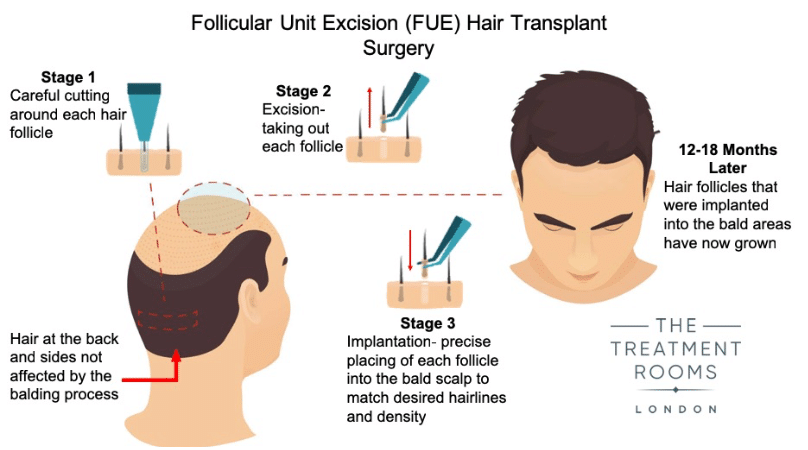
Hair transplant surgery has gained popularity over the years, with more people now comfortable taking care of their self-confidence and investing in improving their hair and overall well-being. The science of hair transplantation has evolved significantly over the years, and an increasing number of people are now opting for FUE (Follicular Unit Extraction) hair transplant…
Read MoreWhat to Eat After a Hair Transplant: Essential Nutritional Guide
After the stress, needles, and surgeries, food becomes more than nourishment. A warm bite, a familiar flavour, the feeling of fullness, it all reminds you that healing has begun. In those moments, food offers a sense of comfort not only to the scalp but also to the soul, when words and promises fail. However, recovery…
Read MoreZinc Supplements After Hair Transplant Surgery: What You Need to Know

Zinc is an essential nutrient in wound healing, tissue repair, reducing oxidative stress, and can help the healthy development of hair follicles. A slight zinc deficiency may slow down healing processes, increase the person’s susceptibility to infections, and put the transplanted graft at risk. In this article, we explore how Zinc supplements can help with…
Read More