

Key Takeaways
- Most hair transplants are single-day procedures.
You’ll usually spend 7–9 hours in the clinic, with breaks built in for rest and refreshments - Large cases may take two days.
If the plan involves 2,200 or more grafts, your surgeon may split the procedure across two days to protect graft quality and your comfort. - FUE and FUT take about the same total time.
The main difference between the two surgical techniques lies in how grafts are harvested; overall, the surgical duration is comparable. - Multiple factors affect surgery duration.
Your graft count, hair type, scalp condition, overall health and your surgical team’s experience all influence how long your procedure will take. Strictly following your pre-operative guidelines ensures a smooth operating day. - Early recovery begins right after surgery.
The first two weeks are crucial for graft survival, so it’s important to follow your post-op instructions carefully. - Hair growth takes time.
You’ll usually see growth of your transplanted hairs between 3–6 months, with full results by 12–18 months. - Quality matters more than speed.
A longer or shorter procedure doesn’t necessarily guarantee better results. Careful handling, medical expertise, and graft survival are what really count.
Are you considering a hair transplant and wondering how long the process takes? The answer depends on several factors, including the number of grafts needed to cover the area and the complexity of the hair restoration plan.
Hair transplant surgeries are usually day procedures, and can take anywhere from 4-10 hours per day, depending on the case.1
How Long Does a Hair Transplant Usually Take?
Hair transplant times vary depending on the technique, the number of grafts, and the complexity of your treatment. Larger cases requiring more than roughly 2200 grafts will need to be split over two days to maintain high graft quality, patient safety, and comfort.
Here is an approximate breakdown comparison of FUE vs. FUT procedures, and their timings:
| Stage | FUE (Follicular Unit Extraction) | FUT (Follicular Unit Transplantation) |
| Finalising recipient sites and drawing the hairline | 1 hour | 1 hour |
| Anaesthesia | 30 minutes | 30 minutes |
| Incisions | 1-2 hours | 1-2 hours |
| Extraction | 2-3 hours | 2-3- hours |
| Lunch Break | 30-45 minutes | 30-45 minutes |
| Implantation | 2-3 hours | 2–3 hours |
| Post-op Recovery & Debrief | 30 minutes | 30 minutes |
| Total Time | 7–9 hours | 7–9 hours |
We can see here that the timings are comparable between methods. It is important to note that these are approximations of the surgical times for FUE and FUT procedures. Multiple factors can delay or accelerate the process, including intraoperative complications, ease of extraction from the skin, and the complexity of the hair transplant case.
What other factors can affect how long a hair transplant takes?
While the number of grafts is a big factor in how long your procedure will take5, a few other factors can also influence the overall timing.

Here’s what you should know:
- Extent of Your Hair Loss
If your hair loss is more advanced, for example, Norwood stage 4 or higher, you’ll likely need more grafts and more careful planning. That means your procedure could take a bit longer. Addressing hair loss earlier often means a shorter surgery. - Your Hair Type and Texture
Your hair itself can affect the speed of the procedure. If you have curly or coiled hair, the follicles are more delicate during FUE and can be prone to accidental damage 2, so extraction has to be done slowly and carefully.
On the other hand, if your hair is very fine or thin, the surgeon must create smaller, more precise recipient sites to achieve natural-looking results. That extra care can also make the implantation part of the surgery take longer. - Pre-Op Preparation & Post-Op Monitoring
On the day of your surgery, you’ll want to arrive early. This gives the clinic time to finalise your hairline and go over the surgical plan with you. After the procedure, the team will monitor you for at least an hour to ensure your safety before you leave. For most people, this means spending the entire day at the clinic, so it’s a good idea to plan for this day off. - Intraoperative Challenges During Surgery
Sometimes, things don’t go exactly as planned. Maybe there’s more bleeding than expected, your scalp is a bit tricky to work with, or a graft is harder to handle. These things can add extra time. That’s why choosing an experienced surgical team is so important.
The right team keeps everything running smoothly, ensuring complications are addressed as they arise and results remain safe and high quality.
Is it possible to reduce the length of a hair transplant session?
In some cases, yes, while the number of grafts needed is the main factor determining how long your procedure takes, certain steps taken before surgery can either reduce the total graft requirement or help prevent avoidable delays on the day. This can make your session more efficient and, in some situations, slightly shorter.
Here’s how:
- Use Finasteride or Minoxidil
If you start using these treatments consistently for 6–12 months, you can thicken your existing hair. That might mean you need fewer grafts, which can help shorten your procedure. - Cut Back on Smoking and Alcohol
Alcohol is known for its blood-thinning properties, and drinking prior to surgery can increase bleeding during surgery. Staying in good health ensures you are comfortable and relaxed during the procedure. Something as simple as frequent coughing can interfere with precision. Reducing the risk of these conditions in the months leading up to the procedure helps your surgeon work more efficiently. - Follow Your Clinic’s Instructions
Arrive ready and wear comfortable clothes, eat a light but filling breakfast, and wash your hair as directed in your pre-operative instructions. When you’re prepared, the team can start promptly and stay on schedule, making your day smoother and less stressful.
What happens on surgery day?
A typical surgical day starts in the morning with a review of your hairline design and surgical plan, including confirmation of the number of grafts. A shave is then done in the areas of operation, depending on patient preference.
Once in the surgical room, local anaesthesia is applied to numb the donor and recipient areas. Incisions are made in the recipient areas, and follicles are carefully extracted and prepared for implantation into the scalp. A lunch break is built in between the extraction and implantation phases.
The day concludes with the application of a bandage and detailed postoperative care instructions. Scheduled breaks allow for snacks, hydration, and rest.
How long does hair transplant recovery take & when will I see results?
The initial phase of hair transplant recovery lasts two weeks. This is a crucial aftercare period that can significantly impact your long-term results, so it’s essential to follow your post-operative instructions carefully and avoid damaging your new grafts.
After two weeks, many normal activities resume. It is important to note that growth can be slow, taking 3-6 months to see new hair. Full results are visible between 12 and 18 months after your procedure. 4
For more details, see our article on the hair transplant timeline.
Frequently Asked Questions
1. Is a longer procedure more effective for achieving results?
Not necessarily. Longer hair transplant procedures often involve more grafts, but quality matters more than duration. Precision, handling, and graft survival are key factors influencing results.
2. Will I be awake during the entire surgery?
Yes, hair transplants are usually performed under local anaesthesia to allow for movement and safety. Breaks are provided throughout the day to reduce fatigue.
3. How many breaks will I have during a hair transplant?
You’ll usually have at least three scheduled breaks: a morning break, lunch, and an afternoon break. You can ask for extra pauses if needed, but most clinics plan the day so you don’t need them.
4. Will a second day be needed for large cases?
Some larger cases require procedures performed over two days to allow for healthy graft extraction and implantation. This also ensures that patients receive adequate rest periods and remain comfortable throughout the entire procedure.
5. How Should You Plan Your Day and Time Off Work?
Even smaller procedures take most of your day at the clinic. You should avoid public transport or driving afterwards, especially if you have been given sedation. Many people choose to rest for a few days after surgery, though you may be able to return to light work the next day if you feel comfortable.
6. How do clinics preserve grafts during long hair transplant sessions?
Your grafts are usually kept in chilled saline or a specially prepared solution after removal from the donor area and can remain this way for 6-8 hours. This keeps them hydrated and maximises their survival and growth once implanted.3
Conclusion
A hair transplant, whether FUE or FUT, is a carefully planned procedure that typically takes a full day to complete. Factors that shorten or elongate the process include technique, number of grafts, and patient-specific factors. Understanding what to expect from the entire process can help you approach your procedure with confidence and peace of mind.
With an experienced surgical team and a well-planned approach, a hair transplant can be quite successful in restoring hair in a natural, fuller and bespoke way.
References
- Hwang S, et al. Innovations in follicular unit extraction: operative time and technique outcomes in hair transplantation. J Dermatol Case Rep. 2025;6(6):329-335. Available from:https://www.jdcronline.org/article/innovations-in-follicular-unit-extraction-the-future-of-hair-transplants-520/
- Umar S, Khanna R, Lohlun B, Maldonado JC, Zollinger M, Osei-Tutu A, Gonzales A, Chouhan K, Nusbaum A. Follicular unit excision in patients of African descent: a skin-responsive technique. Dermatol Surg. 2023 Oct;49(10):949‑955. https://doi.org/10.1097/DSS.0000000000003881
- Gho CG, Neumann HA. The Influence of Preservation Solution on the Viability of Grafts in Hair Transplantation Surgery. Plast Reconstr Surg Glob Open. 2014 Jan 6;1(9):e90. doi:10.1097/GOX.0000000000000032. Available from: https://doi.org/10.1097/GOX.0000000000000032
- Garg S, Garg A, Goyal A. Hair transplantation surgery: A narrative review of post‑operative stages and survivor timeline. Clin Dermatol Rev. 2025;41(4):210–217. Available from: https://pubmed.ncbi.nlm.nih.gov/34451276/
- Jiménez‑Acosta F, Ponce‑Rodríguez I. Follicular unit extraction for hair transplantation: an update. Actas Dermosifiliogr. 2017 Jul‑Aug;108(6):532‑537. Available from: https://pubmed.ncbi.nlm.nih.gov/28483047/
Share:
Authored by

Dr Roshan Vara
Dr. Roshan Vara is a renowned hair transplant surgeon in London and the Co-Founder of our award winning hair transplant clinic, The Treatment Rooms London.He has over 10 years of experience in hair transplant surgery and is recognised for delivering natural-looking results through ethical, patient-centred care. He is a Full Medical Member of BAHRS and an Associate Member of ISHRS, reflecting his commitment to the highest standards in modern hair restoration.
Reviewed by

Dr Dilan Fernando
Dr. Dilan Fernando is regarded as one of the best hair transplant surgeons in London and Co-Founder of The Treatment Rooms London. He has over 10 years of experience in hair transplant surgery and is known for his meticulous technique and commitment to ethical practice. He served on the Executive Committee of BAHRS from 2020 to 2024, helping to shape industry standards for patient safety and quality of care. Dr. Fernando personally performs each surgery, ensuring natural results built on trust and experience.
Book a Consultation
Related Blogs
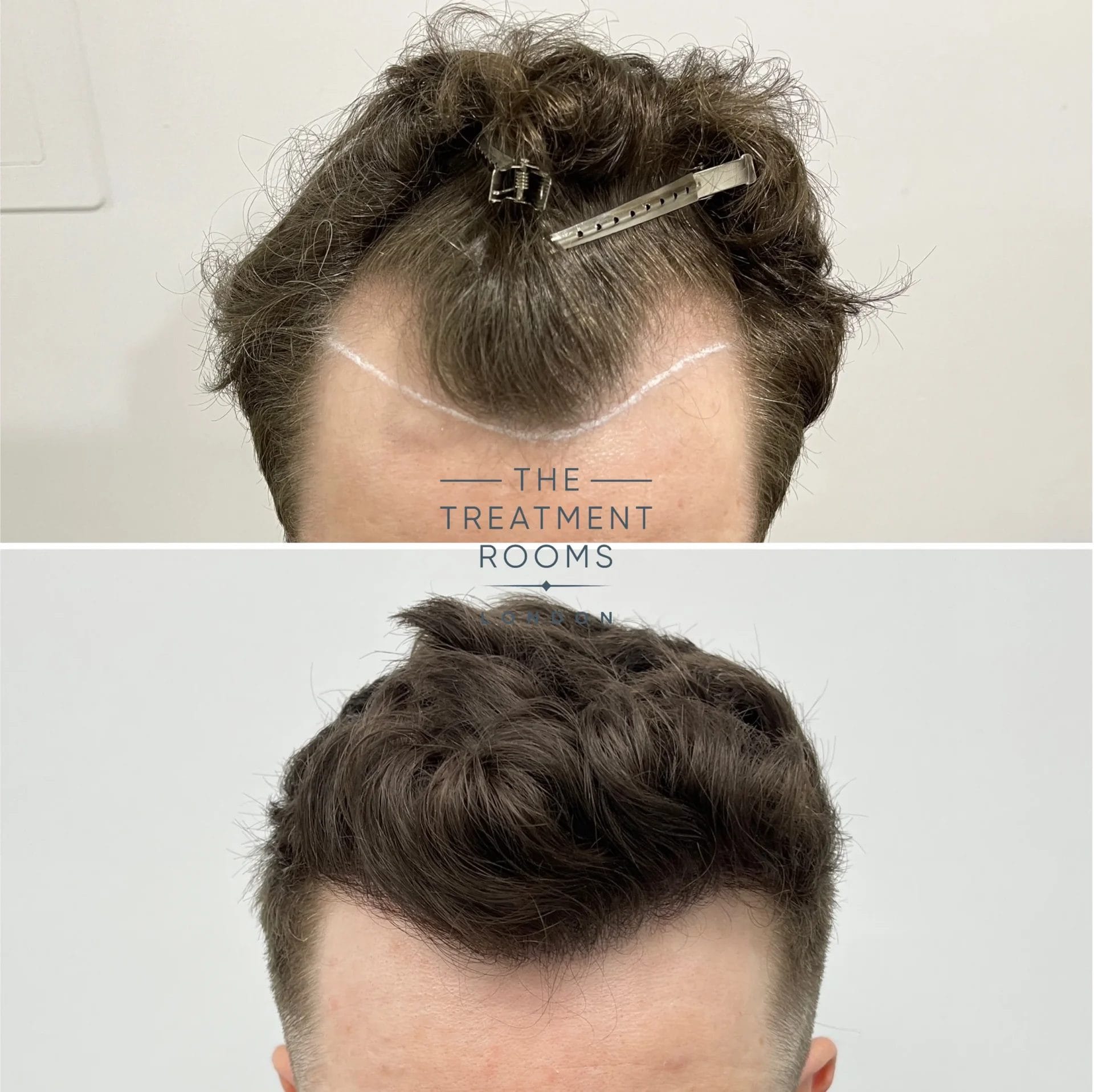
Hair Loss In Your 20s- What You Need To Know
March 24, 2026
Key Takeaways Hair thinning or excessive hair shedding in your 20s is often due to genetics, stress,…

Steve Carell Hair Transplant: Before, After, and His New Hairline
March 2, 2026
Steve Carell, best known as Michael Scott in The Office, began sparking curiosity amongst fans when his…

What Is Nutrafol and Does It Really Work for Hair Growth?
February 24, 2026
Key Takeaways Hair thinning can feel frustrating and confusing. You might notice more hair falling out in…

Peppermint oil for hair growth: Evidence, Benefits, Uses & Safety
February 24, 2026
Key Takeaways What Is Peppermint Oil? Peppermint oil, also known as Mentha piperita oil, is an essential…

Why Winter Hair Loss Happens and All You Need to Know
February 6, 2026
Key Takeaways As temperatures drop and indoor heating kicks in, many people notice their hair feels drier,…

Can You Take Finasteride With Minoxidil For Hair Loss?
February 5, 2026
Key Takeaways Consistency Matters: Stopping treatment often leads to a recurrence of hair loss; ongoing medical guidance…
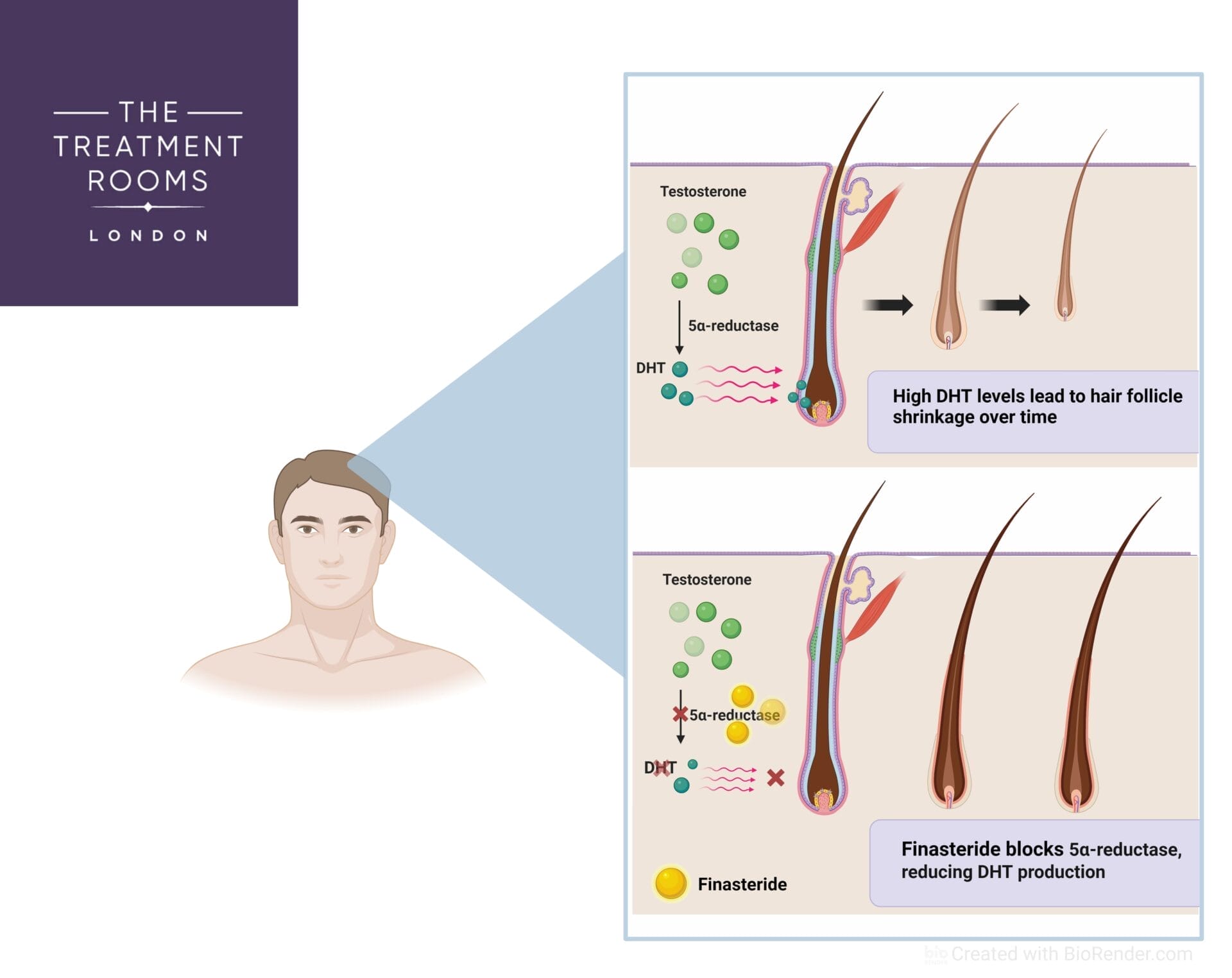
Does Finasteride Cause Erectile Dysfunction?
February 3, 2026
Key Takeaways Finasteride can cause erectile dysfunction in some men, but it isn’t common. Most men who…
What is a Hair Transplant? How it Works, Success Rate & What to Expect
February 2, 2026
Key Takeaways Cost: Varies from £3,000 to £10,000, depending on the number of grafts and the technique….
What Causes Hair Loss During Menopause?
February 2, 2026
Key Takeaways Many women notice increased hair shedding and thinning during menopause. This happens because hormonal changes…