

Key Takeaways
- Peppermint oil may improve scalp circulation: Menthol, a component of peppermint oil, increases local blood flow and produces a cooling effect that can relieve mild scalp irritation.
- Evidence for direct hair regrowth in humans is limited: Most supporting data comes from animal studies, with limited high-quality human evidence. Its role in stimulating true hair regrowth remains unproven.
- It cannot reverse male or female pattern baldness: Pattern hair loss is driven by genetic and hormonal follicle miniaturisation, which peppermint oil does not address. It therefore cannot restore hair in established thinning areas.
- Best used as a supportive adjunct, not a treatment: Peppermint oil may support scalp health together with medical therapies. It should not replace clinically proven hair-loss treatments.
- Safe use requires proper dilution and caution: Undiluted peppermint oil can cause irritation or burning. Dilution and patch testing are essential before regular use.
What Is Peppermint Oil?
Peppermint oil, also known as Mentha piperita oil, is an essential oil extracted from the leaves of the peppermint plant. It is widely used for its cooling, soothing properties and is commonly found in skincare, aromatherapy, and hair-care products.
In recent years, essential oils such as peppermint have gained popularity as scalp-supportive ingredients for hair-loss treatment. From a clinical perspective, it does not treat hair loss conditions such as male or female pattern baldness.
While it may improve scalp health and circulation, evidence for direct hair regrowth in humans is limited. It is best used as a supportive scalp-care measure alongside proven medical treatments.
Can peppermint oil help hair growth?
Peppermint oil may support hair health indirectly by improving scalp circulation, but its ability to stimulate true hair regrowth in humans remains unproven. Most available evidence comes from animal studies, and high-quality clinical trials in people are lacking.2
A 2014 animal study found that a 3% topical peppermint oil solution applied to mice resulted in increased hair thickness, length, and follicle depth, outperforming 3% minoxidil in that model. However, these findings cannot be directly extrapolated to humans due to differences in scalp biology and hair-growth cycles.2
How does peppermint oil affect the scalp?
Peppermint oil is most effective on the scalp because of its active ingredient, menthol, which creates a cooling, tingling sensation that increases blood flow and brings more oxygen and nutrients to the hair follicles.2
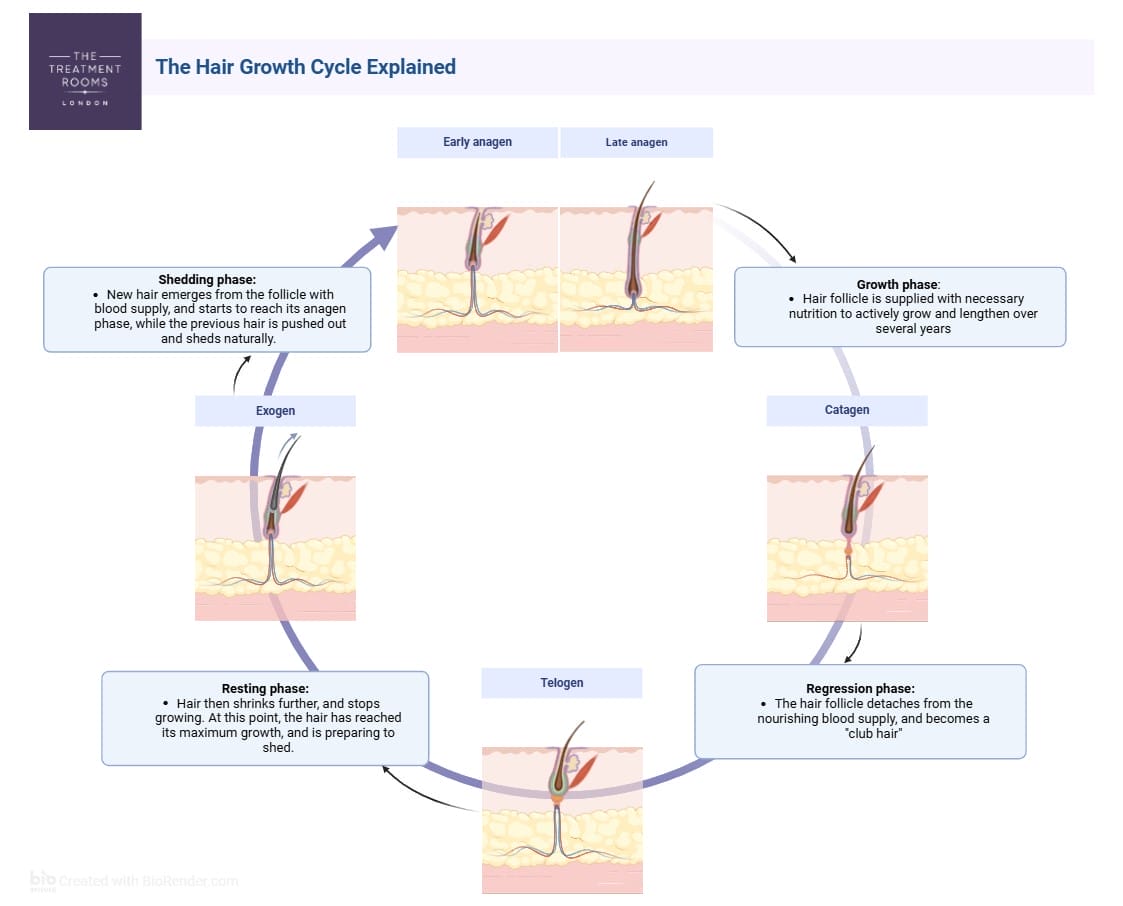
It affects the scalp in several ways that may support healthier hair, which includes;
Improved Scalp Circulation
Menthol stimulates scalp blood vessels, causing them to expand slightly and increase blood flow. Increasing blood flow improves circulation, bringing more oxygen and nutrients to your hair follicles and may help existing hair grow stronger and healthier.
Reduced Inflammation
Peppermint oil has anti-inflammatory and antimicrobial properties. This can help calm mild scalp irritation, such as itchiness or redness and reduce the presence of bacteria or fungi that might harm scalp health.
Supports a Healthier Scalp Environment
By improving circulation and reducing irritation, peppermint oil helps maintain a balanced scalp environment. While it cannot regrow hair in areas with permanently damaged follicles, it can make existing hair stronger, shinier, and less prone to breakage.
Can peppermint oil regrow hair or reverse baldness?
Peppermint oil cannot reverse baldness or restore hair in areas where follicles have permanently miniaturised or stopped functioning, such as in advanced male or female pattern hair loss.
However, it may be useful for mild hair thinning, increased hair shedding, and scalp discomfort, such as tightness or itchiness. In these cases, peppermint oil may help improve scalp health, which can directly support healthier-looking hair.
How to Use Peppermint Oil Safely for Hair?
Peppermint oil is generally safe when diluted as a hair-growth remedy. You should always combine it with your shampoo, conditioner, or a carrier oil, such as coconut or jojoba, when using it.
Before using peppermint oil for the first time, it is advisable to perform a simple skin patch test to reduce the risk of irritation. This ensures your skin tolerates it well before applying it.
Once there is no irritation after a patch test, the diluted mixture can be applied directly to the scalp. You may then gently massage it into the scalp for about 10–20 minutes before washing it out.
It is important to use it regularly for 3 to 6 months before you notice a change in scalp health or hair texture. This is because hair grows in cycles, and it takes time for new growth to become visible.
What are the side effects and precautions?
Peppermint oil is generally considered safe when used topically in dilute form, but there are several essential risks to consider:
- There is an increased risk of scalp irritation, burning, or stinging, especially when used undiluted or on sensitive skin.
- Avoid contact with the eyes, inner ears, and mucous membranes, as it can cause pain or irritation.
- A scalp tingling or cooling sensation is expected with mild doses; intense burning or discomfort indicates you should rinse immediately and discontinue use.
If you are using other scalp treatments (e.g., prescription minoxidil or finasteride) or have scalp disorders (e.g., psoriasis or eczema), check with your dermatologist/trichologist before adding peppermint oil.
Which hair conditions might benefit most from peppermint oil?
Peppermint oil is most likely to be helpful in situations such as:
- Scalp discomfort: itchiness, mild inflammation or feeling of “tight scalp” (peppermint’s cooling and soothing effects may help).
- Early thinning hair (diffuse shedding) in which scalp health and circulation may be contributory factors (rather than advanced, stable bald patches).
- As a supportive adjunct to established treatments, particularly for people who wish to maintain scalp comfort between clinical interventions.
Peppermint Oil for Hair Growth FAQs
Can I use peppermint oil in my shampoo?
Yes, you can add 1-2 drops of peppermint essential oil into your shampoo or conditioner before use. Monitor for any irritation, and don’t use it every day initially until you gauge tolerance.
How long until I see results?
Hair growth effects take time. You should allow around 3 months of consistent use (alongside healthy scalp and lifestyle support) before judging effectiveness.
Is peppermint oil better than minoxidil?
While an animal study suggested 3 % peppermint oil had a stronger effect than 3 % minoxidil in mice, human evidence is insufficient. Minoxidil remains clinically approved for many hair loss cases; peppermint oil is best used as a complementary option.
Can peppermint oil treat androgenetic alopecia (male/female pattern hair loss)?
Current evidence does not support peppermint oil as a sole treatment for androgenetic alopecia.
Are there scalp conditions where I should notuse peppermint oil?
Peppermint oil should be avoided on irritated, broken or inflamed scalp (eczema, psoriasis, recent chemical burn, etc.),
Conclusion
Peppermint oil can be a refreshing and affordable boost for scalp health and mild hair thinning when used safely and consistently. While it is not a cure for hair loss, it may play a useful role as part of a broader, evidence-based hair care or restoration plan.
For best results, peppermint oil should be combined with expert advice and proven treatments, particularly when managing hair loss.
References
1. Grooming Trend UK. Best natural oils for a healthy scalp. Grooming Trend [Internet]. [cited 2026 Jan 5]. Available from: https://groomingtrend.co.uk/best-natural-oils-for-healthy-scalp-uk
2. Oh JY, Park MA, Kim YC. Peppermint Oil Promotes Hair Growth without Toxic Signs. Toxicol Res. 2014 Dec;30(4):297-304. doi: 10.5487/TR.2014.30.4.297. PMID: 25584150; PMCID: PMC4289931.avaiable from Peppermint Oil Promotes Hair Growth without Toxic Signs – PMC
3. White A; reviewed by Cobb C, DNP, APRN, WHNP-BC, FAANP. Can Peppermint Oil Benefit Your Hair? Healthline [Internet]. Updated 14 Nov 2018 [cited 2026 Jan 5]. Available from: https://www.healthline.com/health/peppermint-oil-for-hair
Share:
Authored by

Dr Roshan Vara
Dr. Roshan Vara is a renowned hair transplant surgeon in London and the Co-Founder of our award winning hair transplant clinic, The Treatment Rooms London.He has over 10 years of experience in hair transplant surgery and is recognised for delivering natural-looking results through ethical, patient-centred care. He is a Full Medical Member of BAHRS and an Associate Member of ISHRS, reflecting his commitment to the highest standards in modern hair restoration.
Reviewed by

Dr Dilan Fernando
Dr. Dilan Fernando is regarded as one of the best hair transplant surgeons in London and Co-Founder of The Treatment Rooms London. He has over 10 years of experience in hair transplant surgery and is known for his meticulous technique and commitment to ethical practice. He served on the Executive Committee of BAHRS from 2020 to 2024, helping to shape industry standards for patient safety and quality of care. Dr. Fernando personally performs each surgery, ensuring natural results built on trust and experience.
Book a Consultation
Related Blogs

Jude Law Hair Transplant: Before, After, and His New Hairline
March 31, 2026
Jude Law, the British actor known for roles in The Talented Mr Ripley, Sherlock Holmes, and Fantastic…
Hair Loss In Your 20s- What You Need To Know
March 24, 2026
Key Takeaways Hair thinning or excessive hair shedding in your 20s is often due to genetics, stress,…
How Long Does a Hair Transplant Take? The Average FUE & FUT Surgery Duration Explained
March 24, 2026
Key Takeaways Are you considering a hair transplant and wondering how long the process takes? The answer…

Steve Carell Hair Transplant: Before, After, and His New Hairline
March 2, 2026
Steve Carell, best known as Michael Scott in The Office, began sparking curiosity amongst fans when his…

What Is Nutrafol and Does It Really Work for Hair Growth?
February 24, 2026
Key Takeaways Hair thinning can feel frustrating and confusing. You might notice more hair falling out in…

Why Winter Hair Loss Happens and All You Need to Know
February 6, 2026
Key Takeaways As temperatures drop and indoor heating kicks in, many people notice their hair feels drier,…

Can You Take Finasteride With Minoxidil For Hair Loss?
February 5, 2026
Key Takeaways Consistency Matters: Stopping treatment often leads to a recurrence of hair loss; ongoing medical guidance…
Does Finasteride Cause Erectile Dysfunction?
February 3, 2026
Key Takeaways Finasteride can cause erectile dysfunction in some men, but it isn’t common. Most men who…
What is a Hair Transplant? How it Works, Success Rate & What to Expect
February 2, 2026
Key Takeaways Cost: Varies from £3,000 to £10,000, depending on the number of grafts and the technique….