

After the stress, needles, and surgeries, food becomes more than nourishment. A warm bite, a familiar flavour, the feeling of fullness, it all reminds you that healing has begun.
In those moments, food offers a sense of comfort not only to the scalp but also to the soul, when words and promises fail.
However, recovery means more than comfort; it also means providing your body with the necessary elements to rebuild, restore, and regrow.

Most individuals concentrate on the surgery part but fail to understand that the food you consume during the days and weeks after surgery can influence your outcome quite dramatically.
Why Does Nutrition Matter for Hair Transplant Recovery?
Taking the step to have a hair transplant is excellent; however, your post-treatment is equally essential.
Your diet is one of the most effective tools you can use in the recovery process. The right foods accelerate the healing process, protect your newly planted hair, and improve your overall well-being.
Role of Nutrients in Wound Healing & Follicle Take
When you have your transplant, small scars are left in the place where hair was removed and also some on the place where hair was inserted. Your body requires some nutrients, particularly protein, iron, zinc, and vitamin C, to heal well.
Protein assists your skin and tissues in self-healing. Think of it as the brick with which your body builds up new cells.
Lack of sufficient protein may also slow the healing process. Iron and zinc play a crucial role in oxygen transportation and support your immune system, which is essential for preventing infections and maintaining a healthy scalp.
Inflammation Control & Oxidative Stress Reduction
It is normal for your head to become slightly inflamed after surgery; this is a natural process as your body repairs itself. However, an excess of prolonged inflammation will overwork your new hair follicles and retard healing.
Anti-inflammatory and antioxidant-rich foods are the answer (Omega-3s, such as fish, walnuts, and flaxseeds), vitamin E, colourful fruits and vegetables all help calm inflammation, and can protect your cells against damage.
What are the Macronutrients that are essential after Transplantation?
Your body requires the proper fuel to repair the damage, start a healthy regrowth of hair and maintain your scalp in a healthy condition after a hair transplant. The source of that fuel is macronutrients, specifically protein, fats, and carbohydrates.
Protein: Collagen Synthesis & Follicle Repair
The most significant nutrient for healing after surgery is protein. It provides the building blocks that your body requires to heal the skin, blood vessels, and, most importantly, your transplanted hair follicles.

It also helps your body produce collagen, a protein that maintains your skin and supports the tissue surrounding each graft. A lack of adequate protein can lead to delayed healing, and your new follicles may not root well.
Best sources: Include protein-rich foods in your daily intake, such as eggs, fish, chicken, beans, lentils, and dairy products.
Healthy Fats: Omega-3s for Scalp Health
Omega-3 fatty acids are found in healthy fats, which decrease inflammation, promote blood circulation, and positively affect the health of the whole scalp. This is essential in establishing a relaxing and nutritious atmosphere in which new, young hair can grow.
Omega-3s also assist your body in absorbing fat-soluble vitamins (such as vitamin E and D), which are essential for the health of your hair and your immune system. Introducing a little healthy fat in any meal can make a big difference in aiding your recovery.
Best Sources: Omega-3s can be found in fatty fish (like salmon and mackerel), walnuts, flaxseeds, and chia seeds.
Carbohydrates: Energy for Cellular Regeneration
Carbohydrates generally have a poor reputation, but they are crucial to recovery, particularly in processes like hair transplantation. Their role is to supply your body with glucose, which is the source of energy for your cells.
Best Sources: Complex carbohydrates, such as brown rice, oats, sweet potatoes, and whole-grain bread, provide sustained energy and are rich in fibre and vitamins.
Vitamin A & C: Collagen & Antioxidant Defense
Vitamin C assists your body in the production of collagen, which makes your skin around your grafts stronger. It is also an antioxidant that helps protect cells from damage. Vitamin A promotes cell growth and helps keep your scalp moisturised and healthy.

Best sources include oranges, berries, spinach, carrots, and sweet potatoes.
Vitamin D & E: Immune Modulation & Scalp Barrier
Vitamin D can boost your immune system and stimulate hair follicles. Vitamin E will help keep your scalp safe and enhance its natural defences. It allows the scalp to remain relaxed and reduces its susceptibility to inflammation.
Best sources: enriched foods, egg, fatty fish (D), nuts, seeds, green leafy vegetables (E).
Minerals: Iron, Zinc & Selenium in Hair Cycle Regulation
Iron is essential in carrying oxygen to your scalp, which speeds up recovery. Zinc aids in tissue healing and hair development, while selenium helps balance the hair cycle and protect against oxidative damage.
Best sources include whole grains, red meat, Brazil nuts, pumpkin seeds, and beans.
When Should You Start Focusing on Diet?
Post-hair transplant recovery depends not only on what you put into your body, but also on when you do it. As you progress with healing, the body will require different things. Here is something easy to understand on when and what to start.
First 48 Hours: Hydration & Gentle Foods
The primary objective within the first few days is to stay hydrated and allow your body to rest. Drink plenty of water and consume smooth foods such as soups, smoothies, yoghurt, or oatmeal, which are easily digested. Avoid spicy, greasy, and/or difficult-to-chew foods, as this helps prevent swelling and stress on your healing scalp.
Week 1–4: High-Protein, Anti-Inflammatory Meals
Throughout this period, your scalp will be in the healing process, and your new follicles will be taking root. Eat protein-heavy foods that assist tissue growth, and consider anti-inflammatory foods that will heal the scalp and guard your follicles.
Some good options include grilled chicken, fish, leafy green vegetables, berries, sweet potatoes, and nuts. Stay away from junk food and excessive sugar, as they can be harmful to the healing process.
Month 2–3: Transition to Maintenance Nutrition
At this point, the healing can be observed, but your hair follicles are not yet fully developed. Now is the time to ensure a balanced, healthier, and more nutritious diet to support the gradual improvement of the hair and scalp.
Daily Food Recommendations
To help with healing and encourage new hair growth, it is essential to consume a variety of nutrient-rich foods daily. The following are some of the better options you can add to your post-transplant diet:
Lean Meats & Fish: Chicken, Salmon, Eggs
They are excellent sources of protein, which will assist in tissue repair and your new hair follicles becoming strong. Salmon is another source of omega-3 fatty acids that help fight inflammation and maintain scalp health. Eggs provide an additional source of biotin, a vital vitamin for maintaining healthy hair.
Recommendation: Include a protein serving in every meal, preferably lean.
Colourful Fruits & Vegetables: Berries, Leafy Greens
Fruits and vegetables are rich in vitamins, antioxidants, and fibre, which are essential for healthy hair growth and recovery. Berries also contain vitamin C, which assists in repairing collagen in the scalp, and leafy green vegetables contain iron, folate, and vitamin A.
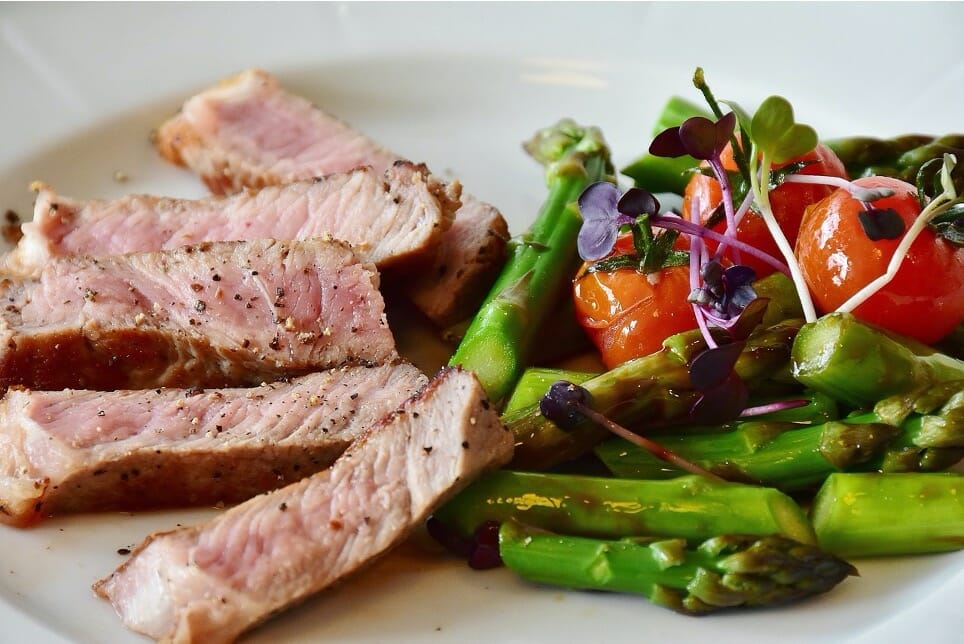
Recommendation: Eat half a plate of fruits and vegetables at every meal.
Nuts, Seeds & Legumes: Almonds, Chia, Lentils
These vegetable foods contain high levels of zinc, selenium, proteins and good fats, which are nutrients that are useful in reducing inflammation as well as promoting hair growth. They are also sources of vitamin E, found in chia seeds and almonds, which helps to protect the scalp cells against damage.
Recommendation: Include a handful of nuts or a portion of beans or lentils in snacks and meals to provide additional assistance.
Foods and Beverages to Limit or Avoid
Some foods aid your recovery, while others can delay or disrupt the healing process. The significant types which must be avoided or minimised after a hair transplantation are as follows:
High-Sodium & Processed Foods
Highly processed and salty foods may also contribute to water retention and increased swelling, particularly during the first few days after surgery. They are also not very nutritious and may slow the healing process.
Recommendation: Avoid packaged snacks, canned soups, instant noodles and fast food as much as possible.
Excessive Sugar & Refined Carbs
An excessive amount of sugar or refined carbs (such as pastries, white bread, and soda) may also lead to inflammation and further impair your natural healing process. It can also pose a problem when it comes to the health of your new hair follicles.
Recommendation: Instead, consume whole grains and foods that are naturally sweet, such as fruits.
Alcohol & Caffeine: Effects on Healing
Alcohol may thin your blood, enhance bleeding and hamper nutrient absorption. Caffeine, particularly in excessive amounts, can cause dehydration, and your scalp may become sensitive during the healing process.
Recommendation: Alcohol should be avoided for at least one week after surgery, and caffeine should be kept to a single light cup daily.
What to Eat After a Hair Transplant FAQs
- Can I drink coffee the day after my transplant?
During the first few days, it is best to avoid drinking coffee. Caffeine tends to raise blood pressure and increase sensitivity, which can interfere with the healing process.
- How much protein should I eat daily?
You can consume 2-3 servings of lean protein daily.
- Are supplements necessary post-transplant?
Not always. You might not need them provided that you consume a balanced diet. However, if you have nutritional deficits or an unbalanced diet, your physician can prescribe certain supplements.
- Can I eat spicy foods while healing?
You are advised to avoid spicy foods for the first few days. They can cause increased sweating and irritation, which can hinder healing or lead to an infection.
- When can I resume alcohol consumption?
Do not consume alcohol for at least 7-10 days. It can thin and slow the rate of healing, and can also interfere with medication.
- What hydration strategies aid recovery?
Consume a lot of water during the day, but in small, frequent doses. Sweets and drinks should be avoided, and caffeine should be reduced. Drinking water facilitates healing and provides essential nutrients that support overall well-being.
- Do fruits interfere with graft attachments?
No. Fruits are beneficial; they contain vitamins and antioxidants that aid in the healing process. Just make sure to wash them thoroughly and eat them fresh.
- Should I take a multivitamin?
Eating foods that provide the necessary nutrients is best, but a daily multivitamin can be a good alternative if you are unable to meet your requirements. Select one that a doctor or a nutritionist prescribes.
References
Academy of Nutrition and Dietetics (2020). Nutrition care manual: Nutrition for surgical wound healing. Available at: https://www.eatrightpro.org (Accessed: 6 July 2025).
American Journal of Clinical Dermatology (2019) ‘The role of vitamins and minerals in hair loss: A review’, American Journal of Clinical Dermatology, 20(1), pp. 13–24. https://doi.org/10.1007/s40257-018-0382-7.
International Society of Hair Restoration Surgery (ISHRS) (2023) Post-operative instructions: Diet and recovery after hair transplant. Available at: https://www.ishrs.org (Accessed: 6 July 2025).
Journal of Clinical Nutrition (2017) ‘Dietary protein and wound healing: A review’, Journal of Clinical Nutrition, 36(4), pp. 651–658. https://doi.org/10.1093/nutrit/nux026.
Keene, S. (2022) “Vitamin D deficiency and hair loss: Case report, diagnosis & treatment”, Hair Transplant Forum International, July/August 2022 Issue. Available at: https://www.ishrs.org (Accessed: 7 July 2025).
Share:
Authored by
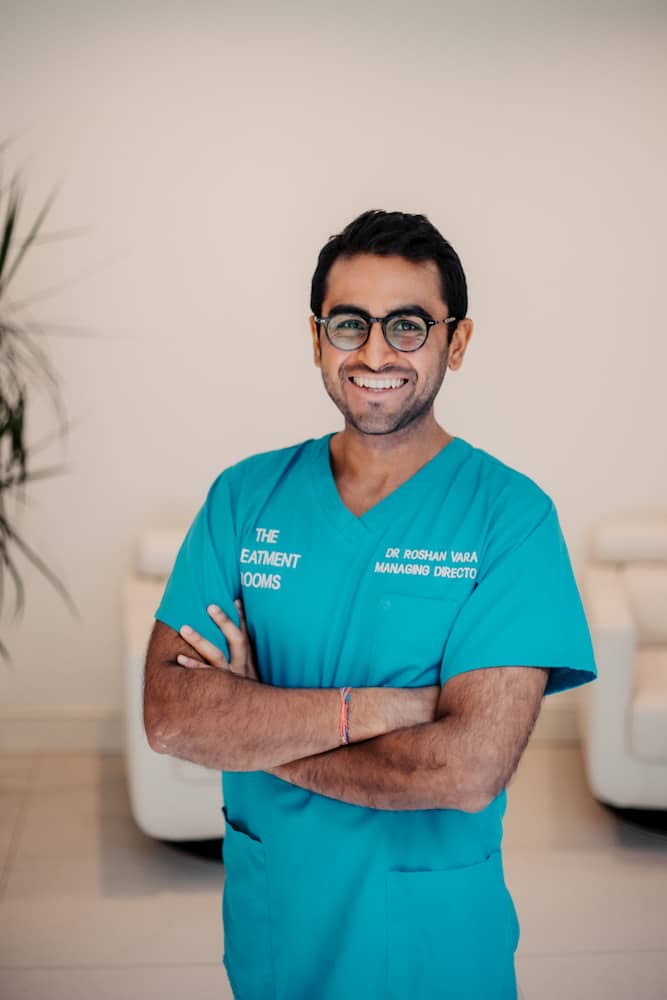
Dr Roshan Vara
Dr. Roshan Vara is a renowned hair transplant surgeon in London and the Co-Founder of our award winning hair transplant clinic, The Treatment Rooms London.He has over 10 years of experience in hair transplant surgery and is recognised for delivering natural-looking results through ethical, patient-centred care. He is a Full Medical Member of BAHRS and an Associate Member of ISHRS, reflecting his commitment to the highest standards in modern hair restoration.
Reviewed by

Dr Dilan Fernando
Dr. Dilan Fernando is regarded as one of the best hair transplant surgeons in London and Co-Founder of The Treatment Rooms London. He has over 10 years of experience in hair transplant surgery and is known for his meticulous technique and commitment to ethical practice. He served on the Executive Committee of BAHRS from 2020 to 2024, helping to shape industry standards for patient safety and quality of care. Dr. Fernando personally performs each surgery, ensuring natural results built on trust and experience.
Book a Consultation
Related Blogs

Jude Law Hair Transplant: Before, After, and His New Hairline
March 31, 2026
Jude Law, the British actor known for roles in The Talented Mr Ripley, Sherlock Holmes, and Fantastic…
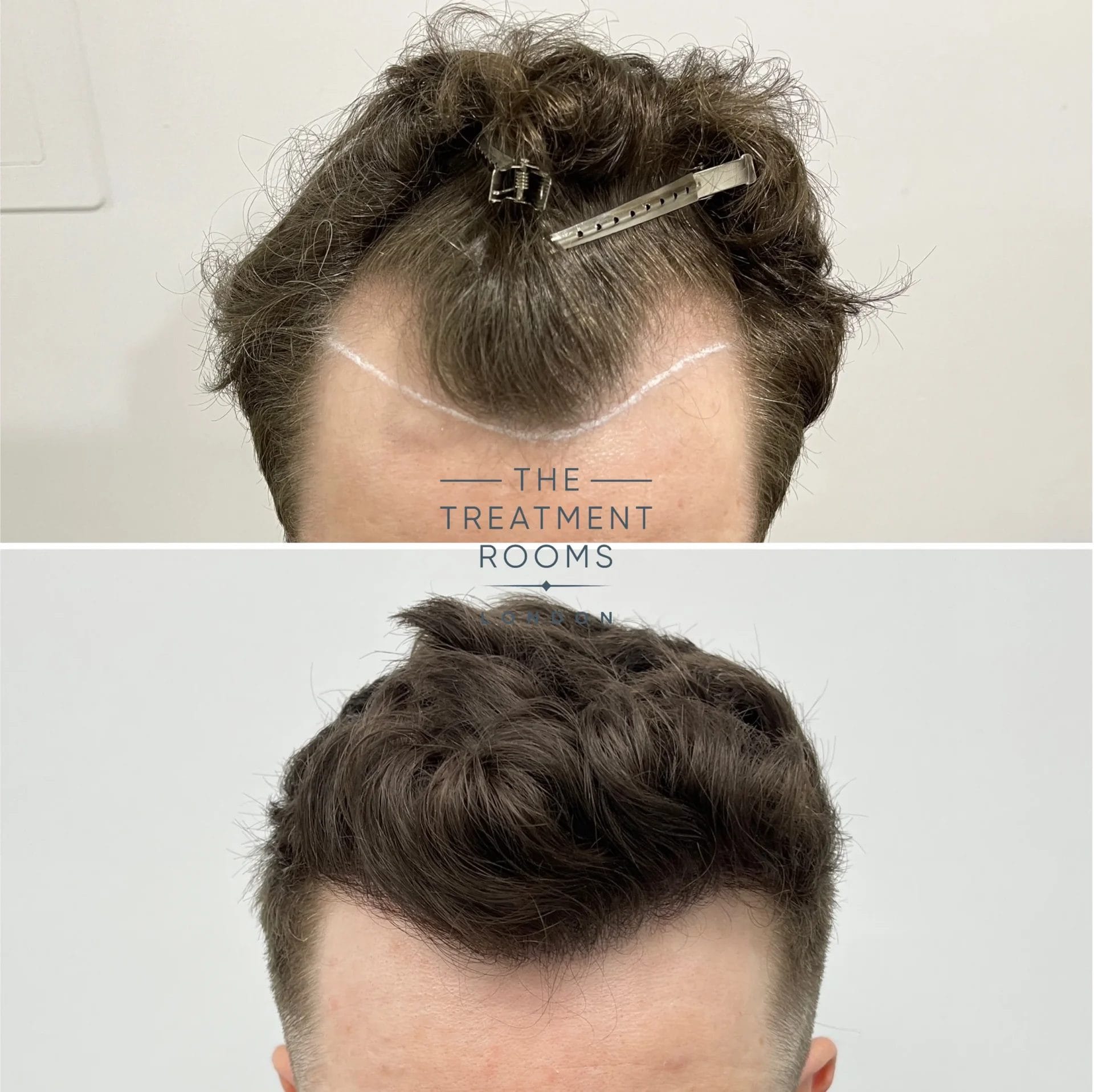
Hair Loss In Your 20s- What You Need To Know
March 24, 2026
Key Takeaways Hair thinning or excessive hair shedding in your 20s is often due to genetics, stress,…
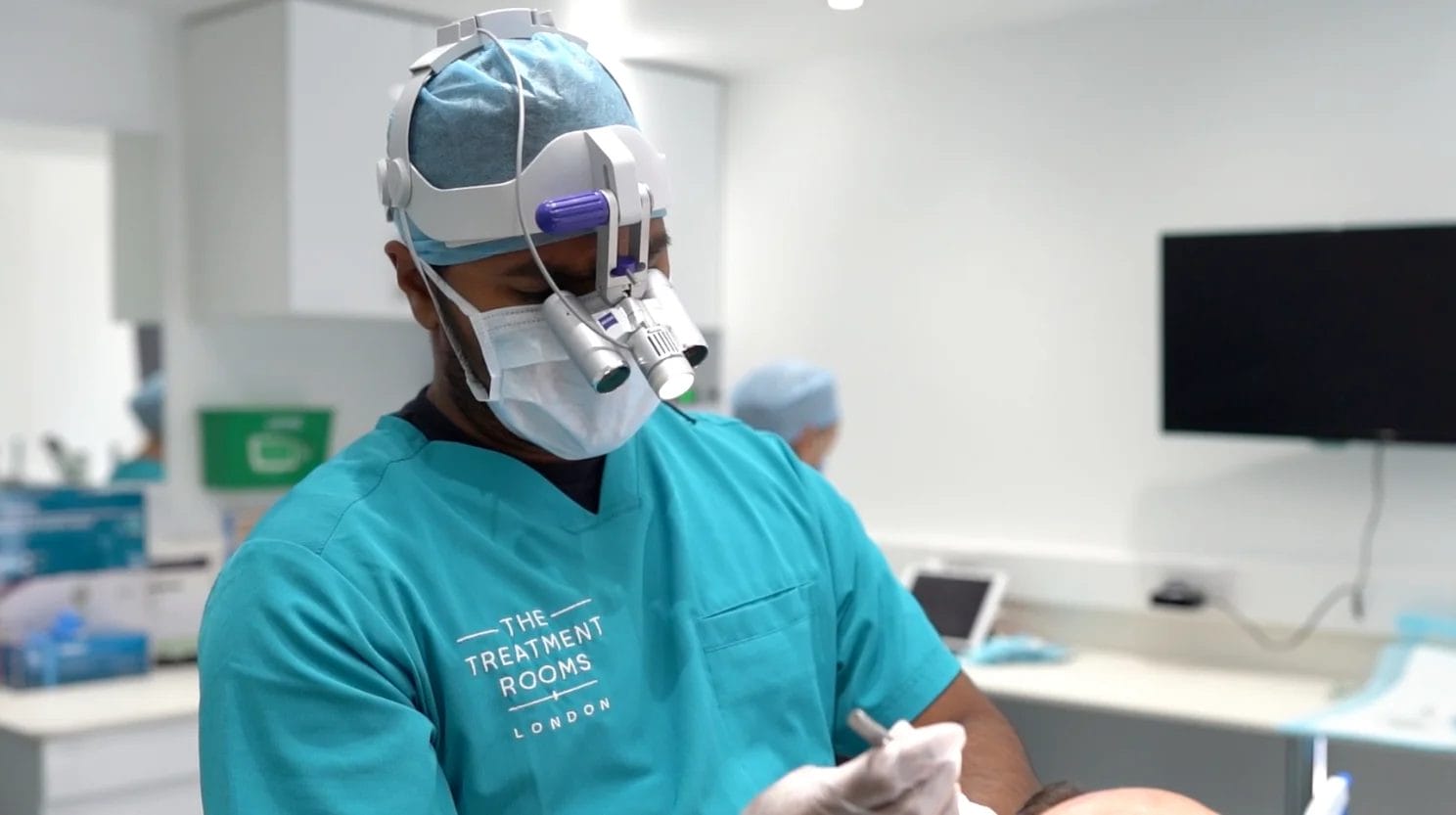
How Long Does a Hair Transplant Take? The Average FUE & FUT Surgery Duration Explained
March 24, 2026
Key Takeaways Are you considering a hair transplant and wondering how long the process takes? The answer…

Steve Carell Hair Transplant: Before, After, and His New Hairline
March 2, 2026
Steve Carell, best known as Michael Scott in The Office, began sparking curiosity amongst fans when his…

What Is Nutrafol and Does It Really Work for Hair Growth?
February 24, 2026
Key Takeaways Hair thinning can feel frustrating and confusing. You might notice more hair falling out in…

Peppermint oil for hair growth: Evidence, Benefits, Uses & Safety
February 24, 2026
Key Takeaways What Is Peppermint Oil? Peppermint oil, also known as Mentha piperita oil, is an essential…

Why Winter Hair Loss Happens and All You Need to Know
February 6, 2026
Key Takeaways As temperatures drop and indoor heating kicks in, many people notice their hair feels drier,…
Can You Take Finasteride With Minoxidil For Hair Loss?
February 5, 2026
Key Takeaways Consistency Matters: Stopping treatment often leads to a recurrence of hair loss; ongoing medical guidance…
Does Finasteride Cause Erectile Dysfunction?
February 3, 2026
Key Takeaways Finasteride can cause erectile dysfunction in some men, but it isn’t common. Most men who…