

Many of us may experience beard growth problems at some point in our lives. This can be seen with thinner beard growth with age, or if it’s just an inherited thickness we’re not happy with.
As a result of this, many people explore solutions for beard growth issues, from lotions and oils to transplants. There are a variety of beard growth products on the market today, and one such solution that people consider is minoxidil, which can help with beard enhancement.
But what is minoxidil, and is it effective in promoting beard growth and density? We answer these questions and more in our latest article. Let’s get started.
What is minoxidil?
Minoxidil is a medication used for the treatment of hair loss. Also sold under the brand name Regaine, minoxidil is available both as a prescription and over the counter to help combat hair loss and regrow hair. Minoxidil comes in three forms: a solution, a foam and an oral tablet.
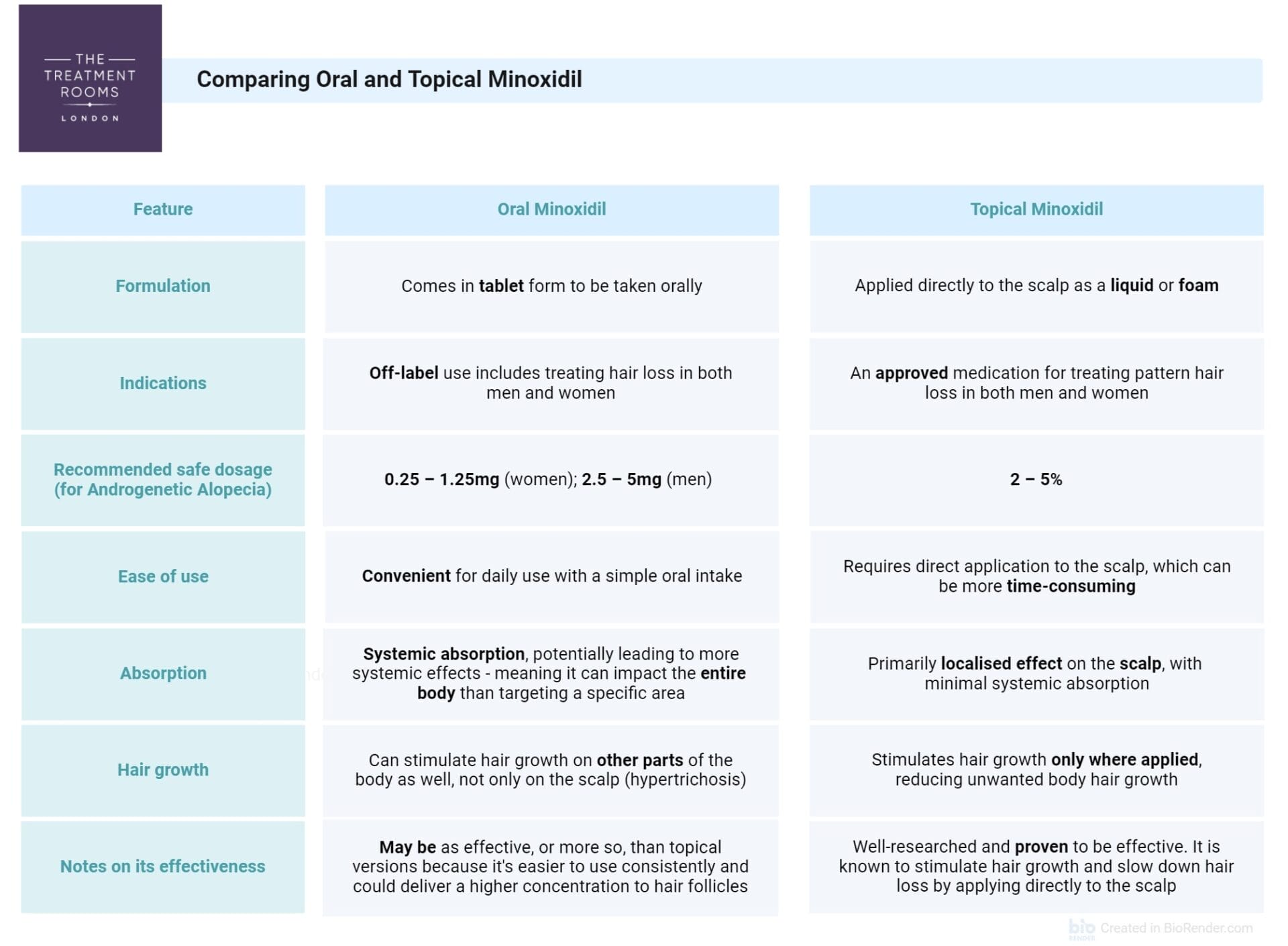
Minoxidil was originally prescribed to treat high blood pressure, but these days, the medication is mainly used to treat hair loss in women and men. While minoxidil is mostly licensed to treat hair thinning and balding in a hairline, temples or crown, a growing off-label use for the product is to promote beard growth.
How does minoxidil work?
Minoxidil is typically applied to the scalp to aid with hair loss. When using minoxidil for beard growth, it is applied to the lower face, chin and neck. When minoxidil is applied to the skin, it is converted into minoxidil sulfate, the active metabolite that plays a crucial role in stimulating hair growth.
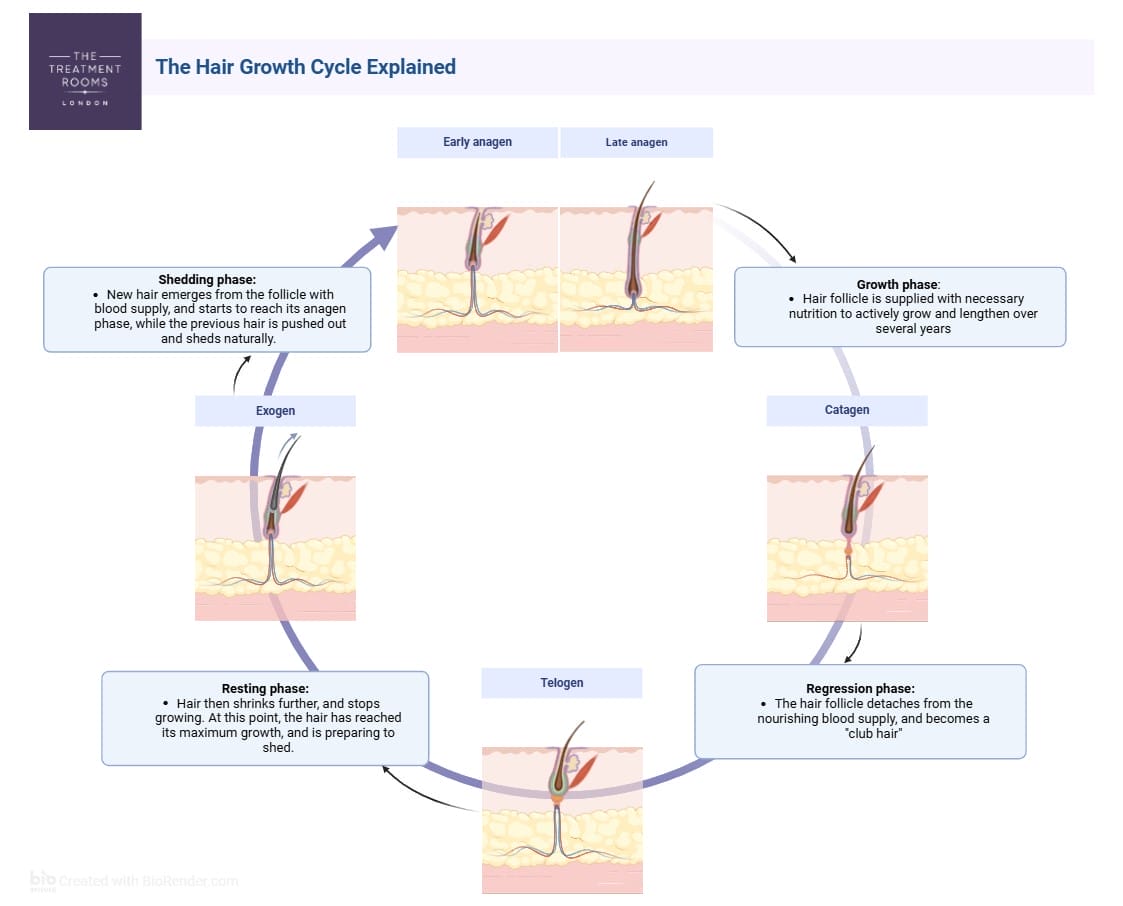
The exact way that minoxidil and its active metabolite, minoxidil sulfate, help to stimulate hair growth is unknown. However, it is believed that minoxidil acts as a vasodilator by dilating blood vessels under the skin, which enhances blood flow to hair follicles. This improved circulation delivers more oxygen and nutrients, creating optimal conditions for hair growth and promoting thicker, healthier hair. Alongside this effect, laboratory studies have shown that minoxidil lengthens the growth (anagen) phase of the hair growth cycle, leading to thicker and healthier hair. This can help to treat a thin or patchy beard as well as thin areas of the scalp and eyebrows.
Is minoxidil good for facial hair density?
While minoxidil can be effective for head hair, it should be noted that there is very little evidence to support the benefits of minoxidil for facial hair growth. The thought is that Minoxidil can help stimulate blood flow to hair follicles, improving facial hair density in the beard.
Only one study has been carried out on the use of minoxidil for beard growth. It noted modest improvements compared to placebo with a 3% minoxidil lotion. However, these results were small and do not prove the efficacy of minoxidil for beard growth.
Clinical evidence for minoxidil
Minoxidil has been extensively studied for its effectiveness in promoting hair growth, increasing hair thickness and treating hair loss. These studies provide a solid foundation of evidence supporting the use of minoxidil as a hair growth treatment.
While some people choose minoxidil to help with beard growth, its efficacy is not proven.
How to use topical minoxidil for beard growth
If you’re curious about using minoxidil for beard growth, it’s worth reiterating that there is very little supporting evidence that minoxidil actually helps and stimulates beard growth. This is particularly the case for individuals with little to no existing facial hair.
If you choose to use minoxidil on your beard, we recommend you apply a small amount twice a day to your beard. Repeat this for at least 16 weeks, or until you see visible results, which can take 6-12 months to appear.
Should you choose to use minoxidil in this way, you might want to take before and after photos so that you can see whether there has been any noticeable change to your beard.
Optimising Your Minoxidil Treatment for Better Results
To get the most out of your minoxidil treatment, it’s essential to use it correctly and consistently. Here are some tips to help you optimise its treatment and achieve the best possible results.
Tips for Maximising Hair Growth
- Use the correct concentration: Research indicates that a 5% minoxidil solution is more effective than a 2% solution for promoting hair growth.
- Apply it correctly: Ensure you apply minoxidil to the affected area twice a day, once in the morning and once at night. Massage it into the scalp or beard area for at least 30 seconds to enhance absorption.
- Be consistent: Consistency is key. Use minoxidil regularly for at least 6-12 months to see noticeable results. Skipping applications can hinder your progress.
- Combine with other treatments: Consider combining minoxidil with other hair growth treatments, such as microneedling therapy. These combinations can enhance minoxidil treatment.
- Maintain a healthy lifestyle: A balanced diet, regular exercise, and stress management can all contribute to better hair growth. Healthy living supports overall hair health and can improve the results of your minoxidil treatment.
How long before you start seeing minoxidil’s effects?
For use on the scalp, minoxidil typically starts working within 4–8 weeks. However, it may take time to see the full results of minoxidil for hair growth; it can take up to 4–6 months of regular use to see noticeable results. You may experience some light hair shedding during this time, although this will be replaced with stronger hair.
For those looking to use minoxidil for beard growth, if it is effective, you may expect to see results within 6 months of continuous use on facial hair (based on its results for head hair). Again, it is possible that you may see some light shedding from your beard at first before beard hair grows back thicker and stronger.
In terms of the long-term effectiveness of minoxidil, results typically last as long as you use it. However, one study on the use of topical minoxidil solution for androgenetic alopecia (male pattern baldness) found that results appeared to peak at around 12 months.
Is minoxidil safe for beard growth?
While minoxidil is only approved for hair growth, it is also considered safe for beard growth too (though its effectiveness has yet to be confirmed).
However, as with any medication, there are some possible side effects that you may notice when taking minoxidil for beard growth. These side effects can include:
- Dry and itchy skin
- A scaly texture on the skin
- Weight gain
- Dizziness
- Redness or irritation in the area where the lotion was applied
- Some changes in the colour or texture of hair
- Unwanted hair growth: Applying minoxidil can sometimes lead to unwanted hair growth in adjacent areas, such as the eyebrows or neck. To minimise this risk, apply minoxidil only to the targeted area and avoid contact with other skin areas
Most of these side effects should disappear as your body becomes used to the minoxidil. However, if they continue to persist, consult your GP.
Potential Risks and Considerations
While minoxidil is generally safe and well-tolerated, there are some potential risks and considerations to be aware of. Understanding these can help you use minoxidil more effectively and safely.
More Serious Considerations
- Allergic reactions: Although rare, some individuals may experience allergic reactions to minoxidil, such as itching, redness, or swelling. If you notice any of these symptoms, discontinue use and consult a doctor.
- Cardiovascular effects: Minoxidil can cause changes in blood pressure and heart rate. If you have a history of cardiovascular disease or palpitations, it’s crucial to consult a doctor before starting minoxidil treatment.
Alternatives to minoxidil for beard growth
As minoxidil isn’t proven to help with beard growth, it is best to look at alternatives to this medication. There are a few options that you can consider:
- Neoxyl is a popular alternative medication that also targets hair growth. While it is similar to minoxidil, it has some key differences — specifically, it is a water-based solution that doesn’t contain solvents such as propylene glycol (PPG).
- Another natural alternative to minoxidil for beard growth is peppermint oil. There is some evidence to suggest that peppermint oil, when applied to the beard, can help promote hair growth in this area.
- Some people use acupuncture to promote beard growth, as this is thought to stimulate blood flow around the hair follicles. However, evidence for this is limited
- Lifestyle changes such as maintaining a healthy diet or reducing stress may also help to keep your beard healthy. For more on this, visit our blog post on how to fix a patchy beard.
But for a more surgically backed solution for beard growth instead of minoxidil, it’s worth considering a beard transplant. This surgery can be performed using the FUE or FUT hair transplant technique. It typically has a downtime period of 5-10 days.
A beard transplant is a safe surgical procedure that, unlike topical treatments, offers permanent results and greater choice and flexibility for your beard. You can choose the style of beard you want, as well as where you want it to grow from, and it typically only requires a single operation.
If you think a beard transplant is the right choice for you, book your consultation today. Our lead surgeons will be more than happy to give you more information on the personalised beard transplant service we offer at The Treatment Rooms London.
Sources
- https://www.byrdie.com/minoxidil-for-beard-5208895
- https://www.healthline.com/health/minoxidil-beard
- https://www.stubbleandstache.com/blogs/blog/minoxidil-beard-does-minoxidil-work-for-beard-growth
- https://www.menshealth.com/health/a34160011/rogaine-minoxidil-beard/
- https://onlinelibrary.wiley.com/doi/abs/10.1111/1346-8138.13312
- https://www.fatherly.com/style/does-minoxidil-work-for-beard-growth-what-men-need-to-know
- https://www.medicalnewstoday.com/articles/325566
Share:
Authored by

Dr Roshan Vara
Dr. Roshan Vara is a renowned hair transplant surgeon in London and the Co-Founder of our award winning hair transplant clinic, The Treatment Rooms London.He has over 10 years of experience in hair transplant surgery and is recognised for delivering natural-looking results through ethical, patient-centred care. He is a Full Medical Member of BAHRS and an Associate Member of ISHRS, reflecting his commitment to the highest standards in modern hair restoration.
Reviewed by

Dr Dilan Fernando
Dr. Dilan Fernando is regarded as one of the best hair transplant surgeons in London and Co-Founder of The Treatment Rooms London. He has over 10 years of experience in hair transplant surgery and is known for his meticulous technique and commitment to ethical practice. He served on the Executive Committee of BAHRS from 2020 to 2024, helping to shape industry standards for patient safety and quality of care. Dr. Fernando personally performs each surgery, ensuring natural results built on trust and experience.
Book a Consultation
Related Blogs

30 Footballer Hair Transplant Transformations: All You Need to Know
May 22, 2026
Key Takeaways Visible transformations in footballers show that hair transplants can significantly improve the appearance of the…
Can I Get a Hair Transplant While Using Testosterone Replacement Therapy(TRT)?
May 18, 2026
Key Takeaways Testosterone Replacement Therapy (TRT) is commonly prescribed for men with low testosterone, a condition called…

Can A Vegan Or Vegetarian Diet Cause Hair Loss?
May 15, 2026
Key Takeaways In most cases, diet-related hair loss is reversible. However, persistent, patterned, or unexplained hair loss…

Balding on Crown Hairstyles: The Right Haircut to Choose and Treatment Options
May 11, 2026
Key Takeaways What is a Balding Crown? You may not notice your crown is thinning until someone…

12 Hair Styles for Women With Thin Hair On The Crown
May 7, 2026
Key Takeaways: In this article, we’ll look at some of the best haircuts and practical hair-styling ideas…

How Many Hair Grafts Do You Need For A Hair Transplant?
May 4, 2026
A Follicular Unit Excision (FUE) or FUT hair transplant is one of the two main procedures available to address…
Hair Loss After Menopause: Causes, Treatment, and Hair Transplants
April 16, 2026
Key Takeaways Many women notice increased hair shedding and thinning during menopause. This happens because hormonal changes…
Jude Law Hair Transplant: Before, After, and His New Hairline
March 31, 2026
Jude Law, the British actor known for roles in The Talented Mr Ripley, Sherlock Holmes, and Fantastic…
Hair Loss In Your 20s- What You Need To Know
March 24, 2026
Key Takeaways Hair thinning or excessive hair shedding in your 20s is often due to genetics, stress,…