

Key Takeaways:
- Is redness normal after a hair transplant? Yes, it is completely normal and expected to have mild redness in the donor and recipient areas after a hair transplant surgery.
- Should the redness improve over time/ how long can it last? The redness should be constantly improving after the third day and should fade gradually. Most people see their scalp return to its natural colour within 2-4 weeks after their hair transplant.
- How should you care for the treated scalp? To care for your scalp properly, make sure you only use the products and techniques advised by your surgeon. Ensure you follow any additional instructions they provide, as this will allow your scalp to heal in as quick a time as possible.
- When should you seek medical advice? You should seek an assessment urgently if you find there is increasing heat, pain, swelling, pus, or you have a fever.
In the days following your surgery, you may discover your scalp is a pink or reddish colour. In the majority of cases, redness after a hair transplant is part of the normal way in which your body responds to the many small cuts made on your scalp.1
What you should watch for is the change of this redness over time. The redness should begin to settle as the days go on; it should not be spreading or become more painful or uncomfortable over time.
Why Does Redness Occur After a Hair Transplant?
Redness occurs after a hair transplant because there has been a controlled injury to the skin. Your body quite naturally responds to this by increasing the blood flow available to these ‘injured’ areas in order to send inflammatory cells where they are needed to support wound healing. This causes redness, warmth, swelling, and tenderness.
“In all of our patients, we explained that it is normal to have some redness after their hair transplant. This can be to their hairline, crown or another area we have operated in. It settles over time, going from red to pink to normal skin colour eventually. It is nothing to worry about and is part of the expected recovery following surgery.”
Dr Dilan Fernando, Co-Founder and Surgeon at The Treatment Rooms London
The type of redness you experience can differ depending on the part of the scalp affected.
The type of redness you experience can differ depending on the part of the scalp affected.
Recipient area redness
This is around the small sites where the follicles were implanted. It may look like an even pink colour or form small red rings around individual follicles.
FUE donor area redness
This occurs around the many small circular wounds where the extraction of follicles takes place from the back of the head.
FUT donor area redness
Follows the linear wound made when a strip of donor skin is removed and closed with stitches or staples.
It may occur alongside mild swelling, crusting, or tenderness in any of these areas. Redness on its own doesn’t tell us whether there is a complication. It is often part of normal healing.
Recipient area redness
This is around the small sites where the follicles were implanted. It may look like an even pink colour or form small red rings around individual follicles.
FUE donor area redness
This occurs around the many small circular wounds where the extraction of follicles takes place from the back of the head.
FUT donor area redness
Follows the linear wound made when a strip of donor skin is removed and closed with stitches or staples.
It may occur alongside mild swelling, crusting, or tenderness in any of these areas. Redness on its own doesn’t tell us whether there is a complication. It is often part of normal healing.
Advice on Redness After a Hair Transplant
Is redness normal?
It is common to have mild redness immediately after your transplant. This is usually at its worst around the second or third day after the procedure. Depending on what your natural skin tone is, it can appear in a variety of colours, for example, pink, red, purple-toned, or slightly darker than the surrounding scalp.
The increase in blood flow to the area is what causes the colour change. Lighter skin tones show up these colour changes much more readily. For those with skin that is black, brown, or olive, the skin appears subtly darker rather than there being any obvious redness. Changes in warmth, swelling, and discomfort can also be warning signs that you aren’t healing as you should following the surgery.2
For more clarity, ask yourself the following questions: Is the redness limited to the area that was operated on? Is the discomfort easing up? Are you feeling otherwise well?
You will likely notice that the vast majority of redness fades on its own without any special treatment. It’s always best, however, to be aware of the warning signs of deterioration, so you can act quickly in the unlikely event something isn’t right.
How Long Does Hair Transplant Redness Last?
Healing time will differ from person to person, so there is no clearly defined period where you can separate normal redness from that which is abnormal. Your skin might be more or less sensitive than another patient; you might have had a different number of grafts, or a different type of surgery.
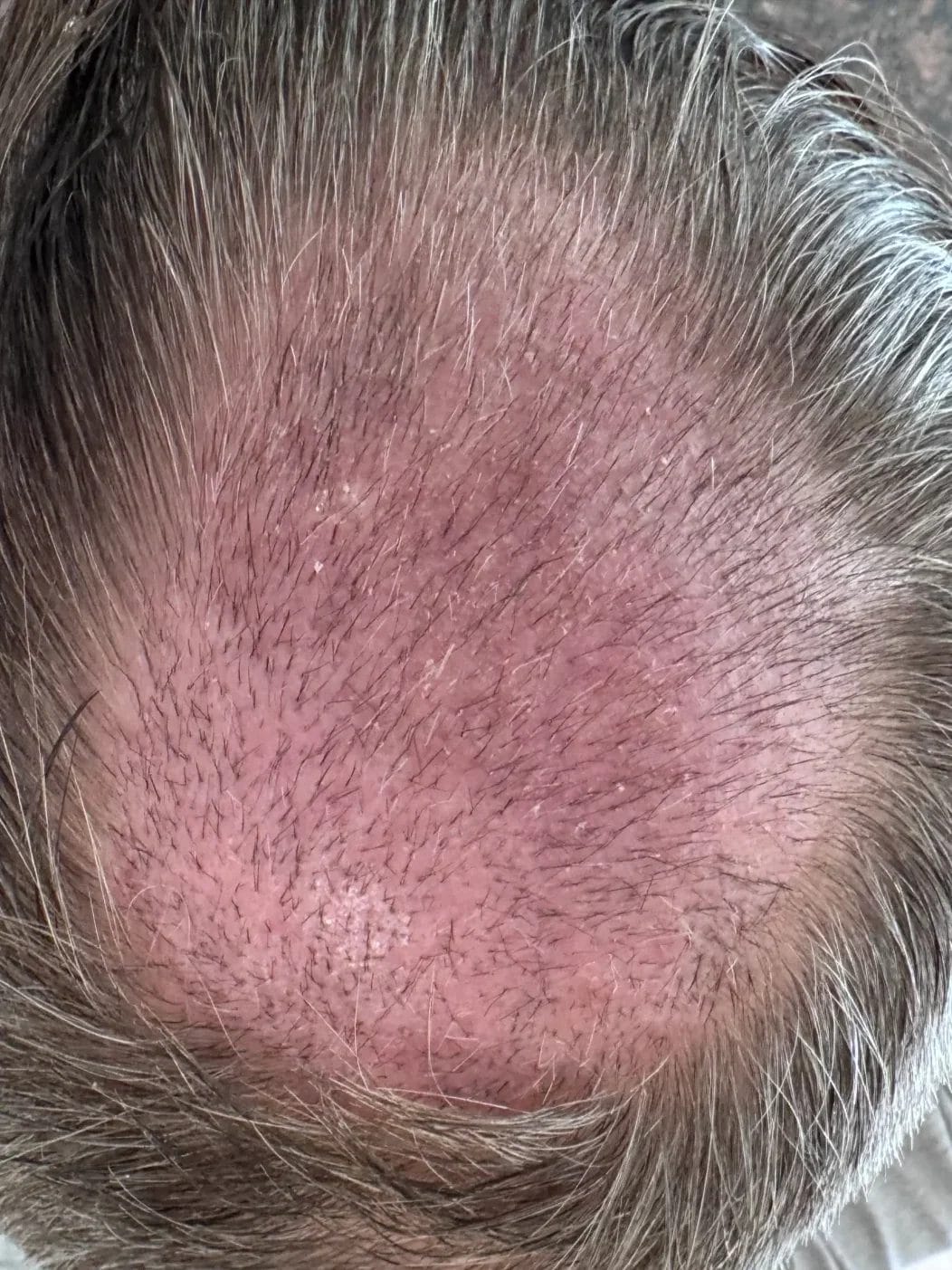
Generally, you can expect the following:
Days 0-3
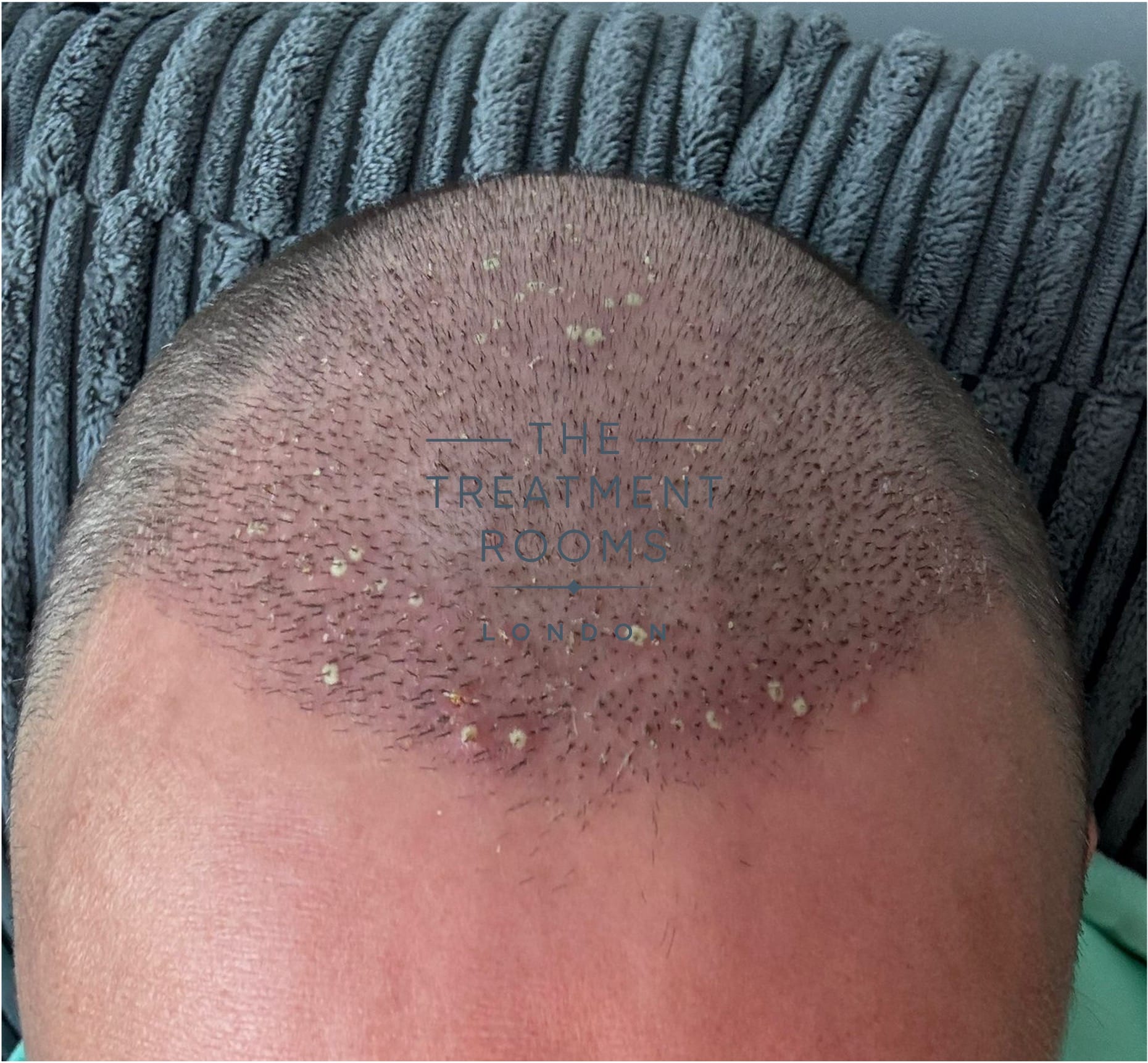
In the first three days, most of your symptoms, including redness, mild swelling, and tenderness, will be at their worst, and small crusts develop around the sites where the hair is implanted.
Days 4-10
By the fourth day, you should notice your scalp is looking much calmer. The crusts will start to loosen. It is really important that you let them fall off naturally. Never pick at or forcibly remove them, as this can damage your grafts and set back your recovery.
Weeks 2-4
Any redness should be substantially faded at this point. For most, the redness will have resolved itself within this 2-4 week range, though it can last longer in some people.1
Beyond 4 weeks
By four weeks, you will most likely only have faint pinkness present at most. Let your treating clinic know if your scalp redness has either returned or failed to settle at this point. Your surgeon will want to examine your scalp to rule out any infection.
A brief flush of redness in the area that has been operated on after exercise or a warm shower is normal and can be expected. This is easily explained by a temporary increase in blood flow to the scalp caused by the running water.
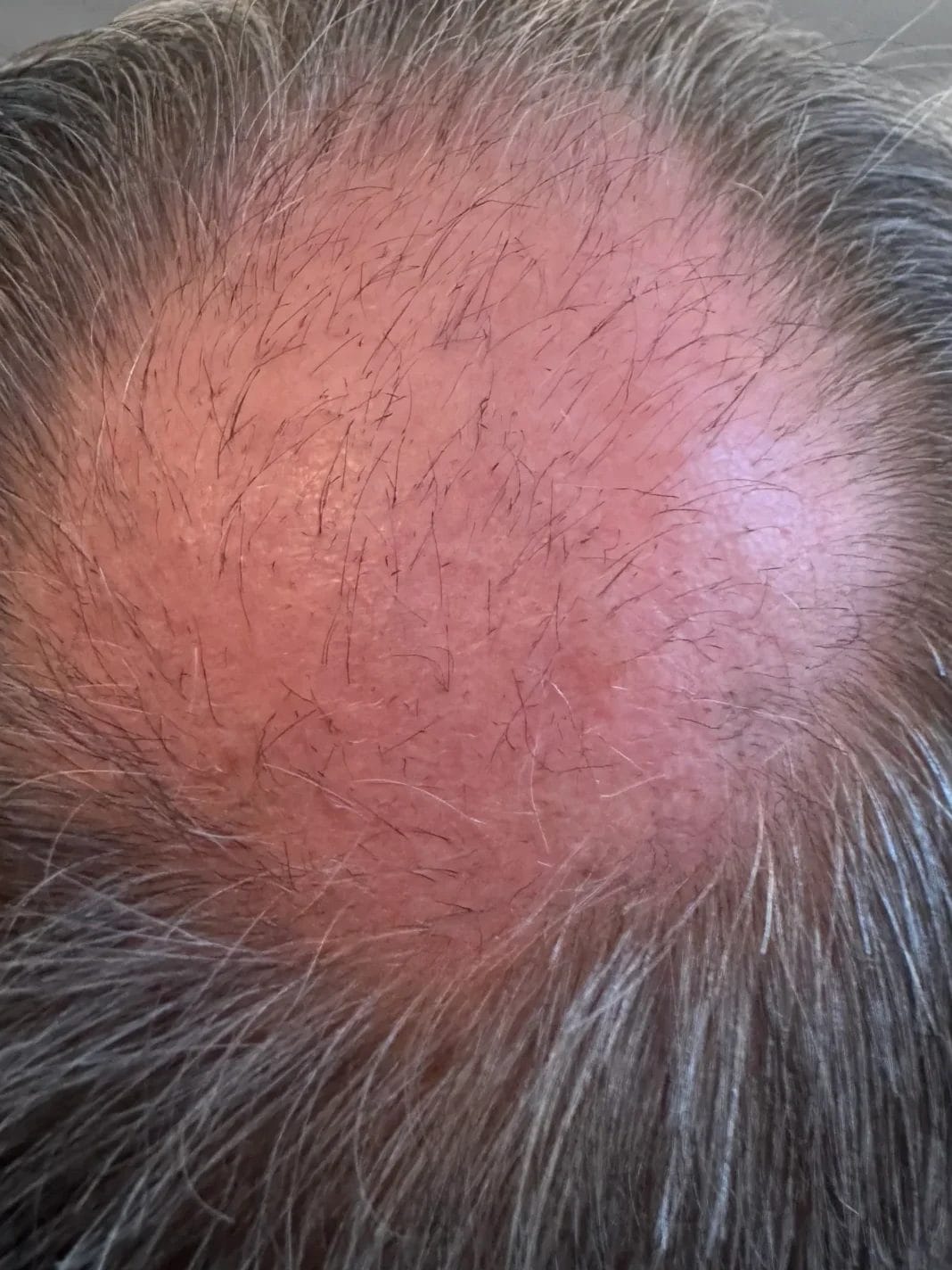
The main way to tell if you are recovering normally is if you see a steady improvement in your symptoms without them getting worse; how long it the time it takes for this change to happen is not as important as the trajectory of the healing. It should, by and large, be getting better with every passing day.
What Can Affect How Long Redness Lasts?
No two scalps respond in the same way.
Your scalp skin sensitivity and your natural skin tone can play a part, as can pre-existing scalp conditions that you have, such as rosacea, eczema, and seborrhoeic dermatitis. Having previous inflammation will also affect the way your scalp responds to surgery.
“For patients with very light skin tones, redness can last longer, and that is normal. For our patients with darker skin tones, the redness quickly fades and isn’t so visible. It can look like a darker shade of their natural skin tone, and that again is normal for them after having their hair transplant.”
Dr Dilan Fernando, Co-Founder and Surgeon at The Treatment Rooms London
The size of hair transplantation also matters. A large transplant will leave more small wounds covering a wider area than a smaller procedure will.
How you manage your scalp can also affect how long the redness will last. Factors that increase the length of time redness lasts are:
- Scratching, picking, or rubbing the scalp.
- Washing too vigorously.
- The presence of folliculitis, which is inflammation around a hair follicle.
- Irritation or contact dermatitis caused by a shampoo, spray, or topical treatment.
- Tight headwear and repeated friction.
- Heat, heavy sweating, and unprotected sun exposure.
Your general health matters as well. Smoking, diabetes, immune suppression, and certain medicines can interfere with the wound healing process or increase how vulnerable you are to infection, which in turn will prolong the appearance of redness.3
What should patients do?
Follow the instructions you are given. They were written specifically for your procedure and the technique used by your surgeon.
- Wash gently according to schedule. You need to begin with careful washing that avoids rubbing the scalp, followed by a return to normal hair care over 2 weeks.4
- Allow crusts to loosen naturally. Do not scrape them away with your fingernails or try to speed up the removal process by massaging the scalp.
- Use minimal products. If your clinic has not approved a shampoo, spray, oil, cream, or medicine, do not apply it.
- Shield the scalp from direct sunlight. This is crucial as direct sun can damage the scalp and slow healing. Ask when you can wear a head covering and what types are suitable
- Minimise friction. Tight caps, hard hats, motorcycle helmets, and anything else that rubs against the treated area need to wait, especially in the first few weeks after the operation.
- Photograph the scalp consistently. The same room, light, and camera angle will give you a more reliable assessment of your redness and whether it is resolving rather than relying on memory alone.
The guidance given by your surgeon takes precedence, as they have personally examined your scalp and are aware of the best way to manage it.
Precautions
The following are some particular precautions you should take that help reduce redness and quicken the return to normal skin tone after your hair transplant:
1. Leave the crusts alone
They may not look comfortable, but picking at them can cause irritation and disturb tissue that is healing and set your recovery process back.
2. Do not self-treat
Leftover antibiotics, potent steroid lotions, and household antiseptic agents should not be applied as your own remedy to your scalp redness.
Be cautious with products advertised as ‘soothing’ such as essential oils and other skincare products. These can trigger contact irritation, so avoid them and seek advice from your clinic if you have any concerns.
3. Keep heat and friction under control
Your surgeon’s restrictions on exercise, showers, hats and helmets may feel inconvenient, but they are temporary measures to give you the best results for your new hair. Stick with the plan and your hard work will pay off.
4. Protect the area from sunlight
Freshly healing skin is vulnerable to damage by UV rays. As suncream is to be avoided while your scalp is recovering, confirm with your clinic what type of protection is best. This could be something as simple as a loose-fitting hat or an umbrella.
When Should You Contact Your Clinic or a Medical Professional?
Having a red scalp doesn’t automatically mean that it is infected. At the same time, redness should not be explained away as always being normal.
What we need to watch for are the symptoms that occur alongside. Is the recovery continuing or beginning to reverse?
Contact the clinic that carried out your procedure promptly if:
- Redness is spreading beyond the treated area.
- The colour is becoming more intense instead of fading.
- Redness returns after an earlier improvement.
- The scalp feels increasingly hot, swollen, hard, or painful.
- Yellow or green discharge appears.
- There is a new unpleasant smell.
- An incision opens or begins to break down.
- Spots, tender bumps, or pus-filled lesions develop.
- You feel feverish, shivery, or generally unwell.
“In our clinic, we give patients clear instructions on when to reach out if they are worried about their healing progress. Redness accompanied by spots, pus, fever, and general discomfort can be signs of an infection, and it’s important to act quickly to ensure the hair follicles aren’t affected. Reach out to your clinic immediately if you spot these signs. Starting a course of topical and/or oral antibiotics is the usual protocol in our clinic, and reviewing the patient regularly to ensure the signs and symptoms are settling is important. Usually, the redness and infection start to resolve in 72 hours, and the patient recovers well with good regrowth of their hair.”
Dr Roshan Vara, Co-Founder and Surgeon at The Treatment Rooms London
Heat, redness, swelling, increasing pain, pus and fever are signs of a possible surgical wound infection. Small red bumps can be a sign of folliculitis, which may potentially end up damaging your newly transplanted follicles.
If the clinic that performed your transplant cannot be reached, then contact your GP or the NHS 111 service.
Seek Urgent Medical Help If:
- Redness spreads rapidly;
- Pain is severe or disproportionate;
- Black, purple or grey skin, blistering or significant tissue breakdown appears;5
- There is facial swelling with breathing or swallowing difficulty.
These complications are not the expected course. The vast majority of postoperative redness ends up fading without needing any specific treatment. Even so, it is best to stay alert to the signs that things may not be going so well so you can seek help.
Conclusion
Redness after a hair transplant is usually temporary. In the early days, you will have a pink, tender, or lightly crusted scalp. Then it should begin to settle.
Follow your washing guide given by your clinic, resist the urge to pick at scabs, and keep any unapproved products away from the grafts. Most importantly, pay attention to signs of change. Fading redness or discolouration is reassuring, whereas spreading colour, increasing heat, worsening pain or the presence of discharge is not.
If your recovery seems to be taking a step backwards, contact your treating clinic. You do not need to diagnose your scalp all by yourself; leave it to the care of a trusted professional who will be able to spot and treat any serious deterioration in your scalp condition.
References:
- Romera de Blas C, Vega Díez D, Ricart Vayá JM, Gómez Zubiaur A. Complications in follicular unit excision hair transplantation: current evidence and practical approaches. Front Med (Lausanne). 2026;13:1750989. doi:10.3389/fmed.2026.1750989.
- British Association of Dermatologists. Erythema. BAD Patient Hub [Internet]. Available from: https://www.skinhealthinfo.org.uk/symptoms-treatments/erythema/. Accessed 20 August 2026.
- Royal Free London NHS Foundation Trust. Preventing surgical site infections [Internet]. 2026. Available from: https://www.royalfree.nhs.uk/patients-and-visitors/patient-information-leaflets/preventing-surgical-site-infections. Accessed 21 August 2026.
- Vañó-Galván S, Bisanga CN, Bouhanna P, Farjo B, Gambino V, Meyer-González T, et al. An international expert consensus statement focusing on pre- and post-hair transplantation care. J Dermatolog Treat. 2023;34(1):2232065. doi:10.1080/09546634.2023.2232065.
- NHS. Necrotising fasciitis [Internet]. Available from: https://www.nhs.uk/conditions/necrotising-fasciitis/. Accessed 21 August 2026.
Share:
Authored by

Dr Roshan Vara
Dr. Roshan Vara is a renowned hair transplant surgeon in London and the Co-Founder of our award winning hair transplant clinic, The Treatment Rooms London.He has over 10 years of experience in hair transplant surgery and is recognised for delivering natural-looking results through ethical, patient-centred care. He is a Full Medical Member of BAHRS and an Associate Member of ISHRS, reflecting his commitment to the highest standards in modern hair restoration.
Reviewed by

Dr Dilan Fernando
Dr. Dilan Fernando is regarded as one of the best hair transplant surgeons in London and Co-Founder of The Treatment Rooms London. He has over 10 years of experience in hair transplant surgery and is known for his meticulous technique and commitment to ethical practice. He served on the Executive Committee of BAHRS from 2020 to 2024, helping to shape industry standards for patient safety and quality of care. Dr. Fernando personally performs each surgery, ensuring natural results built on trust and experience.
Book a Consultation
Related Blogs

Hair Transplant After 7 Days: What To Expect
October 9, 2026
Key takeaways: 7 days after your hair transplant, you can expect to see the scabs in your…

Minoxidil Side Effects: What to Expect, Risks, and How to Manage Them
October 9, 2026
Key takeaways Medications are often a first step people take when tackling pattern baldness. They can help…
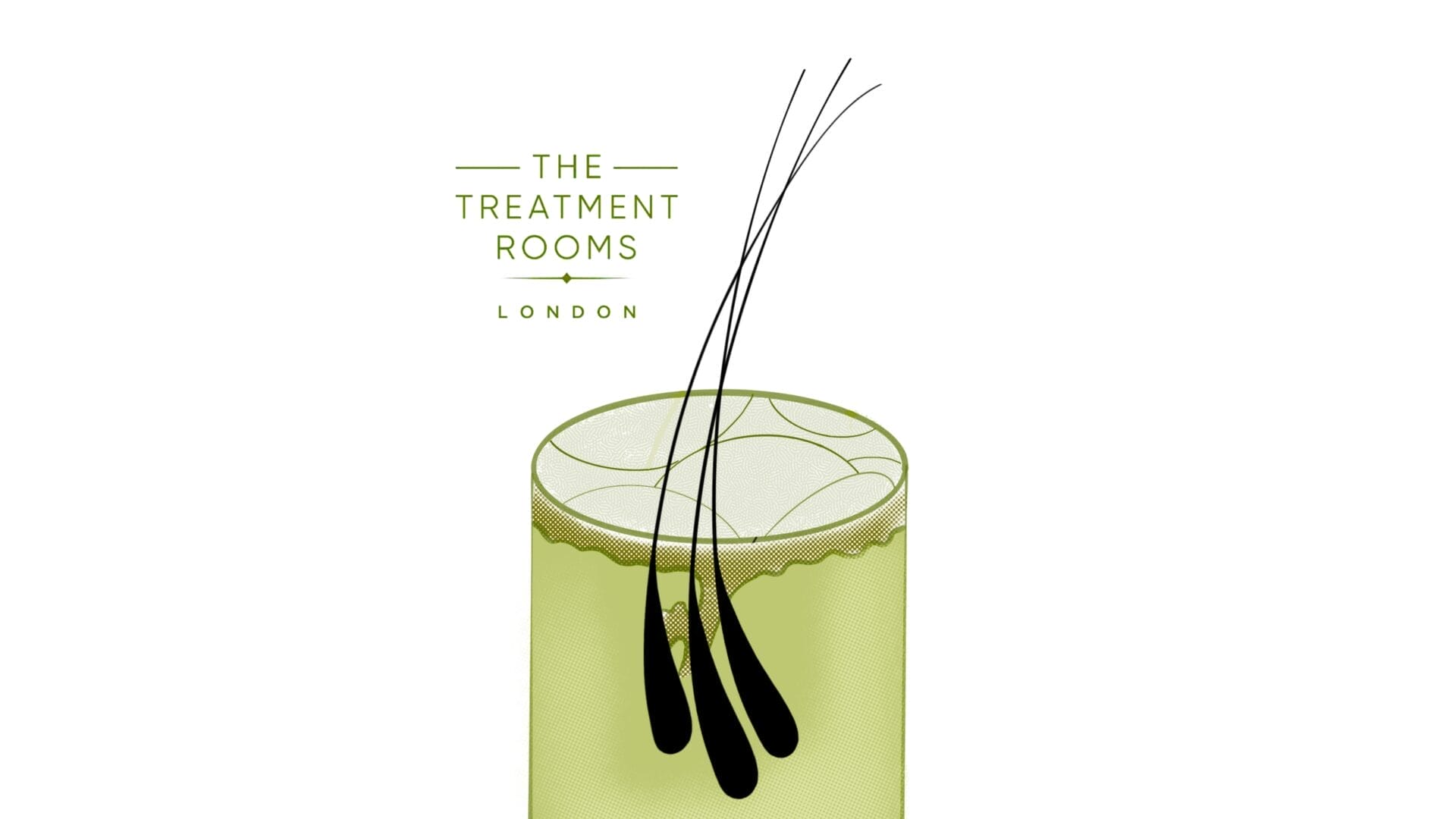
What Is A Hair Graft In A Hair Transplant?
October 7, 2026
Key takeaways: What is a Hair Graft in a Hair Transplant? Hair loss can be a distressing…

Widow’s Peak Hair Transplant for Women: Everything You Need to Know
October 6, 2026
Key takeaways: There is no absolute definition of a widow’s peak in women. It is often based…

Has Steve Carell Had a Hair Transplant? What the Evidence Really Shows
October 6, 2026
Key Takeaways Steve Carell is arguably one of the most liked and versatile actors of his generation….

When Can You Drink Alcohol After Your Hair Transplant?
October 6, 2026
Key takeaways: It’s common for our patients to ask us when it is okay to resume drinking…

Has Donald Trump Had a Hair Transplant? Expert Review and What the Evidence Shows
October 6, 2026
Key Takeaways Donald Trump’s hair is one of the most talked about aspects of his appearance; from…

Wayne Rooney Hair Transplant: Expert Analysis of His Hair Loss and Restoration
October 5, 2026
Key takeaways: Wayne Rooney is widely regarded as one of the greatest football talents from England. He…

Understanding Prince Harry’s Hair Loss: Causes and Treatment Options
October 3, 2026
Key Takeaways: Prince Harry, the Duke of Sussex, has lived most of his life in the public…