

You should not feel pain during your hair transplant after your scalp has been numbed using local anaesthesia. At The Treatment Rooms London, we also provide light sedation for extra comfort. This means an FUT or an FUE hair transplant is a comfortable process for most patients, a procedure which takes between 6-8 hours to complete. Despite most patients being very anxious about potential pain, we make every effort at The Treatment Rooms London to ensure they are kept as comfortable as possible. In this blog, you can find out more about whether having a hair transplant is painful.
Pain Management During A Hair Transplant
In the scalp, there are many nerves, so these must be anaesthetised (blocked from working) so that when our Surgeons perform hair transplant surgery, their patient does not feel any pain whatsoever. Our Surgeons perform this using different techniques:
- Using local anaesthetic injections
- Giving pain-relieving medications
- Giving light sedation so the patient feels sleepy, comfortable and relaxed during the procedure
Local Anaesthesia Injections
The primary technique your Surgeon will use to numb your scalp are local anaesthesia injections. These are tiny injections into the areas where your surgeon will remove hair and implant it, such as the hairline, temples, or crown. The injections are performed using a tiny needle (nearly the width of a human hair).
Even though the needle is small, our Surgeons go the extra mile. They use a TENS device on your skin to distract your brain from receiving all the pain signals. This means that any soreness from the initial numbing injections is significantly reduced. After this stage, your entire scalp will be numb, and you shouldn’t feel pain during the procedure.
Giving Pain-Relieving Medications
In addition to local anaesthetic, our Surgeons will also provide you with some pain-relieving medications. These help reduce any discomfort throughout the procedure and further relax you.
Techniques used to minimise discomfort
Being stressed increases your brain’s perception of pain. So keeping every patient friendly and relaxed is one of our main priorities. Our custom-built hair transplant clinic is designed to keep every patient relaxed. We use different techniques such as:
- Giving a tablet that makes you feel sleepy and relaxed
- Music
- Temperature Control
This means that whilst patients are undergoing surgery, they often feel so comfortable they fall asleep. If you’d like to learn more about undergoing a hair transplant at The Treatment Rooms London, watch the video below!
Is It Painful During Hair Transplant Surgery?
During the hair transplant, you should not feel pain following your initial local anaesthetic injections. Once the procedure starts, you will feel the hair transplant surgeon’s light touch on your scalp. With calming music, you may find yourself falling asleep.
If you stay awake during the procedure, you are kept as comfortable as possible with your choice of entertainment. This includes music, podcasts, TV shows, films, and more.
By choosing to have your hair transplant at The Treatment Rooms London, you can expect the highest level of attention to your comfort. We take pride in making sure the process is as relaxing as possible. One of our patients has even described having surgery at The Treatment Rooms London as:
“It’s like sitting in a First Class plane seat and having a hair transplant”
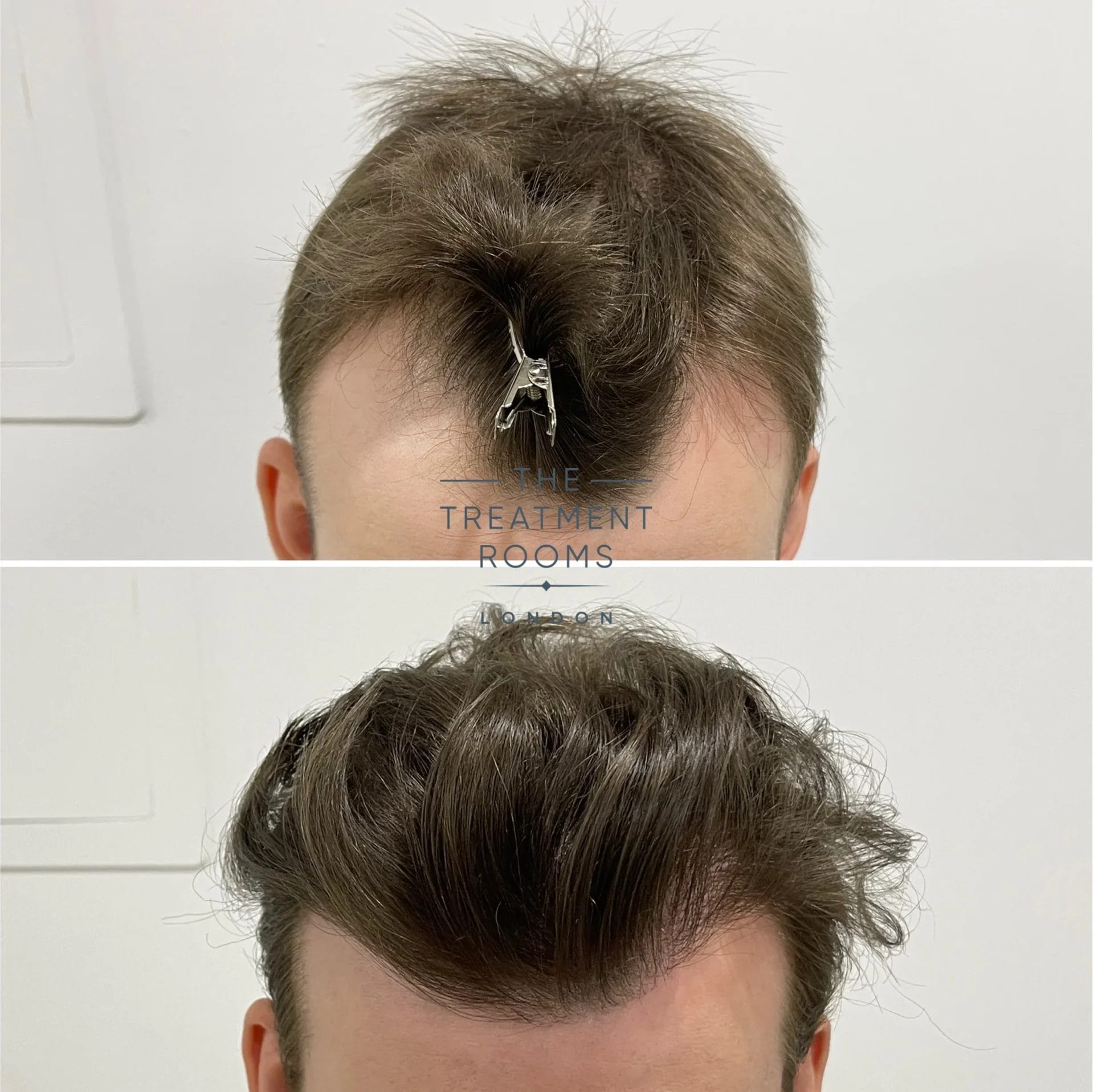
Pain After FUE Hair Transplantation
After your hair transplant, you will be given a recovery pack and instructions. Any pain you may feel will be easily managed with simple painkillers such as:
- Paracetamol
- Ibuprofen
- Co-codamol if required- particularly in patients who have had FUT hair transplant surgery
After surgery, most patients are pain-free and don’t require any further medications.
Our Surgeons will keep in contact with you regularly following your surgery. This means your recovery should go to plan, and if needed, you will have access to our specialist advice with our dedicated caretaker service.
Pain After FUT Hair Transplantation
After your FUT hair transplant, you may feel some pain in your donor site. This is a common occurrence and tends to worsen in the first two weeks post-procedure. At The Treatment Rooms London, we will provide you with codeine based medication to help alleviate this pain. As a side effect, this medication can make you feel itchy and can also make you feel constipated. If you experience issues with this tablet, please notify your surgeon.
Will pain affect my transplant?
Pain should not affect your hair transplant. If you have pain lasting longer than 28 days, you should contact your surgeon at your hair transplant clinic, who will want to assess you further.
Post hair transplant sensations and care
After surgery, it is normal for your scalp to feel numb in certain areas and sensitive in others. We find that these abnormal sensations can last a few weeks before returning to normal. Sometimes, we recommend specific lotions for the scalp to alleviate discomfort, especially if patients experience pain at night while lying on their donor area. Most of our patients can return to work within 10 days after a hair transplant, especially if the unshaven technique has been carried out.
Can you have a hair transplant without feeling any pain?
It is possible to undergo a hair transplant without feeling any pain apart from one injection. This is a technique called conscious sedation where you are put to a very drowsy state, reducing any anxieties. You are able to follow instructions but are unlikely to remember the injections being carried out to numb your scalp. We offer this service to our patients who have particular anxieties when it comes to a procedures and having injections.
Book a Consultation at The Treatment Rooms London
One of the most common questions we are asked by our male, female and transgender patients is whether having a hair transplant is painful. We can reassure patients during their one-on-one consultation with a Surgeon about the surgical process and how we go to great lengths to ensure their comfort during the procedure.
If you want to understand more about the procedure and how we can help you with your hair loss, don’t hesitate to get in touch with our hair transplant clinic today.
What level of discomfort can I expect in the week following a hair transplant?
In the first 2–3 days, you may experience:
- Mild soreness or tightness in the recipient and donor areas
- Swelling around the forehead and temples, tiny scabs around the grafts
Most patients manage this with over-the-counter pain relievers (e.g paracetamol or ibuprofen) and feel comfortable returning to light activities within 7 days. Any discomfort typically subsides by day 7–10.
References
3) Teoli and An, 2019. Transcutaneous Electrical Nerve Stimulation (TENS)
Share:
Authored by

Dr Roshan Vara
Dr. Roshan Vara is a renowned hair transplant surgeon in London and the Co-Founder of our award winning hair transplant clinic, The Treatment Rooms London.He has over 10 years of experience in hair transplant surgery and is recognised for delivering natural-looking results through ethical, patient-centred care. He is a Full Medical Member of BAHRS and an Associate Member of ISHRS, reflecting his commitment to the highest standards in modern hair restoration.
Reviewed by

Dr Dilan Fernando
Dr. Dilan Fernando is regarded as one of the best hair transplant surgeons in London and Co-Founder of The Treatment Rooms London. He has over 10 years of experience in hair transplant surgery and is known for his meticulous technique and commitment to ethical practice. He served on the Executive Committee of BAHRS from 2020 to 2024, helping to shape industry standards for patient safety and quality of care. Dr. Fernando personally performs each surgery, ensuring natural results built on trust and experience.
Book a Consultation
Related Blogs

Female Hair Transplant Guide
July 9, 2026
If you’re a female experiencing hair loss, you may be considering getting a female hair transplant. We…
Dr Vara featured on ITV’s This Morning
June 17, 2026
When ‘Nice Hair Transplant’ Isn’t The Compliment You Were Hoping For… When our repair surgery patient Shaun…

2026 World Cup Stars and Hair Transplant Speculation: 5 Footballers to Watch Out For
June 9, 2026
Key Takeaways As the 2026 FIFA World Cup approaches, some of football’s biggest names will once again…

A Guide To Double Crowns: What Are They?
June 5, 2026
Quick Summary of Double Crowns What is a Double Crown? The crown of your head refers to…
Finasteride and Its Side Effects: What You Need to Know
June 4, 2026
Quick Summary: Finasteride and Its Side Effects Finasteride for Hair Loss: Originally developed for prostate enlargement, Finasteride…
Minoxidil For Eyebrows – Does It Work?
June 3, 2026
Quick Summary: Eyebrows & Minoxidil Understanding Eyebrow Hair Loss: Eyebrow hair loss is commonly caused by over-plucking,…

30 Footballer Hair Transplant Transformations: All You Need to Know
May 22, 2026
Key Takeaways Visible transformations in footballers show that hair transplants can significantly improve the appearance of the…
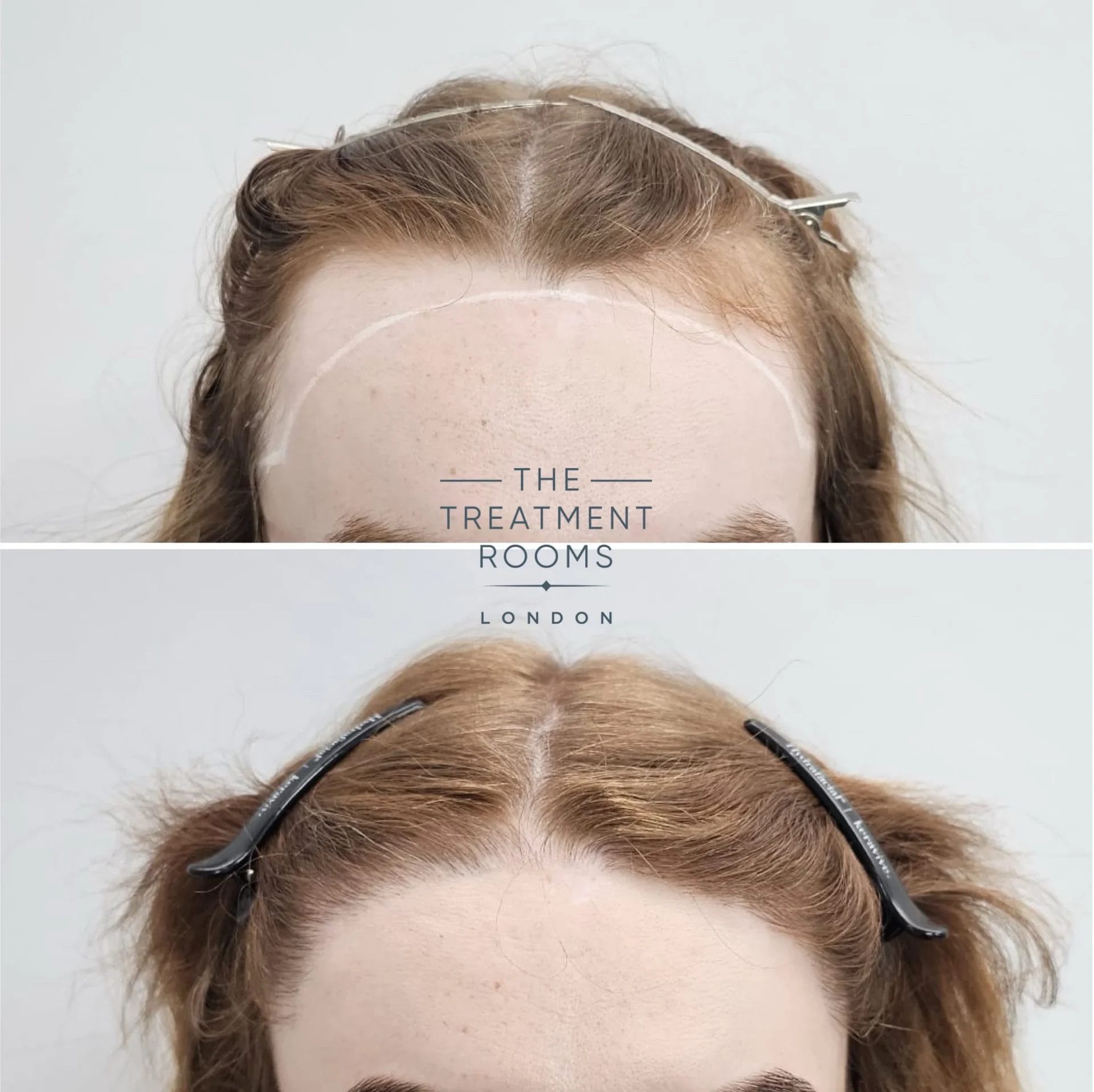
Can I Get a Hair Transplant While Using Testosterone Replacement Therapy(TRT)?
May 18, 2026
Key Takeaways Testosterone Replacement Therapy (TRT) is commonly prescribed for men with low testosterone, a condition called…

12 Hair Styles for Women With Thin Hair On The Crown
May 7, 2026
Key Takeaways: In this article, we’ll look at some of the best haircuts and practical hair-styling ideas…