

Quick Summary
Understanding Hair Loss: Eyebrow hair loss, clinically known as madarosis, can result from various causes including genetics, autoimmune disorders, hormonal imbalances, nutritional deficiencies, over-grooming, skin conditions, and medical treatments like chemotherapy.
About Eyebrow Hair Transplant Surgery: Ideal for restoring eyebrow fullness, this procedure uses the Follicular Unit Excision (FUE) method. This involves transplanting hair follicles from a donor area to the eyebrows, ensuring natural-looking results that enhance facial features.
Men’s Specific Needs: Men generally prefer a natural, straighter and subtly enhanced brow, which requires precise implantation to maintain a masculine appearance.
Aftercare: Your recovery is complete after 7-10 days, and full results are visible within 6-12 months.
Alternatives: Before and after a transplant, you can explore other treatments, such as topical Minoxidil, supplements, microneedling, or tattooing, to enhance eyebrow density.
Eyebrows are not just prominent facial features; they are crucial in expressing our emotions and shaping our facial identity.
Understandably, the thinning or loss of eyebrows due to ageing, overplucking, or conditions such as burns, diseases, or trauma can be distressing. In this article, we will explore how men can undergo a hair transplant for their eyebrows.
Understanding Eyebrow Hair Loss
In clinical terms, the loss of eyebrow and eyelash hair is specifically referred to as ‘madarosis.’ It is essential to identify the exact cause of hair loss to treat it effectively. The currently known leading causes of madarosis include:
- Genetics: Just like scalp hair loss, genetics can play a significant role in eyebrow hair loss, affecting both men and women.2
- Autoimmune Disorders: Conditions like Alopecia Areata target hair follicles, often leading to patchy eyebrow hair loss.2 This condition can be particularly distressing for men as it may result in completely bald patches coupled with eyebrow/eyelash hair loss, unlike the more diffuse thinning seen with androgenetic alopecia.
- Hormonal Changes: Thyroid imbalances, including hyperthyroidism and hypothyroidism, can lead to thinning eyebrows3,4. This symptom is common among individuals experiencing thyroid issues, regardless of gender. Managing the underlying thyroid condition often helps improve hair density, including restoring normal eyebrow growth.
- Nutritional Deficiencies: Insufficient intake of key nutrients like vitamins A, B, C, D, E, iron, and zinc can lead to eyebrow hair loss.5 Men, in particular, might face these deficiencies if their diets are high in processed foods and low in variety due to lifestyle choices or other health conditions.
- Over-Grooming: Over-plucking or waxing can cause trauma to eyebrow follicles, leading to permanent damage over time, known as traction alopecia.2 While more common in women, men who groom their eyebrows can also experience similar issues.
- Skin Conditions: Skin issues such as eczema, psoriasis, and dermatitis can cause itchy, flaky skin that inflames the area around the eyebrow, thereby affecting hair growth.2 Men, who may not use as many protective or moisturising skincare products as women, can find these conditions particularly challenging to maintaining healthy eyebrow hair.
- Ageing: As we age, the natural thinning of hair affects not only the scalp but also the eyebrows. Hair follicles gradually produce thinner, lighter, and less dense hair, contributing to a less defined appearance of the eyebrows.2,6 The hair that does grow might also become coarser and more wiry, which can make the eyebrows appear less complete.
- Chemotherapy and Radiotherapy: These cancer treatments can cause significant hair loss across the body, including the eyebrows.7
Who is a Candidate for an Eyebrow Hair Transplant?
Virtually anyone looking to enhance the fullness of their eyebrows is a candidate for this procedure, though it also typically depends on healthy donor sites.
It is important to note that men who have suffered eyebrow hair loss due to alopecia areata are not candidates for an eyebrow hair transplant. This is because the body’s immune system may also attack the implanted hair, preventing it from growing.
What is an Eyebrow Hair Transplant?
An eyebrow hair transplant is a surgical procedure to restore or enhance eyebrow density. It’s considered when non-invasive methods, such as topical treatments (e.g., minoxidil), have not been effective. At The Treatment Rooms, we opt for the Follicular Unit Excision (FUE) method for eyebrow hair transplantation. This technique involves extracting individual hair follicles from the donor area—typically above the ears or the back of the scalp—and carefully transplanting them to the eyebrow area. This allows the surgeons to select and place individual hair grafts (1-4 follicles) to achieve the desired eyebrow density and direction.
What to Expect During an Eyebrow Hair Transplant
- Consultation: You’ll begin with a virtual consultation with one of our expert surgeons, followed by an in-person meeting as needed. This initial discussion helps us understand your concerns and expectations, and it’s a perfect opportunity for you to ask questions and clarify any doubts about the procedure. Our surgeons are dedicated to ensuring you feel confident and informed every step of the way.
- Pre-surgery: On the day of your surgery, you’ll receive a detailed briefing about what to expect. We’ll outline the donor and recipient sites and prepare you for surgery by providing you with the necessary medications, such as painkillers, antibiotics and local anaesthetic to ensure your comfort. Our team will then trim the hair in the donor area to the appropriate length for efficient extraction of hair follicles.
- During the surgery:
- Incisions: Our skilled surgeons begin by making tiny incisions in the eyebrow area, which define the future density and shape of your eyebrows.
- Extraction: Healthy follicles are extracted from donor sites, typically the back of your head or around the ears, and occasionally from the beard or leg.
- Implantation: Using advanced implanter pens, our surgeons, assisted by skilled technicians, will implant the follicles into the incisions. This precise placement ensures the grafts grow in the correct direction, blending seamlessly with your natural eyebrows for a look that enhances your facial features.
Just like the hair transplants we perform on the scalp, eyebrow transplants follow a similar process using the Follicular Unit Extraction (FUE) method.
Unshaven Eyebrow Transplant
We can also perform an eyebrow hair transplant without shaving. You will likely need to shave some part of your donor area to facilitate surgery. However, we can leave hair long in the eyebrow area whilst implanting new hair. This will allow you to go back to work and social life more quickly after surgery.
Male eyebrow hair transplants vs female eyebrow hair transplants
In terms of eyebrow transplantation, men typically opt for a more natural, less defined, flatter brow than women. It’s all about the details—the angle and direction of each hair implant play a considerable role in maintaining a masculine appearance. Our surgeons excel at crafting eyebrows that not only complement your facial features but also align perfectly with your personal style and preferences.
Aftercare For Eyebrow Hair Transplants
Post-procedure care is minimal but crucial for the best outcomes. Patients may experience some swelling and redness, which typically subsides within a few days. The transplanted hair will initially fall out but begins to grow back over several months, with final results visible within 6-12 months.
Key Aftercare Tips:
- For the first 4 days after treatment, avoid touching your eyebrows to prevent irritation or infection.
- Hydration: We will provide a saline solution to spray on your eyebrows for the initial four days to keep the area hydrated and promote healing.
- Gentle Washing: After the first four days, you may wash your face and eyebrows. Remember to gently pat the area dry; do your very best not to rub.
- Swelling Management: If there is any swelling/redness, apply ice to the area above the eyebrows for 20 minutes to reduce it. This is especially helpful in the first few days.
- Sleeping Position: Sleeping on your back with your head elevated during the first week can help minimise the swelling.
- Sun Protection: Wearing a hat when outdoors will help protect your eyebrows from sun exposure for at least two weeks after the procedure.
- Avoid Swimming: Stay out of pools for four weeks to prevent chlorine exposure, which can irritate the treated area.
For further guidance on the recovery process, read our dedicated hair transplant aftercare and recovery guide. Following these steps will help ensure the best possible outcome for your eyebrow transplant.
Alternatives to Eyebrow Hair Transplant Surgery
Noticing your eyebrows thinning can be unsettling. To understand what might be causing this change, we recommend starting with our detailed blog on eyebrow hair loss, which explores potential causes and offers insights into your specific situation.
Consult a Professional: We strongly recommend seeing a healthcare professional if you’re experiencing hair loss. Whether it’s your GP, a dermatologist, or one of our specialised hair surgeons, getting expert advice is crucial. Treating and managing any underlying causes of eyebrow hair loss is one of the main things to try and do before considering more invasive solutions like an eyebrow transplant.
Initially treatment options people consider are:
- Minoxidil: This topical medication is often used to stimulate hair growth on the scalp and can be applied to the eyebrows to enhance thickness.
- Hair Growth Supplements, Essential Oils and Serums: Products such as biotin supplements, natural oils (like castor oil), and, more recently, peptide-based serums can nourish hair follicles and promote healthier growth.
- Microneedling and Eyebrow Tattooing: If you’re looking for cosmetic enhancements, microneedling can rejuvenate the skin and improve hair density. At the same time, eyebrow tattooing can offer a more permanent solution for reshaping and filling in the eyebrows.
Below is a table summarising the available treatment for eyebrow hair loss depending on the underlying cause2:

Conclusion
Men considering an eyebrow transplant will find that modern techniques can offer significant aesthetic and psychological benefits. Whether addressing hair loss or enhancing facial features, a well-executed eyebrow transplant can be transformative, if you are considering an eyebrow hair transplant and would like some guidance, please don’t hesitate to contact us. You might also find our blogs on eyebrow hair transplant surgery helpful:
- How Does An Eyebrow Hair Transplant Work?
- How Much Does An Eyebrow Transplant Cost?
- Eyebrow Hair Transplant Surgery at TTR
Get in Touch
Curious about FUE hair transplant solutions? Secure your no-obligation call with our London hair transplant clinic.
Our award-winning team, including leading London hair transplant surgeons Dr Dilan Fernando and Dr Roshan Vara, is here to support you every step of the way.
References
- Forneris Crego, A. L., Therianou, A., Hashemi, P., & Higgins, C. A. (2022). A catena between psychiatric disorders and non-scarring alopecias-A systematic review. Skin health and disease, 3(3), e194. https://doi.org/10.1002/ski2.194
- Nguyen, B., Hu, J. K., & Tosti, A. (2023). Eyebrow and Eyelash Alopecia: A Clinical Review. American Journal of Clinical Dermatology, 24(1), 55–67. https://link.springer.com/article/10.1007/s40257-022-00729-5
- van Beek, N., Bodó, E., Kromminga, A., Gáspár, E., Meyer, K., Zmijewski, M. A., Slominski, A., Wenzel, B. E., & Paus, R. (2008). Thyroid hormones directly alter human hair follicle functions: anagen prolongation and stimulation of both hair matrix keratinocyte proliferation and hair pigmentation. The Journal of clinical endocrinology and metabolism, 93(11), 4381–4388. https://doi.org/10.1210/jc.2008-0283
- McDougall S. How To Spot And Treat Thyroid Related Hair Loss [Internet]. The Independent Pharmacy. 2024. Available from: https://www.theindependentpharmacy.co.uk/hair-loss/guides/how-to-spot-and-treat-thyroid-related-hair-loss
- Guo, E. L., & Katta, R. (2017). Diet and hair loss: effects of nutrient deficiency and supplement use. Dermatology practical & conceptual, 7(1), 1–10. https://doi.org/10.5826/dpc.0701a01
- Villani, A., Ferrillo, M., Fabbrocini, G., Ocampo-Garza, S. S., Scalvenzi, M., & Ruggiero, A. (2022). Hair Aging and Hair Disorders in Elderly Patients. International journal of trichology, 14(6), 191–196. https://doi.org/10.4103/ijt.ijt_90_21
- Smith, K., Winstanley, J., Boyle, F., O’Reilly, A., White, M., & Antill, Y. C. (2018). Madarosis: a qualitative study to assess perceptions and experience of Australian patients with early breast cancer treated with taxane-based chemotherapy. Supportive care in cancer : official journal of the Multinational Association of Supportive Care in Cancer, 26(2), 483–489. https://doi.org/10.1007/s00520-017-3852-z
Share:
Authored by
Dr Roshan Vara
Dr. Roshan Vara is a renowned hair transplant surgeon in London and the Co-Founder of our award winning hair transplant clinic, The Treatment Rooms London.He has over 10 years of experience in hair transplant surgery and is recognised for delivering natural-looking results through ethical, patient-centred care. He is a Full Medical Member of BAHRS and an Associate Member of ISHRS, reflecting his commitment to the highest standards in modern hair restoration.
Reviewed by
Dr Dilan Fernando
Dr. Dilan Fernando is regarded as one of the best hair transplant surgeons in London and Co-Founder of The Treatment Rooms London. He has over 10 years of experience in hair transplant surgery and is known for his meticulous technique and commitment to ethical practice. He served on the Executive Committee of BAHRS from 2020 to 2024, helping to shape industry standards for patient safety and quality of care. Dr. Fernando personally performs each surgery, ensuring natural results built on trust and experience.
Book a Consultation
Related Blogs

A Guide to the Norwood Hamilton Scale: Understanding Hair Loss Stages
October 19, 2026
Key takeaways: The Norwood scale (also known as the Hamilton-Norwood scale) is the main classification system used…
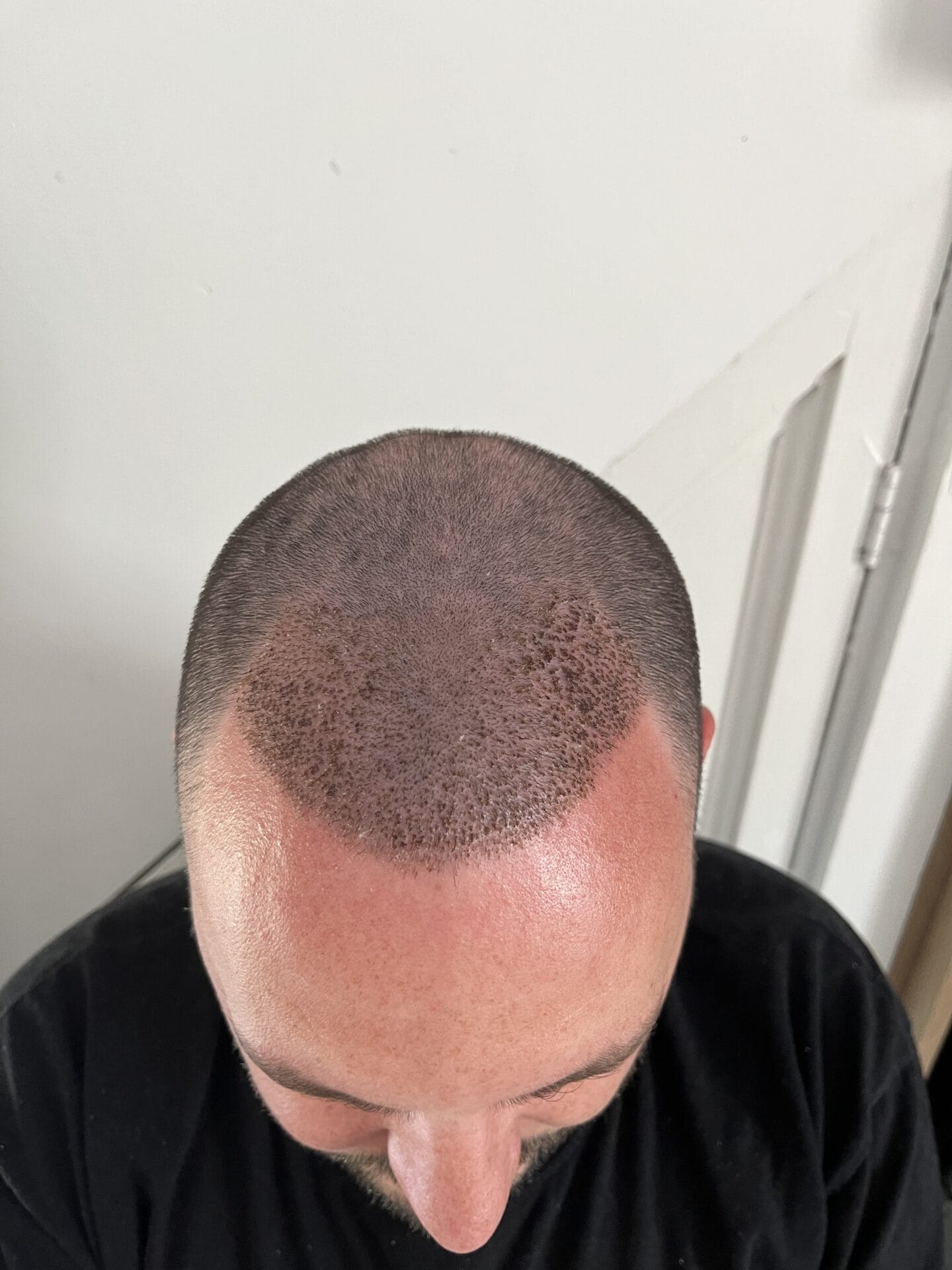
When Do Scabs Fall Off After Having a Hair Transplant?
October 17, 2026
Key takeaways: Scabs will form immediately after having a hair transplant and should wash away after 7-10…
What Happens If You Stop Using Minoxidil
October 13, 2026
Key Takeaways: If you’ve been consistently applying minoxidil to support your hair growth and have been doing…

Hair Transplant After 7 Days: What To Expect
October 9, 2026
Key takeaways: 7 days after your hair transplant, you can expect to see the scabs in your…

Minoxidil Side Effects: What to Expect, Risks, and How to Manage Them
October 9, 2026
Key takeaways Medications are often a first step people take when tackling pattern baldness. They can help…
What Is A Hair Graft In A Hair Transplant?
October 7, 2026
Key takeaways: What is a Hair Graft in a Hair Transplant? Hair loss can be a distressing…

Widow’s Peak Hair Transplant for Women: Everything You Need to Know
October 6, 2026
Key takeaways: There is no absolute definition of a widow’s peak in women. It is often based…

Has Steve Carell Had a Hair Transplant? What the Evidence Really Shows
October 6, 2026
Key Takeaways Steve Carell is arguably one of the most liked and versatile actors of his generation….

When Can You Drink Alcohol After Your Hair Transplant?
October 6, 2026
Key takeaways: It’s common for our patients to ask us when it is okay to resume drinking…