

Male pattern or female pattern baldness, also known as androgenetic alopecia (AGA), are types of hair loss caused by the hormone dihydrotestosterone (DHT). To help treat these conditions, male patients primarily, can be prescribed Finasteride which strongly reduces the DHT level in the body and is effective at preventing hair loss. However, some patients may wish to take natural DHT blockers which may not strongly reduce the DHT level but do so in a subtle way that could help prevent their hair loss. Saw Palmetto has some evidence to suggest it can work as a natural DHT-blocking supplement.
In this article, we will examine how effective saw palmetto is in the treatment of AGA as well as how it works, its risks, and how it compares to more traditional treatment options.
What Causes Pattern Baldness in Men and Women?
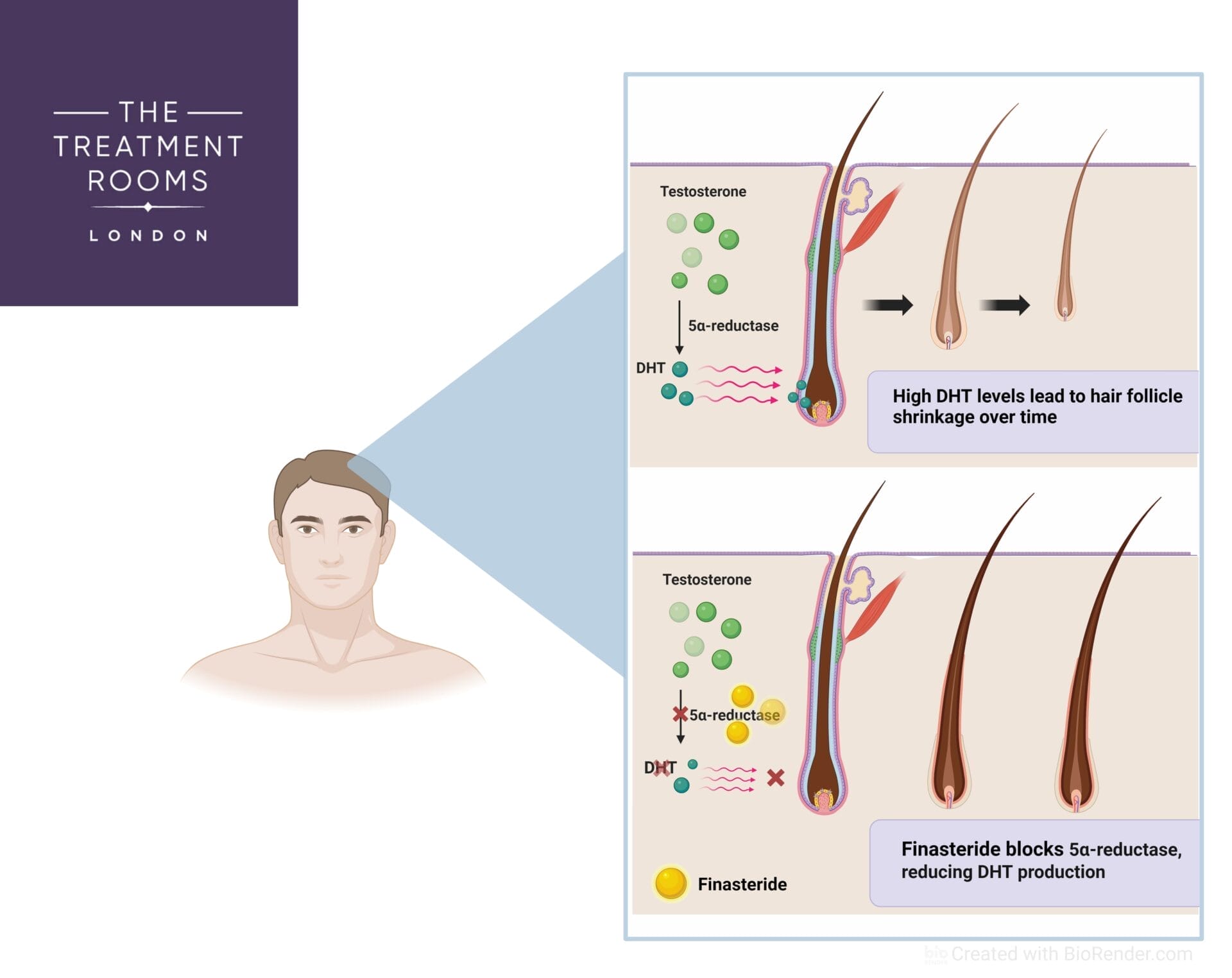
Androgenetic alopecia is a common genetic condition characterised by progressive damage to hair follicles, leading to hair thinning and hair loss. Hair follicles are miniaturised by the hormone dihydrotestosterone (DHT). While DHT is an important hormone for the development of male sexual characteristics, after adolescence it can cause hair loss as in those who are genetically susceptible.
DHT disrupts the hair growth cycle, leading to a shorter growth phase (anagen) and worsening shedding over time. It typically causes hair loss in the hairline, temple and crown in men and can cause hair loss in the parting in women. These patterns of hair loss are depicted in the Norwood scale and Ludwig scales.

Conventional Treatments For Male and Female Patterned Hair Loss
The licensed and effective medications for male and female patterned hair loss include:
Finasteride: a ‘DHT-blocker’ medication that reduces the levels of DHT within the body, thereby reducing hair loss. This is often not prescribed to women who are planning on having children as it can cause issues with foetal development. You can read more in this guide: Finasteride for women
Minoxidil: a medication that acts like an energy drink for the hair and boosts growth by lengthening the anagen phase. It can be taken by both male and female patients.
Platelet-Rich Plasma (PRP): a more invasive treatment option which involves taking a sample of a patient’s blood, concentrating the platelets within it (which are rich in growth factors) and re-injecting this solution back into the scalp. The growth factors released by the platelets are thought to activate hair follicles and enhance growth.
What is Saw Palmetto?
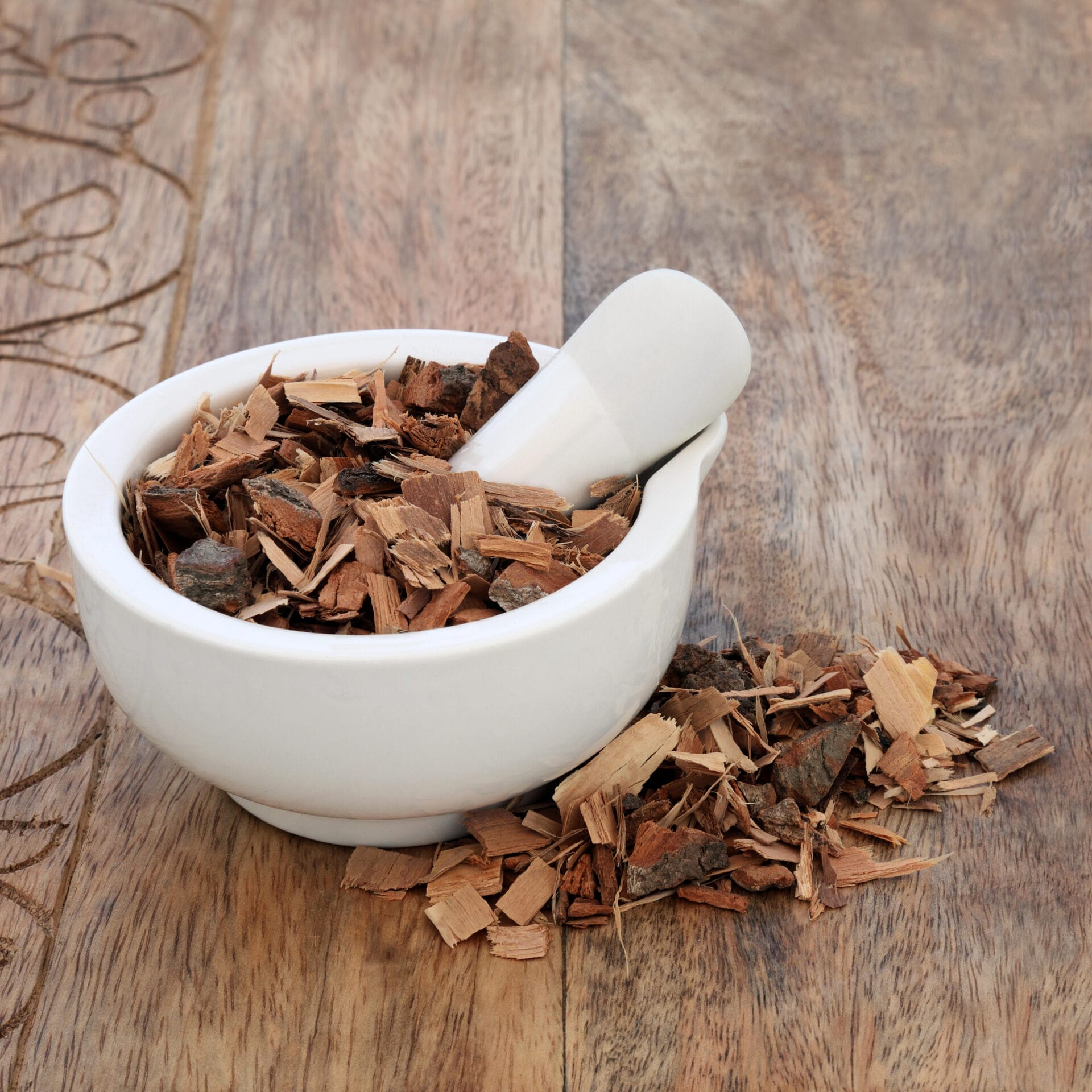
Saw palmetto (Serenoa repens) is a dwarf palm tree native to the southeastern United States. It was previously well known for its berries, which are used to make supplements. This plant contains ‘DHT-blocking’ compounds, such as phytosterols, flavonoids, and fatty acids, which have been found to reduce DHT levels in the scalp mildly. By lowering DHT, this plant can help with hair loss, similar to how Finasteride works.
Saw Palmetto vs Finasteride
As Finasteride is a synthetic medication produced to lower DHT levels, it is stronger and has a quicker effect when compared to Saw Palmetto. Despite this, saw palmetto can still provide minimal benefits, which can help manage mild hair loss. In the table below we examine their main differences.
| Feature | Saw Palmetto | Finasteride |
| Category | Natural supplement | Prescription drug |
| Effectiveness | Less potent; may work for mild cases | Clinically proven; more potent DHT blocker |
| Hair regrowth | Some potential but less consistent | More likely to stop hair loss and promote regrowth |
| Side effects | Milder: may include dizziness, headache, and digestive issues | Possible sexual side effects, rare mood changes |
| Best for | Mild hair loss, those wanting a natural option | Moderate to severe hair loss, those needing proven results |
Does Research Support Saw Palmetto for Hair Loss?
Some studies have shown that saw palmetto can improve hair density and reduce hair loss by blocking DHT to a mild extent. Here are a few examples of conducted trials:
Key Randomised Controlled Trials
In 2002, a randomised, double-blind, placebo-controlled pilot study was conducted using men aged 23–64 with mild to moderate AGA to compare 200 mg of oral saw palmetto (plus 50 mg β-sitosterol) twice daily to a placebo for ~21 weeks. Approximately 60% of treated men exhibited visible improvement in hair loss, compared to 11% in the placebo group.
Also, a 2012 study that compared 320 mg daily saw palmetto to 1 mg finasteride over 24 months in 100 men showed that 38% in the Saw Palmetto group had hair improvements, but mainly on the vertex, while 68% in the Finasteride group had hair growth improvement, indicating saw Palmetto to be less effective.
While these studies shave shown saw palmetto to be less effective, the supplement has better tolerance in patients with fewer side effects.
Systematic Reviews & Meta-Analyses
The effectiveness of topical and oral saw palmetto use in AGA and telogen effluvium was analysed in multiple randomised control trials and cohort studies through systematic reviews (e.g., a 2020 Karger review).
60% of users reported an improvement in quality of their hair, 27% reported increased hair growth, 83% experienced thicker hair density, and 52% reported a halt in the progression of AGA. Saw palmetto was markedly weaker than finasteride in stimulating the growth of the hair.
The studies were limited by their small sample size and duration. They frequently relied on a combination of supplements, which makes it difficult to determine the single effect of saw palmetto.
The evidence does suggest, however, that saw palmetto can reduce hair loss, although not as effectively as Finasteride.
Saw Palmetto Dose For Hair Loss
The standard recommended dose of Saw Palmetto is 160 mg twice daily or 320 mg once daily, taken with food. You can generally purchase this supplement from your local Pharmacy or health foods store.
How Long Does Saw Palmetto Take To work?
Patients can expect visible improvements in their hair loss within 6 to 12 months of regular use. While this supplement may be effective, results can vary on how the body absorbs it, as well as whether it’s taken alone or in combination with other treatments such as proven medications like minoxidil.
Is Saw Palmetto Safe?
For most patients, Saw Palmetto is safe medication to take. Mild side effects include diarrhoea, headache, fatigue, reduced libido, nausea, vomiting, and vertigo. If you suffer from any side effects, please stop Saw Palmetto and speak to your Doctor.
Can Women Take Saw Palmetto?
Taking Saw Palmetto is strongly discouraged in children, pregnant and breastfeeding women due to its potential association with birth defects.
How to Choose The Right Saw Palmetto Supplement
When considering saw palmetto for hair loss, keep these tips in mind to achieve safe, high-quality, and effective results.
Choose a High-Quality Supplement
Choose a standardised extract (85-95% fatty acids) which has undergone third-party testing in terms of safety and efficacy. It’s always best practice to verify that these supplements have certifications. In the UK, you can check for the THR (Traditional Herbal Registration) mark or brands that follow GMP standards. In the US, third-party certifications such as USP or NSF can help ensure quality.
Track Your Progress
Monitor hair density and shedding over time using clear photos or other tools, such as a dermascope with your hair loss Doctor. This will help you determine whether saw palmetto is effective for you.
Consult a Dermatologist if Needed
If there is no evident progress within 6-9 months or hair loss worsens, consult a dermatologist or trichologist for more specialist advice. They may assist in providing you with different or combined therapies.
Expert Opinion: Is Saw Palmetto Worth Trying?
Hair loss experts recommend saw palmetto to those who prefer a more natural solution than Finasteride. For some patients who have suffered side effects from Finasteride, taking Saw Palmetto may also be a reasonable option to help prevent hair loss.
“Finasteride remains the gold standard medical treatment recommended by doctors for Andogenetic Alopecia, but it is understandable when patients choose a gentler option like Saw Palmetto to start with.”
Dr. Dilan, Co-Founder and Surgeon at The Treatment Rooms London.
If you’re exploring your treatment options and thinking about getting a hair transplant to address your hair loss, feel free to get in touch and book an initial virtual consultation with our friendly team at The Treatment Rooms London. They will be able to guide you towards a suitable treatment option.
Saw Palmetto & Hair Loss FAQS
- How long does it take to see results with saw palmetto?
Typically, 6 to 12 months of regular use is required. - Is saw palmetto as effective as finasteride?
No, finasteride is stronger and more effective for most people. - What are the side effects of saw palmetto?
Common side effects include headaches, stomach upset, and dizziness. - Can I use saw palmetto in combination with minoxidil?
Yes, it’s safe and is often used in combination with MInoxidil for better results. - Should I take saw palmetto with food?
Yes, saw palmetto works best when taken with food, preferably healthy fats. - Are there any drug interactions with saw palmetto?
Yes, saw palmetto can increase the risk of bleeding if you are taking blood thinners. Also, if you’re already taking prescription DHT-blockers like finasteride, combining them with saw palmetto could potentially increase the chance of side effects, since both act on the same hormone pathway. We’d always recommend checking with your doctor or pharmacist before starting saw palmetto if you’re on other medications.
Conclusion
Saw palmetto is not a complete hair loss solution formula, but it can help slow hair loss in mild cases of androgenetic alopecia. With limited yet positive clinical evidence, it is a milder (though still effective) form of finasteride for those worried about side effects. When considering natural solutions, saw palmetto might be an essential addition to your hair care regimen, but with reasonable expectations and professional advice.
Get in Touch
Ready to elevate your hair restoration journey? Book a free consultation call with our London-based FUE hair transplant clinic.
Our award-winning team, including leading London hair transplant surgeons Dr Fernando and Dr Vara, are here to support you every step of the way.
References
Evron, E., Juhasz, M., Babadjouni, A. and Mesinkovska, N.A., 2020. Natural hair supplement: friend or foe? Saw palmetto, a systematic review of alopecia. Skin Appendage Disorders, 6(6), pp.329–337. Available at: https://doi.org/10.1159/000509905 [Accessed 11 Jul. 2025].
Ho, C.H., Sood, T. and Zito, P.M., 2023. Androgenetic Alopecia. In: StatPearls [Internet]. Treasure Island (FL): StatPearls Publishing. Available at: https://www.ncbi.nlm.nih.gov/books/NBK430924/ [Accessed 4 Jul. 2025].
Institute of Medicine and National Research Council, 2005. Appendix K: Prototype focused monograph—Review of anti-androgenic risks of saw palmetto ingestion by women. In: Dietary Supplements: A Framework for Evaluating Safety. Washington, DC: National Academies Press. Available at: https://www.ncbi.nlm.nih.gov/books/NBK216069/ [Accessed 1 July 2025].
Le, A., 2025. Saw Palmetto vs Finasteride. PonteVita Rx, 3 June. Available at: https://pontevitarx.com/saw-palmetto-vs-finasteride/ [Accessed 5 Jul. 2025].
Prager, N., Bickett, K., French, N. and Marcovici, G., 2002. Randomised, double-blind, placebo-controlled trial of oral saw palmetto in men with androgenetic alopecia. Journal of Alternative and Complementary Medicine, 8(2), pp.143–152.
Vergara, R., Fernández, L., Rodríguez, D., Pineda, A. and Valenzuela, F., 2012. Comparative efficacy of saw palmetto and finasteride in androgenetic alopecia: A randomised clinical trial. International Journal of Dermatology, 51(6), pp.688–694.
Share:
Authored by

Dr Roshan Vara
Dr. Roshan Vara is a renowned hair transplant surgeon in London and the Co-Founder of our award winning hair transplant clinic, The Treatment Rooms London.He has over 10 years of experience in hair transplant surgery and is recognised for delivering natural-looking results through ethical, patient-centred care. He is a Full Medical Member of BAHRS and an Associate Member of ISHRS, reflecting his commitment to the highest standards in modern hair restoration.
Reviewed by

Dr Dilan Fernando
Dr. Dilan Fernando is regarded as one of the best hair transplant surgeons in London and Co-Founder of The Treatment Rooms London. He has over 10 years of experience in hair transplant surgery and is known for his meticulous technique and commitment to ethical practice. He served on the Executive Committee of BAHRS from 2020 to 2024, helping to shape industry standards for patient safety and quality of care. Dr. Fernando personally performs each surgery, ensuring natural results built on trust and experience.
Book a Consultation
Related Blogs

Steve Carell Hair Transplant: Before, After, and His New Hairline Copy
March 2, 2026
Steve Carell, best known as Michael Scott in The Office, began sparking curiosity amongst fans when his…

What Is Nutrafol and Does It Really Work for Hair Growth?
February 24, 2026
Key Takeaways Hair thinning can feel frustrating and confusing. You might notice more hair falling out in…

Peppermint oil for hair growth: Evidence, Benefits, Uses & Safety
February 24, 2026
Key Takeaways What Is Peppermint Oil? Peppermint oil, also known as Mentha piperita oil, is an essential…

Why Winter Hair Loss Happens and All You Need to Know
February 6, 2026
Key Takeaways As temperatures drop and indoor heating kicks in, many people notice their hair feels drier,…

Can You Take Finasteride With Minoxidil For Hair Loss?
February 5, 2026
Key Takeaways Consistency Matters: Stopping treatment often leads to a recurrence of hair loss; ongoing medical guidance…
Does Finasteride Cause Erectile Dysfunction?
February 3, 2026
Key Takeaways Finasteride can cause erectile dysfunction in some men, but it isn’t common. Most men who…
What is a Hair Transplant? How it Works, Success Rate & What to Expect
February 2, 2026
Key Takeaways Cost: Varies from £3,000 to £10,000, depending on the number of grafts and the technique….

What Causes Hair Loss During Menopause?
February 2, 2026
Key Takeaways Many women notice increased hair shedding and thinning during menopause. This happens because hormonal changes…

Can a Norwood 7 Get a Hair Transplant? All You Need to Know
February 2, 2026
Key Takeaways Yes, someone with Norwood 7 hair loss may be able to have a hair transplant,…