

Quick Summary: Exercise & Hair Loss
Direct Exercise Factors: Contrary to some myths, the act of physically exercising does not directly cause hair loss. Being active can actually boost scalp health by improving blood flow and nourishing hair follicles for better growth.
Indirect Exercise Factors: While direct exercise-related hair loss is a myth, indirect factors like sweat buildup, nutritional deficiencies, stress from overtraining, and certain supplements can still affect hair health. Simple practices like regular scalp washing, balanced diets, and avoiding tight hair styling help mitigate these effects.
Research Insights: Surveys link intermittent exercise to more hair loss due to possible oxidative stress, while regular training throughout the week might protect against this oxidative stress. This highlights the complex role sustained exercise plays in hair health – and calls for more research to be done on this topic as well.
Key Takeaway: Active lifestyles support your overall well-being and hair health when balanced with mindful hair care and fitness practices. If you’re concerned about significant hair loss, our team at The Treatment Rooms can provide tailored advice and treatment options.
For many, the pursuit of fitness is not just about physical health but also about feeling confident and vibrant. However, some wonder if there is a link between their workout intensity and experiencing hair loss. In this article, we delve into whether exercise actually affects your hair, aiming to dispel myths and provide peace of mind to both fitness enthusiasts and those just starting their fitness journey.
The Connection Between Exercise and Hair Health
If you are seeking a quick answer on whether exercise leads to hair loss, the simple response is no—there’s yet to be any solid evidence directly linking exercise to hair loss. In fact, the consensus leans towards the opposite: regular, moderate-to-high intensity exercise enhances blood circulation to your scalp, providing hair follicles with more oxygen and the nutrients they need. This can actually encourage hair to grow healthily and protect against loss.
However, it is worth noting that some aspects of exercise might indirectly influence hair health, but don’t worry, these are generally manageable with straightforward solutions.
Let’s explore some insights from a large survey-based study which discovered a surprising link between exercise intensity and androgenetic alopecia (AGA), the most common type of hair loss. Here’s what they found1:
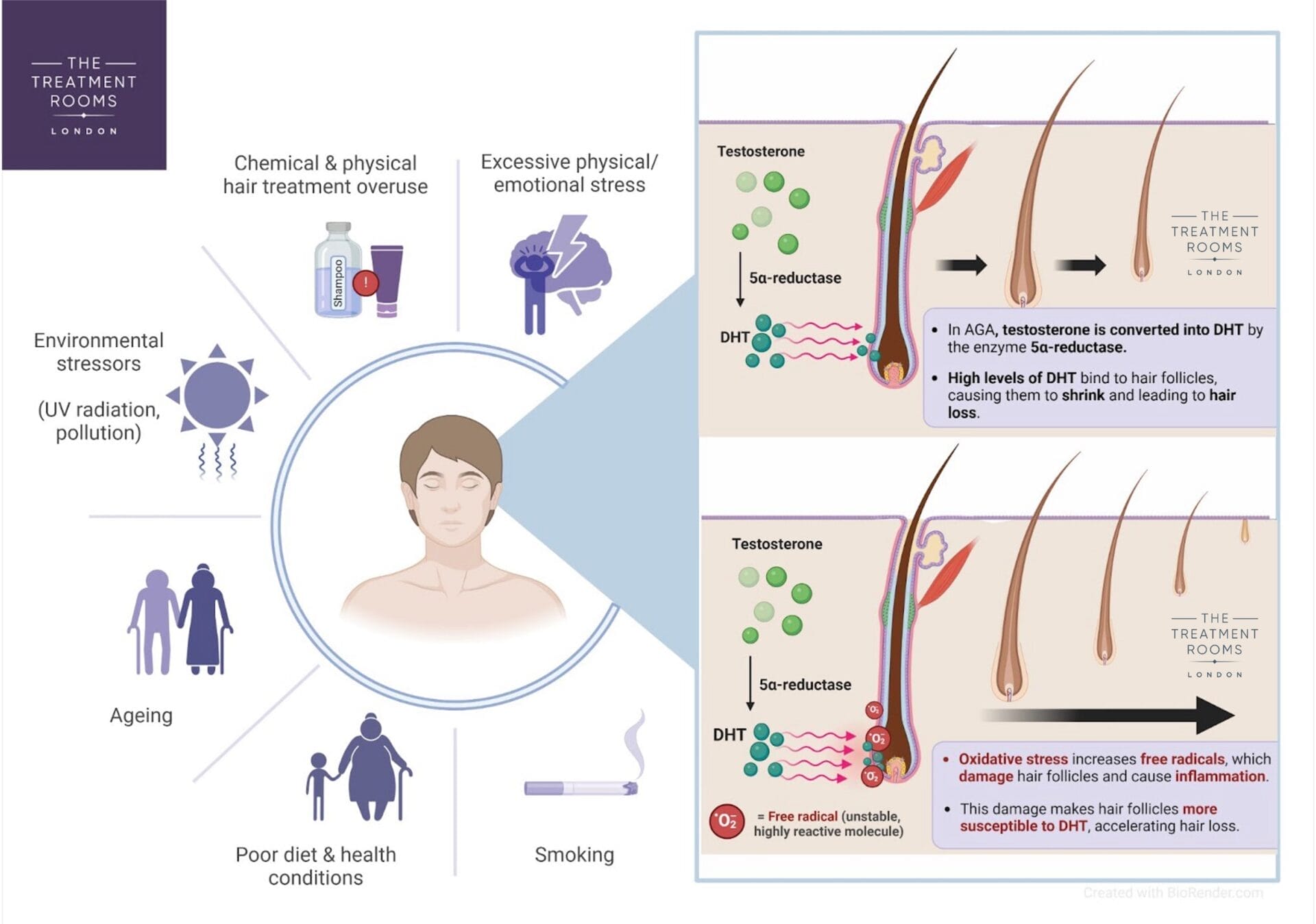
- Exercise Type and Oxidative Stress: Research suggests that oxidative stress damages hair follicles. This stress is potentially induced by low-intensity exercise, and interestingly enough, individuals with AGA were more likely to engage in low-intensity activities like walking for 30 mins/day, compared to those without hair loss.
- Intensity’s Role: Higher intensity exercise didn’t show the same link to AGA. In fact, studies suggest regular moderate-high exercise to be a protective factor against oxidative stress by activating the body’s antioxidant defence mechanisms2, hinting at a complex relationship between exercise and hair health.
- No Direct Cause: Importantly, the study doesn’t claim that low-intensity exercise causes hair loss or that avoiding exercise can prevent it. More research is needed to explore this relationship further.
Addressing The Potential Indirect Links to Hair Loss:
- Sweat and Scalp Care: Intense workouts mean more sweat, which can build up on the scalp and irritate hair roots. A simple fix is to thoroughly wash your hair after intense sweat sessions, allowing natural oils secreted during the workout to do their work for a short while. This approach helps keep your scalp clean without sacrificing the benefits of those natural oils.
- Your Diet: As we’ve emphasised in our blogs, a balanced diet is key to nourishing your hair from the inside out. Pushing hard in your workouts without eating right can leave your hair wanting more. Hair thrives on a diet rich in protein, vitamins, and minerals, so make sure your meals are as balanced as your workout routine to support hair growth.
- Stress and Your Hair: Exercise is great for easing stress, but pushing yourself too hard can have the opposite effect, increasing stress hormones like cortisol and potentially triggering telogen effluvium—a temporary form of hair shedding. Keeping your workout moderate is key.
- Your Workout Hairstyles: Tight hairstyles can strain your hair follicles over time, possibly leading to traction alopecia, a type of hair loss affecting your hairline. Consider looser hairstyles to keep your hairline intact.
- Supplements and Steroids: Seeking that extra edge with supplements or even steroids can backfire when it comes to hair health. These substances aim to build muscle by mimicking male hormones, which can also increase their masculinising effects. These can upset your testosterone levels, and if you’re genetically inclined towards androgenetic alopecia, this will likely speed up hair loss.3,4
Balancing Exercise and Hair Health
Regular exercise is not only safe but beneficial, so we wholeheartedly encourage our readers to embrace an active lifestyle. If concerns about hair health hold you back, rest assured that achieving fitness goals and maintaining hair health go hand in hand with the right care (as highlighted above).
The NHS provides helpful guidelines on exercise intensity levels to shape your routine. As long as you don’t overdo it, your daily workouts can actually support your journey towards better hair health and overall well-being!
Remember, if you experience significant hair loss, reaching out to your GP or specialists, such as our hair transplant clinic, is key to identifying the root cause and finding the right treatment. Options could range from medications like Minoxidil or Finasteride to procedures such as hair transplant surgery, depending on your specific needs.
At The Treatment Rooms, we aim to educate our patients with the knowledge on how to balance their lifestyles with good hair care.
Conclusion
The idea that exercise itself leads to hair loss doesn’t hold much weight. Actually, keeping active is good for your overall health and your hair’s health, too. If you take care of the indirect factors that might impact your hair during your fitness journey, you can reap the rewards of being active without fretting over hair loss. Embrace your fitness journey with confidence, knowing that it contributes positively to both your physical and hair health.
References
- Choi, J., Jun, M., Lee, S., Oh, S. S., & Lee, W. S. (2017). The Association between Exercise and Androgenetic Alopecia: A Survey-Based Study. Annals of dermatology, 29(4), 513–516. doi: 10.5021/ad.2017.29.4.513. Available from: https://www.ncbi.nlm.nih.gov/pmc/articles/PMC5500728/
- Parker, L., McGuckin, T. A., & Leicht, A. S. (2014). Influence of exercise intensity on systemic oxidative stress and antioxidant capacity. Clinical physiology and functional imaging, 34(5), 377–383. doi: 10.1111/cpf.12108. Available from: https://pubmed.ncbi.nlm.nih.gov/24283399/
- Singh, M., & Acharya, A. (2021). Overview and Algorithmic Approach to Management of Male and Female Pattern Hair Loss. Indian journal of plastic surgery: official publication of the Association of Plastic Surgeons of India, 54(4), 416–421. doi:10.1055/s-0041-1739256. Available from: https://www.ncbi.nlm.nih.gov/pmc/articles/PMC8719953/
- Pope, H. G., Jr, Wood, R. I., Rogol, A., Nyberg, F., Bowers, L., & Bhasin, S. (2014). Adverse health consequences of performance-enhancing drugs: an Endocrine Society scientific statement. Endocrine reviews, 35(3), 341–375. doi: 10.1210/er.2013-1058. Available from: https://www.ncbi.nlm.nih.gov/pmc/articles/PMC4026349/
- Oxidative stress’s impact on hair follicles is illustrated using BioRender.com
Share:
Authored by

Dr Roshan Vara
Dr. Roshan Vara is a renowned hair transplant surgeon in London and the Co-Founder of our award winning hair transplant clinic, The Treatment Rooms London.He has over 10 years of experience in hair transplant surgery and is recognised for delivering natural-looking results through ethical, patient-centred care. He is a Full Medical Member of BAHRS and an Associate Member of ISHRS, reflecting his commitment to the highest standards in modern hair restoration.
Reviewed by
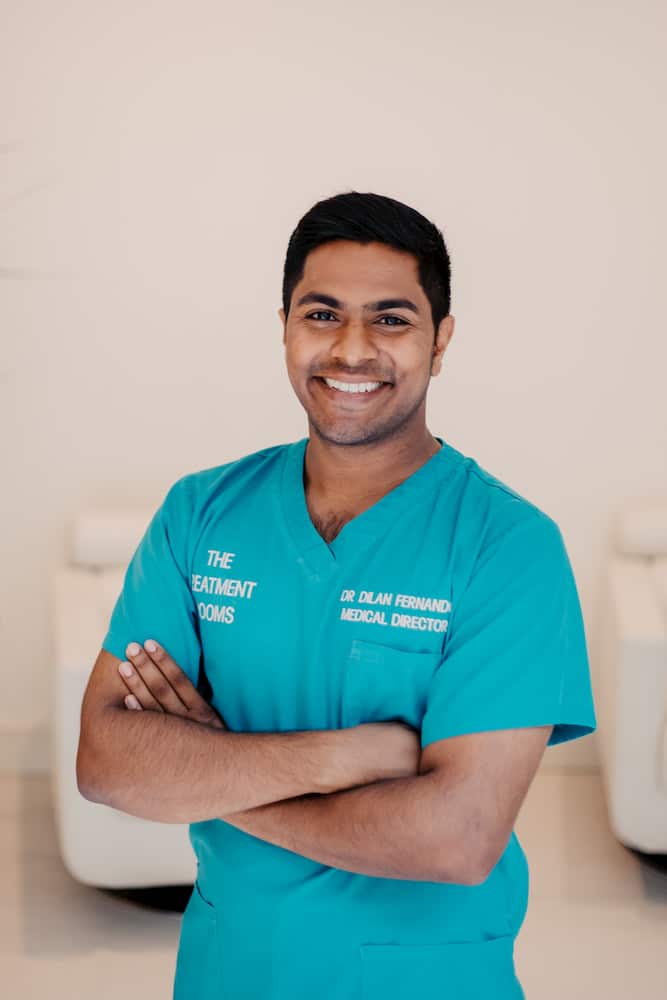
Dr Dilan Fernando
Dr. Dilan Fernando is regarded as one of the best hair transplant surgeons in London and Co-Founder of The Treatment Rooms London. He has over 10 years of experience in hair transplant surgery and is known for his meticulous technique and commitment to ethical practice. He served on the Executive Committee of BAHRS from 2020 to 2024, helping to shape industry standards for patient safety and quality of care. Dr. Fernando personally performs each surgery, ensuring natural results built on trust and experience.
Book a Consultation
Related Blogs
Dr Vara featured on ITV’s This Morning
June 17, 2026
When ‘Nice Hair Transplant’ Isn’t The Compliment You Were Hoping For… When our repair surgery patient Shaun…

2026 World Cup Stars and Hair Transplant Speculation: 5 Footballers to Watch Out For
June 9, 2026
Key Takeaways As the 2026 FIFA World Cup approaches, some of football’s biggest names will once again…

A Guide To Double Crowns: What Are They?
June 5, 2026
Quick Summary of Double Crowns What is a Double Crown? The crown of your head refers to…
Finasteride and Its Side Effects: What You Need to Know
June 4, 2026
Quick Summary: Finasteride and Its Side Effects Finasteride for Hair Loss: Originally developed for prostate enlargement, Finasteride…
Minoxidil For Eyebrows – Does It Work?
June 3, 2026
Quick Summary: Eyebrows & Minoxidil Understanding Eyebrow Hair Loss: Eyebrow hair loss is commonly caused by over-plucking,…

Does Drinking Alcohol Cause Hair Loss?
June 1, 2026
Key Takeaways Alcohol has been linked to hair loss in several studies, but the evidence is more…

30 Footballer Hair Transplant Transformations: All You Need to Know
May 22, 2026
Key Takeaways Visible transformations in footballers show that hair transplants can significantly improve the appearance of the…
Can I Get a Hair Transplant While Using Testosterone Replacement Therapy(TRT)?
May 18, 2026
Key Takeaways Testosterone Replacement Therapy (TRT) is commonly prescribed for men with low testosterone, a condition called…
Can A Vegan Or Vegetarian Diet Cause Hair Loss?
May 15, 2026
Key Takeaways In most cases, diet-related hair loss is reversible. However, persistent, patterned, or unexplained hair loss…