

Are you experiencing hair shedding or hair loss? Both hair loss and hair shedding are a natural part of life; but what’s the difference between shedding and hair loss, and when should you seek treatment?
Is it just normal shedding or a more serious condition? The distinction is necessary to make the appropriate strides toward healthier hair.
In this article, we discuss the difference between hair shedding and hair loss, the reasons behind their occurrence, and when to seek professional treatments.
What is Hair Shedding?
It’s important to note that the loose hairs we encounter on our pillows, clothing and combs, are entirely normal. Hair shedding is part of the hair growth cycle, and it never stops. There are over 100,000 hair follicles on the human scalp, and they are all in one of three phases in a four-phase cycle which we will cover in the hair shedding cycle section.
There is a difference between normal hair shedding and hair shedding that is excessive or pathological. Excessive hair shedding has several potential causes, including:
- Hair shedding following stress or shock
- Hair shedding due to androgenic alopecia
- An autoimmune condition, such as lichen planopilaris
What Is the Difference Between Hair Shedding and Hair Loss?
Hair shedding is a regular part of the hair growth cycle. Every day, we lose an average of 50 to 100 hairs as new hair grows to replace old strands. This shedding of hair is referred to as exogen, the last phase of the hair growth cycle.
Hair loss, however, is characterised by some imbalance in the hair growth cycle. For example, hair is falling out quicker than it can regrow in large quantities, which causes visible thinning, bald spots and receding hairlines.
Why Am I Suddenly Shedding More Hair?
A variety of factors can initiate sudden, increased hair shedding. This type of hair loss is known as telogen effluvium and is usually caused by the following:
1. Stress: Emotional stress or physical stress may push hair follicles into the resting phase (telogen) earlier than usual, resulting in clumps of hair falling out or more hair noticed in the shower drain for example.
2. Hormonal changes: During pregnancy, childbirth, menopause, or hormonal conditions of the thyroid gland, the hair growth cycle can become disturbed, resulting in hair loss.
3. Nutritional Deficiencies: Hair requires nutrients to remain strong and thick. A lack of protein, iron, or some essential vitamins such as biotin and vitamin D can make hair more fragile and prone to breakage or shedding.
4. Medical Conditions: Illnesses such as infections, autoimmune diseases, or therapies like chemotherapy and radiotherapy can damage hair follicles.
5. Medications: Hair loss is a side effect of drugs that are used to treat conditions like blood pressure, depression, or arthritis.
6. Hair Styling Habits: Use of tight hairstyles, chemicals, and overexposure of hair to heat can make hair fragile and prone to shedding.
To restore the natural growth pattern of hair, it is essential to identify and address the underlying cause of the issue.
Can Stress or Lack of Sleep Cause Hair Shedding?
Yes. Chronic stress increases the level of the hormone cortisol, which may prompt a larger number of hair follicles to leave the growth phase (anagen) and enter the resting phase (telogen). On the same note, a lack of good sleep impacts the body’s ability to repair and regenerate its cells, which indirectly results in hair shedding.
Is Hair Shedding Reversible or Permanent?
Stress, hormonal changes, or the change of seasons usually cause disruption of hair shedding that can be restored. Growth can improve once the process that causes it is addressed. Hair loss caused by diseases such as androgenetic alopecia is progressive and can be treated through medical prescriptions and surgical operations, such as hair transplants.
What Are Some Signs That Shedding Has Become Hair Loss?
Here are some warning signs that your shedding is becoming more permanent hair loss:
1. Widening part or thinning hair: If your hair becomes visibly and noticeably thinner, this is a sign of hair loss.
2. Over-shedding: If you are losing more than 100 hairs per day for more than six months, this is a sign of hair loss.
3. Receding hairline: Most commonly in men, a noticeable sign of hair loss is when the hairline begins to recede backwards or thin in the crown region of the head.
Other signs include slow hair growth and changes in hair texture.
What Causes Hair Loss vs Hair Shedding?
Hair shedding is a normal process that is influenced by various factors, including stress, nutrient deficiencies, seasonal conditions, and hair care products. Hair loss denotes an interruption of the normal hair growth cycle.

Causes Of Hair Loss:
- Genetics: Genetics can play a significant role in hair loss.
- Hormonal Change: Hormonal shifts during pregnancy, menopause, or a thyroid issue may also give rise to hair loss.
- Medical Reasons: Medical conditions can also trigger hair loss, including autoimmune diseases or even infections.
- Medications and Therapies: Hair loss can also be a result of treatments such as chemotherapy and radiotherapy. Certain medications and supplements (blood pressure medicines, gout medicines, and high doses of vitamin A).
- Stress: Stress may precipitate hair loss, whether physical or psychological.
- Nutritional deficiencies: Low intakes of nutrients like iron, protein and vitamin D can result in hair loss.
How Do I Test if It’s Hair Loss or Shedding at Home?
At home, you can use a hair pull test and a comb test to determine whether you are losing your hair or just shedding as usual.
Hair Pull Test
Take a fine lock of your hair between your fingers (about 40-60 strands) as near to the scalp as can be done. Then pull gently but evenly away from the scalp. The number of hairs that pull out should be counted. 2-5 hairs would be a normal outcome, and anything above that may be a sign of hair loss.
Comb Test
Comb your hair from the front of the head to the back and count the number of dislodged hairs on the comb. The normal shedding of hair is 10-15 strands per day, with anything more a sign of hair loss.
When Should I See a Doctor or Dermatologist?
The following are reasons to consult a professional:
- You are shedding (or losing) more than 100 hairs every day.
- You can see thinning of the hair or recession in the hairline
- Your scalp is itchy, swollen, or painful
- Family history of baldness
The root cause can be diagnosed by a family physician, dermatologist or a trichologist to direct treatment measures.
Can Lifestyle Changes Help Reduce Shedding or Prevent Hair Loss?
Yes, healthy habits may foster hair growth in addition to reducing shedding. Eat nutritious foods, reduce stress, get enough sleep, and avoid harsh hair regimes. Stop smoking, reduce your alcohol consumption, and protect your hair from sun damage.
Such minor adjustments could make a big difference. That being said, when hair loss becomes a serious issue, it is time to consult a specialist.
What Treatments Work for Shedding vs Hair Loss?
Treatment of hair shedding and hair loss depends on the cause and typically involves a combination of topical and systemic medications, lifestyle modifications, and, in some cases, surgery.
Treatment for Hair Shedding
Although hair shedding frequently vanishes without care needed, here are some lifestyle measures to manage hair loss at home:
- Supplements like iron or biotin are helpful when a deficiency is identified.
- Stress management by relaxation techniques
- Other lifestyle adjustments include adequate sleep and eating a nutritious diet.
Treatments for Hair Loss are as follows:
Minoxidil: extends the growth phase of hair follicles, which can slow down hair loss
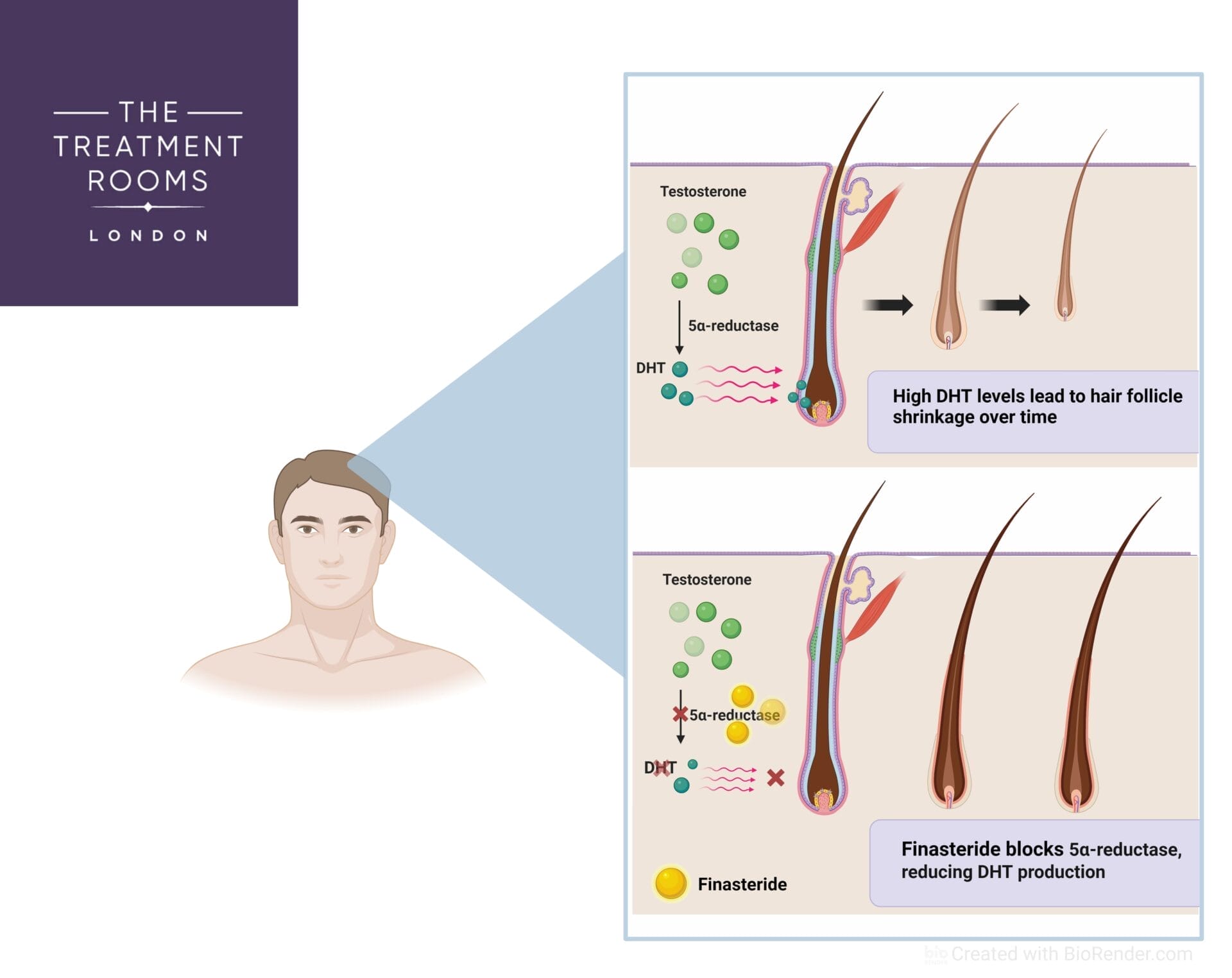
Finasteride: blocks the hormone responsible (DHT) for genetic hair loss
Platelet-Rich Plsma therapy (PRP)
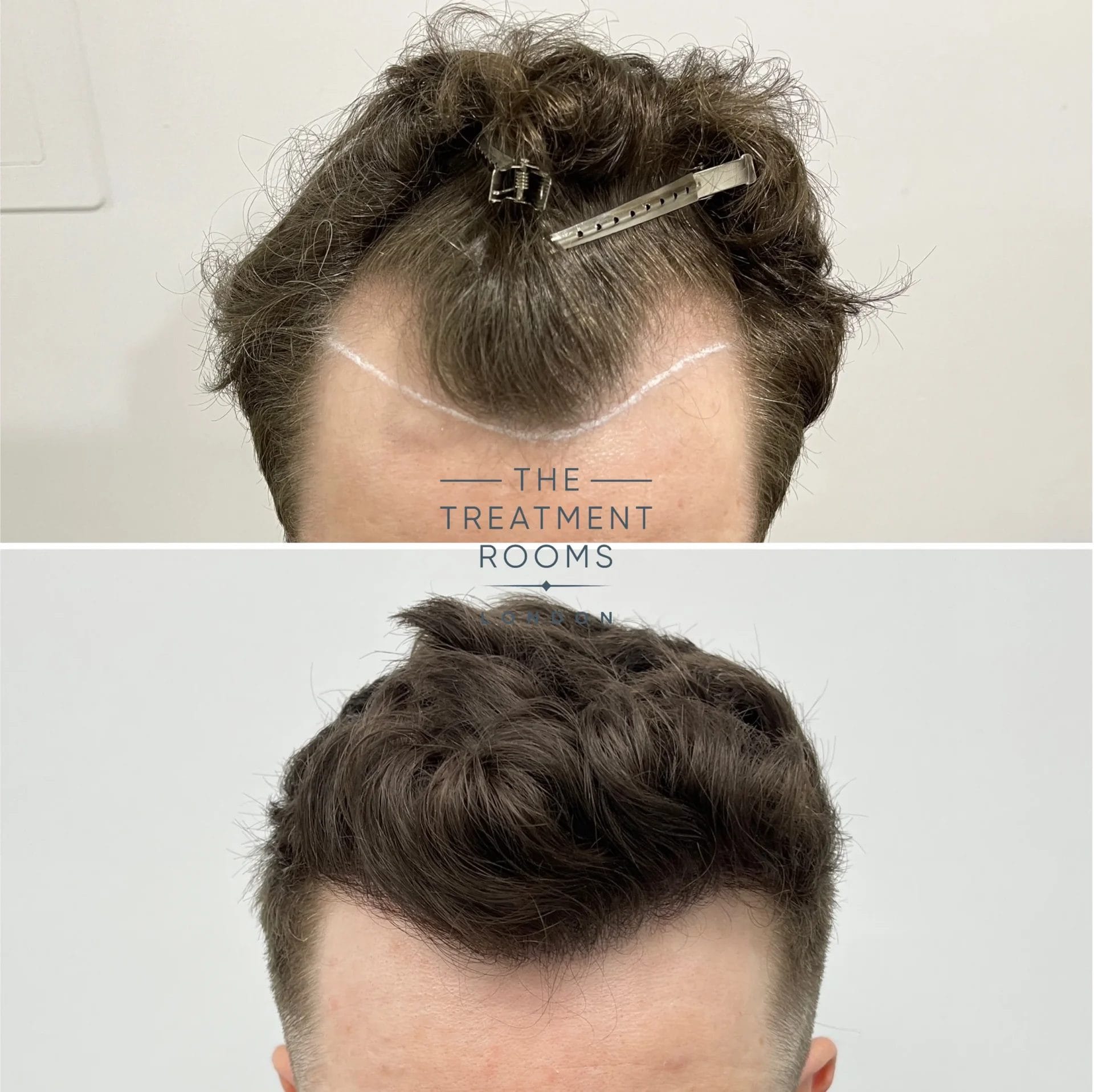
Hair transplant (e.g., FUE or FUT): a surgical option for significant hair loss that ensures a natural, permanent solution.
What Natural or OTC Remedies Help with Shedding or Hair Loss?
Some individuals obtain advantages with:
- Scalp massages
- Essential oils, such as Rosemary or peppermint (carefully)
- Caffeine or ketoconazole ointments and shampoos
It is not advised to begin any treatment without consulting a specialist, especially when it comes to a long-term procedure such as a hair transplant.
Conclusion
Losing hair each day is typical. However, when you experience chronic and obvious hair loss or bald spots, then that should not be disregarded. The best results are achieved through early intervention.
If you are considering more permanent solutions, consult with our friendly team of surgeons to receive a personalised diagnosis and treatment plan on your journey towards more luscious locks.
References
Kingsley, A. (n.d.) How to tell if you are losing your hair. [online] Philip Kingsley. Available at: https://www.philipkingsley.com/hair-guide/hair-loss/male-hair-loss/how-to-tell-if-you-are-losing-your-hair.html [Accessed 26 Jun. 2025].
Cleveland Clinic. (n.d.) Hair loss in women: Symptoms and causes. [online] Available at: https://my.clevelandclinic.org/health/diseases/16921-hair-loss-in-women#symptoms-and-causes [Accessed 26 Jun. 2025].
Miami Hair Institute. (n.d.) What is the best way to detect hair loss at home? [online] Available at: https://miamihair.com/blog/what-is-the-best-way-to-detect-hair-loss-at-home/ [Accessed 26 Jun. 2025].
Share:
Authored by

Dr Roshan Vara
Dr. Roshan Vara is a renowned hair transplant surgeon in London and the Co-Founder of our award winning hair transplant clinic, The Treatment Rooms London.He has over 10 years of experience in hair transplant surgery and is recognised for delivering natural-looking results through ethical, patient-centred care. He is a Full Medical Member of BAHRS and an Associate Member of ISHRS, reflecting his commitment to the highest standards in modern hair restoration.
Reviewed by

Dr Dilan Fernando
Dr. Dilan Fernando is regarded as one of the best hair transplant surgeons in London and Co-Founder of The Treatment Rooms London. He has over 10 years of experience in hair transplant surgery and is known for his meticulous technique and commitment to ethical practice. He served on the Executive Committee of BAHRS from 2020 to 2024, helping to shape industry standards for patient safety and quality of care. Dr. Fernando personally performs each surgery, ensuring natural results built on trust and experience.
Book a Consultation
Related Blogs

Jude Law Hair Transplant: Before, After, and His New Hairline
March 31, 2026
Jude Law, the British actor known for roles in The Talented Mr Ripley, Sherlock Holmes, and Fantastic…
Hair Loss In Your 20s- What You Need To Know
March 24, 2026
Key Takeaways Hair thinning or excessive hair shedding in your 20s is often due to genetics, stress,…
How Long Does a Hair Transplant Take? The Average FUE & FUT Surgery Duration Explained
March 24, 2026
Key Takeaways Are you considering a hair transplant and wondering how long the process takes? The answer…

Steve Carell Hair Transplant: Before, After, and His New Hairline
March 2, 2026
Steve Carell, best known as Michael Scott in The Office, began sparking curiosity amongst fans when his…

What Is Nutrafol and Does It Really Work for Hair Growth?
February 24, 2026
Key Takeaways Hair thinning can feel frustrating and confusing. You might notice more hair falling out in…

Peppermint oil for hair growth: Evidence, Benefits, Uses & Safety
February 24, 2026
Key Takeaways What Is Peppermint Oil? Peppermint oil, also known as Mentha piperita oil, is an essential…

Why Winter Hair Loss Happens and All You Need to Know
February 6, 2026
Key Takeaways As temperatures drop and indoor heating kicks in, many people notice their hair feels drier,…

Can You Take Finasteride With Minoxidil For Hair Loss?
February 5, 2026
Key Takeaways Consistency Matters: Stopping treatment often leads to a recurrence of hair loss; ongoing medical guidance…
Does Finasteride Cause Erectile Dysfunction?
February 3, 2026
Key Takeaways Finasteride can cause erectile dysfunction in some men, but it isn’t common. Most men who…