

Should you have a low-carb diet after having a hair transplant? There is no evidence to suggest that eating a low-carb diet after your transplant is beneficial to you. However, for patients choosing to have a low-carb or keto diet after their transplant, they must ensure a balanced and supplemented intake of:
- Calories
- Vitamin C, D, A, E
- Iron
- Biotin or Vitamin B7
After any surgery, it is only logical to consider eating nutrient-rich foods; these can help replenish the body and improve its ability to heal. Despite the lack of strong evidence suggesting a low-carb diet is beneficial after a hair transplant, a lot of people are still not sure whether it is the right kind of diet for them just after having their surgery. This article will explain what a low-carb diet is, how it can affect your hair, and its growth in the case of a hair transplant.
What is a low-carb or ketogenic diet?
A low-carb diet and a ketogenic diet are mostly the same. The main difference between the two is the amount of carbohydrate intake. While a low-carb diet allows 50-150 grams per day, the ketogenic diet restricts it to less than 50 grams per day.
In a low-carb diet, there is a limit on the intake of carbohydrate-based foods, with other foods like proteins, fats, and vegetables forming most of the daily intake. Similarly, in ketogenic diets, carbohydrate intake is even more limited, with a focus on fat-based foods and some protein.
Generally, the principle behind low-carb and ketogenic diets is to starve the body of excess sugar from carbohydrate foods, which is usually stored as fat. When the body gets starved of carbs and draws its fuel from fats, it enters a state of ketosis, which occurs when the ketones from the breakdown of the fatty foods we eat become the body’s preferred fuel source, instead of the regular glucose from carbohydrates.1
As a result, stored fat reserves start to get used up for fuel, causing the weight loss effect that’s attributed to these kinds of diets.
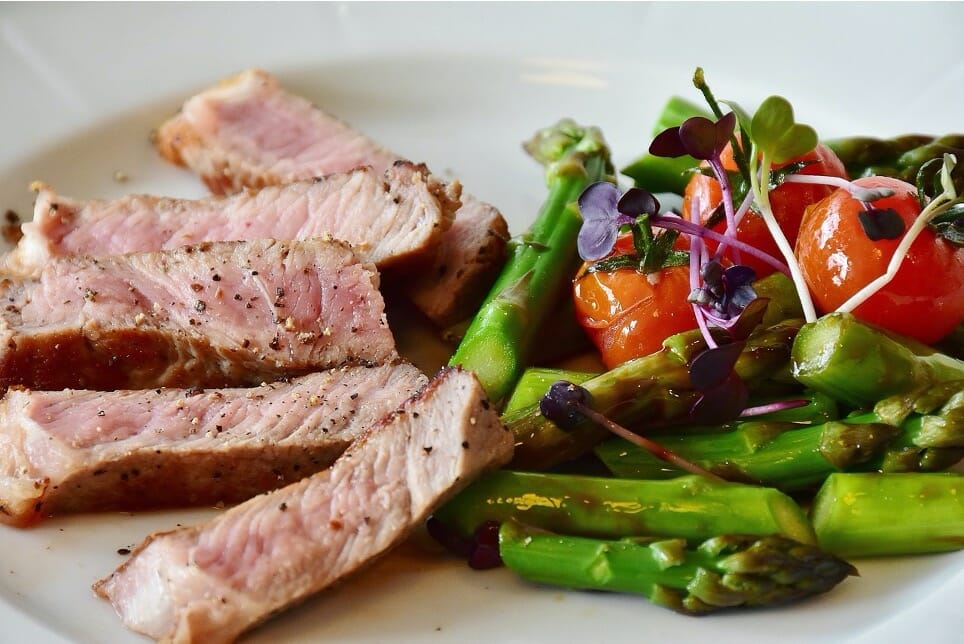
What to eat after a hair transplant
The health of our hair depends heavily on our nutritional profile. In fact, hair loss can be the body’s first reaction to a nutritional deficiency. Usually, a deficiency in one or more nutrients and vitamins such as zinc, iron, and Vitamin D can cause hair loss. Besides, research-based findings have already established clear links between nutritional deficiencies and the structure and growth of hair.3
In addition, protein intake can be essential for hair growth. A diet that’s deficient in protein has been found to promote hair loss4.
After a hair transplant, it usually takes a few months for the hair roots to grow and develop fully. During this process, patients should maintain a balanced, healthy diet to support hair growth and wound healing.
We have highlighted essential nutrients and vitamins below to aid your recovery after a hair transplant.
Proteins
The human hair follicle is made up of several proteins. Thus, for your newly transplanted hair to grow, it will need a constant supply of protein, which a low-carb or ketogenic diet will need to take into account. Some of the best foods for providing high-quality protein include fish, chicken, eggs, milk, and cheese.
Vegans or vegetarians can choose healthy plant-based sources like soy products (tofu, tempeh, and edamame), nuts (chickpeas, almonds, and peanuts), and pseudo-grains (quinoa and amaranth).
Vitamins
Vitamins are well-known to support the growth of healthy hairs. Vitamin C plays a part in the synthesis of collagen, which contains some essential amino acids that are used in the production of keratin, a protein that forms the tissue of our hair. Vitamin C also helps in the absorption of iron, whose deficiency is a common cause of hair loss5.
In addition to all these essential roles, vitamin C can help speed up the healing of your hair transplant surgery. Research-based findings indicate that vitamin C is involved in all phases of wound healing, which is necessary for the healing and recovery phase following a hair transplant.
Apart from vitamin C, the B-group vitamins are also well-known to support the overall well-being of the hair. In fact, the deficiency of some B-group vitamins like biotin, riboflavin, vitamin B12, and folate, have been associated with hair loss 7. Ensuring you have an adequate intake of these vitamins after your hair transplant can therefore aid your subsequent regrowth.
Minerals
In terms of minerals, iron, magnesium, and zinc are among the most essential minerals that can support the growth of your hair, especially after a hair transplant.
That said, there are also certain foods to avoid after your hair transplant. Fast and processed foods that are usually high in sugar, and devoid of quality nutrients like vitamins and minerals, are unlikely to provide you a balanced intake of minerals, vitamins and protein for your recovery.

Can you have a low-carb or keto diet after a hair transplant?
You can have a low-carb or keto diet after your hair transplant, but you will need to ensure the diet provides a balanced intake of the vitamins, minerals and protein required to support your healing and subsequent hair growth.
Generally, a low-carb, high-fat diet has been linked to temporary hair loss. But this hair loss has been found to result from insufficient intake of specific nutrients. As a result of carbohydrate restriction, the body receives smaller amounts of particular nutrients, especially those from high-carb fruits and vegetables. This lack of adequate nutrients can lead to more hair loss and even slow hair growth.
Also, when the body gets fewer calories by cutting down carbohydrate intake, it redirects energy away from hair and toward other critical cellular functions first. This alone may reduce hair growth.
That said, it is possible to adjust a low-carb or keto diet to compensate for the loss of essential nutrients that support hair growth and health. You can also choose supplements to cover up any deficiencies. Basic vitamins and minerals to consider taking as supplements include the B-group vitamins, vitamin C, vitamin D, vitamin E, vitamin A, and iron.
Summary
You can have a low-carb or ketogenic diet after having a hair transplant, but you will need to ensure sufficient intake of Vitamins and Minerals to prevent impaired wound healing. While these kinds of diets contain high amounts of protein, which can be good for the healing and growth of your newly transplanted hair, they are devoid of nutrient-rich, high-carbohydrate foods like fruits and vegetables, which contain rich amounts of vitamins and minerals that are essential for the growth of the hair.
If you are exploring having a hair transplant, book your consultation today. Our lead surgeons are more than happy to provide you with more information about the personalised hair transplant service we offer at The Treatment Rooms London.
References
- https://www.ncbi.nlm.nih.gov/books/NBK499830/
- https://www.nal.usda.gov/programs/fnic
- https://www.ncbi.nlm.nih.gov/pmc/articles/PMC5315033/
- https://pubmed.ncbi.nlm.nih.gov/28243487/
- https://pubmed.ncbi.nlm.nih.gov/16635664/
- https://pubmed.ncbi.nlm.nih.gov/24796079/
- https://pubmed.ncbi.nlm.nih.gov/30547302/
Share:
Authored by

Dr Roshan Vara
Dr. Roshan Vara is a renowned hair transplant surgeon in London and the Co-Founder of our award winning hair transplant clinic, The Treatment Rooms London.He has over 10 years of experience in hair transplant surgery and is recognised for delivering natural-looking results through ethical, patient-centred care. He is a Full Medical Member of BAHRS and an Associate Member of ISHRS, reflecting his commitment to the highest standards in modern hair restoration.
Reviewed by

Dr Dilan Fernando
Dr. Dilan Fernando is regarded as one of the best hair transplant surgeons in London and Co-Founder of The Treatment Rooms London. He has over 10 years of experience in hair transplant surgery and is known for his meticulous technique and commitment to ethical practice. He served on the Executive Committee of BAHRS from 2020 to 2024, helping to shape industry standards for patient safety and quality of care. Dr. Fernando personally performs each surgery, ensuring natural results built on trust and experience.
Book a Consultation
Related Blogs

What Is Nutrafol and Does It Really Work for Hair Growth?
February 24, 2026
Key Takeaways Hair thinning can feel frustrating and confusing. You might notice more hair falling out in…

Peppermint oil for hair growth: Evidence, Benefits, Uses & Safety
February 24, 2026
Key Takeaways What Is Peppermint Oil? Peppermint oil, also known as Mentha piperita oil, is an essential…

Why Winter Hair Loss Happens and All You Need to Know
February 6, 2026
Key Takeaways As temperatures drop and indoor heating kicks in, many people notice their hair feels drier,…

Can You Take Finasteride With Minoxidil For Hair Loss?
February 5, 2026
Key Takeaways Consistency Matters: Stopping treatment often leads to a recurrence of hair loss; ongoing medical guidance…
Does Finasteride Cause Erectile Dysfunction?
February 3, 2026
Key Takeaways Finasteride can cause erectile dysfunction in some men, but it isn’t common. Most men who…
What is a Hair Transplant? How it Works, Success Rate & What to Expect
February 2, 2026
Key Takeaways Cost: Varies from £3,000 to £10,000, depending on the number of grafts and the technique….
What Causes Hair Loss During Menopause?
February 2, 2026
Key Takeaways Many women notice increased hair shedding and thinning during menopause. This happens because hormonal changes…

Can a Norwood 7 Get a Hair Transplant? All You Need to Know
February 2, 2026
Key Takeaways Yes, someone with Norwood 7 hair loss may be able to have a hair transplant,…
The Healthy Hair Diet: What to Eat, Drink and Avoid
February 1, 2026
Key Takeaways Strong, shiny hair is an indicator of good health. Although genetics, hormones, and age also…