

One of the most effective medications for treating hair loss is Finasteride, which is often prescribed to men experiencing hair loss in their hairline, crown, or temples. The medication works by reducing the primary hormone that causes hair loss, dihydrotestosterone (DHT). In this article, you will read more about how Finasteride works and the risks associated with the medication.
In the video below, you can hear from one of our patients about their experience with Finasteride.
How does Finasteride work?
Dihydrotestosterone (DHT) is a hormone that is derived from testosterone, which is produced in the testes and adrenal glands. DHT is responsible for the development of male sexual characteristics, such as facial hair, deepening of the voice and muscle growth. However, in people with androgenic alopecia (male pattern baldness or female pattern baldness), too much DHT causes your hair follicles to shrink and eventually stop producing hair. The process of DHT causing hair loss can be categorised into a 7 stage scale which is called the Norwood scale. This is shown below:

Finasteride works by blocking the conversion of testosterone to DHT by inhibiting the enzyme 5-alpha reductase. By reducing the DHT levels, Finasteride can help to reverse the process of hair loss and promote hair regrowth in men. The process is summarised in the diagram below:

Can Finasteride regrow hair?
Clinical studies have shown that Finasteride can be an effective treatment for male pattern baldness. In a randomised, placebo-controlled study of 1,553 men with androgenic alopecia, Finasteride significantly increased hair regrowth compared with placebo.
Success rates for hair regrowth with Finasteride do vary depending on the severity of your hair loss. In general, Finasteride is most effective for mild to moderate hair loss that has resulted in hairline recession and crown thinning.
Different factors can impact the effectiveness of Finasteride, such as:
- Age
- The severity of your hair loss
- The duration of your hair loss experience
Finasteride is most effective when used consistently for at least 6-12 months, and results may take up to a year to become apparent. It is important to note that Finasteride is not effective for hair loss caused by chemotherapy, autoimmune disorders like alopecia areata or nutritional deficiencies.
When can you start taking Finasteride?
You ought to avoid taking Finasteride until you have developed all male sexual characteristics. This includes the development of facial, beard and pubic hair. This is because the hormone DHT is important in the development of these features.
Once you have matured in your male sexual characteristics, you can start Finasteride under the proper guidance and counselling by your Doctor. Finasteride often works to help patients in the mild to moderate stages of their hair loss to prevent it from getting worse and to regrow hair that has thinned. Patients who are characterised as norwood 2, norwood 3 and norwood 4 would benefit well from taking Finasteride to prevent their hair loss getting worse.
Patients with Norwood 5 and 6 patterns of hair loss will also benefit from Finasteride, depending on their goals for treatment. This is best discussed with their Doctor or hair transplant surgeon.
Does Finasteride work in Norwood 7 patients?
If you have lost all your hair on your scalp, you will be categorised as Norwood 7. In such patients Finasteride might not work to regrow your hair but you may be advised to take the medication to preserve the hair on the back and sides to help facilitate surgery.
What are the potential side effects of Finasteride?
Like any medication, Finasteride can cause side effects in some people. The most commonly reported side effect of Finasteride is sexual dysfunction. This includes decreased libido, erectile dysfunction and decreased ejaculate volume.
These side effects can occur in more than 1 in 100 people, but they usually resolve after stopping the medication. In some patients, these side effects can linger longer, causing a lesser-understood condition called post-finasteride syndrome. It is difficult to understand whether Finasteride causes this syndrome, but patients must be aware of it before starting.
Other potential side effects of Finasteride can include breast tenderness, breast enlargement and rash. These side effects are less common and usually resolve after stopping the medication. Finasteride can affect your semen quality, so if you are actively trying to conceive, speak with your doctor beforehand.
Rare side effects of Finasteride
In rare cases, Finasteride can cause severe allergic reactions, such as swelling of the face, lips, tongue, or throat and difficulty breathing. If you experience any of these symptoms after taking Finasteride, seek medical attention immediately.
Before starting treatment with Finasteride, it is important to discuss any medical conditions or medications with a healthcare professional.
Can women use Finasteride to treat hair loss?
Finasteride is not recommended for use in women, as it can cause birth defects if taken during pregnancy. Women who are pregnant or may become pregnant should avoid handling crushed or broken tablets of Finasteride, as the medication can be absorbed through the skin and cause harm to a developing foetus. You can read more about this in our dedicated article: Finasteride use in women.
Before starting treatment with Finasteride, it is important to discuss any medical conditions or medications with a healthcare professional.
What should I know before taking Finasteride?
Before taking Finasteride, it is important to talk to your doctor about the risks and benefits of the medication. Finasteride is typically taken in tablet form, once a day, with or without food.
The recommended dose for male pattern baldness is 1mg per day, although the dosage may vary depending on individual factors. Never take any more than your recommended dosage.
To minimise the risk of side effects, taking the medication at the same time each day, avoiding alcohol and recreational drugs, and maintaining a healthy lifestyle with regular exercise and a balanced diet could possibly help reduce them.
Long-term use of Finasteride may be necessary to maintain hair regrowth, but it is important to monitor any potential side effects or changes you experience while taking it. Sometimes, your dosage may need to be adjusted, or you might even have to switch to a different treatment if it is not effective or causes too many side effects.
How do you know if Finasteride is working?
Regular follow-up appointments with your doctor are essential for monitoring the effectiveness of Finasteride and addressing any concerns or side effects. We commonly advise patients to take photos in the same lighting, from the front, sides, and top, to monitor the effectiveness of Finasteride.
If you feel Finasteride is not working, please don’t increase your dosage or stop taking Finasteride without consulting your doctor first.
When to have a hair transplant if you are on Finasteride
If you have been taking Finasteride, you may have stabilised your hair loss. You may now want to restore your hairline, temples and crown with a hair transplant. It is essential to carefully consider your options and how best to manage your donor area. Choose your Surgeon and clinic carefully, as they should consider your long-term hair goals.
At The Treatment Rooms London, all patients are seen by their dedicated hair transplant surgeon, Dr Roshan Vara, Dr Dilan Fernando or Dr Puroshini Pather, who are able to guide them through the decisions required.
Do you have to take Finasteride after getting a hair transplant?
If you have undergone a hair transplant procedure, your doctor or surgeon may recommend that you continue taking Finasteride after the surgery to support hair growth and prevent further hair loss. This is because the hair transplant procedure doesn’t prevent the progression of hair loss in areas of the scalp not treated by the procedure.
Continuing to take Finasteride may help prevent the development of male pattern baldness in areas of the scalp that were not transplanted too.
It is essential to discuss the potential benefits and risks of continuing Finasteride use after a hair transplant with your doctor or surgeon. They can provide you with personalised advice on whether the medication is appropriate for your specific needs and help you decide the best course of action for maintaining your hair growth and preventing future hair loss.
Below you can listen to Dr Fernando talk about whether you need to consider Finasteride if you are having a hair transplant.
Book a consultation with The Treatment Rooms London
Using Finasteride to treat your hair loss can be effective, but it’s not always going to work. Factors such as your age, the duration of hair loss, and the reason for hair loss can all influence the effectiveness of Finasteride. However, people who experience positive results from taking this medication often find that it improves their hair.
Finasteride is just one way to regrow your lost hair potentially, but it’s not your only option. Hair transplants like FUE or FUT surgery offer a permanent solution for hair loss — and at The Treatment Rooms London, we provide the very best care with the latest hair transplant technology.
Get in Touch
Ready to elevate your hair restoration journey? Book a free consultation call with our London-based FUE hair transplant clinic.
Our award-winning team, including leading London hair transplant surgeons Dr Fernando and Dr Vara, are here to support you every step of the way.
Sources
Share:
Authored by

Dr Roshan Vara
Dr. Roshan Vara is a renowned hair transplant surgeon in London and the Co-Founder of our award winning hair transplant clinic, The Treatment Rooms London.He has over 10 years of experience in hair transplant surgery and is recognised for delivering natural-looking results through ethical, patient-centred care. He is a Full Medical Member of BAHRS and an Associate Member of ISHRS, reflecting his commitment to the highest standards in modern hair restoration.
Reviewed by

Dr Dilan Fernando
Dr. Dilan Fernando is regarded as one of the best hair transplant surgeons in London and Co-Founder of The Treatment Rooms London. He has over 10 years of experience in hair transplant surgery and is known for his meticulous technique and commitment to ethical practice. He served on the Executive Committee of BAHRS from 2020 to 2024, helping to shape industry standards for patient safety and quality of care. Dr. Fernando personally performs each surgery, ensuring natural results built on trust and experience.
Book a Consultation
Related Blogs

Female Hair Transplant Guide
July 9, 2026
If you’re a female experiencing hair loss, you may be considering getting a female hair transplant. We…
Dr Vara featured on ITV’s This Morning
June 17, 2026
When ‘Nice Hair Transplant’ Isn’t The Compliment You Were Hoping For… When our repair surgery patient Shaun…

2026 World Cup Stars and Hair Transplant Speculation: 5 Footballers to Watch Out For
June 9, 2026
Key Takeaways As the 2026 FIFA World Cup approaches, some of football’s biggest names will once again…

A Guide To Double Crowns: What Are They?
June 5, 2026
Quick Summary of Double Crowns What is a Double Crown? The crown of your head refers to…
Finasteride and Its Side Effects: What You Need to Know
June 4, 2026
Quick Summary: Finasteride and Its Side Effects Finasteride for Hair Loss: Originally developed for prostate enlargement, Finasteride…
Minoxidil For Eyebrows – Does It Work?
June 3, 2026
Quick Summary: Eyebrows & Minoxidil Understanding Eyebrow Hair Loss: Eyebrow hair loss is commonly caused by over-plucking,…

30 Footballer Hair Transplant Transformations: All You Need to Know
May 22, 2026
Key Takeaways Visible transformations in footballers show that hair transplants can significantly improve the appearance of the…
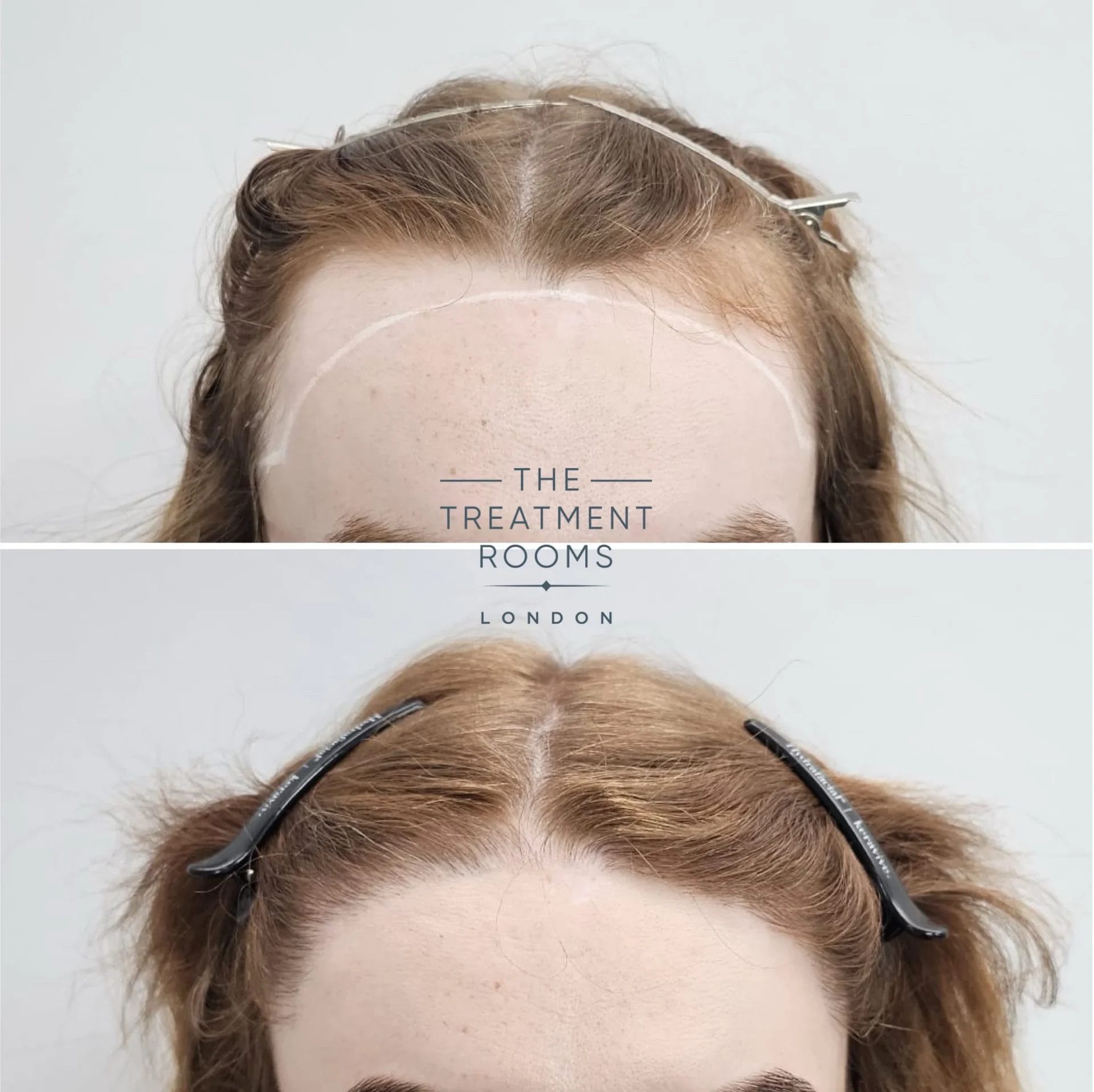
Can I Get a Hair Transplant While Using Testosterone Replacement Therapy(TRT)?
May 18, 2026
Key Takeaways Testosterone Replacement Therapy (TRT) is commonly prescribed for men with low testosterone, a condition called…

12 Hair Styles for Women With Thin Hair On The Crown
May 7, 2026
Key Takeaways: In this article, we’ll look at some of the best haircuts and practical hair-styling ideas…