

Nizoral is a medicated shampoo that contains the antifungal drug ketoconazole. This shampoo acts against fungal infections on the scalp, most commonly against a yeast known as Malassezia. This fungus causes dandruff, itch and inflammation of the scalp and hair follicles. Ketoconazole works to reduce the amount of fungus on the scalp and promote a healthy skin and hair environment.
This can be especially important in the context of hair transplantation surgery, as it can help reduce inflammation, redness and itch following a procedure.
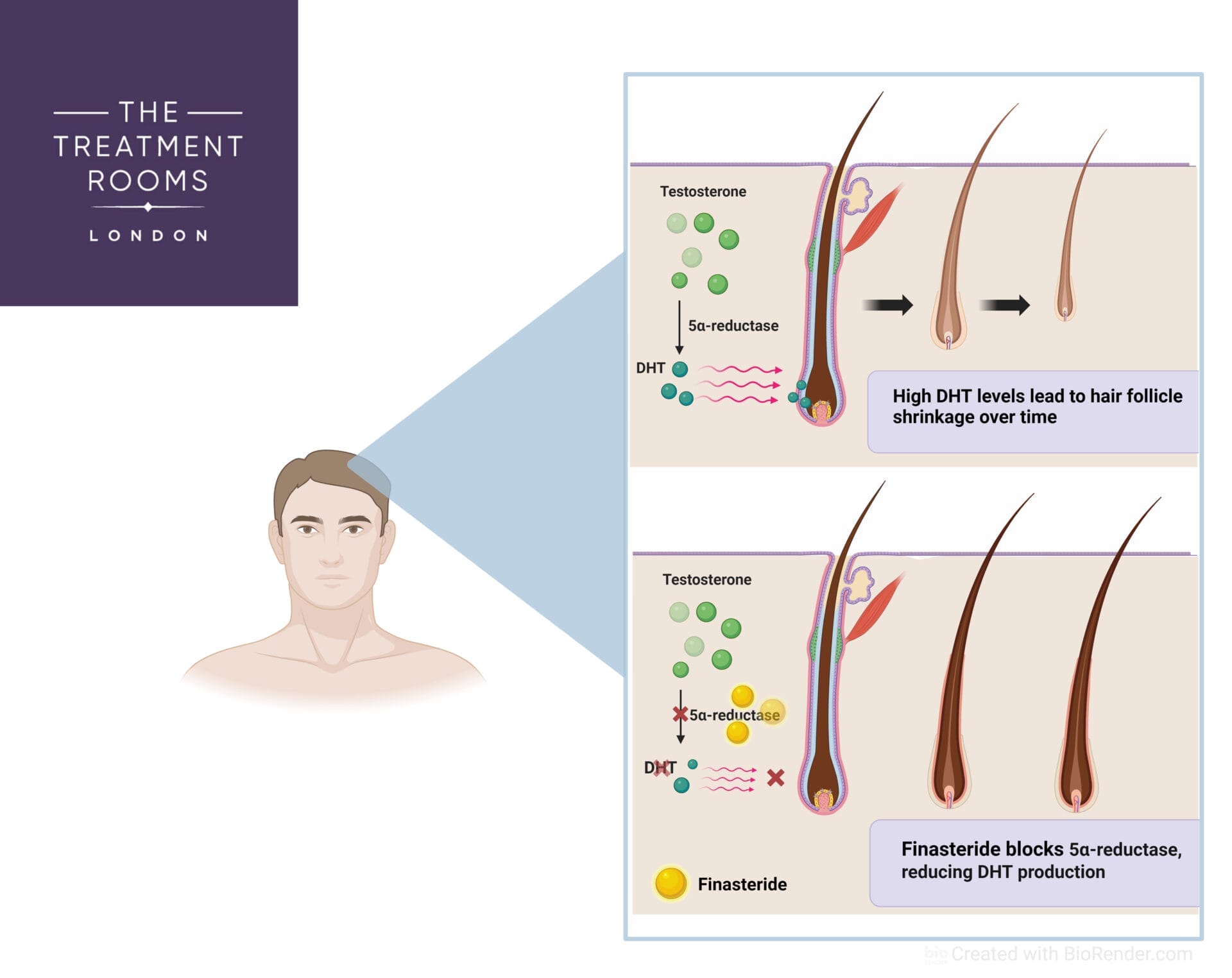
Reducing DHT: In addition to its critical anti-inflammatory effects, ketoconazole has been shown to mildly reduce dihydrotestosterone (DHT) levels on the scalp, a hormone associated with androgenetic alopecia (male and female pattern baldness). By doing so, Nizoral can help preserve your existing hair and therefore the long term hair transplant result.
Why Is Post-Transplant Hair Cleansing Important?
The post-transplant hair wash is considered a crucial part of the recovery process, as it helps to promote healing, prevent infection, and ensure the successful growth of the new hair.
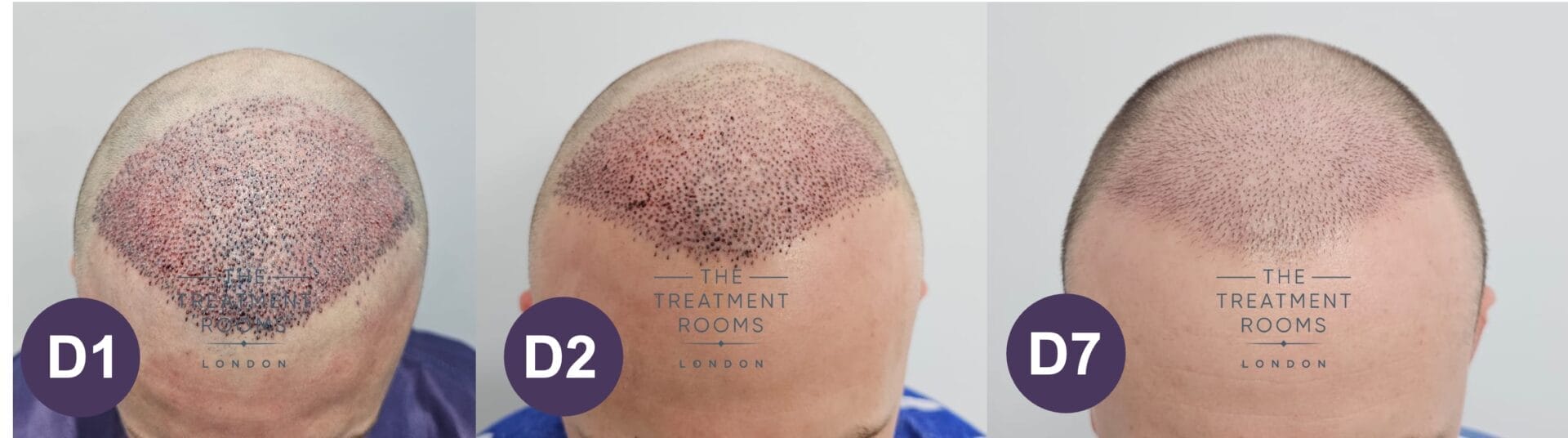
Removing crusts, sebum & debris: During the postoperative period of a hair transplant, there will be scabs present in the areas operated on (both donor and recipient areas). Gently cleansing these areas after surgery helps remove scabs and debris to prevent infection and buildup.
You can explore methods for removing scabs after a hair transplant on our page.
You can also read our page to learn when to start washing your hair after a transplant.
When Can You Start Using Nizoral Post-Transplant?
It is possible to resume using Nizoral shampoo 10 to 14 days after the hair transplant procedure, when the grafts are fully rooted in the scalp and the skin is healing well.
Graft Anchoring Timeline (Day 1–14)
Day 1-4: The newly implanted grafts are weak and can easily be dislodged. The first week post-transplant is very important for an easier recovery journey.
Day 7-10: Grafts are becoming increasingly secure, although certain care is still required. The scalp is sensitive, so using Nizoral too soon may lead to irritation and potentially graft dislodgement.
Day 10-14: The grafts are now stable and tethered within the scalp, with well-healed skin.
After 14 days, most patients will be able to resume regular activities, including washing their hair and wearing loose hats. However, they are still advised to avoid contact sports, tight helmets and very intensive exercise for up to 1 month post-procedure.
To learn more about what you can expect in detail after a hair transplant, please visit our detailed page.
Surgeon Guidelines & Individual Variations
The majority of surgeons recommend waiting 10-14 days before using medicated shampoos, such as Nizoral. Everyone heals differently, and you should always follow the hair transplant aftercare and recovery guidelines as suggested by your surgeon.
What Steps Should You Take Before Using Nizoral?
Before including Nizoral in your post-transplant regimen, the condition of your scalp has to be well healed (e.g no open wounds or remaining scabs). To make sure you’re ready to try Nizoral, please consider the following:
- Patch testing: Perform a patch test on your neck or forearm to ensure you do not experience an allergic reaction to the shampoo.
- Scalp Check: Make sure your scalp is well healed with no scabs, fresh bleeding or inflamed pimples before using Nizoral.
- Take it slow: When applying Nizoral, make sure to use gentle pressure in the first few applications following your transplant. Vigorous rubbing of the scalp can affect the newly healed skin and grafts.
- Let it sit: Medicated shampoos should be left to sit for at least 3-5 minutes before rinsing out, to allow the formula to absorb into the skin.
- Lukewarm, Soft Water: Avoid using high-pressure water jets to rinse your hair and scalp, as they can still be sensitive. Water pressure, as well as water temperature, is important to prevent skin irritation and dryness.
Learning how to wash hair after a transplant is necessary to prevent the dislodgement of grafts and ensure the success of the hair transplant procedure.
How Often Should Nizoral Be Used Post-Transplant?
Once the initial 2-week healing phase has passed, Nizoral may be administered one or two times a week. It is not meant to substitute your everyday shampoo altogether.
Recommended Frequency (1–2× Weekly): Use Nizoral once or twice a week to avoid over-drying the scalp. On other days, switch to a mild, non-medicated shampoo.
Balancing With Regular Shampoo Days: Create a timetable that alternates Nizoral and soft shampoos to maintain scalp balance.
If Nizoral cannot be used or you are still in the early stages of your recovery phase, mild fragrance-free and alcohol free baby shampoos or pH-neutral cleansers are the safest choices.
What Are the Risks and Side Effects of Early Use?
Early application of Nizoral after a hair transplant transplant may lead to several problems:
- Graft dislodgement and trauma to healing areas
- Scalp irritation and inflammation
- Scalp dryness
FAQs: Using Nizoral After a Hair Transplant
Can I use Nizoral before 10 days post-op?
No. Early use may interfere with graft healing. Wait at least 10–14 days.
Will Nizoral bleach my hair or damage follicles?
No, but overusing Nizoral shampoo can dry your hair and scalp.
Can I mix Nizoral with regular shampoo?
It should be applied alone, not in combination with other products.
Is Nizoral safe for individuals with sensitive skin?
If you are worried about Nizoral causing skin irritation, you apply a small amount to a small area of your skin- also called a patch test. If you have some irritation then please stop and consult with your Doctor.
When can I resume using daily hair products?
After 2 weeks, you can resume your normal hair care and grooming methods. We advise waiting until 4 weeks before having a clipper hair cut. We recommend avoiding hair bleaching or hair dyes for as long as possible after surgery.
Does Nizoral improve transplanted hair growth?
Although not directly, Nizoral can contribute to healthy growth by promoting scalp health and reducing inflammation.
Are there oral alternatives to ketoconazole?
Oral antifungals do exist, but they are not advised as part of the post-transplant care unless they have been prescribed for an active infection.
Conclusion
Nizoral can be an invaluable addition to your post-transplant regimen, provided that it is used at the right time and in the proper manner. At The Treatment Rooms London, we believe in holistic care that guides the entire hair restoration journey from start to finish.
If you’re worried about hair loss and how your scalp will be affected following a transplant, get in touch with our expert team today to kickstart your journey towards fuller, healthier hair.
Get in Touch
Take the step toward a fuller hairline: schedule your consultation with us. We are a leading hair transplant clinic in the UK specialising in FUT and FUE hair transplant surgery for men, women and transgender patients suffering from hairline, temples or crown hair loss. Our award-winning team, with leading London hair transplant surgeons Dr Fernando and Dr Vara, are here to support you every step of the way.
References
GoodRx Health, n.d. Ketoconazole for Hair Loss: What You Need to Know. [online] Available at: https://www.goodrx.com/conditions/hair-loss/ketoconazole-hair-loss [Accessed 28 Jun. 2025].
Gupta, A.K., De Doncker, P. & Talukder, M., 2025. Role of topical ketoconazole in therapeutic hair care beyond seborrhoeic dermatitis and dandruff. JEADV Clinical Practice, [online] March. Available at: https://doi.org/10.1002/jvc2.70026 [Accessed 28 Jun. 2025].
National Center for Biotechnology Information (NCBI), 2023. Ketoconazole. [online] StatPearls. Available at: https://www.ncbi.nlm.nih.gov/books/NBK559221/[Accessed 27 Jun. 2025].
Share:
Authored by

Dr Roshan Vara
Dr. Roshan Vara is a renowned hair transplant surgeon in London and the Co-Founder of our award winning hair transplant clinic, The Treatment Rooms London.He has over 10 years of experience in hair transplant surgery and is recognised for delivering natural-looking results through ethical, patient-centred care. He is a Full Medical Member of BAHRS and an Associate Member of ISHRS, reflecting his commitment to the highest standards in modern hair restoration.
Reviewed by

Dr Dilan Fernando
Dr. Dilan Fernando is regarded as one of the best hair transplant surgeons in London and Co-Founder of The Treatment Rooms London. He has over 10 years of experience in hair transplant surgery and is known for his meticulous technique and commitment to ethical practice. He served on the Executive Committee of BAHRS from 2020 to 2024, helping to shape industry standards for patient safety and quality of care. Dr. Fernando personally performs each surgery, ensuring natural results built on trust and experience.
Book a Consultation
Related Blogs

Why Winter Hair Loss Happens and All You Need to Know
February 6, 2026
Key Takeaways As temperatures drop and indoor heating kicks in, many people notice their hair feels drier,…

Can You Take Finasteride With Minoxidil For Hair Loss?
February 5, 2026
Key Takeaways Consistency Matters: Stopping treatment often leads to a recurrence of hair loss; ongoing medical guidance…
Does Finasteride Cause Erectile Dysfunction?
February 3, 2026
Key Takeaways Finasteride can cause erectile dysfunction in some men, but it isn’t common. Most men who…
What is a Hair Transplant? How it Works, Success Rate & What to Expect
February 2, 2026
Key Takeaways Cost: Varies from £3,000 to £10,000, depending on the number of grafts and the technique….
What Causes Hair Loss During Menopause?
February 2, 2026
Key Takeaways Many women notice increased hair shedding and thinning during menopause. This happens because hormonal changes…

Can a Norwood 7 Get a Hair Transplant? All You Need to Know
February 2, 2026
Key Takeaways Yes, someone with Norwood 7 hair loss may be able to have a hair transplant,…
The Healthy Hair Diet: What to Eat, Drink and Avoid
February 1, 2026
Key Takeaways Strong, shiny hair is an indicator of good health. Although genetics, hormones, and age also…

Taking Biotin Supplements For Hair Loss & Thinning
January 29, 2026
Key Takeaways What is Biotin? Biotin, also known as Vitamin B7, is a water-soluble vitamin that supports…
Can You Take Finasteride 3 Times A Week?
January 28, 2026
Key Takeaways Finasteride is one of the most researched and widely prescribed treatments for male pattern hair…