

Posts by Dr Roshan Vara
Scalp Eczema – What You Need to Know
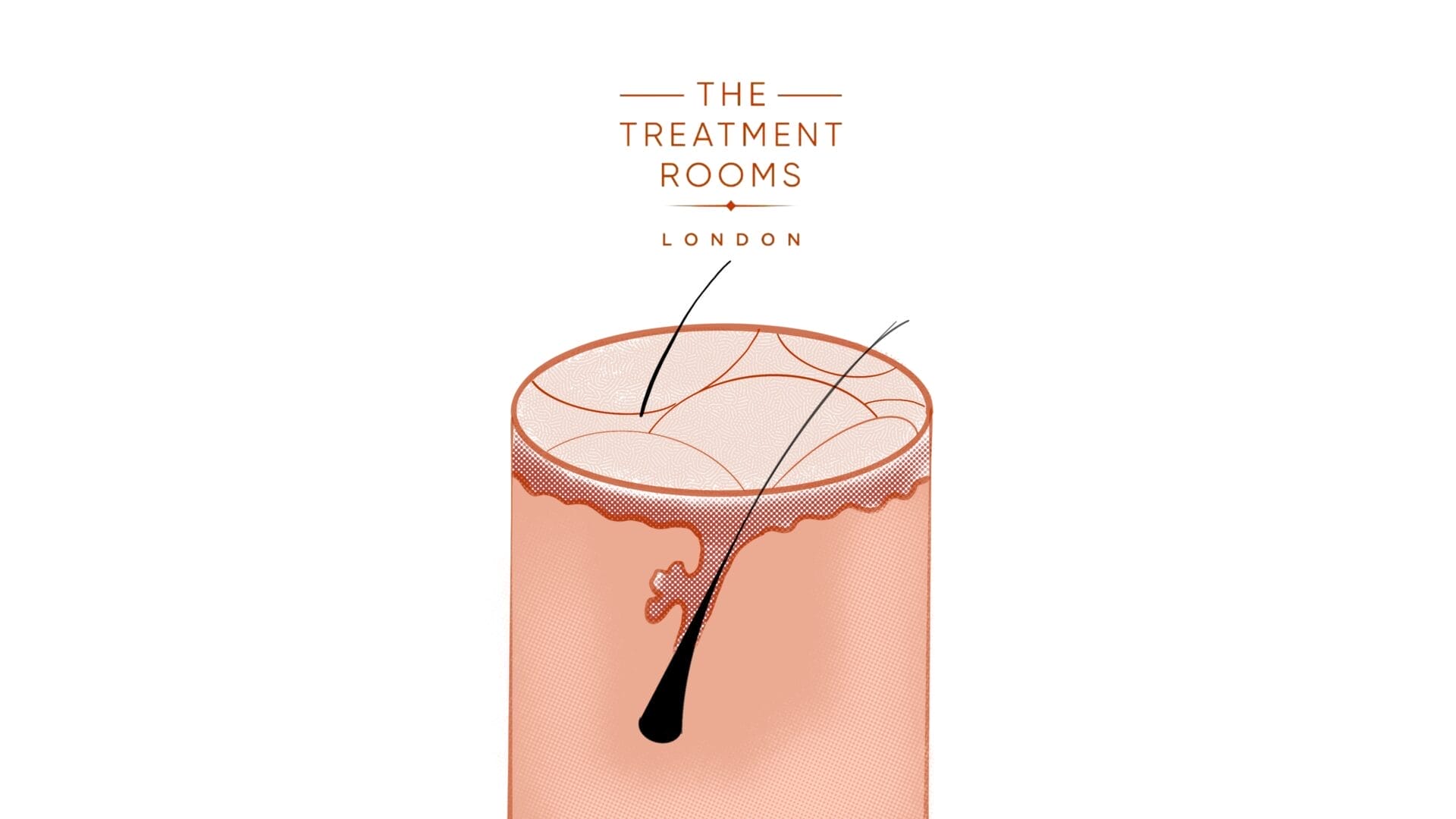
Quick Summary: Understanding Scalp Eczema What is Scalp Eczema? Scalp Eczema is caused by both genetic and environmental factors. It manifests as itchiness, dryness, and flakiness of the skin. Common types include Seborrheic Dermatitis, Atopic Dermatitis, and Contact Dermatitis. Identifying your specific type is crucial for effective management. Key Treatments: Strategies for treating scalp eczema…
Read MoreCan Exercise Cause Hair Loss?

Quick Summary: Exercise & Hair Loss Direct Exercise Factors: Contrary to some myths, the act of physically exercising does not directly cause hair loss. Being active can actually boost scalp health by improving blood flow and nourishing hair follicles for better growth. Indirect Exercise Factors: While direct exercise-related hair loss is a myth, indirect factors…
Read MoreHow Can Gut Health Influence Hair Health?

Quick Summary: Gut Health & Hair Health Gut Health Insights: The gut microbiome, a diverse community of microorganisms in our gut, plays a vital role in overall wellness. It impacts nutrient absorption, immune function, and even hair health. Microbiome’s Impact on Hair: A balanced gut microbiome supports the absorption of nutrients crucial for healthy hair,…
Read MoreFinasteride and Its Side Effects: What You Need to Know
Quick Summary: Finasteride and Its Side Effects Finasteride for Hair Loss: Originally developed for prostate enlargement, Finasteride is widely used to treat androgenetic alopecia. By reducing DHT levels, it can slow hair loss and even stimulate regrowth. Dosage and Administration: A daily dose of 1mg is common, with results potentially visible after 6 months. Continuous…
Read MoreCan A Lack of Sleep Cause Hair Loss?
Quick Summary: Sleep & Hair Health – Sleep’s Role: Adequate sleep is crucial for hair health, supporting repair and regeneration processes important for hair follicle growth. – Research Insights: Studies link sleep deprivation with increased risk of alopecia areata, highlighting poor sleep’s impact on hair loss. – Stress Connection: Long term lack of sleep elevates…
Read MoreDoes Roaccutane Cause Hair Loss? A Comprehensive Guide

Quick Summary: Roaccutane & Hair Loss Insights Roaccutane, a treatment for severe acne, has potential side effects, including hair loss, primarily through disrupting the hair growth cycle. Hair loss is typically temporary, with many cases resolving once treatment ends or the body adjusts. Preventive measures include optimising nutrition, staying hydrated, gentle hair care, scalp massages,…
Read MoreHair Loss In Your 20s- What You Need To Know
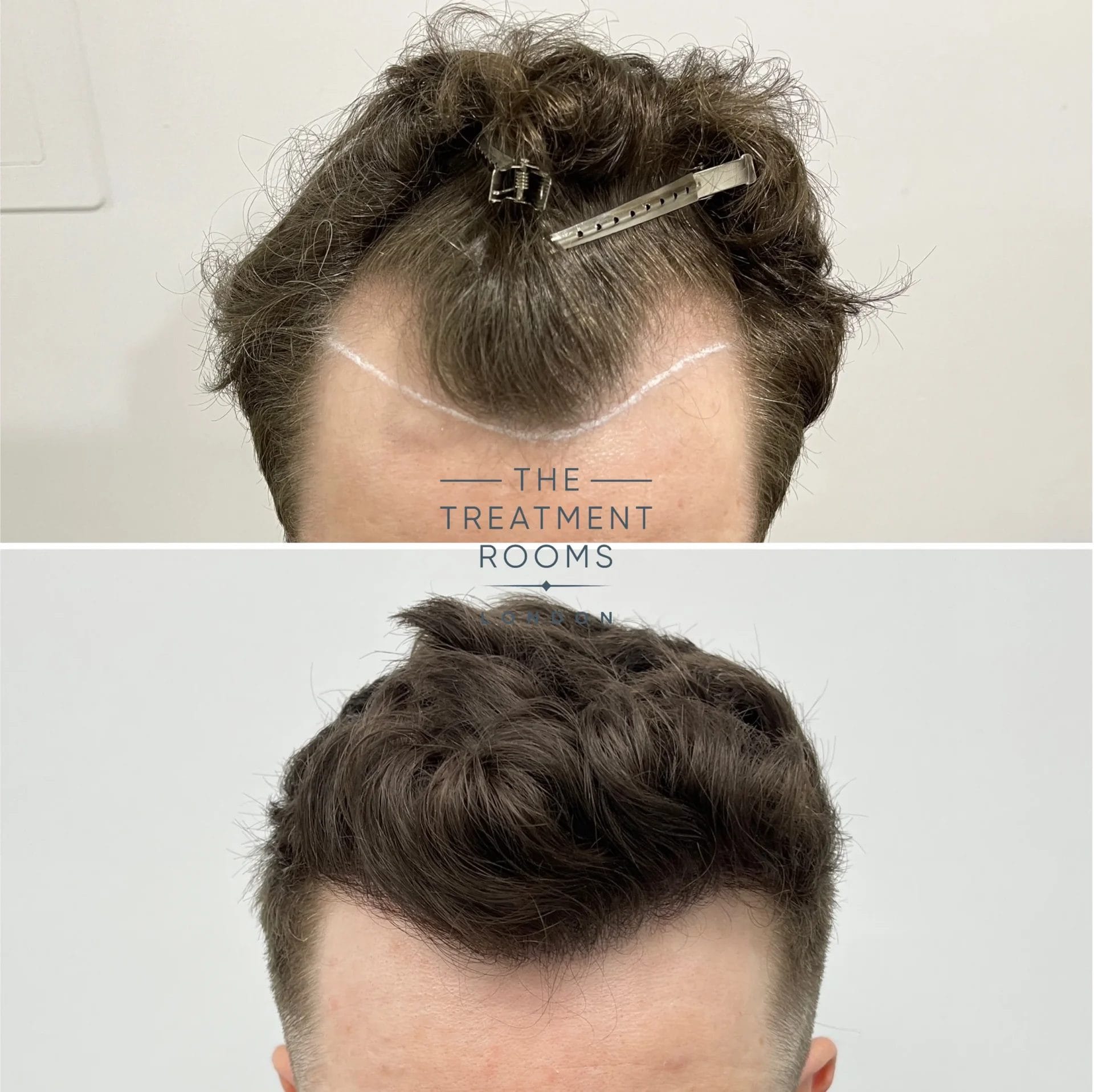
Typically associated with ageing, the onset of hair loss in one’s mid-20s can be disconcerting, prompting questions and concerns. Here at The Treatment Rooms London, we recognise the complexities of this phenomenon and aim to provide clarity and guidance for those navigating this journey. Quick Summary: Hair Loss in Your 20s Hair Loss in Mid-20s:…
Read MoreSide effects of Minoxidil

Minoxidil is a popular medication taken by those looking to address their hair loss. While Minoxidil can help many people restore their natural hair growth safely, some may experience certain side effects while using the medication. This blog post will detail the potential long-term and short-term impacts of taking Minoxidil. What is Minoxidil? Minoxidil is…
Read MoreHair Types: How To Determine What Hair Type You Are

Knowing the type of hair you have is crucial for understanding how to care for it properly. The type of hair you have can help you know the best products to use for the growth and health of your hair, as well as how to style it effectively. How do you determine your hair type?…
Read MoreSideburn Hair Loss and Sideburn Hair Transplant Surgery- What You Need To Know

Interestingly, androgenic alopecia or male pattern baldness that mostly occurs on the scalp is not the only type of hair loss. Generally, hair loss can occur in different parts of the body. While the one that occurs on the scalp tends to get most of the attention, others that occur in front of the face…
Read MoreTaking Dutasteride After A Hair Transplant

Dutasteride can help prevent hair loss and is often considered after a hair transplant to preserve your natural hair and ensure your results last longer. What is Dutasteride? Dutasteride is a synthetic compound that’s used mainly for the treatment of benign prostatic hyperplasia (BPH) in men with an enlarged prostate. The medication also helps prevent…
Read MoreHair Transplant Surgery For Traction Alopecia
Traction alopecia is a form of hair loss that occurs due to continuous pulling and tension on hair roots. It is commonly seen as hair loss affecting the hairline, temples, sideburns and the nape of the neck due to long-term tight hair styling such as braids, buns or ponytails. Hair transplant surgery can be an…
Read MoreTraction Alopecia – What You Need To Know
Traction alopecia is a form of hair loss caused by consistent, strong pulling of the hair during styling and grooming, resulting in trauma to the hair follicles and, consequently, hair loss. This blog aims to take you through everything you need to know about traction alopecia, including its symptoms, causes, treatment and prevention tips. What…
Read MoreLow-Carb Diet After Having A Hair Transplant

Should you have a low-carb diet after having a hair transplant? There is no evidence to suggest that eating a low-carb diet after your transplant is beneficial to you. However, for patients choosing to have a low-carb or keto diet after their transplant, they must ensure a balanced and supplemented intake of: After any surgery,…
Read MoreTaking Biotin After Hair Transplant

After having a hair transplant, some of the most important things that can shape the success of your surgery are the post-surgery instructions and medications our Surgeons will give to you. You may also choose to take certain medications or supplements that can speed up the healing process of your scalp, accelerate hair growth and…
Read MoreHow Much Does A Widow’s Peak Hair Transplant Cost?

A widow’s peak transplant can cost between £3,000 to £8,000 with the price dependent on how many grafts you require for your transplant and whether you opt for an unshaven or shaven hair transplant. In this article we will go through the main considerations when it comes to the cost of a widows peak hair…
Read MoreCan A Low Carb Diet Cause Hair Loss?

A low-carb or ketogenic diet can provide health benefits, such as aiding weight loss and managing diabetes. However, can a low-carb diet cause hair loss? So far, there isn’t any significant research to suggest that a low-carb or ketogenic diet causes hair loss. This article will help to shed more information on the topic. In…
Read MoreAlopecia Universalis- What You Need To Know
Alopecia Universalis is a rare autoimmune disorder that causes total body and scalp hair loss. It can be very distressing to live with and can affect people of any age. In this article, we’ll go through what you need to know about Alopecia Universalis from the symptoms and diagnosis to treatment options and tips on…
Read MoreUsing caffeine shampoo after a hair transplant

Today, there are many shampoos out there that contain caffeine. Some patients may wonder whether it is worth using caffeine shampoo after having a hair transplant? Currently there is no strong evidence to suggest that caffeine shampoo is beneficial after having a hair transplant. In this article we will go into more detail about caffeine…
Read MoreThe best oils for hair growth

There are many different hair oils, and they can be used to promote hair growth. In this blog post, we’ll provide some insight into the different types of oils that can be used to nourish your hair. From coconut oil to argan oil, we will aim to provide a good overview of what you can…
Read MoreDoes Stress Cause Hair Loss?

Hair loss can be caused by different conditions and factors, one of which is stress. But what are the most common causes of hair loss? And how does stress relate to it? In this article, we’ll put the spotlight on stress and its link to hair loss. We’ll also ask what normal hair loss is,…
Read MoreCan you wear a cap after a hair transplant?

You can wear a cap immediately after having your hair transplant. You will need to get a large snap-back or “trucker’s” cap that sits around the front and back of your head, creating a dome over your transplanted area so it doesn’t touch it. When you book your surgery with our clinic, our Surgeons can…
Read MoreHair Transplant In Turkey

Over the past few years, many people have been going to Turkey for a hair transplant because it’s cheaper. It’s also an opportunity for a European getaway. But does that mean it’s better or safer? While these trips are being taken under the banner of medical tourism, a lack of regulation and misleading information about…
Read MoreA Guide to High Density Hair Transplantation
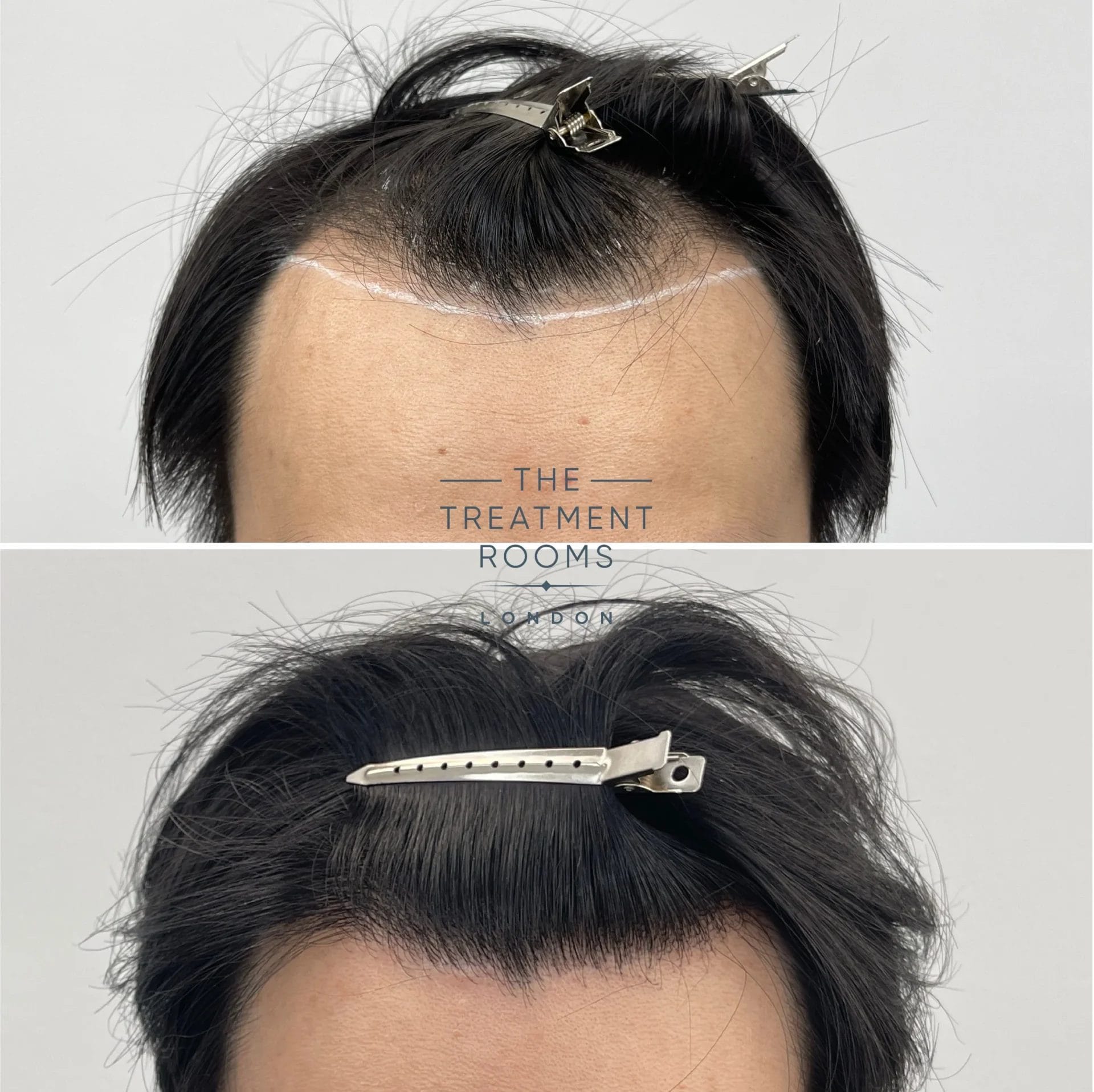
High density hair transplant surgery requires a Surgeon to implant grafts at a density between 50-60 grafts per cm2 to achieve a result that almost mimics natural hair density for a patient. In most hair transplant procedures, hair is re-implanted at a density between 35-45 grafts per cm2. This tends to give a natural result…
Read More