

Sir Elton John has had one of the most remarkable careers in the music industry. Since his rise to fame in the 1970s, he has remained popular as one of the world’s most beloved musicians.
Throughout his career, however, his struggle with hair loss has been equally in the public eye. In fact, he has been candid about his struggles with hair loss due to male-patterned baldness (androgenetic alopecia) in his 20s. Most men experience male-patterned baldness around this age, with androgenetic alopecia becoming more common and severe as they get older.1,2
Elton John in 1974 at the age of 27
The Rocketman’s flamboyant style helped draw attention away from his receding hairline, with elaborate sunglasses and outlandish wigs cementing his eclectic look.
However, in the 1980s, fans noticed he was sporting more hair, and now, his head of hair is thicker and fuller than it was even in his 20s.
What Type of Hair Transplant Did Elton John Have?
The musician wasn’t particular about the exact procedures he had to undergo to restore his hair until 2019, when he revealed in his autobiography, Me, that he had a strip of hair taken from his scalp and transplanted into his crown.
Based on the noticeable difference in his hair density, as well as his statements about undergoing a hair transplant in the late 1970s or early 1980s, it is likely that he had an early version of the Follicular Unit Transplantation (FUT) procedure. This was still a new concept at that time, known as the early strip-harvesting method. He also mentioned having undergone two hair transplants, both of which were unsuccessful.
Why was Elton John’s Hair Transplant Unsuccessful?
Elton John has openly discussed his hair loss and the possible factors that contributed to the failure of his double hair transplant procedures. In his interviews and even his autobiography, he admits that he overlooked certain aspects of post-operative care, which may have affected the results of his transplants. He has stated that his habits with recreational drugs, along with wearing hats immediately after surgery with the wrong technique, could have been why his transplants didn’t take as expected.
“I’m not sure why, but it didn’t take (…) Perhaps it had something to do with the amount of drugs I was taking. Perhaps it had something to do with the fact that the one thing they told me I must not do in the weeks after the procedure was wear a hat, advice I chose to completely ignore (…)” – Elton John, from his autobiography Me (2019)3.
Our surgeons at The Treatment Rooms always emphasise the importance of the first few days after surgery in achieving the best results. During this period, the newly transplanted hair grafts begin to secure themselves into the scalp, and following a proper aftercare routine is key. This includes keeping newly implanted grafts hydrated, nourished, and protected from factors such as physical trauma and sun exposure.
We also advise caution when wearing a cap after surgery. We ask our patients to avoid it as much as possible, but if necessary, there’s a proper way to do it during the first few days to ensure the grafts remain undisturbed.
Elton John in 1979, wearing a hat – just one simple example of the many bold head coverings he embraced from this period onward as part of his iconic style.
Elton John’s journey highlights the importance of proper post-operative care and a healthy lifestyle in achieving successful hair restoration results. His experiences serve as a reminder that even with surgical intervention, the aftercare routine is crucial to achieving the best possible outcome.
For a detailed guide on what to expect after a transplant and how to care for your new hair, you may find our in-depth aftercare guide helpful.
Considerations for Transplanting Elton John’s Hair
Back then, Elton John didn’t have nearly as many options for hair transplants as we do today. At the early stages of his hair loss, he would have been a good candidate for FUE or FUT surgery, and most likely an unshaven procedure to minimise time away from the spotlight. Assessing his hair loss from his 1976 tour pictures, where he mentioned that he has “virtually nothing left on top,” our Surgeons suggested a score of 5 on the Norwood Scale, a popular tool used to grade the severity of hair loss. Our surgeons estimate that, as part of his hair transplant, Elton could have benefited from 3,000-4,500 grafts transplanted into his crown and hairline in two stages, with each graft producing 2-4 hairs.
It makes sense why an unshaven hair transplant is often the go-to choice for those constantly in the public eye. Anyone with a busy lifestyle or a job that involves frequent public appearances might want a more discreet way to restore their hair without too much downtime. To address this, unshaven FUT and FUE techniques can be done, allowing for a subtle recovery while still delivering natural-looking results.
Both methods are highly effective for thinning or receding hairlines, especially for men with male-pattern baldness. If you’re curious how they compare, check out this article for a detailed breakdown of the differences between FUE and FUT.
When considering a hair transplant, selecting a reputable, surgeon-led clinic is crucial. Top-tier clinics provide personalised assessments, employ highly skilled medical teams, and utilise cutting-edge technology to ensure precise, natural-looking results.
Elton John’s Hair Now
Currently, Elton John is happily rocking his professionally fitted toupee! While hair transplantation is a more permanent and natural solution for those experiencing pattern baldness, it isn’t always the right option for everyone.
A successful transplant depends on an individual’s suitability, including whether they have sufficient healthy donor hair for the procedure (or multiple procedures).
Like Elton, if you’re at a stage of experiencing extensive hair loss and a transplant isn’t on the table, there’s absolutely nothing wrong with exploring non-surgical options. We at the Treatment Rooms suggest treatments like Scalp Micro Pigmentation (SMP) or a professionally fitted toupee, which can still help you achieve a look that makes you feel confident.

As John put it himself: “Yes, I am bald, but I don’t like being bald, so I wear a toupee!” And honestly? He seems happy with it, and it suits him – that’s what counts!
Elton John’s Hair Transplant FAQs
- When Did Elton John Start Losing His Hair?
Elton John began losing his hair in the early 1970s, at age 23, just as he was debuting in America. Male pattern baldness (androgenetic alopecia) often starts around this age in men who are genetically predisposed to it, becoming more common and severe with age. - When Did Elton John Get His Hair Transplant?
In his autobiography and interviews, he mentioned getting two hair transplants in the late 70s in Paris by Pierre Putot, after his 1976 tour.
- How Many Hair Transplants Did Elton John Have?
He mentioned that he has had two hair transplants done, both of which were unfortunately unsuccessful. - What Type Of Hair Transplant Procedure Did Elton John Have?
Based on our analysis, available online imagery, and, of course, John’s statements, we can confirm that he underwent an early version of the FUT strip transplant (strip-harvesting method). - Is The Hair Transplant Permanent?
The results should be permanent or last up to 20 years, provided the procedure and recovery went smoothly. Ideally, once the transplanted hair follicles are well-established after some months, they would grow naturally for up to 20 years or for a lifetime. However, as we explored, this was not the case for John. It did not take, possibly because the hair follicles were not well established on his scalp during his aftercare period. Since the late 70s, when Sir Elton John had his hair transplant, hair transplantation methods have evolved drastically and have shown a promising trend in producing successful hair transplants for many. - Does Elton John Wear A Wig?
He has been open about his journey with hair restoration and the various methods he has used over the years. After his hair transplants didn’t take, he initially had a weave done, then turned to hairpieces crafted by Hollywood wig makers. Today, he’s completely transparent about wearing a toupee.
For those who have reached Norwood 7 on the hair loss scale and are no longer suitable for a hair transplant due to limited donor hair, there are still plenty of non-surgical alternatives available. Professionally fitted toupees can help bring back the feeling of having a full head of hair, or for a more subtle approach, Scalp Micro Pigmentation (SMP) is a good alternative to create the appearance of a closely shaved, fuller scalp.
References
- Men’s hair loss (2024). American Hair Loss Association. Available at: https://www.americanhairloss.org/mens-hair-loss/ (Accessed: 18 February 2025).
- NICE (2022). How common is male pattern hair loss?, Male pattern hair loss (male androgenetic alopecia). Available at: https://cks.nice.org.uk/topics/male-pattern-hair-loss-male-androgenetic-alopecia/background-information/prevalence/ (Accessed: 18 February 2025).
- John, E. (2019) Me. London: MacMillan, an imprint of Pan MacMillan. https://us.macmillan.com/books/9781250147608/me/
Get in Touch
Want to understand how a hair transplant can help you? Secure your no-obligation consultation with our London hair transplant clinic. Our award-winning hair transplant clinic, including leading London hair transplant surgeons Dr Fernando and Dr Vara, are here to support you every step of the way.
At treatment rooms, we specialise in FUE, FUT and DHI hair transplants. Feel free to get in touch to find out more.
Share:
Authored by
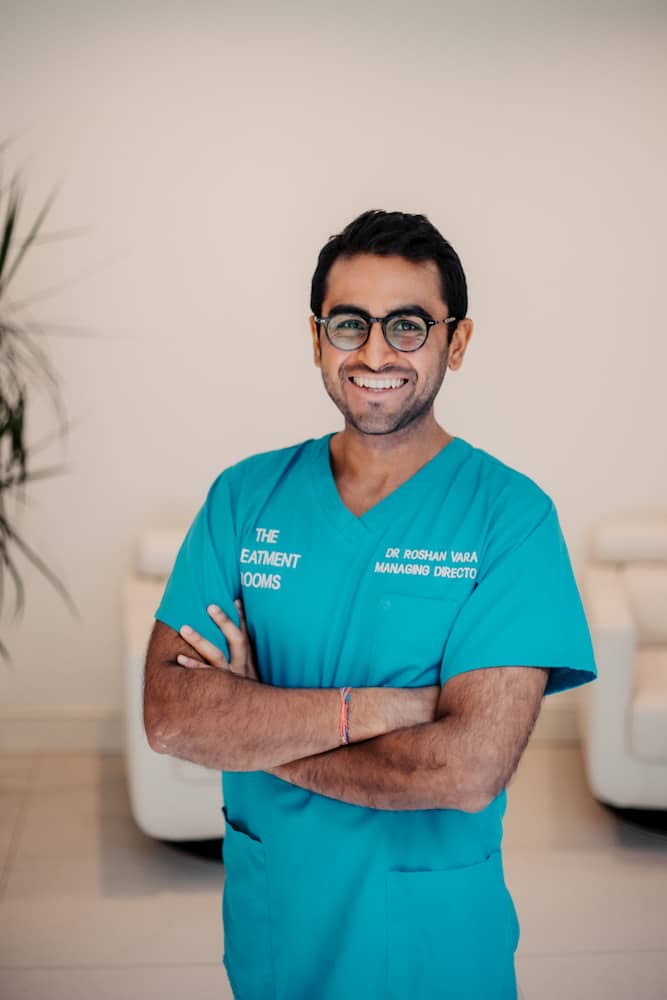
Dr Roshan Vara
Dr. Roshan Vara is a renowned hair transplant surgeon in London and the Co-Founder of our award winning hair transplant clinic, The Treatment Rooms London.He has over 10 years of experience in hair transplant surgery and is recognised for delivering natural-looking results through ethical, patient-centred care. He is a Full Medical Member of BAHRS and an Associate Member of ISHRS, reflecting his commitment to the highest standards in modern hair restoration.
Reviewed by

Dr Dilan Fernando
Dr. Dilan Fernando is regarded as one of the best hair transplant surgeons in London and Co-Founder of The Treatment Rooms London. He has over 10 years of experience in hair transplant surgery and is known for his meticulous technique and commitment to ethical practice. He served on the Executive Committee of BAHRS from 2020 to 2024, helping to shape industry standards for patient safety and quality of care. Dr. Fernando personally performs each surgery, ensuring natural results built on trust and experience.
Book a Consultation
Related Blogs
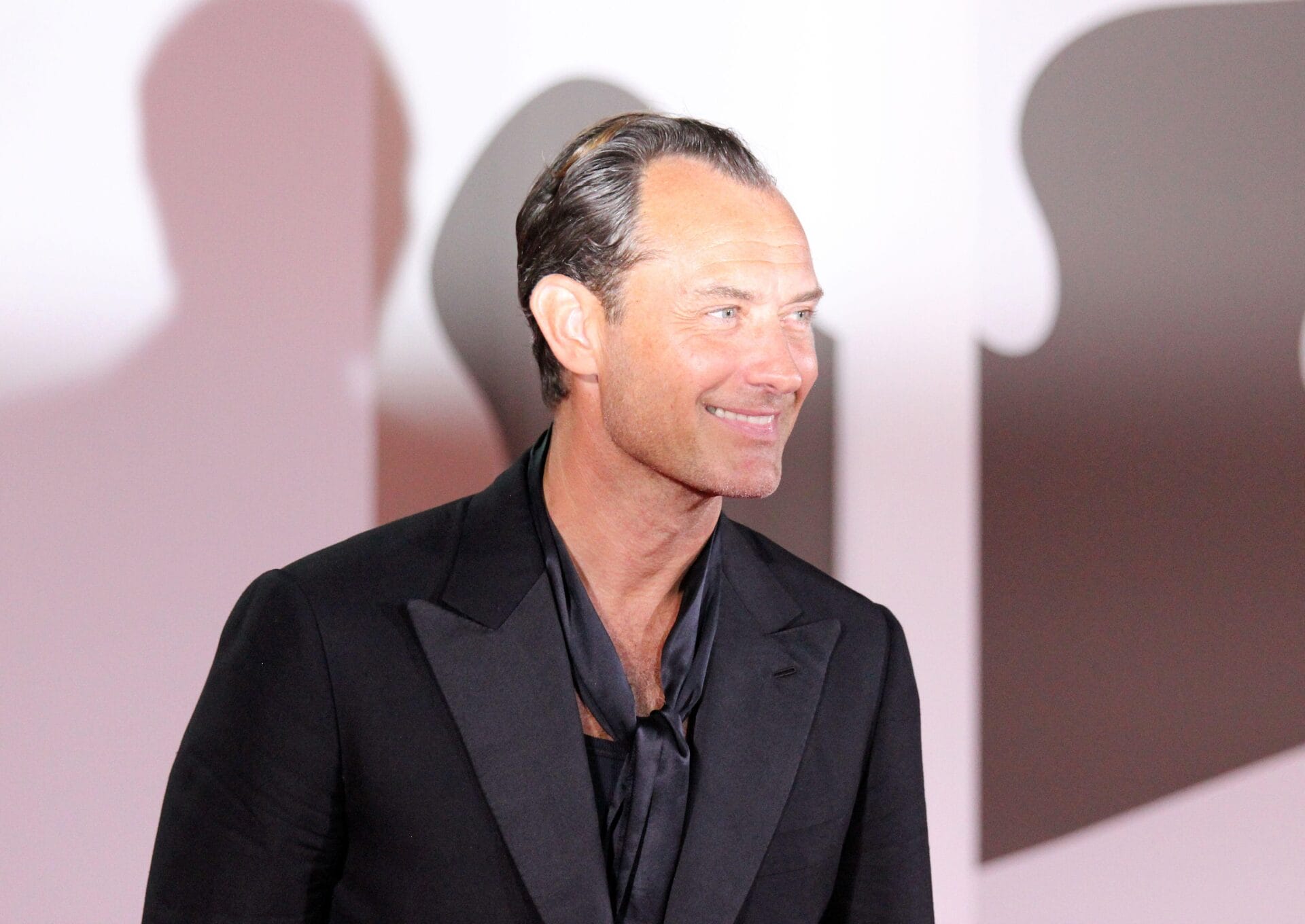
Jude Law Hair Transplant: Before, After, and His New Hairline
March 31, 2026
Jude Law, the British actor known for roles in The Talented Mr Ripley, Sherlock Holmes, and Fantastic…
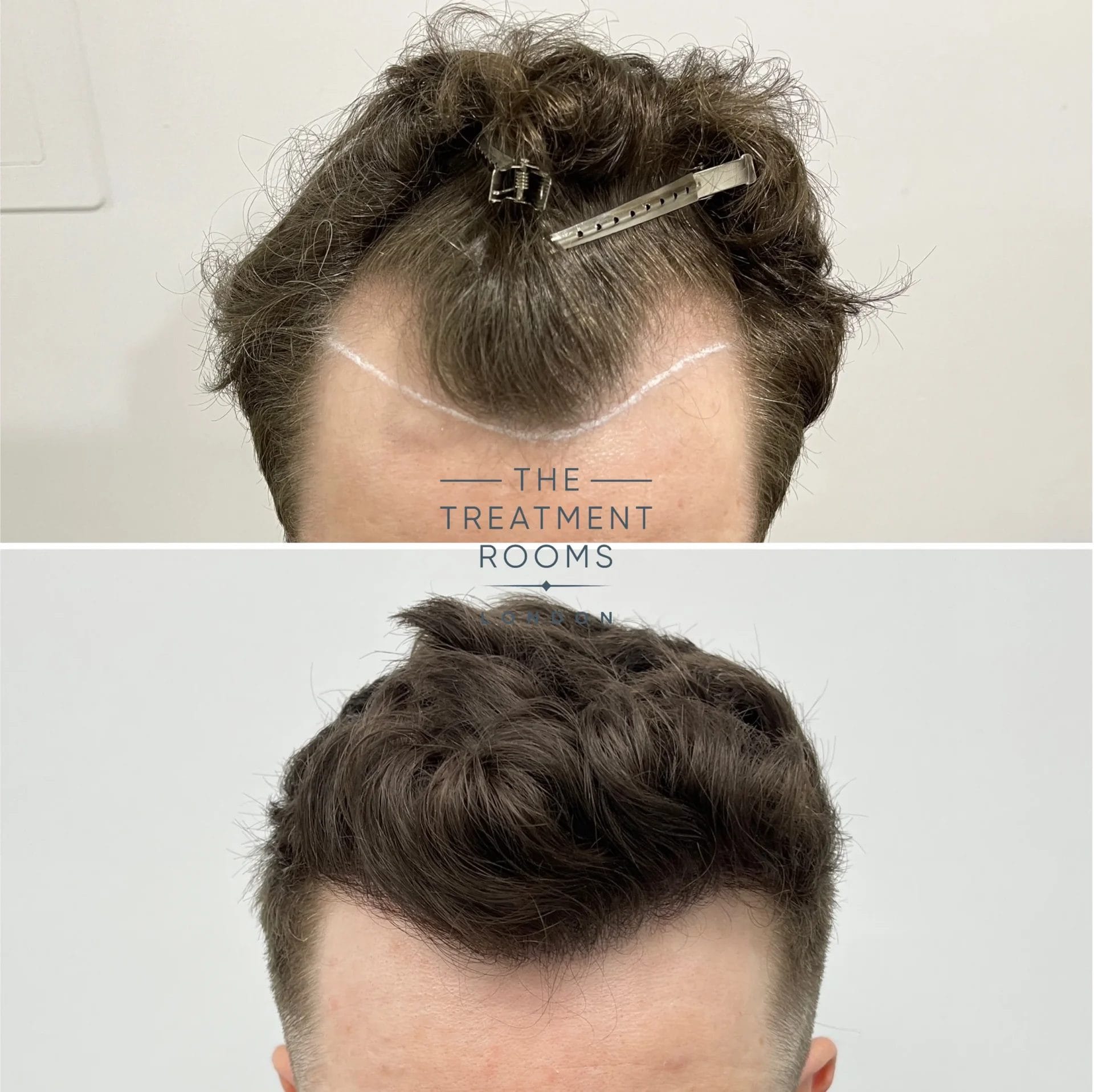
Hair Loss In Your 20s- What You Need To Know
March 24, 2026
Key Takeaways Hair thinning or excessive hair shedding in your 20s is often due to genetics, stress,…
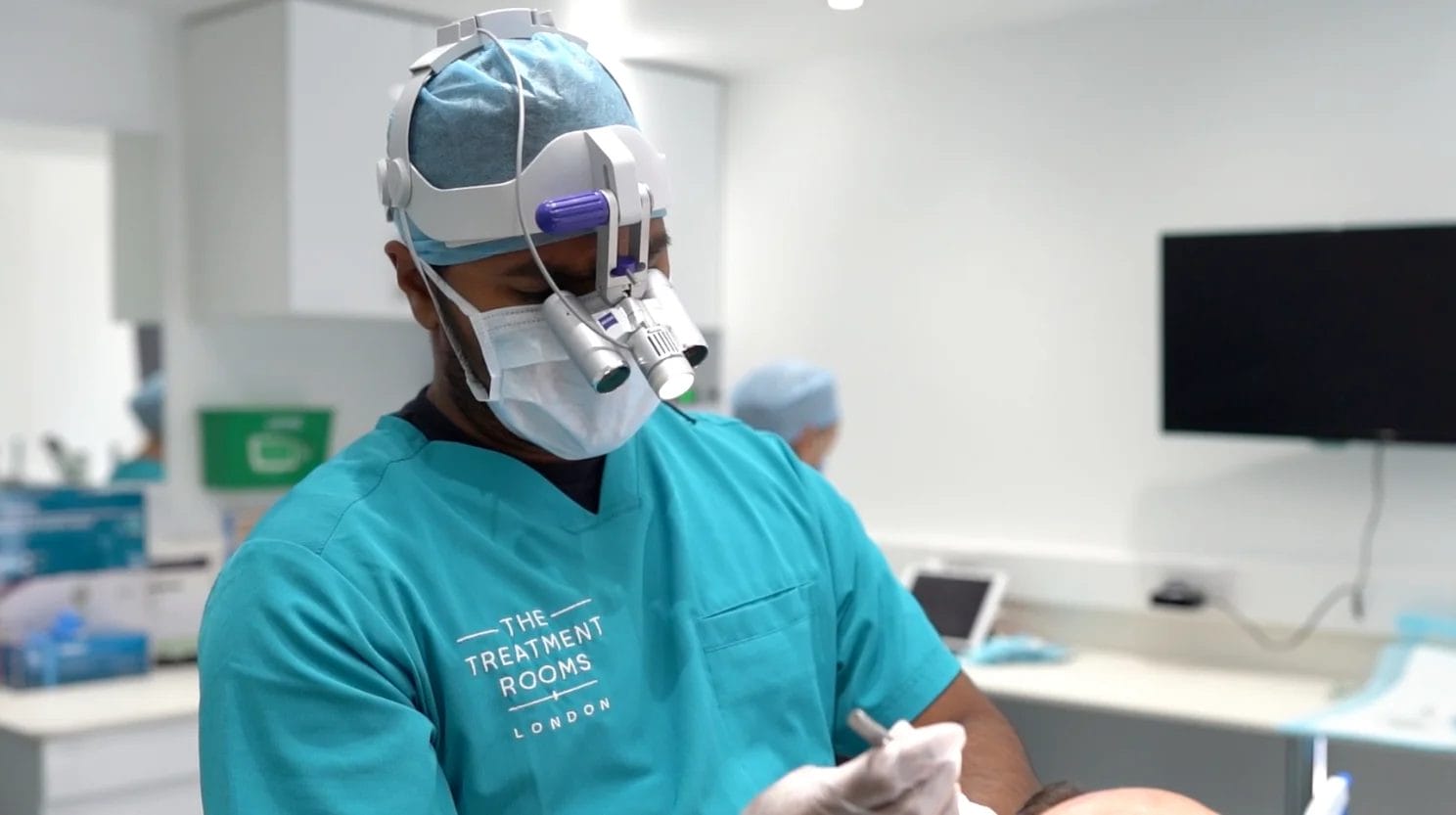
How Long Does a Hair Transplant Take? The Average FUE & FUT Surgery Duration Explained
March 24, 2026
Key Takeaways Are you considering a hair transplant and wondering how long the process takes? The answer…

Steve Carell Hair Transplant: Before, After, and His New Hairline
March 2, 2026
Steve Carell, best known as Michael Scott in The Office, began sparking curiosity amongst fans when his…

What Is Nutrafol and Does It Really Work for Hair Growth?
February 24, 2026
Key Takeaways Hair thinning can feel frustrating and confusing. You might notice more hair falling out in…

Peppermint oil for hair growth: Evidence, Benefits, Uses & Safety
February 24, 2026
Key Takeaways What Is Peppermint Oil? Peppermint oil, also known as Mentha piperita oil, is an essential…

Why Winter Hair Loss Happens and All You Need to Know
February 6, 2026
Key Takeaways As temperatures drop and indoor heating kicks in, many people notice their hair feels drier,…

Can You Take Finasteride With Minoxidil For Hair Loss?
February 5, 2026
Key Takeaways Consistency Matters: Stopping treatment often leads to a recurrence of hair loss; ongoing medical guidance…
Does Finasteride Cause Erectile Dysfunction?
February 3, 2026
Key Takeaways Finasteride can cause erectile dysfunction in some men, but it isn’t common. Most men who…