

Key Takeaways
- About Crown Balding: Hair loss in the crown region is common, and usually begins with gradual thinning on the top of the head.
- Main Cause: The most common cause of crown hair loss is androgenetic alopecia, which is driven by genetics and sensitivity to a hormone called dihydrotestosterone (DHT).
- Best Haircuts: Short haircuts, such as buzz cuts, fades, and crew cuts, can make thinning less noticeable. Texture styles can also hide more of the scalp and boost volume.
- Early Treatment: Although some haircuts and styles may conceal a balding crown, they are a short-term measure. Crown hair loss is generally a progressive condition that will continue without treatment. Treating crown hair loss early gives you the best chance to slow further thinning and preserve the hair you have.
- Treatment Options: Medical treatments such as Finasteride and Minoxidil, as well as other therapies like PRP and laser light therapy, may help to slow down the progression and improve hair density. For more permanent results, a hair transplant can be quite transformative.
- Consult a Specialist: If thinning is getting worse or just starting, you should talk to a dermatologist or hair specialist to treat hair loss early.
What is a Balding Crown?
You may not notice your crown is thinning until someone else points it out or until a photograph is taken from above. Unlike a receding hairline, which is visible face-on, crown thinning happens on the top of your head and is only noticeable from certain angles.
By the time crown thinning becomes obvious, it has typically been developing quietly for months, sometimes years. In male-patterned hair loss, hair follicles are gradually destroyed by the hormone dihydrotestosterone (DHT), resulting in progressively thinner, shorter hairs with each growth cycle until the scalp beneath becomes visible. The scientific name for male-patterned hair loss is androgenetic alopecia.
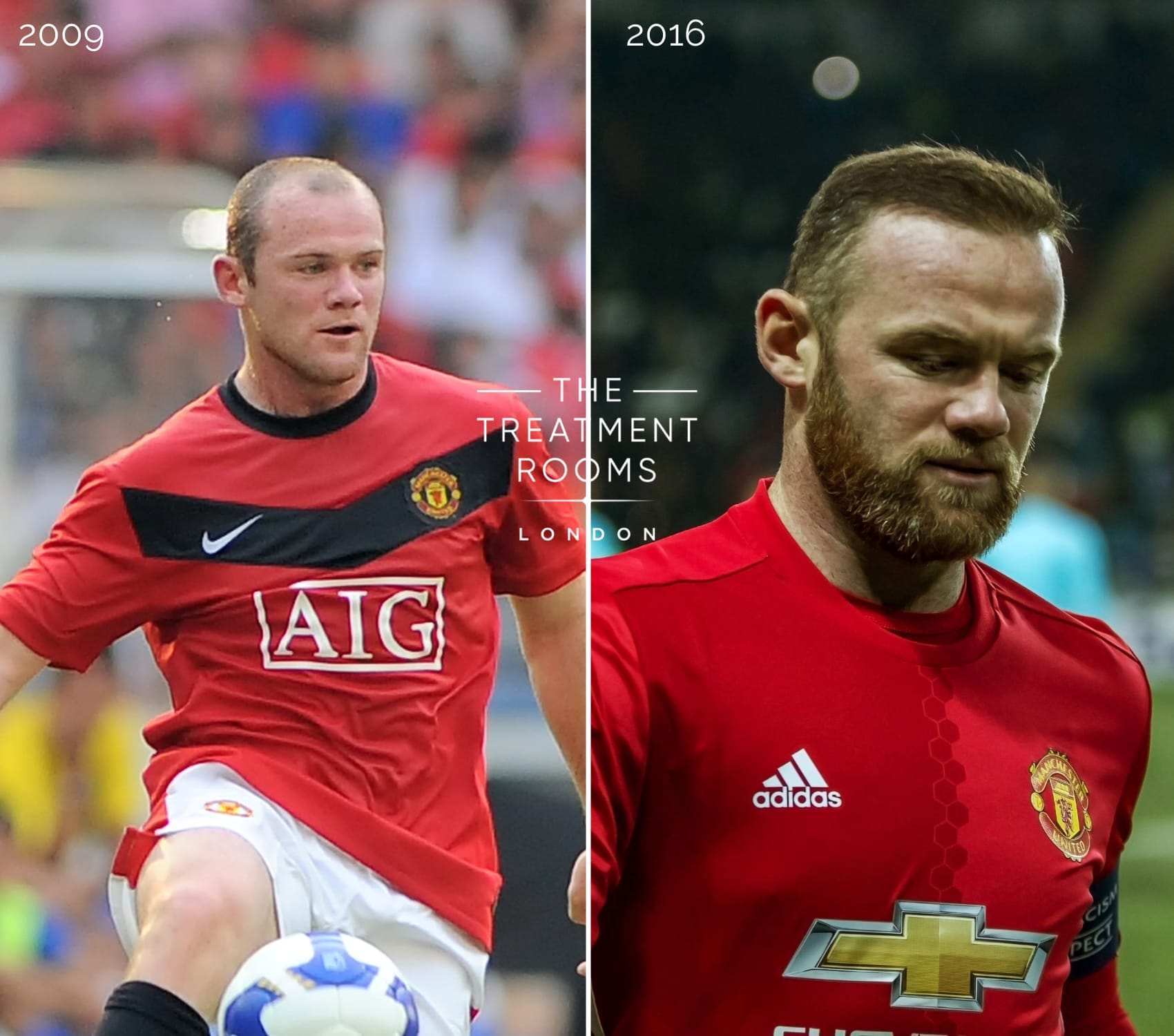
Crown balding is one of the most common and predictable forms of hair loss in most men. By age 50, male pattern baldness affects about half of men, and the crown is frequently where it begins or is first noticed.2
The right hairstyle can make crown thinning less visible in the short term. However, because crown balding is progressive, the earlier it is identified and treated, the better the chance of slowing hair loss and preserving the hair that remains.
What are the Common Causes of Crown Balding?
The most common cause of crown balding is androgenetic alopecia (male pattern baldness), a genetically driven condition that is influenced by sensitivity to the hormone dihydrotestosterone (DHT) 1. Over time, DHT shortens the hair growth phase, causing follicles to shrink and hair to become thinner and weaker with each cycle. The first areas to get affected are usually the crown and frontal scalp. 6
Although the main causes of crown balding are genetics and DHT, other less common factors include:
- Hormonal imbalances, such as thyroid disorders, can disrupt the hair growth cycle and lead to diffuse thinning.
- Telogen effluvium: a temporary shedding triggered by stress, illness, surgery, or rapid weight loss, and is usually reversible once the underlying cause is addressed. Alopecia areata: an autoimmune condition that causes patchy hair loss, including at the crown.
- Nutritional deficiencies: particularly low levels of iron, vitamin D, zinc, biotin, or protein, which can contribute to increased shedding and slower hair regrowth.
- Traction alopecia: caused by repeated tension from tight hairstyles such as braids, cornrows, or extensions, and may cause progressive damage to follicles over time.
The 5 Best Hairstyles for a Balding Crown
Crown balding does not look the same on every man, and the right hairstyle depends on how much hair you have left and where the thinning is concentrated. To make this practical, the haircuts below are organised by stage of loss.

5 Best Haircuts to Reduce the Appearance of Thinning
- Norwood Stage 1-3: Modern Comb-Over
A short, natural side-swept style that uses light volume and matte products to subtly cover early thinning without exposing the scalp; it works best while density is still sufficient to create soft, believable coverage.

2. Norwood Stage 1-4: The Textured Crop (Norwood 1–4)
The texture helps make thinning less noticeable. When styled with matte products, it creates the illusion of density without needing actual thickness.

3. Norwood Stage 2-5: The Crew Cut with Taper Fade
A fade shifts focus from your crown by drawing attention to the sides and back. It works because the gradual length difference softens recession without exposing the scalp too aggressively.
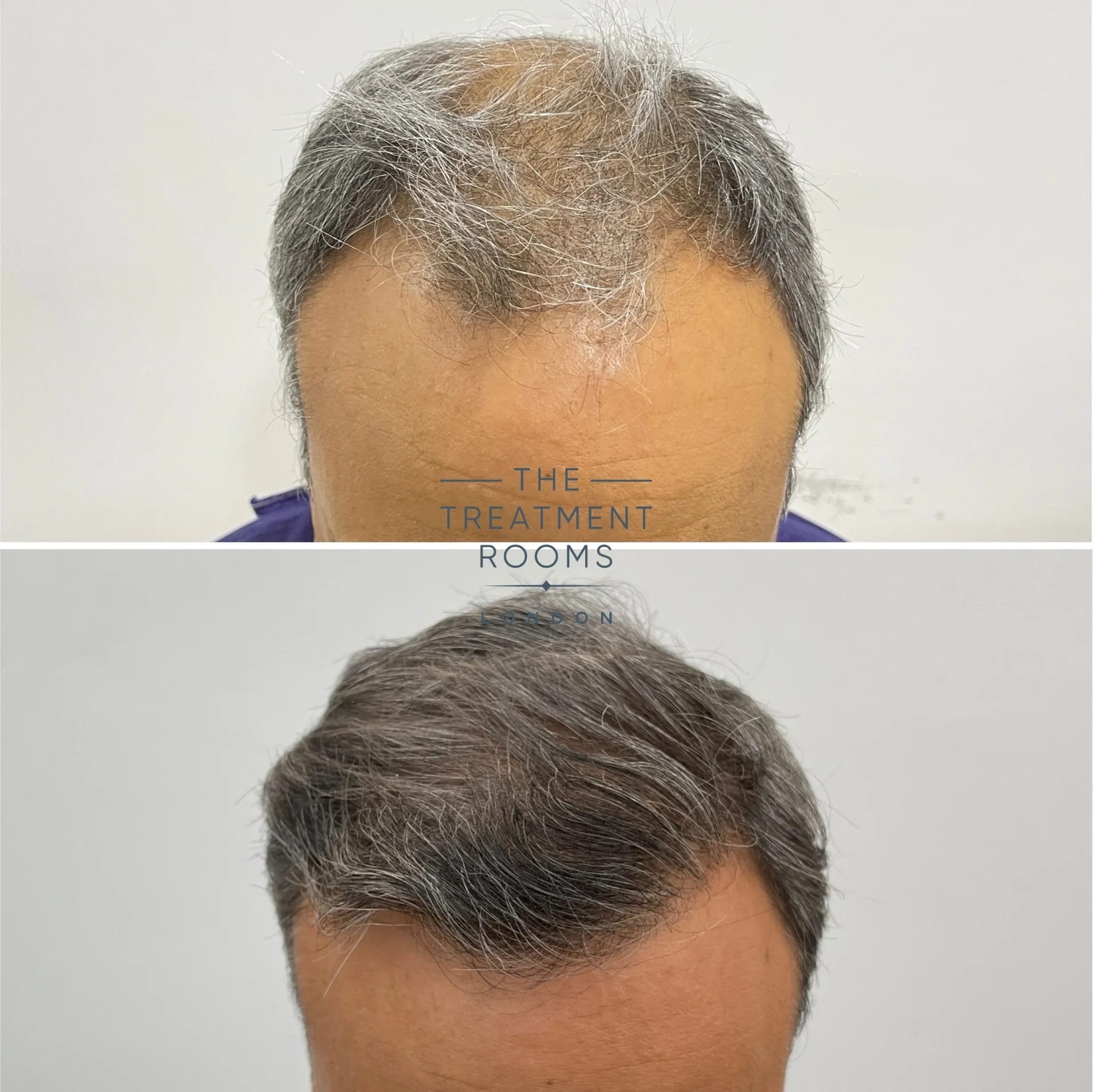
4. Norwood Stage 2-7: The Buzz Cut
The buzz cut keeps hair short and even, and is very effective in advanced stages as it greatly minimises the contrast between thinning and dense areas.
5. Norwood Stage 6-7: Clean Shave with Full Beard
A fully shaved head removes contrast, creating a clean and uniform look. A full beard adds structure and balance to the face.

Hairstyles Practices to Avoid
To prevent your thinning crown from being more noticeable, it’s important to avoid certain habits and styling choices that can make it more visible, such as:
- Long, unstructured hairstyles that separate easily and make the scalp more visible.
- Comb-overs that can highlight obvious gaps in coverage, such as a classic comb-over, side sweep combover.
- High shine or wet-look products that clump hair together and expose more scalp.
- Tight hairstyles such as braids, cornrows, or extensions that place repeated tension on hair follicles and contribute to traction-related hair loss over time.
The Most Effective Ways to Treat Hair Loss at the Crown
As hair loss progresses, treatment options can become more complex and expensive, with hair transplant surgery being a final option in restoring effective density. Early diagnosis and treatment can help you hold on to your natural hair for longer, before too much is lost and effective coverage is lost. 1
- Non-Surgical Options:
- Finasteride(oral and topical) is the gold-standard medical treatment for male pattern hair loss, as it helps block DHT production and prevent hair follicles from being damaged over time. 5 9
- Minoxidil(oral and topical) can also be effective, as it stimulates hair growth and strengthens existing hair strands 2 8.
- Low-level light therapy (LLLT) works by delivering light energy to scalp cells to stimulate hair follicles and extend the hair-growing period, increasing hair density and thickness 14.
Platelet-rich plasma (PRP) involves the injection of concentrated growth factors from your own blood to stimulate follicle activity and enhance blood circulation, thereby enhancing overall hair growth.15
Combination Therapy
While all the therapies listed above are valid treatment options, Finasteride and Minoxidil are first-line therapies for male-patterned hair loss due to their robust research and effectiveness. When taken together, or alongside alternative treatments, patients can experience successful regrowth and stabilisation of their hair loss.
- Surgical Options:
In more advanced cases of hair loss, hair transplant surgery can be quite a transformative option.
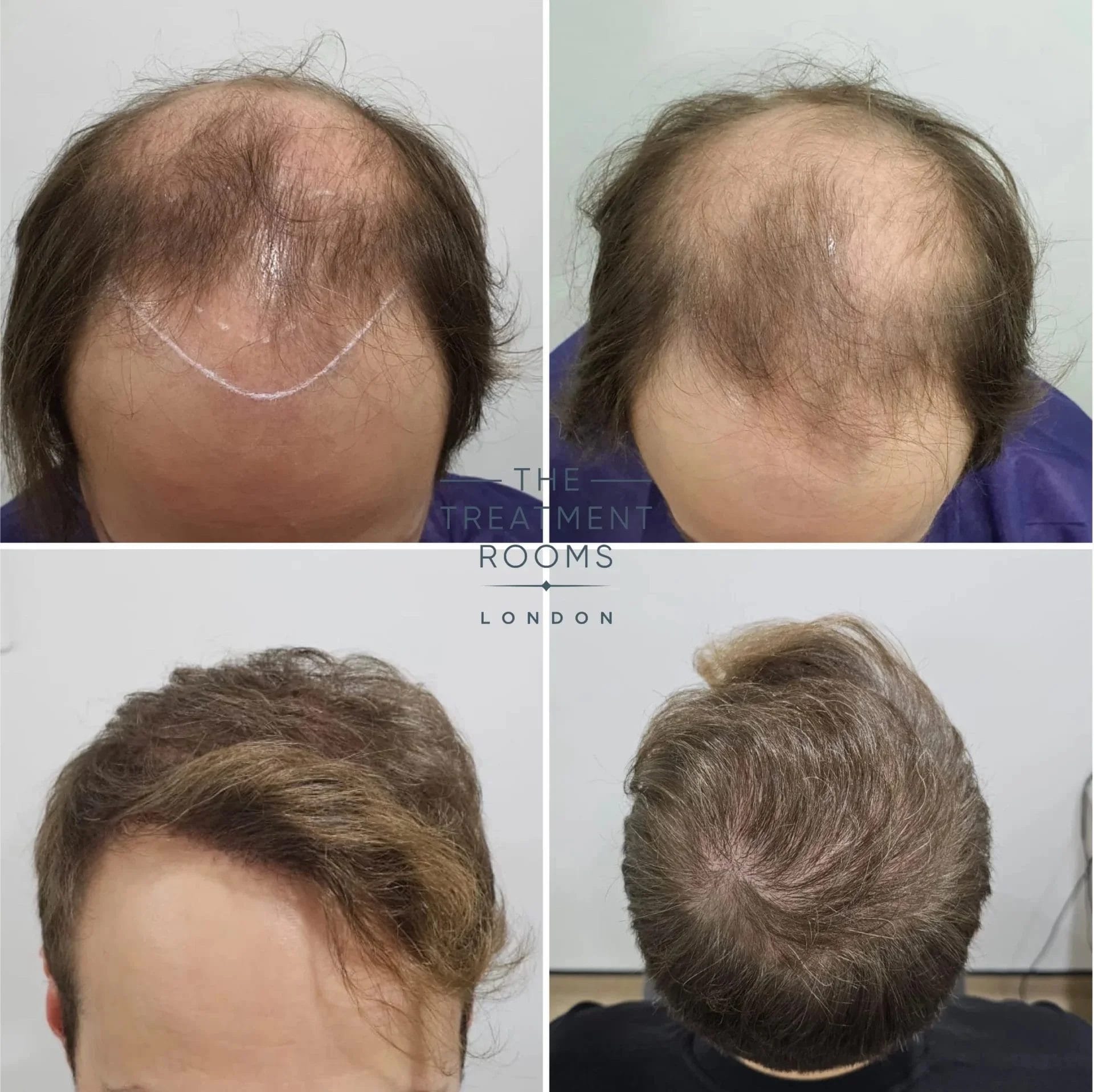
A crown hair transplant involves the careful redistribution of healthy, DHT-resistant hair follicles (usually from the back and sides of the scalp) to the thinning crown area, where they gradually grow in and blend naturally with the existing hair over 12-18 months.
An example of surgical results can be seen below:

Conclusion
Crown hair loss is common, predictable, and treatable. A well-chosen haircut can improve how your hair looks immediately, but the real long-term value comes from treating the cause early. For many patients, the best approach is a combination of smart styling, medical treatment, and, when needed, hair transplant planning.
If you are noticing significant crown thinning and want to understand your treatment options, our expert surgeons at The Treatment Rooms London can help guide you towards the right course of action.
Frequently Asked Questions
Can crown hair grow back?
Sometimes, yes. Early stages of crown thinning can be treated with medications, but long-standing loss can be more difficult to reverse.
Should I shave my head if my crown is thinning?
A shorter cut tends to reduce contrast; this is up to personal style and preference.
Does short hair stop hair loss?
No, short hair does not stop hair loss, but it can make thinning less noticeable and help hair look fuller.
Is crown balding reversible?
Crown balding can often be slowed, stabilised, or partly improved if treated early. Advanced loss may need a transplant to make a meaningful change.
References
- Asfour L, Cranwell W, Sinclair R. Male Androgenetic Alopecia. [Updated 2023 Jan 25]. In: Feingold KR, Adler RA, Ahmed SF, et al., editors. Endotext [Internet]. South Dartmouth (MA): MDText.com, Inc.; 2000-. Available from: https://www.ncbi.nlm.nih.gov/books/NBK278957/
- American Academy of Dermatology Association. What is male pattern hair loss, and can it be treated? Available from: https://www.aad.org/public/diseases/hair-loss/treatment/male-pattern-hair-loss-treatment
- Krupa Shankar, D., Chakravarthi, M., & Shilpakar, R. (2009). Male androgenetic alopecia: population-based study in 1,005 subjects. International journal of trichology, 1(2), 131–133. https://doi.org/10.4103/0974-7753.58556
- Severi, G., Sinclair, R., Hopper, J. L., English, D. R., McCredie, M. R., Boyle, P., & Giles, G. G. (2003). Androgenetic alopecia in men aged 40-69 years: prevalence and risk factors. The British journal of dermatology, 149(6), 1207–1213. https://doi.org/10.1111/j.1365-2133.2003.05565.x
- National Health Service. Common questions about finasteride, Brand names: Proscar, Propecia. Available from: https://www.nhs.uk/medicines/finasteride/common-questions-about-finasteride/
- Ho CH, Sood T, Zito PM. Androgenetic Alopecia. [Updated 2024 Jan 7]. In: StatPearls [Internet]. Treasure Island (FL): StatPearls Publishing; 2026 Jan-. Available from: https://www.ncbi.nlm.nih.gov/books/NBK430924/
- Gupta, M., & Mysore, V. (2016). Classifications of Patterned Hair Loss: A Review. Journal of cutaneous and aesthetic surgery, 9(1), 3–12. https://doi.org/10.4103/0974-2077.178536
- Adil, A., & Godwin, M. (2017). The effectiveness of treatments for androgenetic alopecia: A systematic review and meta-analysis. Journal of the American Academy of Dermatology, 77(1), 136–141.e5. https://doi.org/10.1016/j.jaad.2017.02.054
- Bajoria, P. S., Dave, P. A., Rohit, R. K., Tibrewal, C., Modi, N. S., Gandhi, S. K., & Patel, P. (2023). Comparing Current Therapeutic Modalities of Androgenic Alopecia: A Literature Review of Clinical Trials. Cureus, 15(7), e42768. https://doi.org/10.7759/cureus.42768
- Mosh. Best Hairstyles for Balding Men: Buzz cuts, textured crops, and styles to disguise thinning hair. Available from: https://www.getmosh.com.au/hair-loss/hairstyles-when-balding
- Pilot. Best Haircuts to Hide a Balding Crown: Crew cut, Caesar cut, and buzz cut styling guide. Available from: https://pilot.com.au/co-pilot/haircuts-for-balding-crown
- Faghihi, G., Mozafarpoor, S., Asilian, A., Mokhtari, F., Esfahani, A. A., Bafandeh, B., Nouraei, S., Nilforoushzadeh, M. A., & Hosseini, S. M. (2018). The effectiveness of adding low-level light therapy to minoxidil 5% solution in the treatment of patients with androgenetic alopecia. Indian journal of dermatology, venereology and leprology, 84(5), 547–553. https://doi.org/10.4103/ijdvl.IJDVL_1156_16
- Pakhomova, E. E., & Smirnova, I. O. (2020). Comparative Evaluation of the Clinical Efficacy of PRP-Therapy, Minoxidil, and Their Combination with Immunohistochemical Study of the Dynamics of Cell Proliferation in the Treatment of Men with Androgenetic Alopecia. International journal of molecular sciences, 21(18), 6516. https://doi.org/10.3390/ijms21186516
- Lueangarun, S., Visutjindaporn, P., Parcharoen, Y., Jamparuang, P., & Tempark, T. (2021). A Systematic Review and Meta-analysis of Randomized Controlled Trials of United States Food and Drug Administration-Approved, Home-use, Low-Level Light/Laser Therapy Devices for Pattern Hair Loss: Device Design and Technology. The Journal of clinical and aesthetic dermatology, 14(11), E64–E75. https://pubmed.ncbi.nlm.nih.gov/34980962/
- Lopes-Silva, R., Santos, M., Sequeira, M. L., Silva, A., Antunes, T., Valejo-Coelho, P., & Neiva-Sousa, M. (2025). Platelet-Rich Plasma Effectiveness in Treating Androgenetic Alopecia: A Comprehensive Evaluation. Cureus, 17(1), e77371. https://doi.org/10.7759/cureus.77371
- International Society of Hair Restoration Surgery. FUE Hair Transplant: Benefits, Process & Recovery. Available from: https://ishrs.org/fue-what-is-it/
- International Society of Hair Restoration Surgery. Harvesting of Donor Hair for Hair Transplants. Available from: https://ishrs.org/harvesting-of-donor-hair-for-hair-transplants/
- Huang, C. H., Fu, Y., & Chi, C. C. (2021). Health-Related Quality of Life, Depression, and Self-esteem in Patients With Androgenetic Alopecia: A Systematic Review and Meta-analysis. JAMA dermatology, 157(8), 963–970. https://doi.org/10.1001/jamadermatol.2021.2196
Share:
Authored by

Dr Roshan Vara
Dr. Roshan Vara is a renowned hair transplant surgeon in London and the Co-Founder of our award winning hair transplant clinic, The Treatment Rooms London.He has over 10 years of experience in hair transplant surgery and is recognised for delivering natural-looking results through ethical, patient-centred care. He is a Full Medical Member of BAHRS and an Associate Member of ISHRS, reflecting his commitment to the highest standards in modern hair restoration.
Reviewed by

Dr Dilan Fernando
Dr. Dilan Fernando is regarded as one of the best hair transplant surgeons in London and Co-Founder of The Treatment Rooms London. He has over 10 years of experience in hair transplant surgery and is known for his meticulous technique and commitment to ethical practice. He served on the Executive Committee of BAHRS from 2020 to 2024, helping to shape industry standards for patient safety and quality of care. Dr. Fernando personally performs each surgery, ensuring natural results built on trust and experience.
Book a Consultation
Related Blogs
Dr Vara featured on ITV’s This Morning
June 17, 2026
When ‘Nice Hair Transplant’ Isn’t The Compliment You Were Hoping For… When our repair surgery patient Shaun…

2026 World Cup Stars and Hair Transplant Speculation: 5 Footballers to Watch Out For
June 9, 2026
Key Takeaways As the 2026 FIFA World Cup approaches, some of football’s biggest names will once again…

A Guide To Double Crowns: What Are They?
June 5, 2026
Quick Summary of Double Crowns What is a Double Crown? The crown of your head refers to…
Finasteride and Its Side Effects: What You Need to Know
June 4, 2026
Quick Summary: Finasteride and Its Side Effects Finasteride for Hair Loss: Originally developed for prostate enlargement, Finasteride…
Minoxidil For Eyebrows – Does It Work?
June 3, 2026
Quick Summary: Eyebrows & Minoxidil Understanding Eyebrow Hair Loss: Eyebrow hair loss is commonly caused by over-plucking,…

Does Drinking Alcohol Cause Hair Loss?
June 1, 2026
Key Takeaways Alcohol has been linked to hair loss in several studies, but the evidence is more…

30 Footballer Hair Transplant Transformations: All You Need to Know
May 22, 2026
Key Takeaways Visible transformations in footballers show that hair transplants can significantly improve the appearance of the…
Can I Get a Hair Transplant While Using Testosterone Replacement Therapy(TRT)?
May 18, 2026
Key Takeaways Testosterone Replacement Therapy (TRT) is commonly prescribed for men with low testosterone, a condition called…

Can A Vegan Or Vegetarian Diet Cause Hair Loss?
May 15, 2026
Key Takeaways In most cases, diet-related hair loss is reversible. However, persistent, patterned, or unexplained hair loss…