

Temple hair transplant surgery involves relocating hair from the back and sides of the scalp into the temples. The transplanted hair takes 9-12 months to grow and will last 10-20 years.
Our Surgeons at The Treatment Rooms London are world renowned experts in performing temple hair transplants using the unshaven technique giving patients a quicker recovery time.
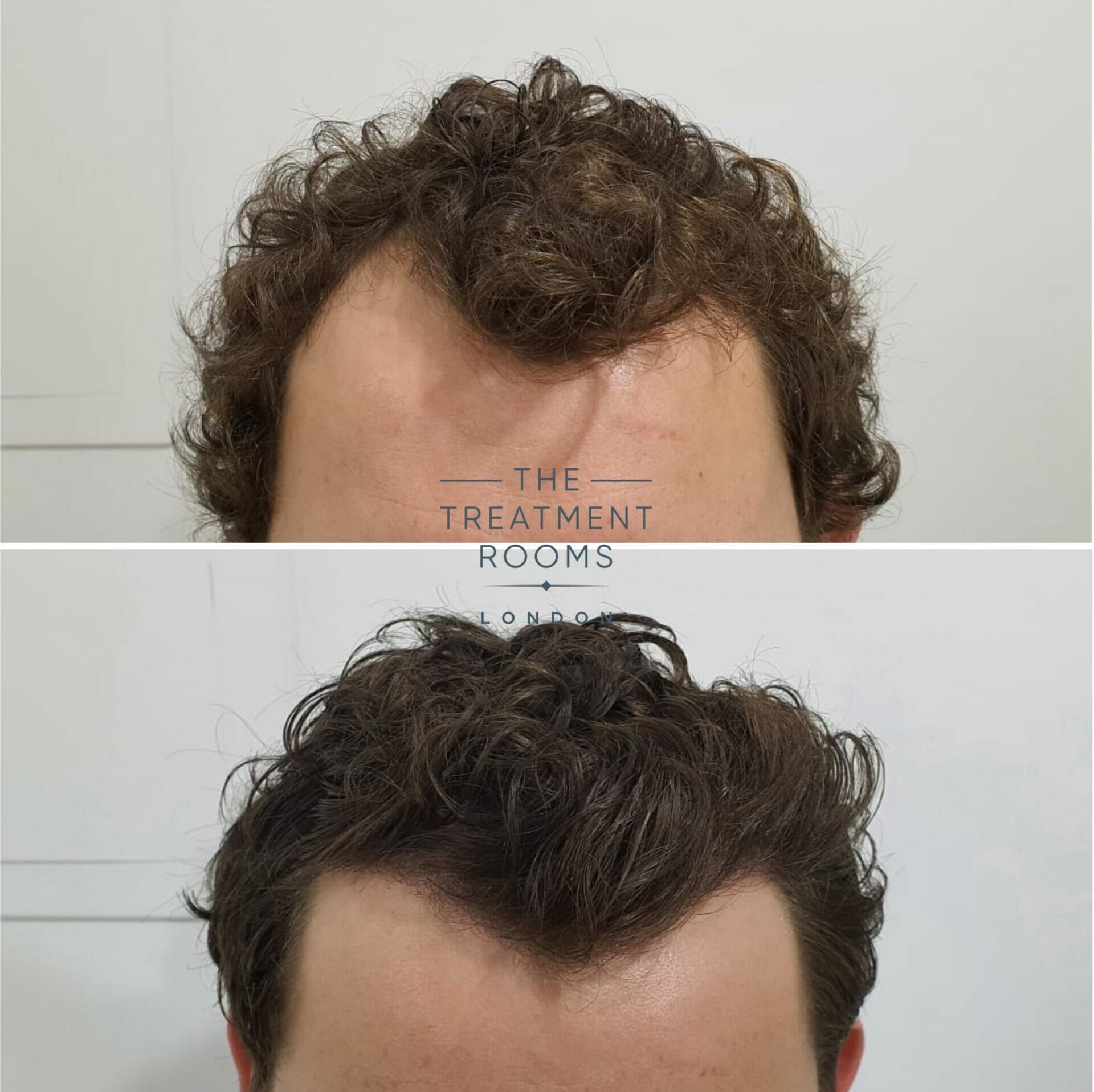
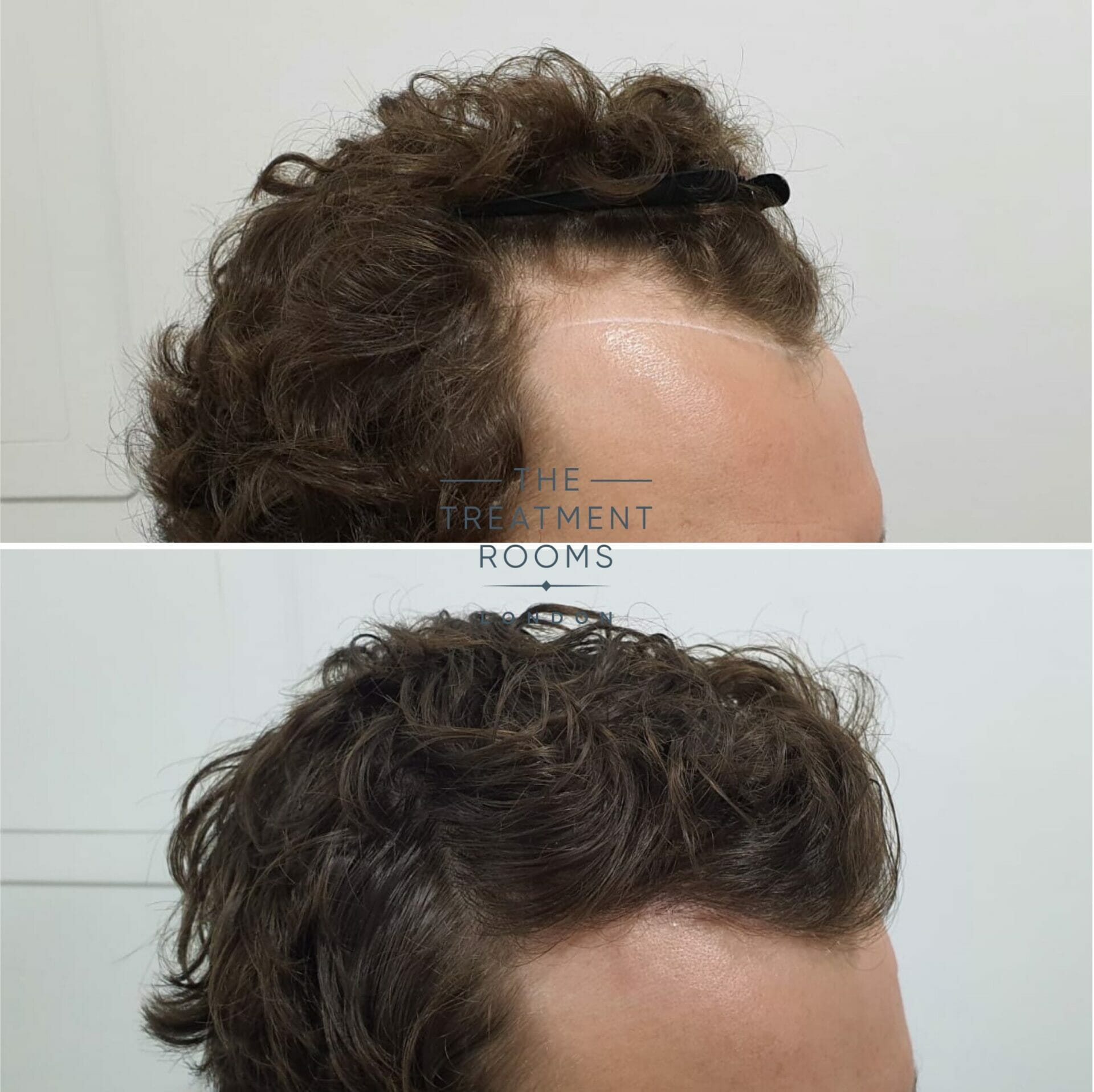
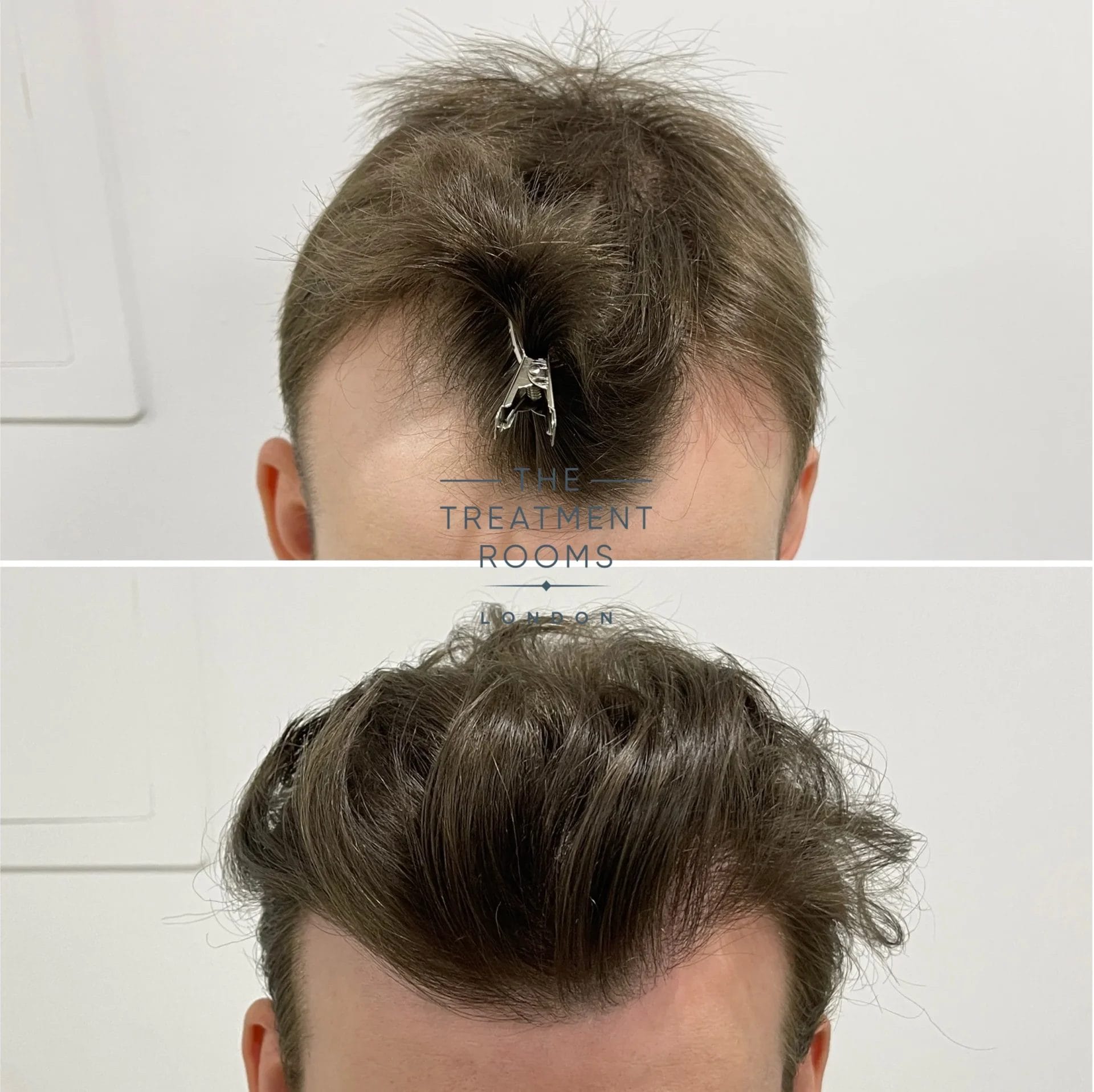
Temple Hair Transplant Before and After
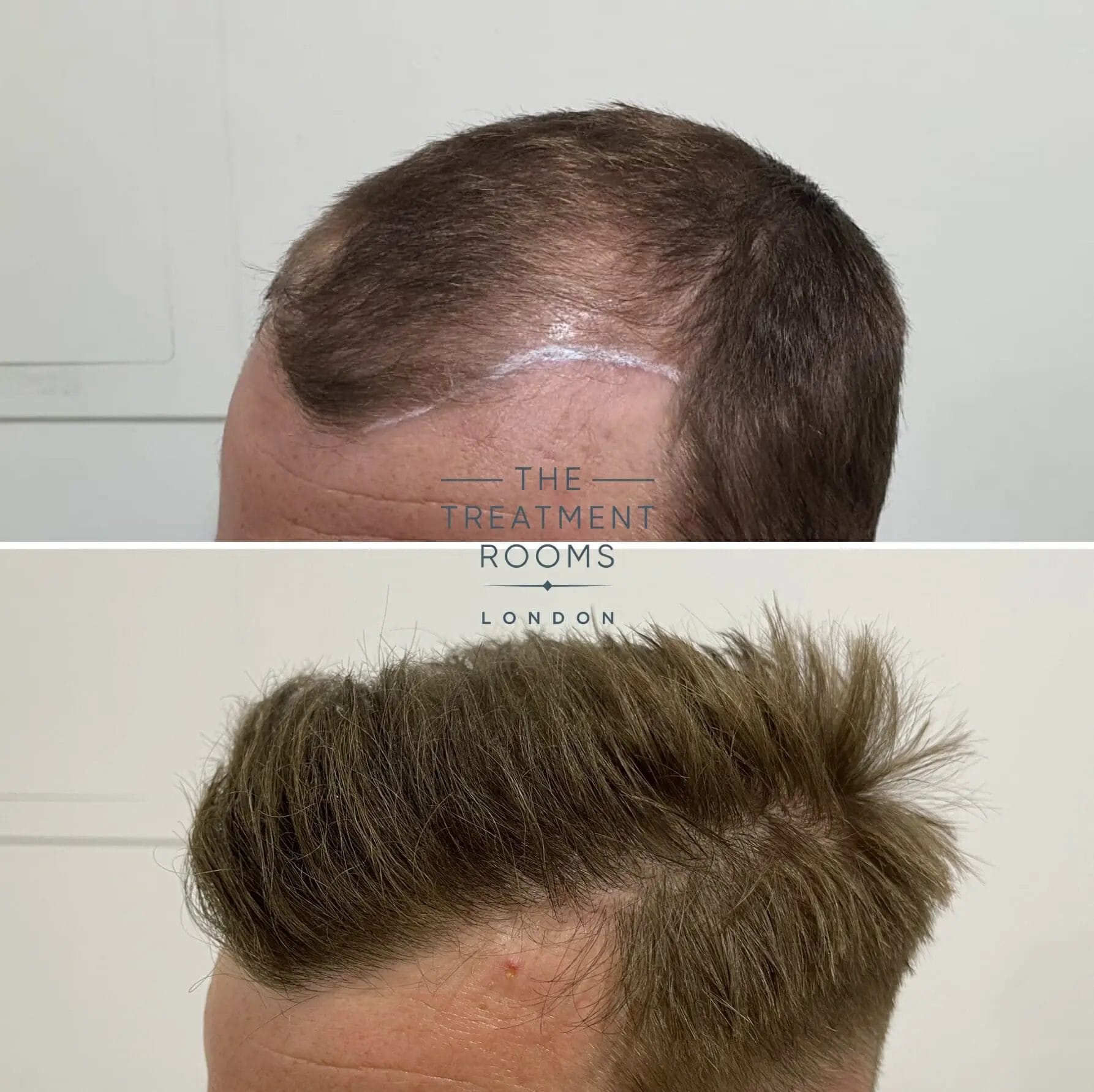
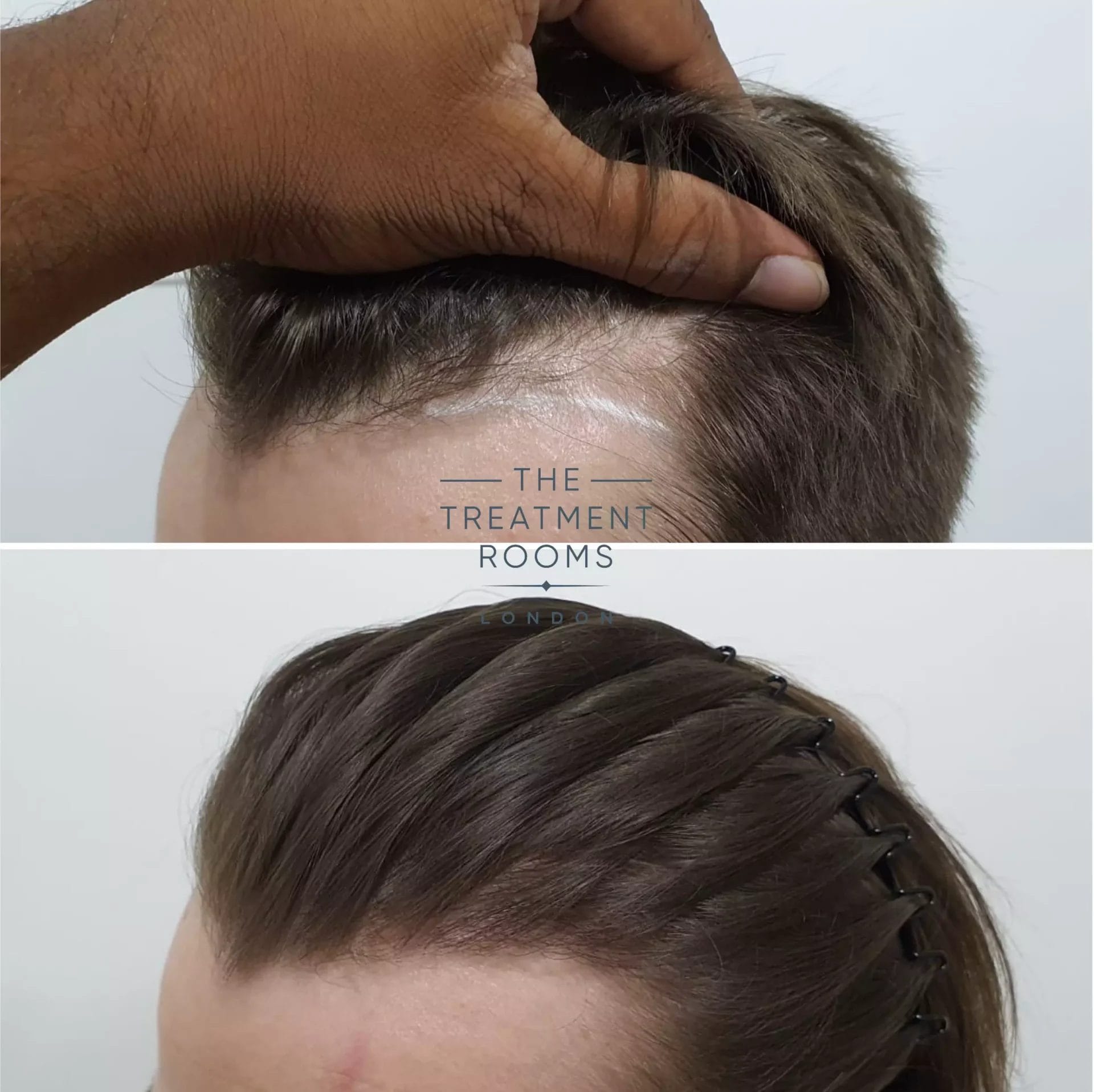


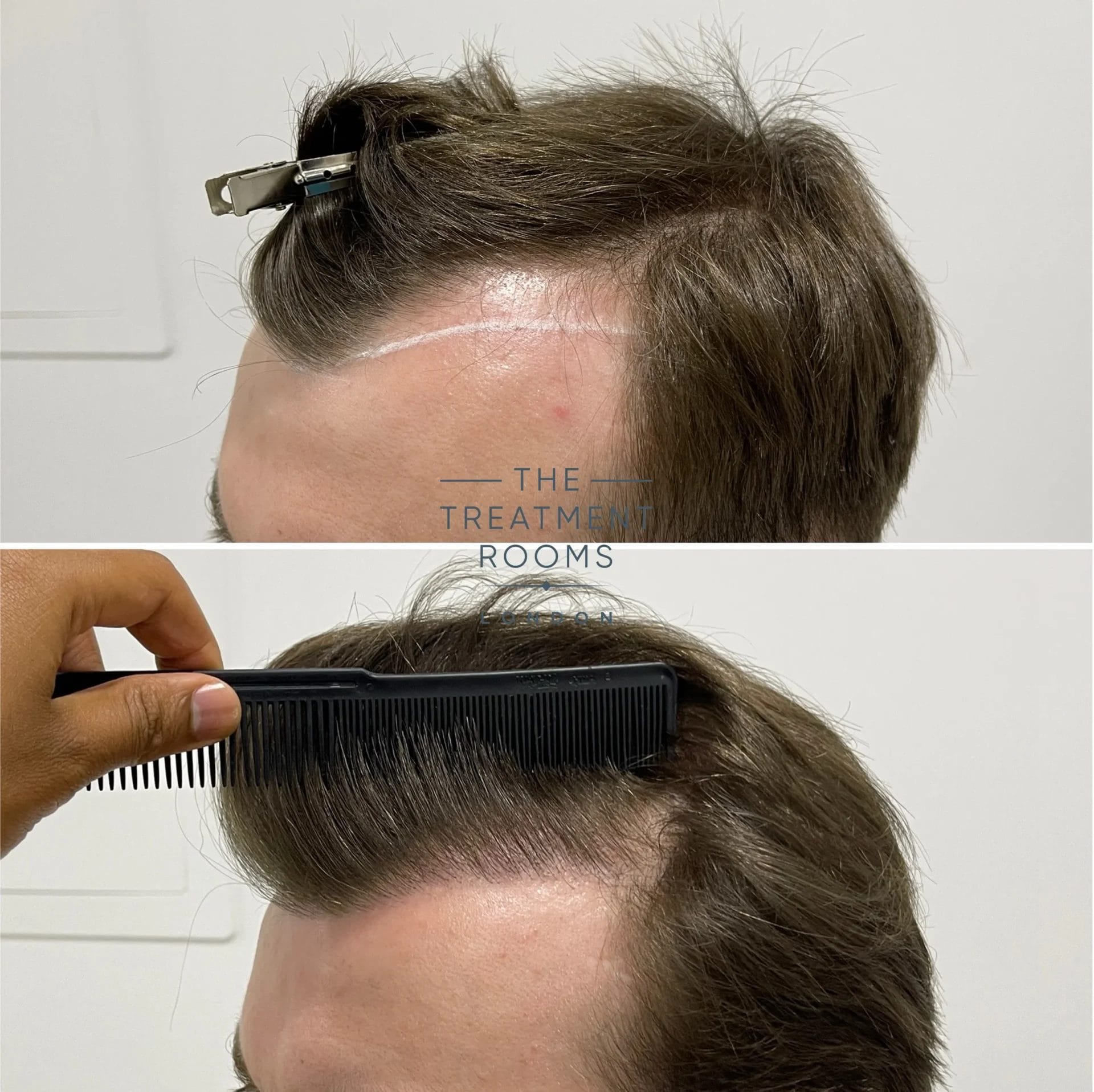
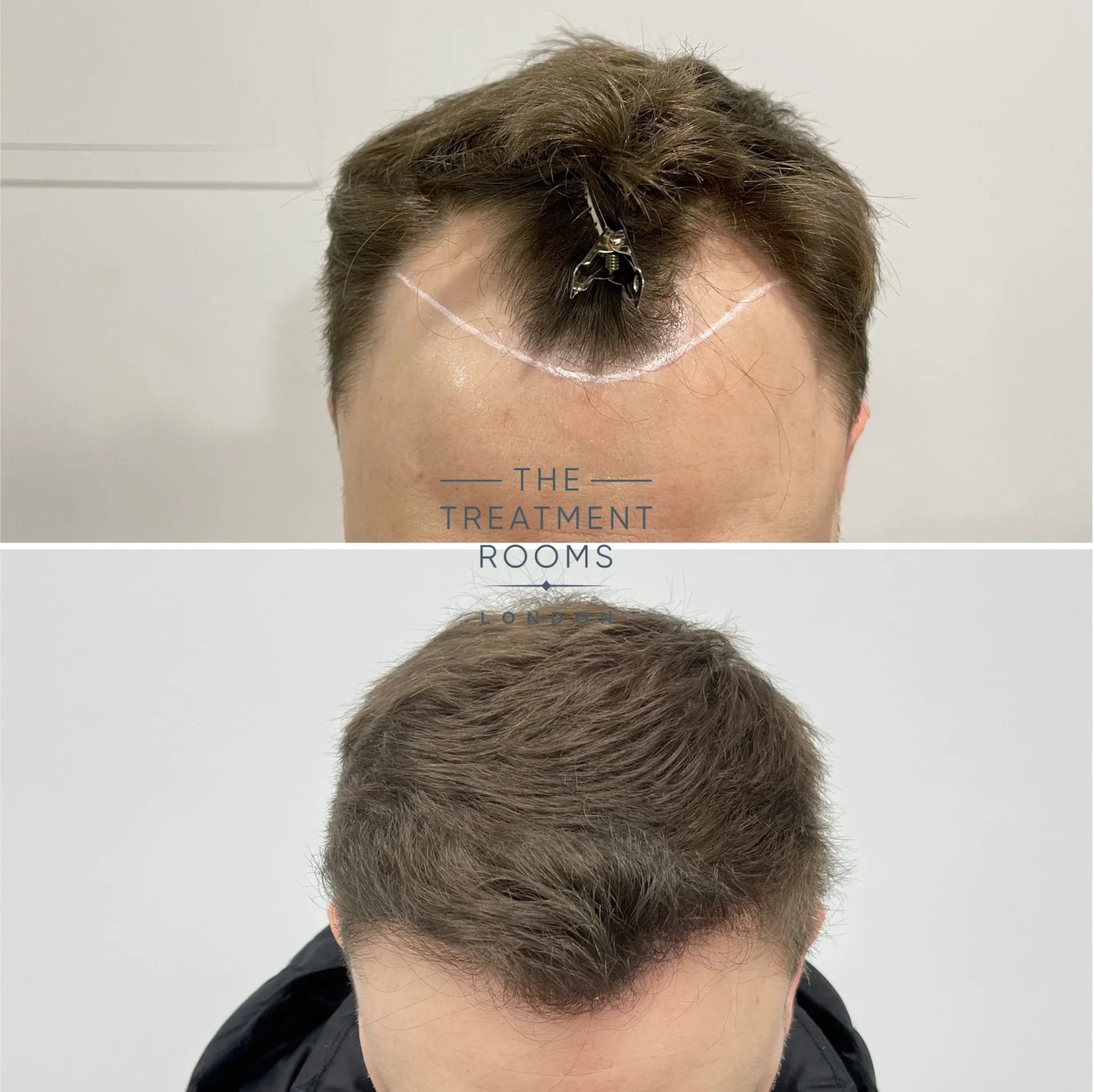
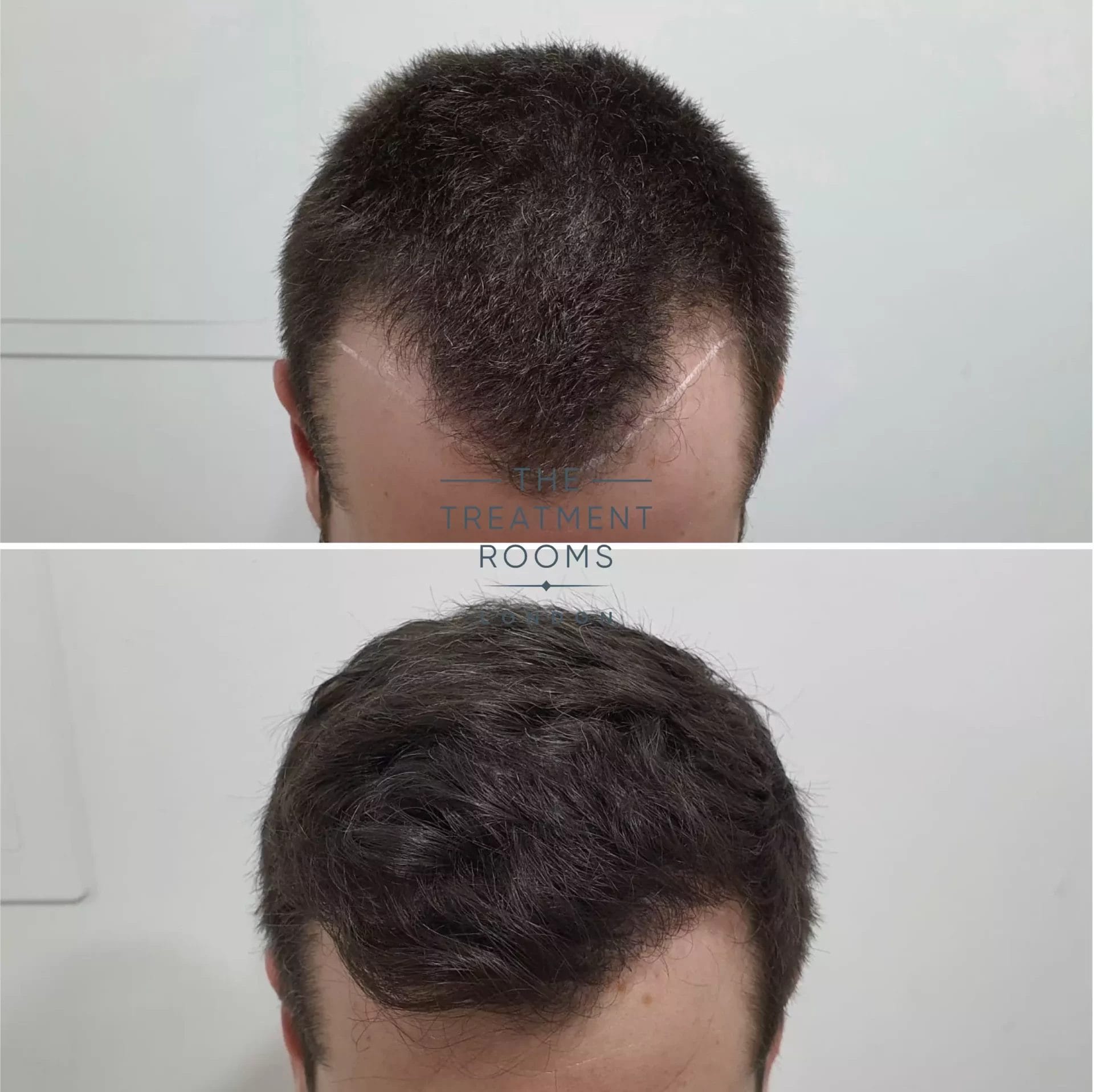
Temple hair transplant surgery
The main technique used for a temple hair transplant is the FUE hair transplant technique. The process involves the extraction of individual hair follicles from the 'donor area' and transplanting this hair to the temples to provide thicker hair. The process of temple hair transplant surgery can help:
-
- Restore good density in the temples that blends with the forelock and mid-scalp
-
- Recreate a cowlick if you had one previously in your temples
-
- Recreate natural hair direction and angulation so the new hair transplant looks no different to your hair previously
After a hair transplant you will be able to style and groom your hair as normal. Your temple hair transplant should last 10-20 years or longer.
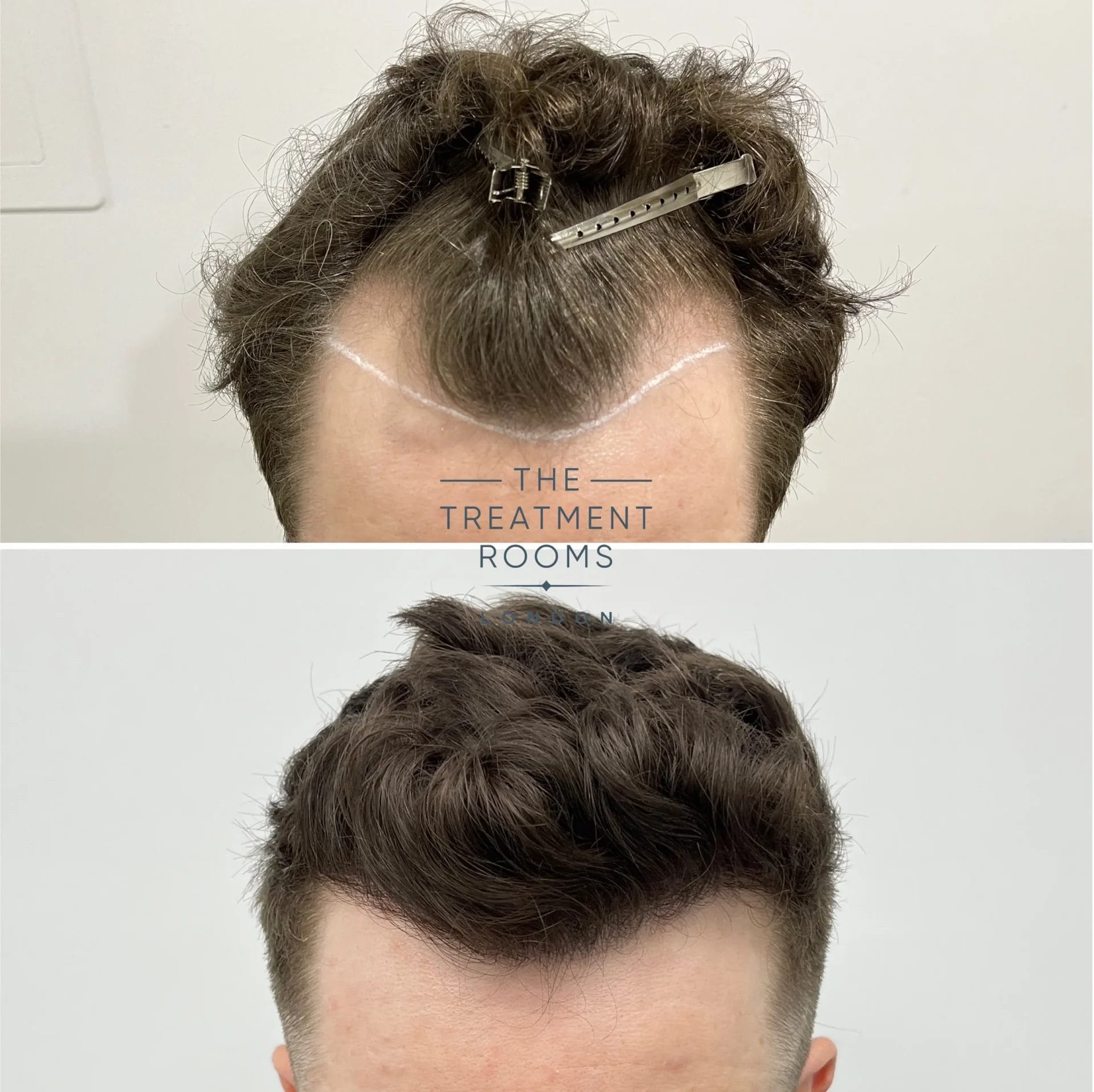
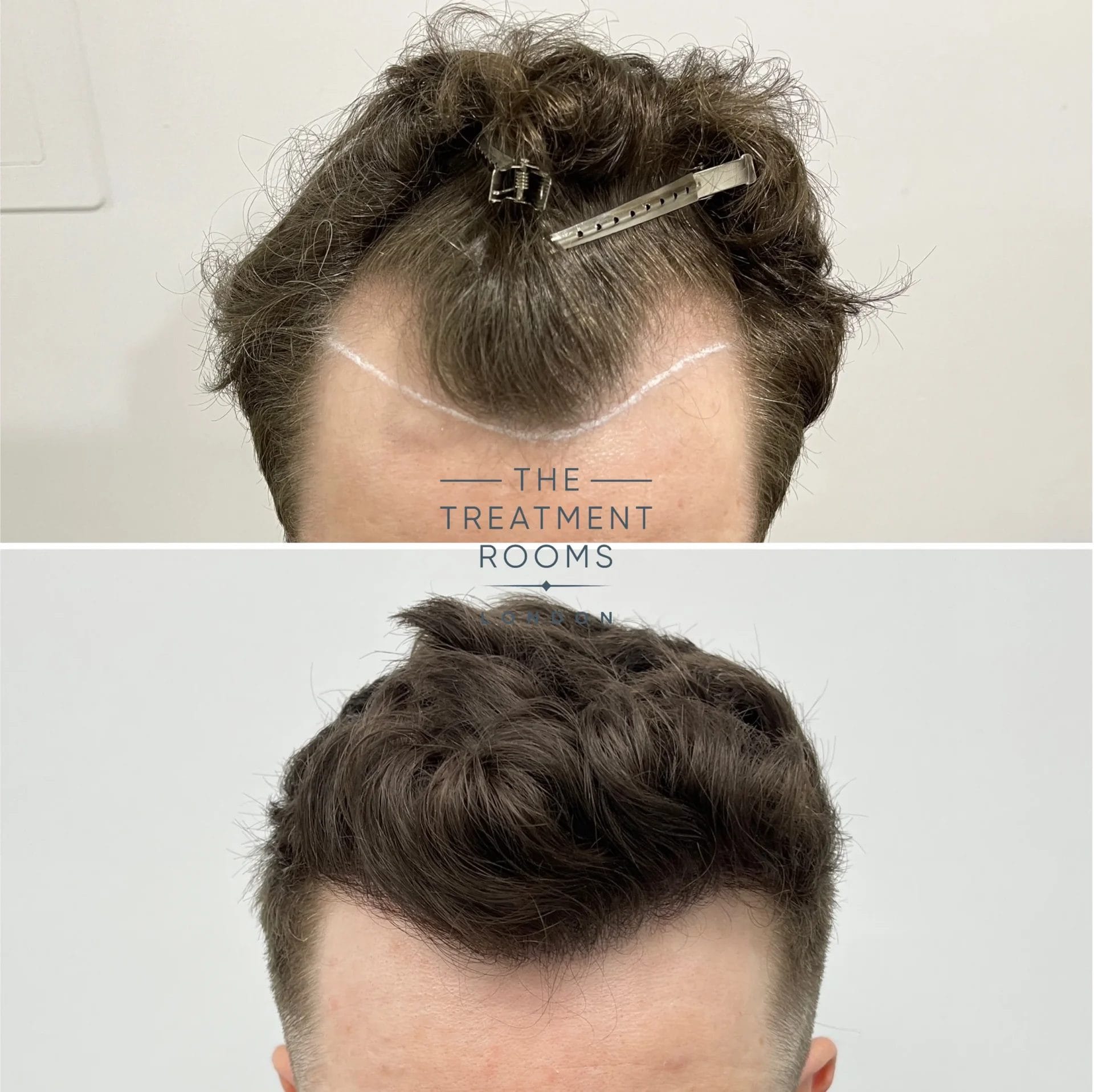
Tyler’s Temple Hair transplant
Type of Surgery : FUE hair transplant
Hair Loss Level : Norwood 3
Number of Grafts : 1243
"I was recommended The Treatment Rooms and after seeing their results, and listening to their experience I decided to go for it."




Premium London Hair transplant Clinic
Award-winning. Surgeon-led. Exclusively You.
Speak directly with our team.
Providing exclusive, surgeon-led care from your first enquiry through a carefully cultivated surgery journey - backed by years of expertise and research.
As Featured in:





The Treatment Rooms London Reviews
Temple hair transplant recovery
It generally takes 7-14 days to recover from a temple hair transplant. At the 2 week mark, you will find your transplanted temple hair starts to shed.
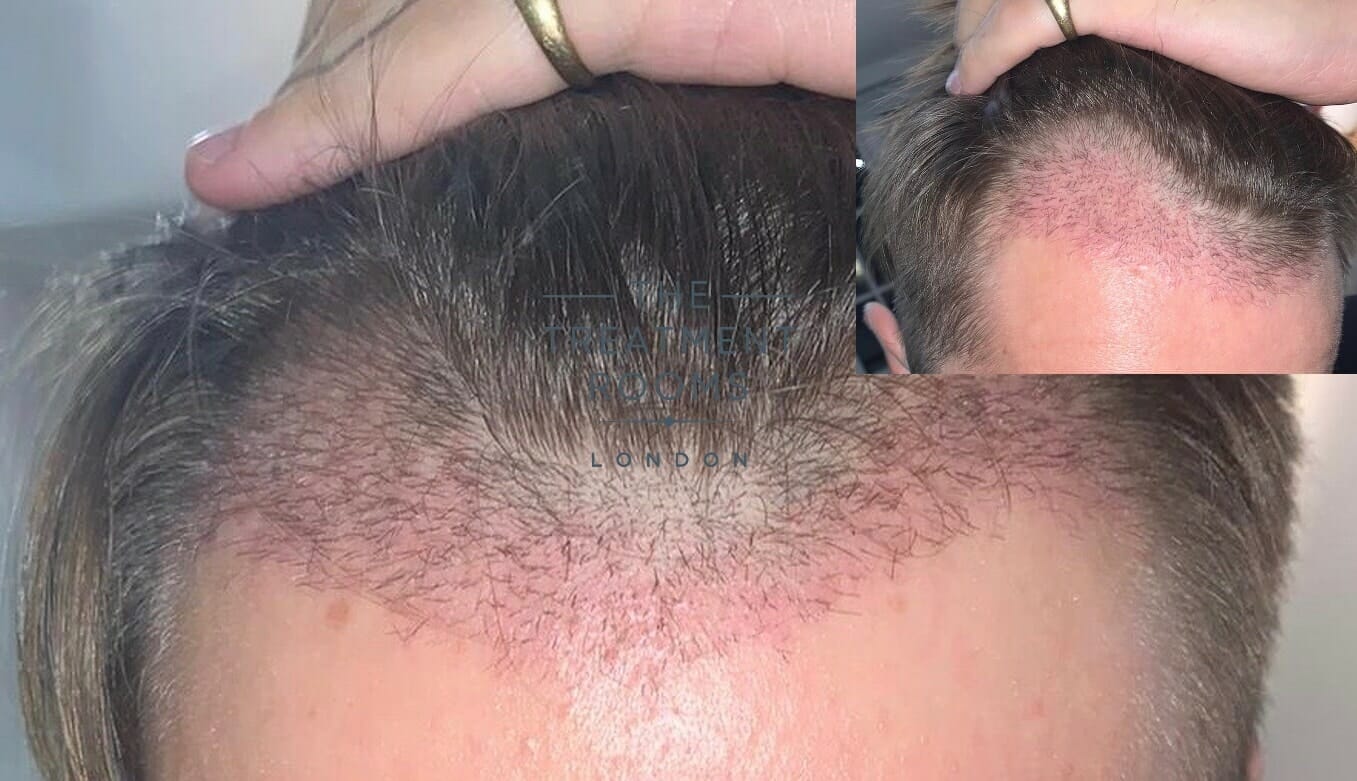
At 2 weeks you can see some hair starting to shed in the transplanted hairline.
At The Treatment Rooms London, our Surgeons are experts in being able to plan and perform an unshaven temple hair transplant which allows a shorter recovery period. Our clinic gives you specific, bespoke aftercare following your temple hair transplant to ensure your recovery is smooth and stress free at home.
After you have recovered, the hair that has been transplanted into the temple area will shed before regrowing again over 9-12 months. You can view a full timeline of temple hair regrowth here: Hair Transplant Timeline.
Temple hair transplant cost
The cost for temple hair transplant surgery will be based on the size of your temples. Typically the price for FUE hair transplant surgery in the temples ranges between £5,000- £6,000.
The cost will be dependent on the number of grafts you require for surgery, your hair type and whether you wanted to opt for a minimally shaven or unshaven temples hair transplant. It is quite common for patients to undergo a minimally shaven transplant for the temples region as it quickens their recovery time and return to work.
What is temple hair loss?
The temples are a region either side of the central portion of a "V" or an "M" shaped hairline. The temple region can get worse over time in men and women from different conditions such as male or female pattern baldness, temporal triangular alopecia or traction alopecia. Hair loss in the temple are can contribute to a V-shaped hairline that is common in men and it can be called a widow's peak.
In females, temple recession can be seen either side of a female widow's peak. This can cause specific worry about a hairline appearing too pointed. It is commonly inherited or caused by androgenic alopecia like in men.
At The Treatment Rooms London we recommend patients explore treatment for their temples with:
1. Hair transplant surgery to restore hair in the temples to its natural direction and angulation
2. Hair loss prevention medications such as Finasteride (in men only) and Minoxidil to stop the temple hair loss getting worse and involving the entire hairline
Temple Hair Loss in men
There is a range of different factors that can contribute to hair loss at the temples in men and women. Male pattern baldness (androgenic alopecia) is one of the most common types of hair loss affecting men. It is a genetic condition that often involves temple hair loss in its early stages.
Other potential causes of temple hair loss in men are:
-
- Traction alopecia (caused by 'tight' hairstyles like cornrows and ponytails) pulling and damaging the hair on the temples
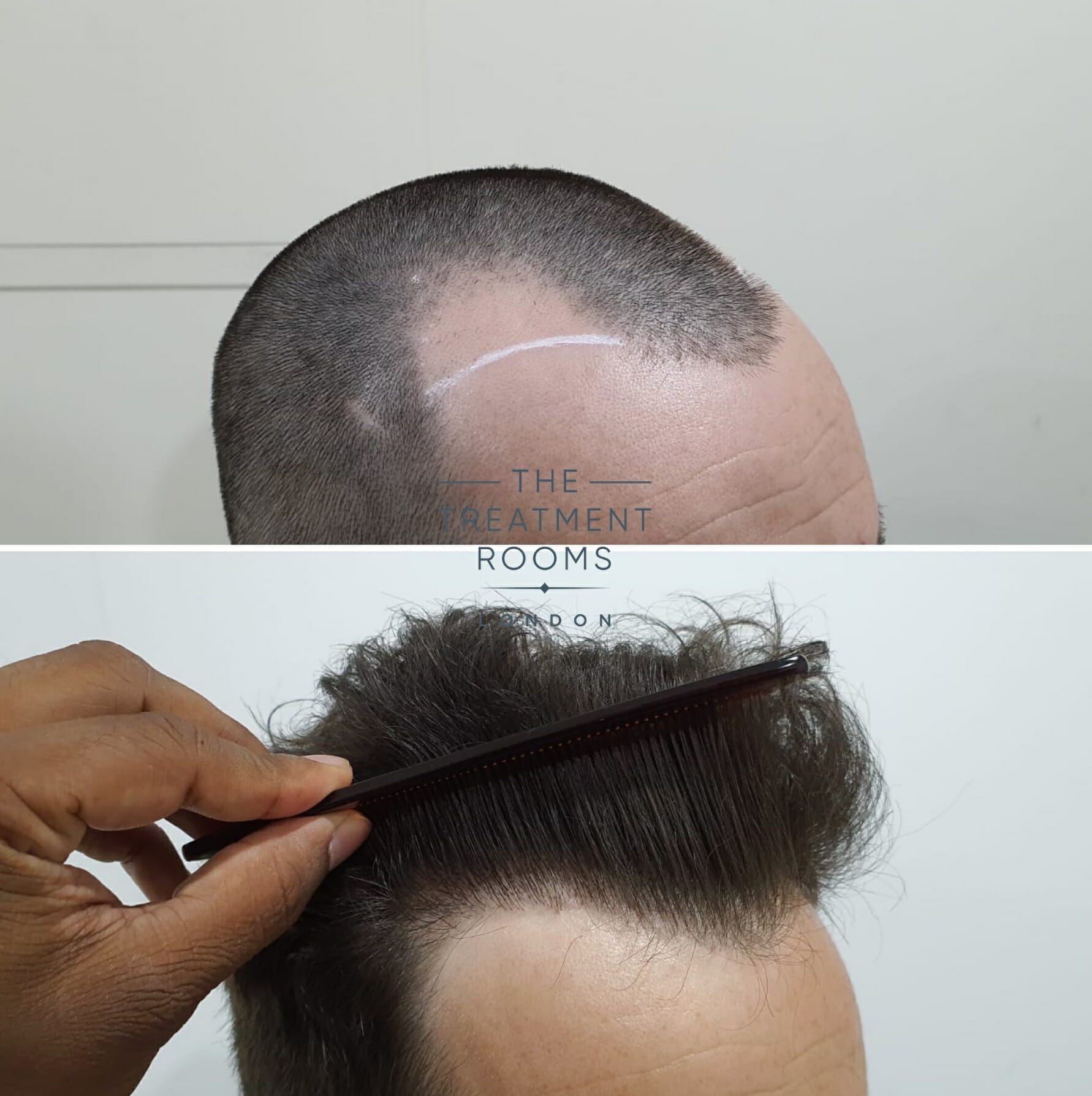
Temple hair transplant surgery carried out by our Hair Transplant Surgeons
Temple hair loss in women
Female pattern baldness is the most common cause of temple hair loss in women. It is characterised by a loss of hair density in the central parting can sometimes also present with temple hair loss. Most commonly, temple recession in women is caused by the inheritance of a high hairline from parents, this is called a congenitally high hairline.
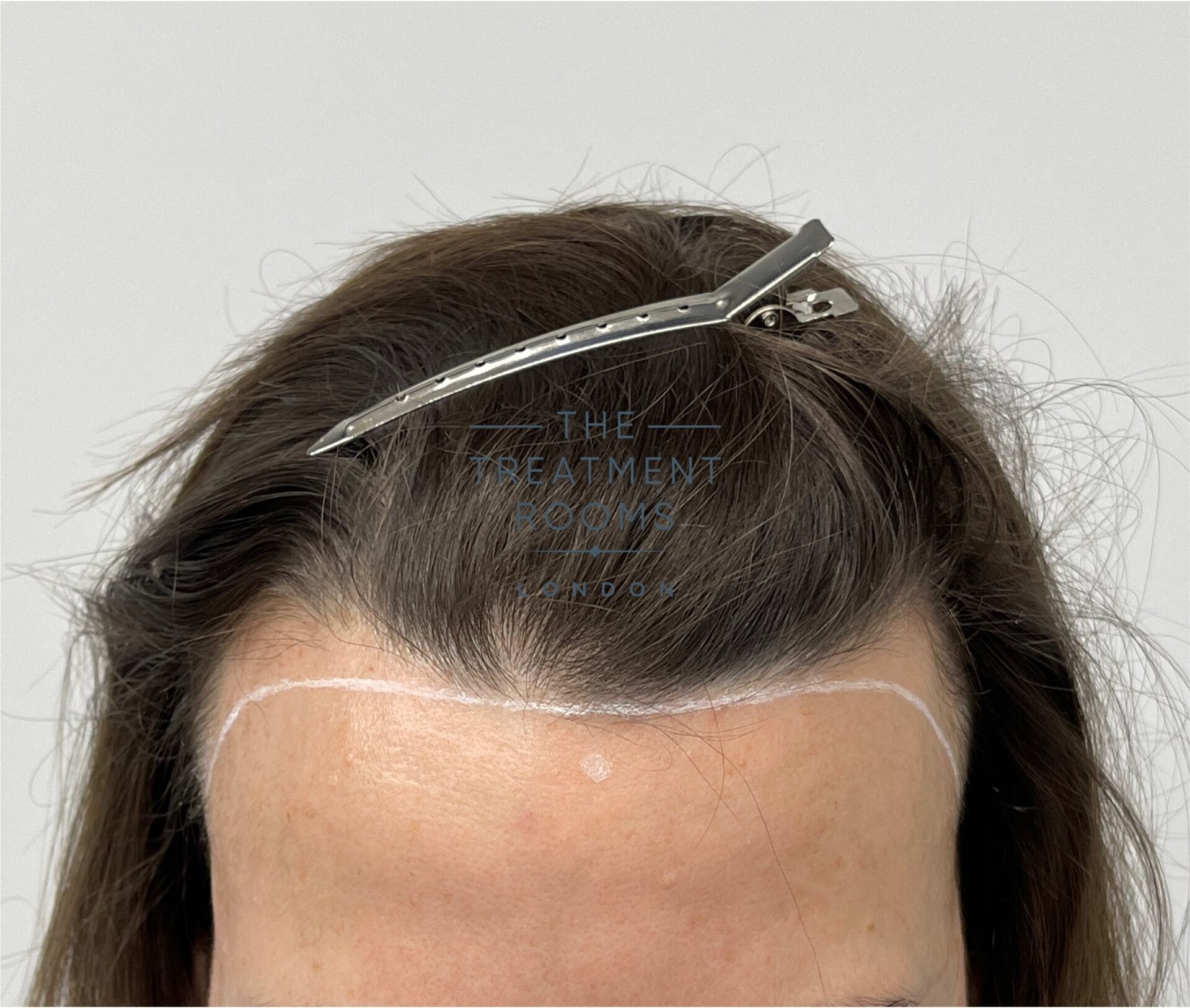
Example of a high hairline in a female patient creating a widow's peak appearance. This patient had her hairline restored to the white hairline drawn in the picture.
Other potential causes of temple hair loss in women are:
-
- Stress
-
- Traction alopecia (caused by 'tight' hairstyles like cornrows and ponytails) pulling and damaging the hair on the temples
-
- Oral contraceptive pill
-
- Temporal triangular alopecia. This is seen as triangular patches of hair loss either side or sometimes on one side of the hairline.
Preventative treatment for temple hair loss
Alongside restoring hair in the temples, it is important to prevent hair loss in the area too. There is a range of non-surgical medications and treatments that patients can consider that can help such as:
-
- Finasteride
-
- Minoxidil
-
- Low-level light therapy (LLLT)
Finasteride treatment
The cause of male pattern baldness is due to the conversion of testosterone into DHT, which then affects and thins hair follicles, causing hair to fall out. Finasteride prevents this process from happening by halting the conversion of testosterone to DHT, which prevents further temple hair recession. However, it's only advised for preventing further hair loss; it cannot necessarily regrow hair where it has been lost.
Minoxidil treatment
Typically coming in a topical solution, hair regrowth products containing minoxidil can make a visible difference with consistent use. The medication is applied directly onto the scalp to help prevent hair loss and thicken existing hair. Unlike Finasteride, Minoxidil can also treat hair loss in women, not just in men.
Low-level light therapy (LLLT)
LLLT is a treatment that shines a specific wavelength of light onto your hair to help stimulate its growth. It doesn't regrow hair where you have lost it but it can help preserve the hair you have. For patients who would like to explore restoring hair where they have lost it in their temples, they would need to explore a temple hair transplant.
Microneedling
Microneedling involves a small rolling device with tiny needles that is applied across the temple or hair loss area. It helps to stimulate the skin and hair follicles to grow and thicken hair and can be used in conjunction with the above therapies.
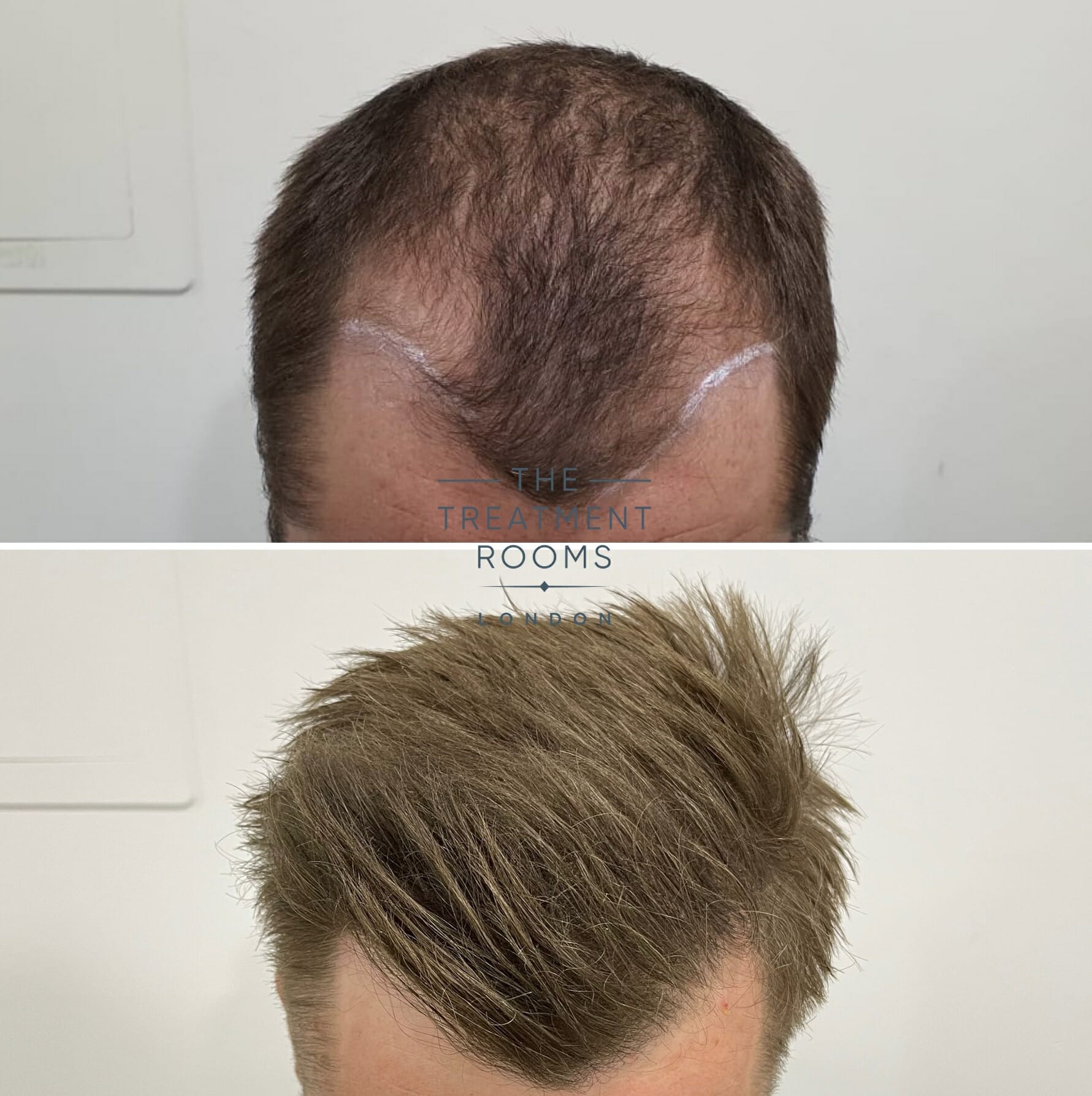
Hair transplant for hair loss in the temples
Temple Hair Transplant Surgery At The Treatment Rooms London
The ethos at The Treatment Rooms London is that all patients are seen personally by a dedicated Surgeon. This enables their temple hair transplant to be planned in detail with no sales people or lay people involved in making medical decisions. Your dedicated Surgeon will see you during your consultation and go through the following considerations:
- How much hair do you have on the back and the sides of your head?
- Are your hairs thick or thin?
- The approximate number of grafts required to give you the desired coverage in your temples
- Whether you need to have a cowlick spiral recreated?
- Whether you can have an unshaven temple hair transplant?
As a CQC registered clinic, we follow stringent health and safety guidelines and only employ fully-qualified surgeons that are regulated by the GMC, which means you're in good hands. So if you want to treat the hair loss around your temples, book a consultation with The Treatment Rooms London today.
Choosing Your Surgeon For Your Temple Hair Transplant
All Surgeons at The Treatment Rooms London are GMC registered and work under our brand and clinic. Our renowned and award winning hair transplant Surgeons that are experts in performing temple hair transplant surgery are:
- Dr Roshan Vara, Co-Owner and Hair Transplant Surgeon
- Dr Dilan Fernando, Co-Owner and Hair Transplant Surgeon
- Dr Puroshini Pather, Hair Transplant Surgeon
At The Treatment Rooms London, we welcome new patients exploring treatment options for their hair loss before deciding upon a hair transplant. All patients have the option of choosing which Surgeon they would like to see to discuss their temple hair loss and whether surgery is in their best interests.
temple hair loss FAQs
Yes, a hair transplant can help restore receding temples by moving healthy hair follicles from the donor area to the temple area with thinning. A successful temple hair transplant procedure depends on factors such as hair quality, the level of donor area available, and the experience and expertise of the surgeon.
Authored by
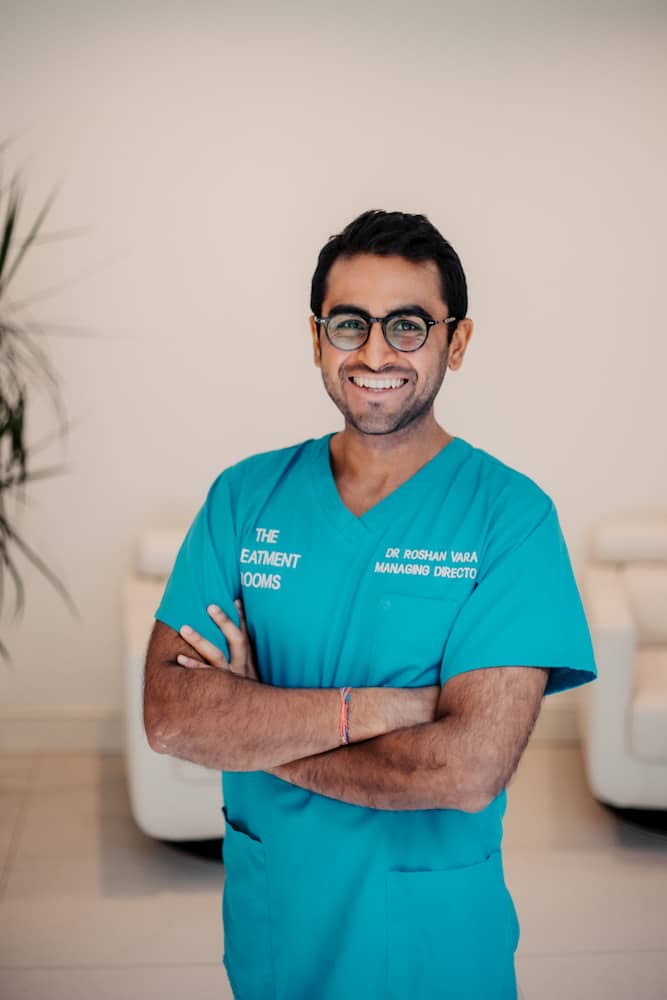
Dr Roshan Vara
Dr. Roshan Vara is a renowned hair transplant surgeon in London and the Co-Founder of our award winning hair transplant clinic, The Treatment Rooms London.He has over 10 years of experience in hair transplant surgery and is recognised for delivering natural-looking results through ethical, patient-centred care. He is a Full Medical Member of BAHRS and an Associate Member of ISHRS, reflecting his commitment to the highest standards in modern hair restoration.
Reviewed by

Dr Dilan Fernando
Dr. Dilan Fernando is regarded as one of the best hair transplant surgeons in London and Co-Founder of The Treatment Rooms London. He has over 10 years of experience in hair transplant surgery and is known for his meticulous technique and commitment to ethical practice. He served on the Executive Committee of BAHRS from 2020 to 2024, helping to shape industry standards for patient safety and quality of care. Dr. Fernando personally performs each surgery, ensuring natural results built on trust and experience.
Latest News

Jude Law Hair Transplant: Before, After, and His New Hairline
March 31, 2026
Jude Law, the British actor known for roles in The Talented Mr Ripley, Sherlock Holmes, and Fantastic…
Hair Loss In Your 20s- What You Need To Know
March 24, 2026
Key Takeaways Hair thinning or excessive hair shedding in your 20s is often due to genetics, stress,…
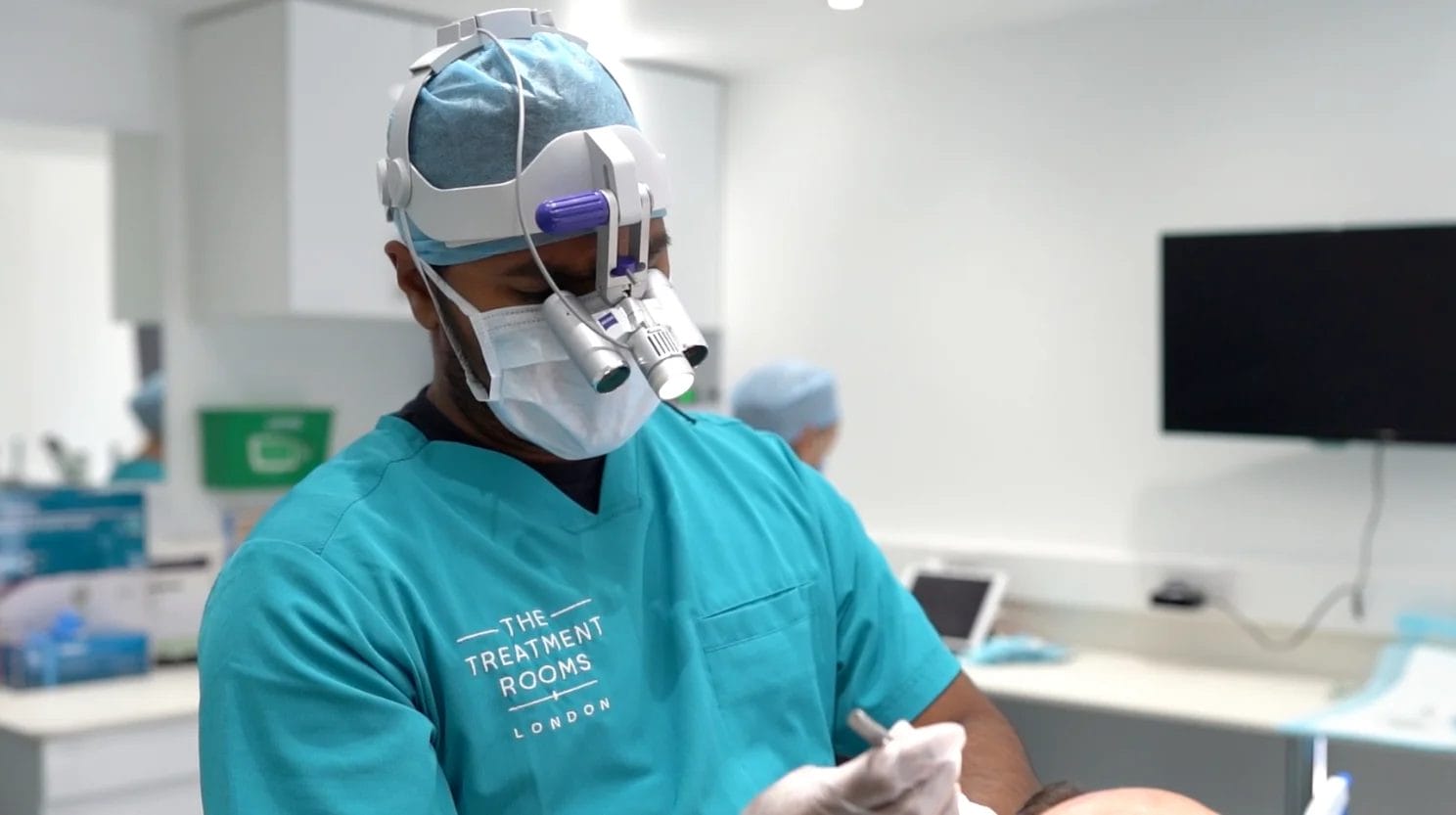
How Long Does a Hair Transplant Take? The Average FUE & FUT Surgery Duration Explained
March 24, 2026
Key Takeaways Are you considering a hair transplant and wondering how long the process takes? The answer…