

Planning Your Hair Transplant Timeline
I've got an event on
Do you have a booked hair transplant?
Method
Hear from our Hair Transplant Surgeon



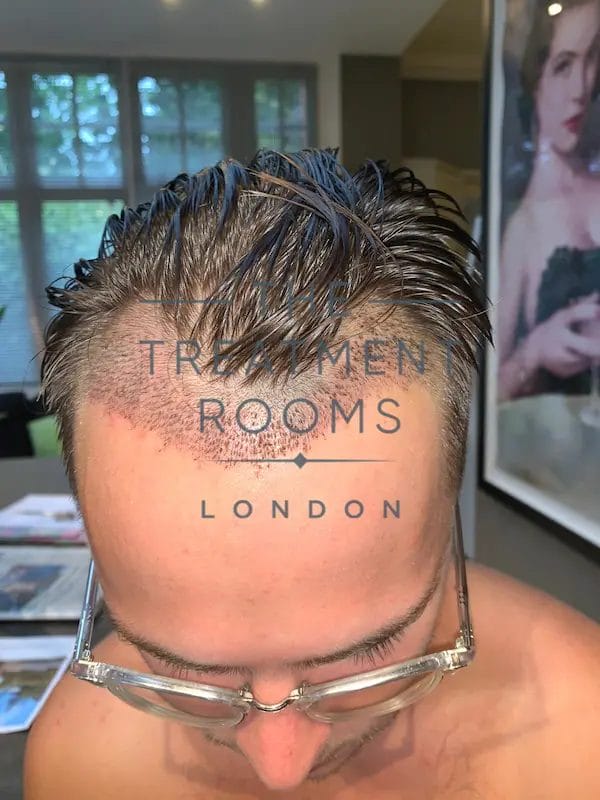
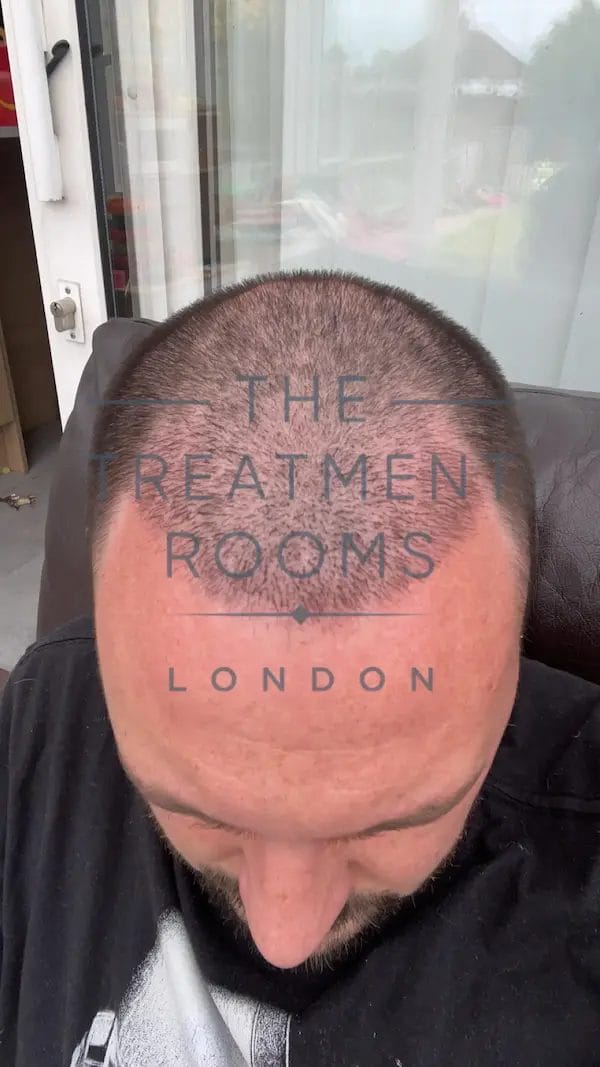
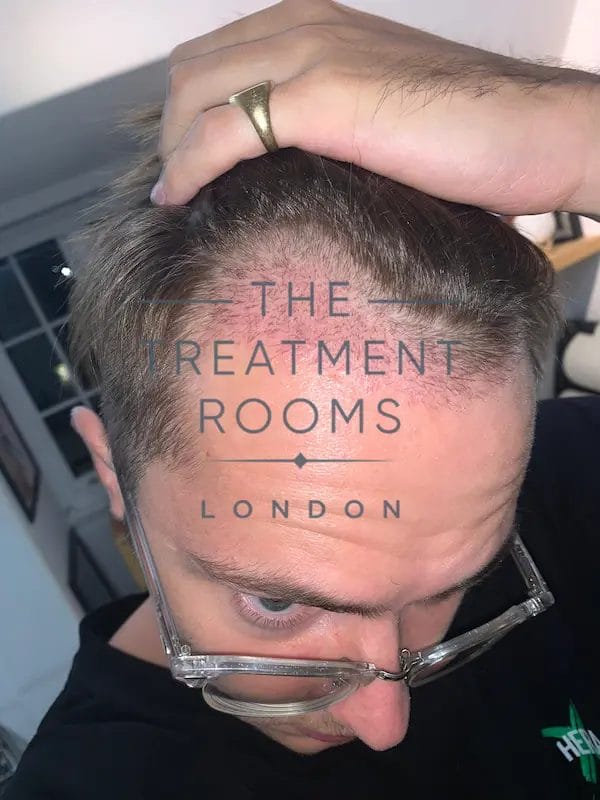

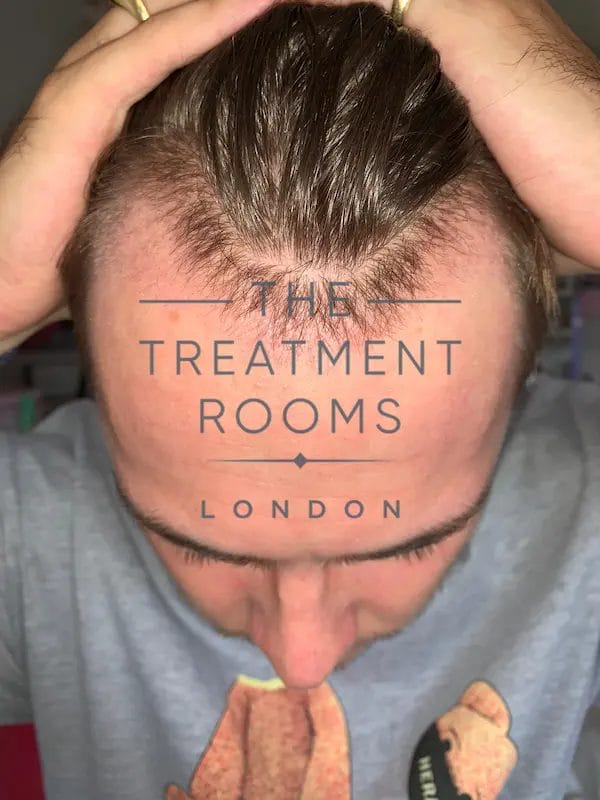





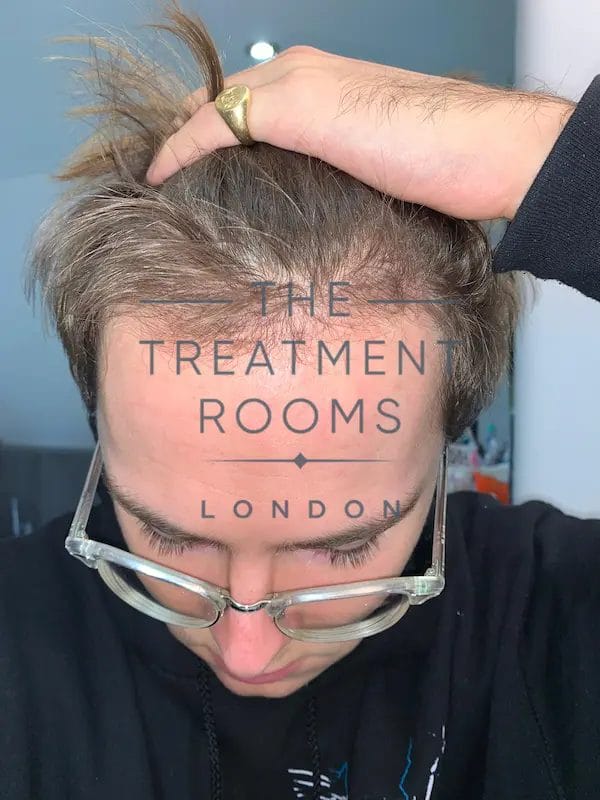


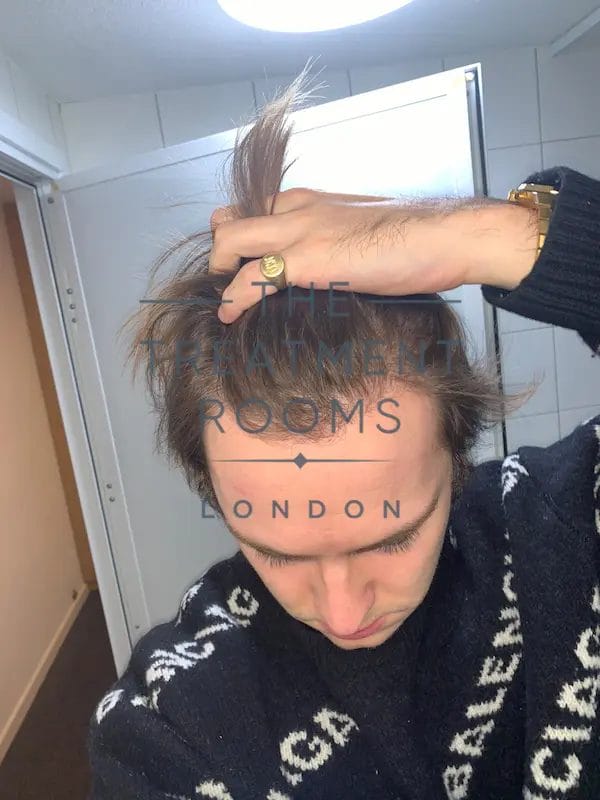
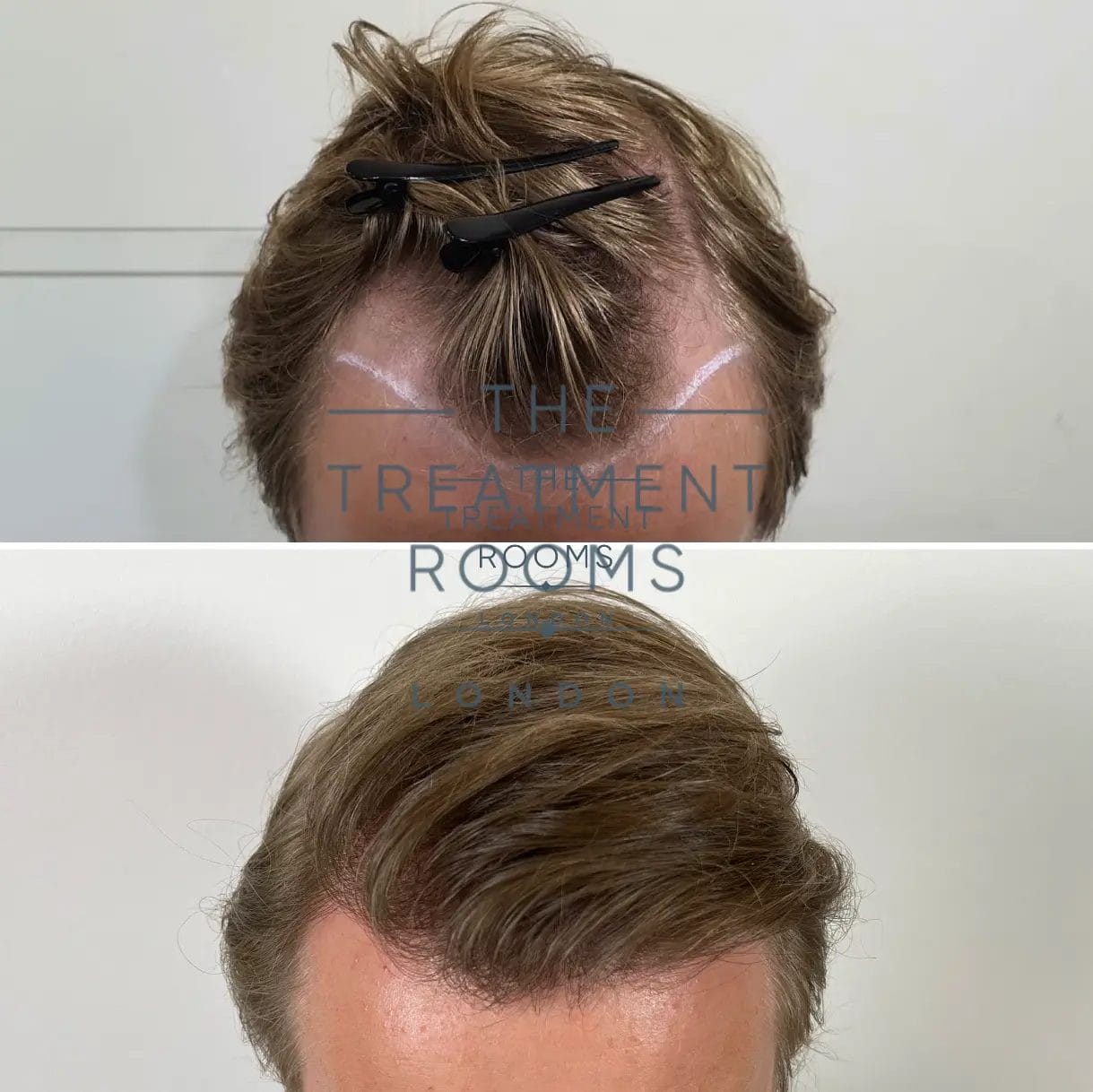
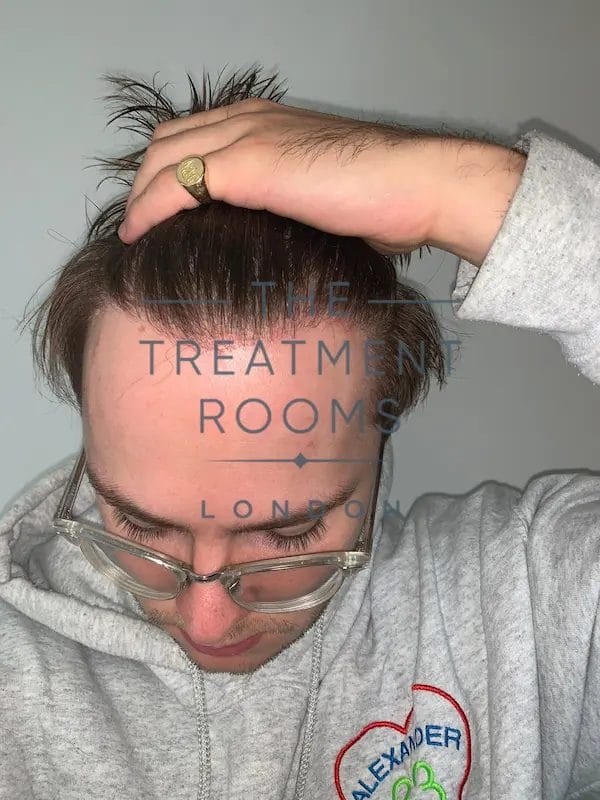
Fill out all fields
to see photo results
Hear from our Hair Transplant Surgeon

Your Post-Hair Transplant Timeline
A hair transplant can offer a permanent solution for reversing hair loss, but a hair transplant isn’t an instant solution and a result can take over a year to grow. Following a hair transplant procedure, it is important to be patient and follow the hair transplant aftercare and recovery guidelines set by your surgeon. In this article, we provide a detailed hair transplant timeline of what growth you can expect after having a hair transplant.
Full results within 12-18 months
Consultation
Treatment
1 Day
Recovery
1 Week
New hair growth
3 - 4 Months
Final results
12 - 18 Months
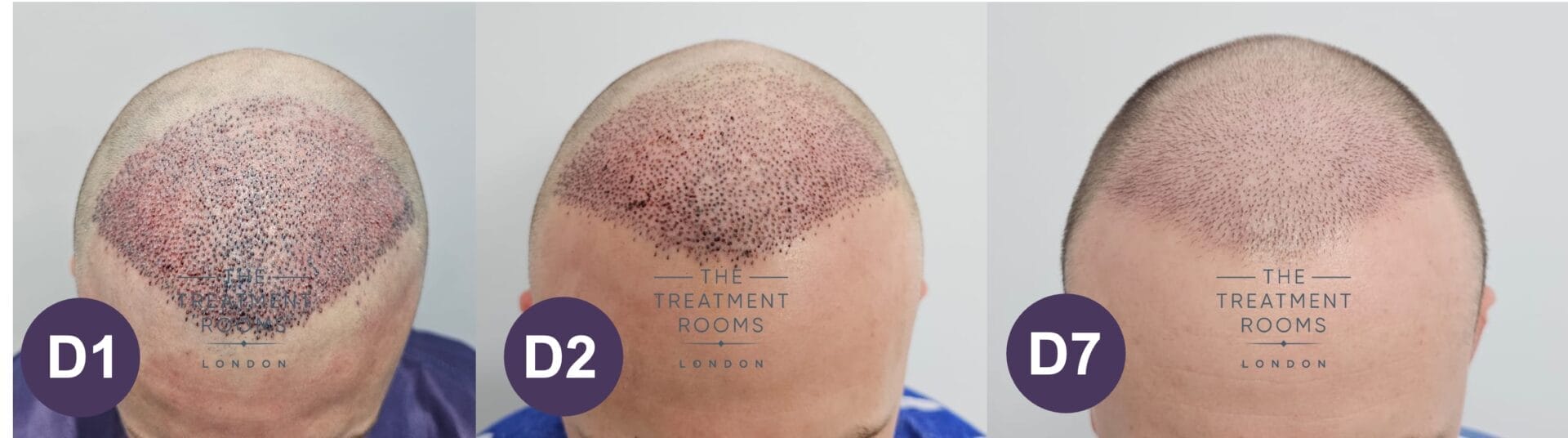
Hair transplant after 7 days
Following your hair transplant, the donor (where the hair grafts are taken from) and recipient (where your new hair will grow) areas will go through a healing process. These areas will be bandaged, and it is normal to experience a degree of ache, and then itchiness as scabs form and fall off. During this time, it is important that you follow the aftercare instructions provided by your clinic as your focus is on your hairline transplant recovery.
In the first seven days after your hair transplant, you should use over-the-counter pain medication if you experience discomfort or have trouble sleeping, and wear a hat (or headwear provided to you by your clinic) when you go outside to protect yourself from environmental factors to assist with the recovery stage.
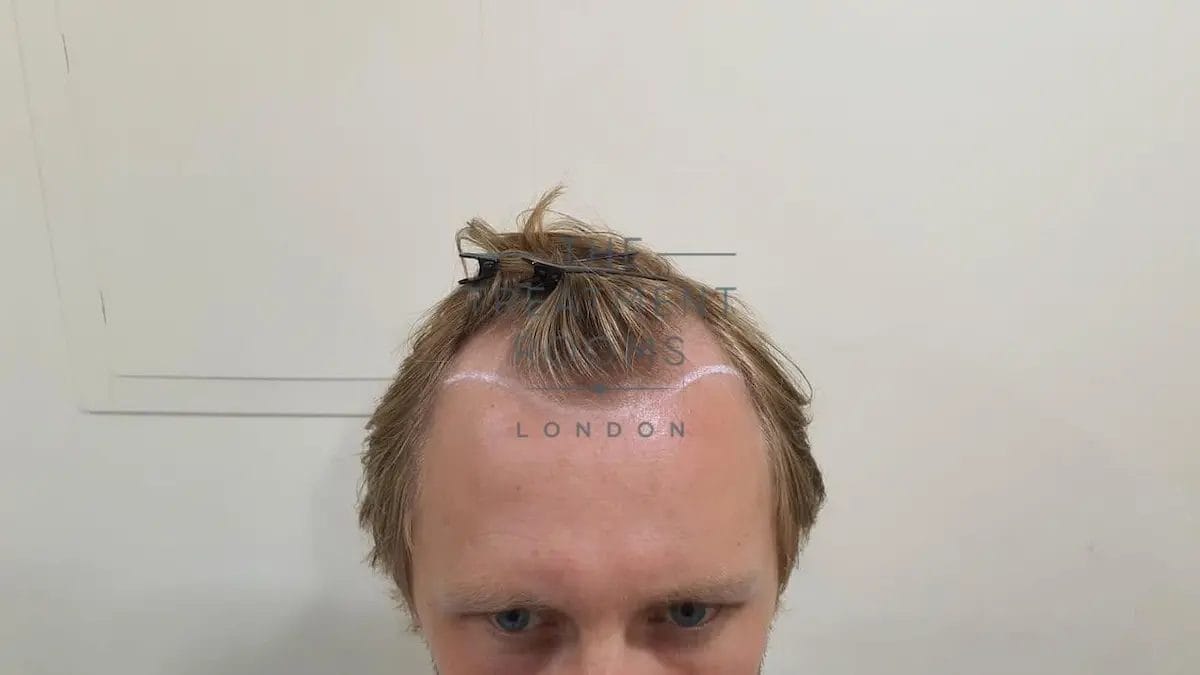
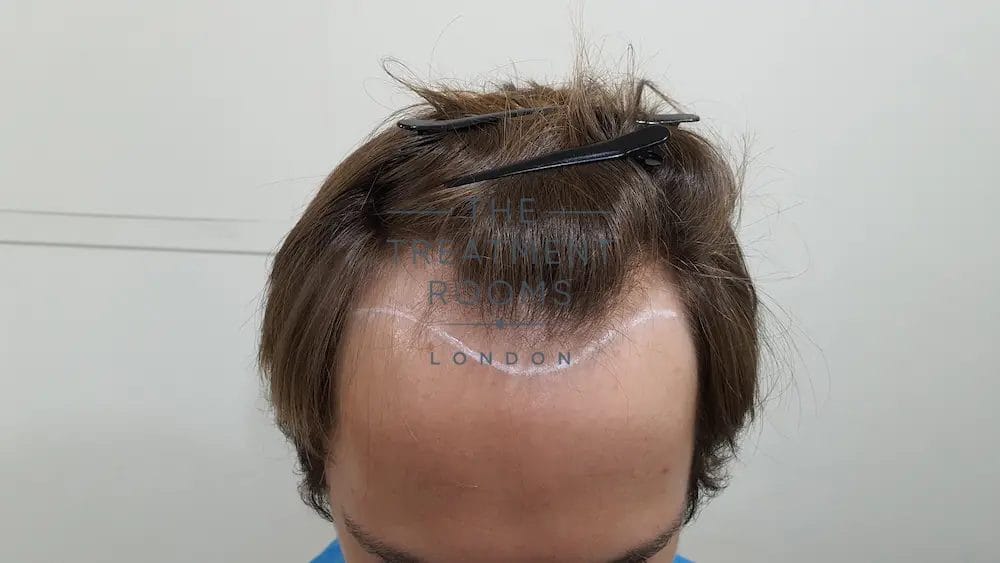
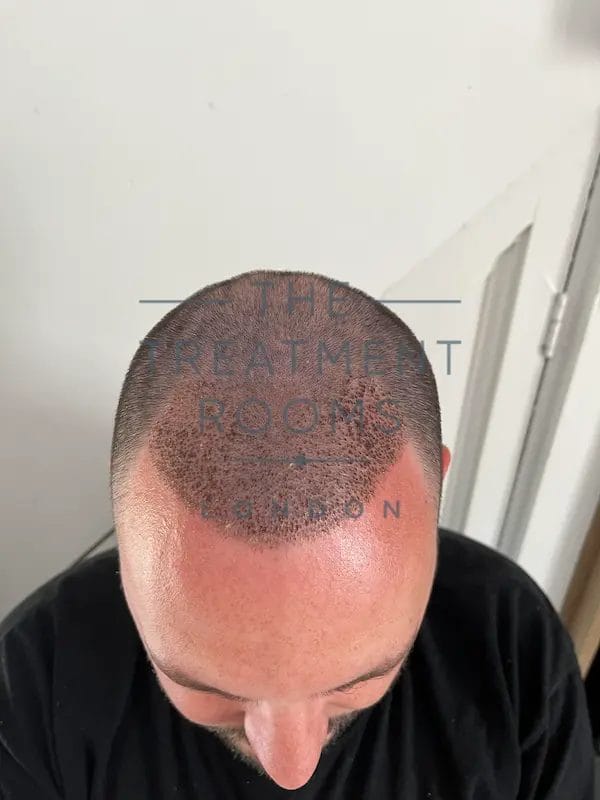
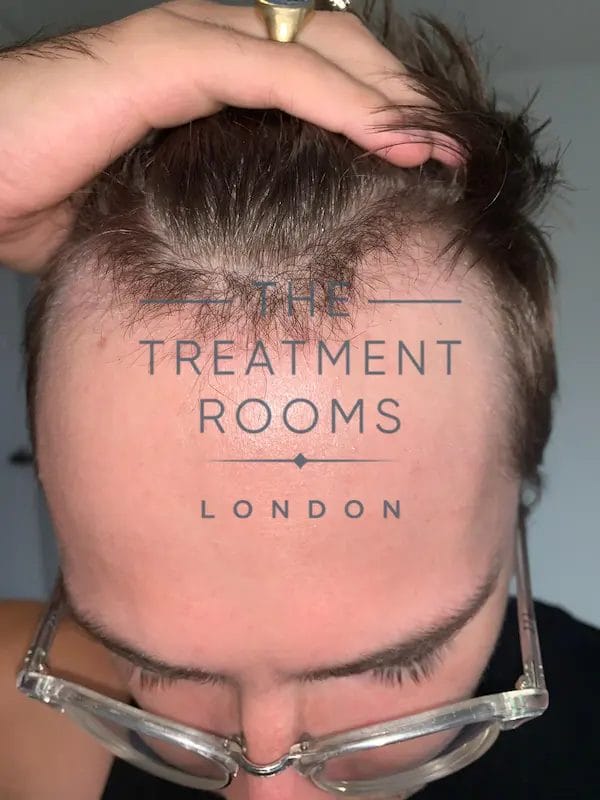
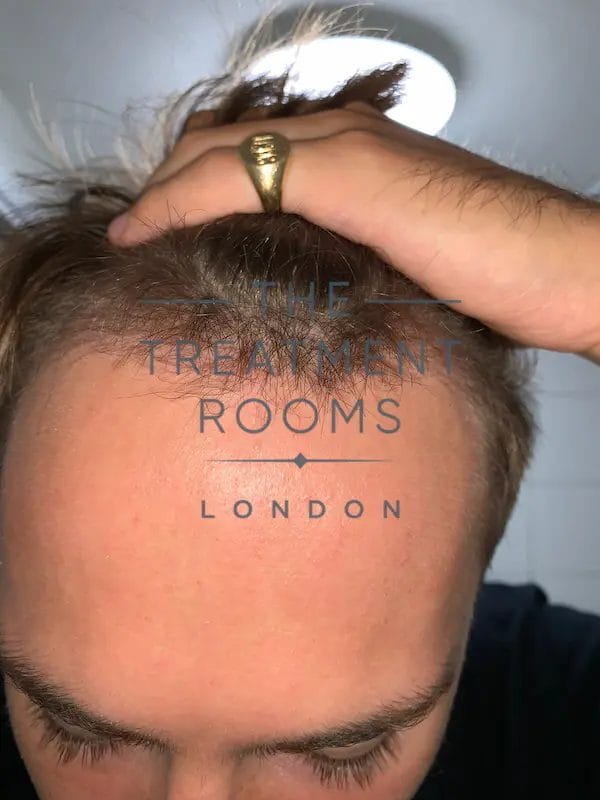
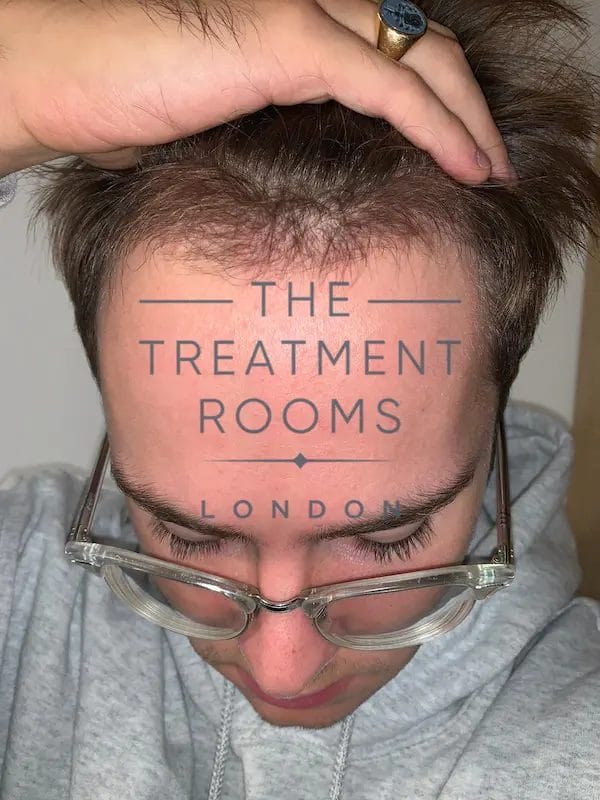
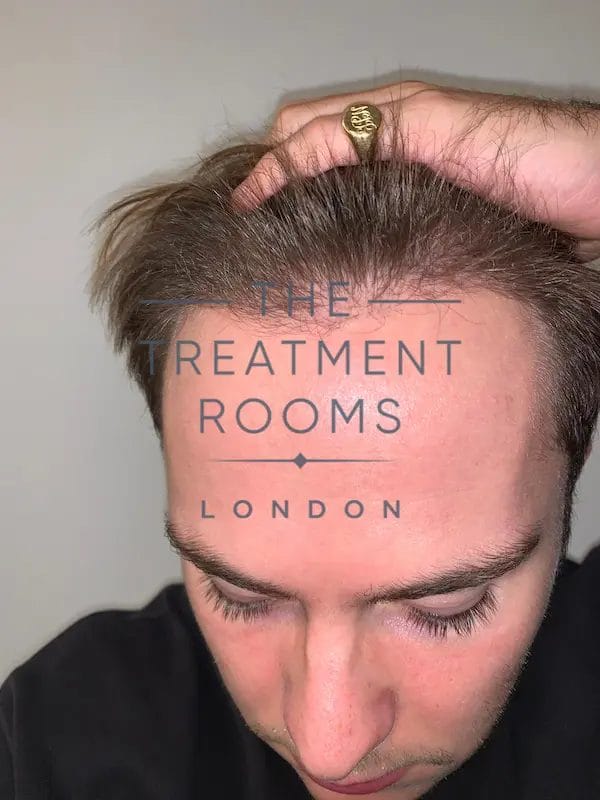
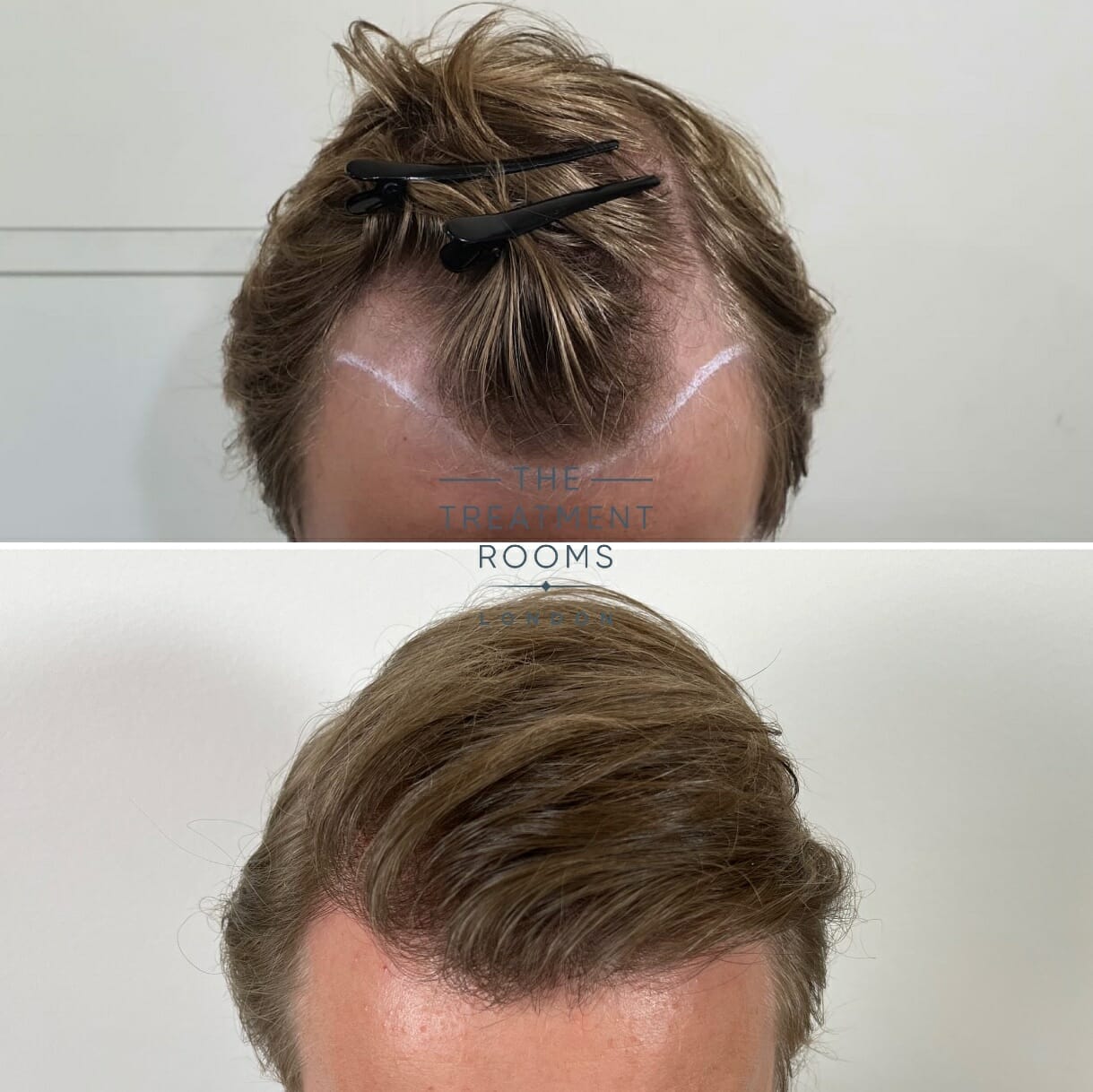
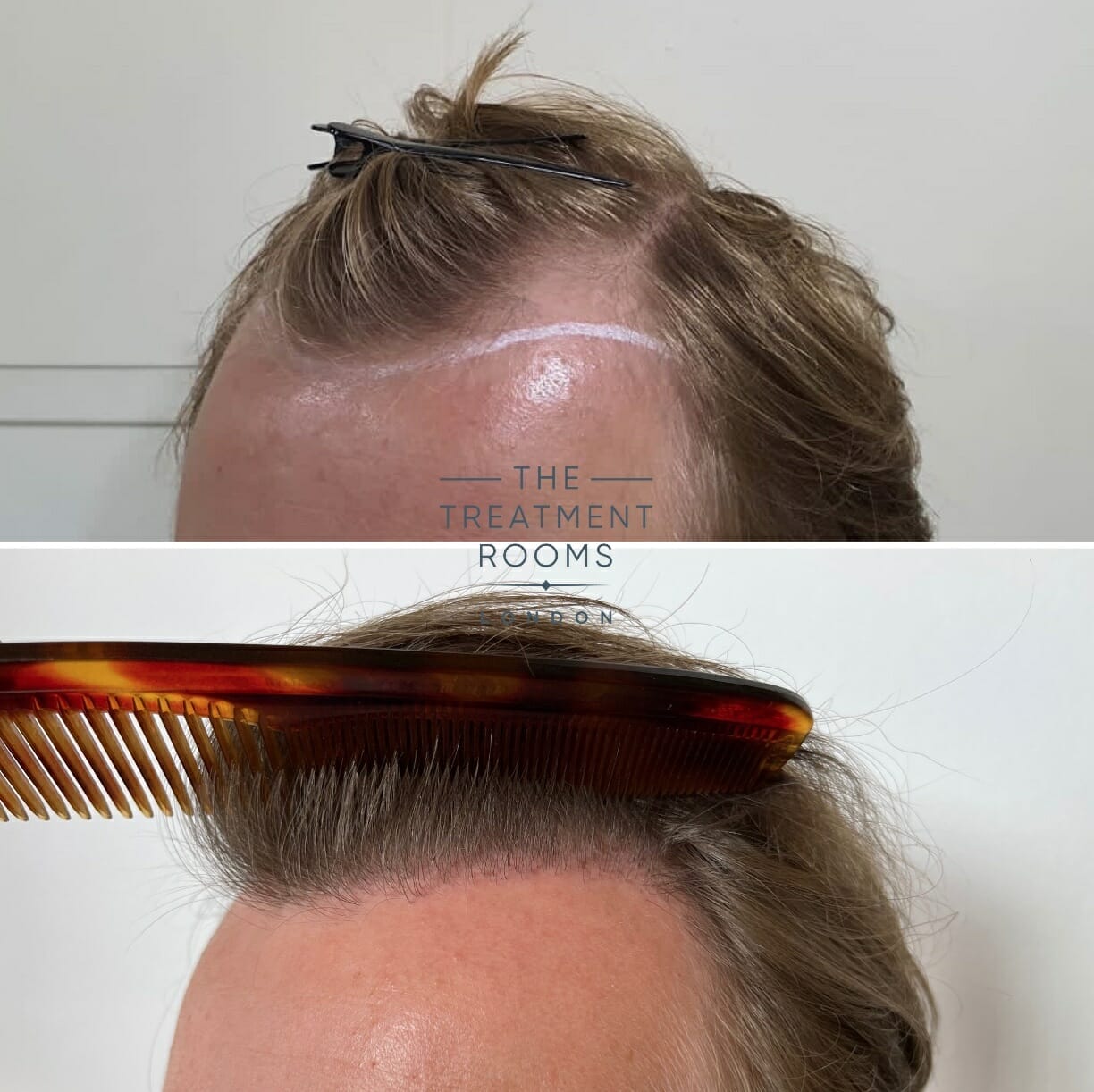
You also shouldn’t wash your hair until instructed to do so (this is typically after 4 days following your hair transplant), rub your hair with towels, scratch your scalp, or engage in any intense physical activity for two weeks. Below you will see an example of a patient day 1, day 2 and day 7 after his surgery to his hairline.
Hair transplant after 2 weeks
Two weeks after your hair transplant, you will have entirely recovered from your surgery with minimal signs that it took place. Around this time, you can start to see some hair shedding from the recipient area, and that’s an entirely normal part of the hair growth cycle. New hair will eventually start to grow from 3-4 months after surgery.
At 2 weeks post surgery you should resume your everyday activities like your regular exercise. We recommend avoiding contact sports and swimming pools for a further 2 weeks.
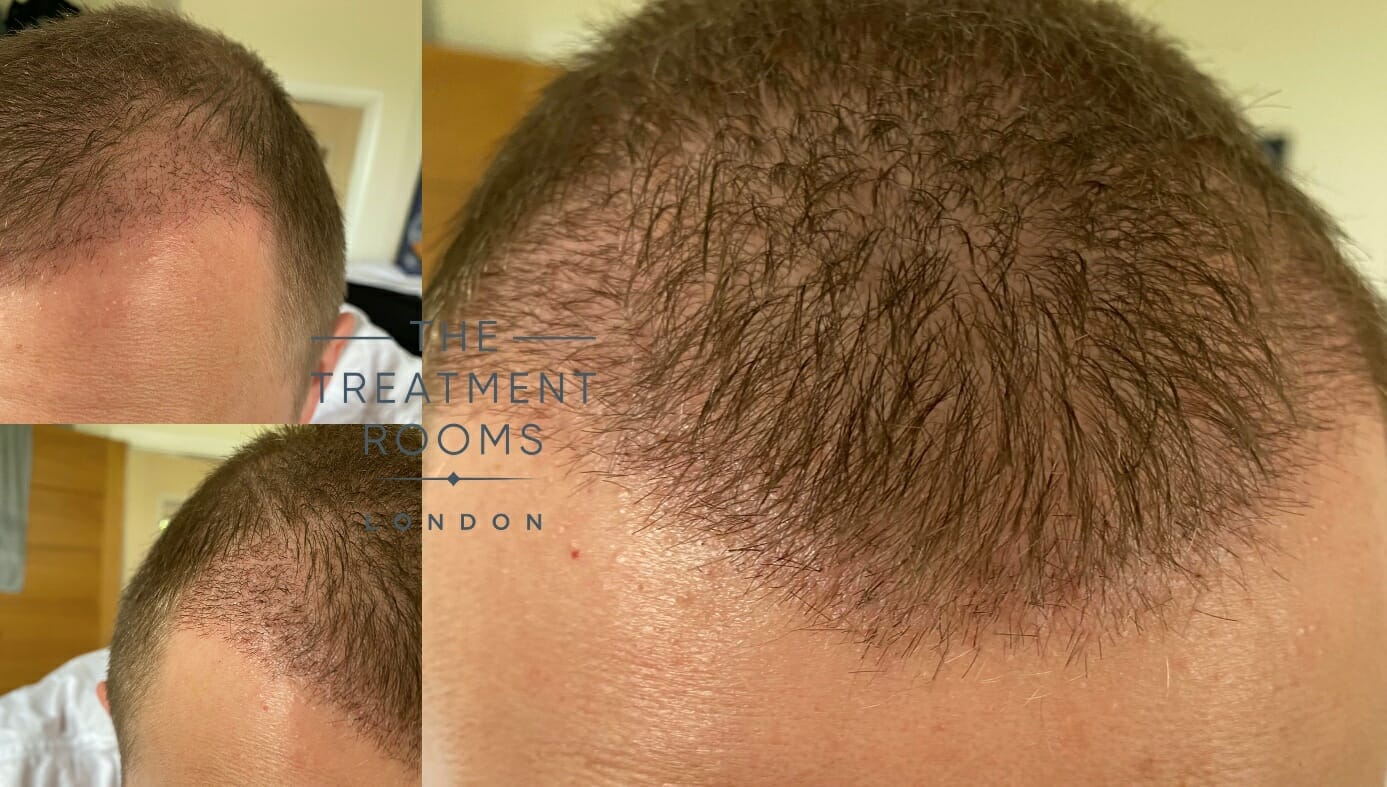
Hair transplant after 1 month
At the recipient area, more hair will enter the resting (telogen) phase and will eventually fall out (exogen). This is the main underlying process that drives shedding after a hair transplant and is normal. As hairs in the recipient area are in different stages of the growth cycle, this part of your scalp may appear patchy in growth, and this is no cause for concern. At the donor site, new hair should have already grown and covered the area.
You should contact your clinic if you see any signs of persistent inflammation (skin remaining very red and hot touch) at this point in the hair transplant timeline.
Hair transplant after 2 months
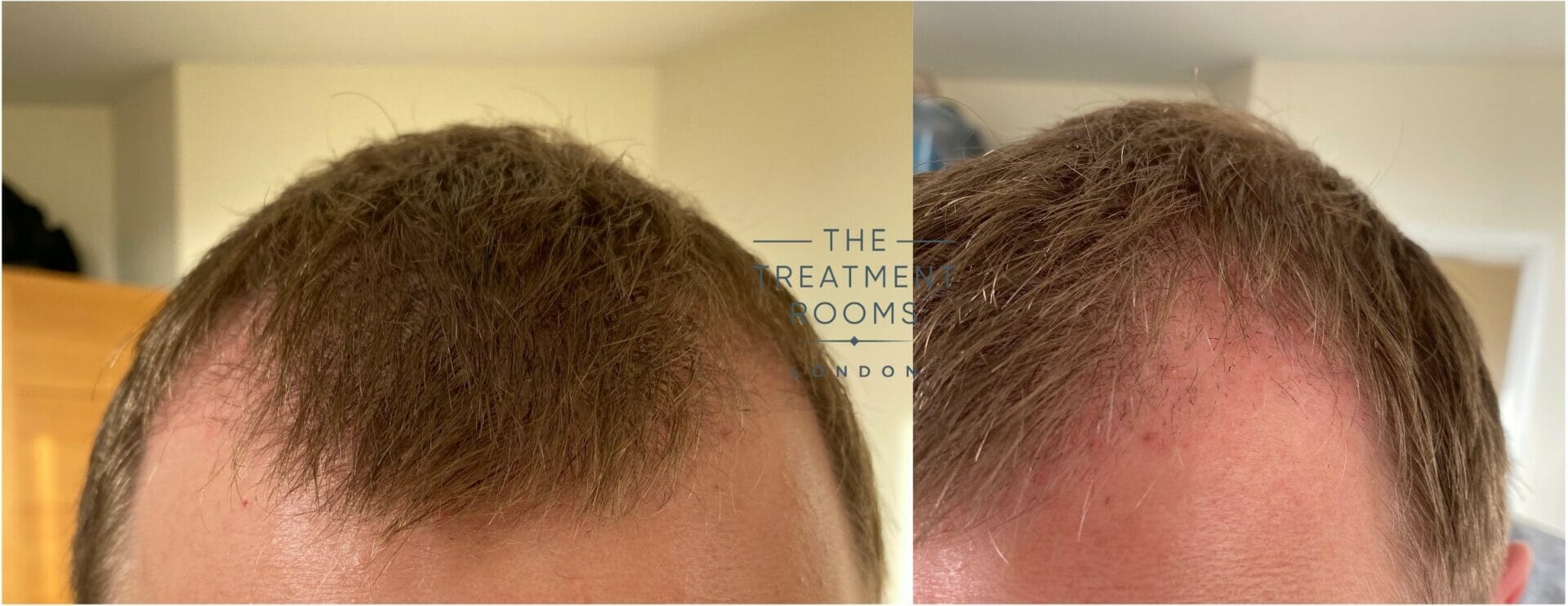
At 2 months after your surgery, you will see the continuation of the hair growth cycle and shedding process described in the section above. The speed at which this takes place will vary from person to person.
You should remain patient, and you shouldn’t be concerned about any patchiness in your scalp, as different parts of the recipient area will be in different phases of the hair growth cycle. This is a normal part of the hair transplant recovery process, even if it may be a worry for you.
Hair transplant after 3 months
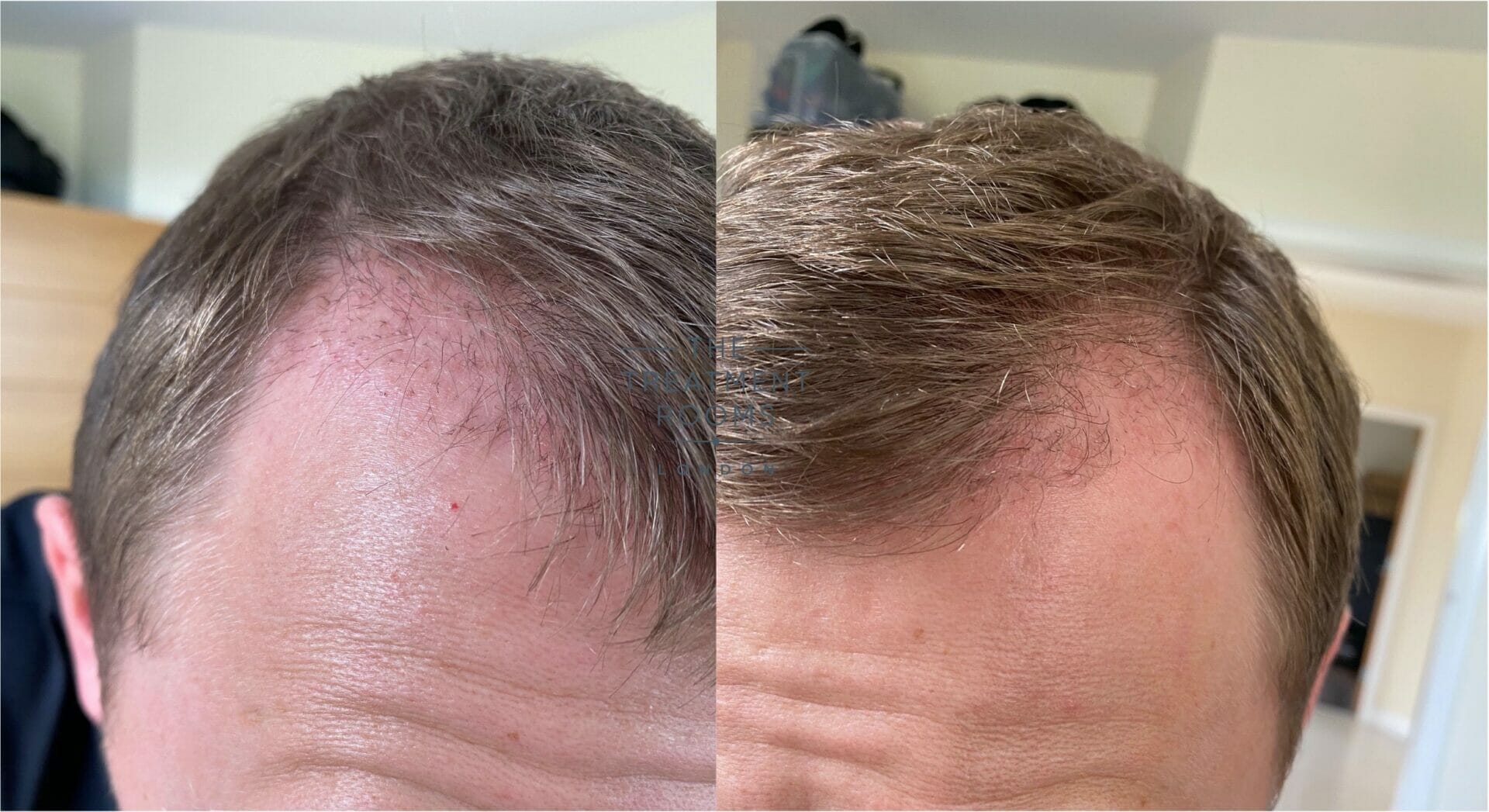
At month 3, you can expect to see your new hairs emerge. These new hairs are likely to be ‘wispy’ in appearance, being thin and almost transparent. This is due to their lack of maturity.
You should continue to be patient as your new hair slowly grows. You shouldn’t panic at the appearance of these new hairs, which can be similar to body hair in appearance. As time goes on, your hair will become thicker and stronger.
4 months after hair transplant
By month 4, more hair should have grown. The growth can still be patchy at first before becoming more uniform.
If you want to learn more about this stage in recovery, read our blog post on ‘Hair Transplant At 4 Months: What To Expect’.

Hair transplant: 6 months
You are now past what some refer to as the ‘ugly duckling stage’. You’ll notice a significant growth spurt from your new hairs, with hairs becoming thicker and stronger. This will continue over the next few months.
You should remember that growth rates are affected by many factors, and they vary from patient to patient. You shouldn’t expect to see the final result of your hair transplant by this stage.

Hair transplant 9-12 months
As your new hair continues to grow at a rate of around 1-2cm per month, it will also carry on thickening (growing wider).You can have your hair cut and styled as you wish especially if you have grown it to a good length.

Hair transplant 12-18 months
Between 1 year and 18 months after your hair transplant is when you can expect to see the final result. All your transplanted hairs should have penetrated through the scalp and matured, having thickened and darkened fully.
You can treat and enjoy your new hair as you would do in any normal situation.

Authored by
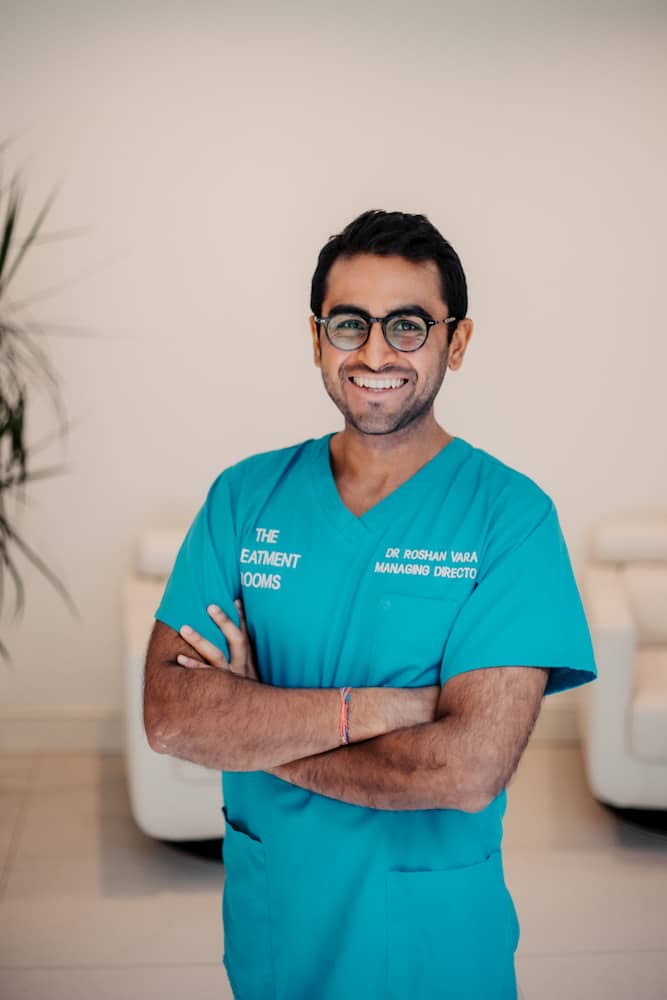
Dr Roshan Vara
Dr. Roshan Vara is a renowned hair transplant surgeon in London and the Co-Founder of our award winning hair transplant clinic, The Treatment Rooms London.He has over 10 years of experience in hair transplant surgery and is recognised for delivering natural-looking results through ethical, patient-centred care. He is a Full Medical Member of BAHRS and an Associate Member of ISHRS, reflecting his commitment to the highest standards in modern hair restoration.
Reviewed by

Dr Dilan Fernando
Dr. Dilan Fernando is regarded as one of the best hair transplant surgeons in London and Co-Founder of The Treatment Rooms London. He has over 10 years of experience in hair transplant surgery and is known for his meticulous technique and commitment to ethical practice. He served on the Executive Committee of BAHRS from 2020 to 2024, helping to shape industry standards for patient safety and quality of care. Dr. Fernando personally performs each surgery, ensuring natural results built on trust and experience.
FUE HAIR TRANSPLANT REVIEWS

★★★★★
"After extensive research and many consultations around London, I am so glad I chose The Treatment Rooms for my surgery. Dr Fernando and the whole team were excellent from the very beginning and really understood the natural result I was hoping to achieve. The actual day of the surgery was a breeze and I was made comfortable throughout. The recovery couldn't have gone any smoother and I am so happy with the final result. I cannot recommend The Treatment Rooms enough.”
★★★★★
"Two procedures and couldn’t be happier with the results. True professionals with great pre and after care. Initial transplant supposed to fall out before then regrowing which I’d expected and seen with friends but very little almost none after treatment room procedure. From zero hair on crown and little on top to full age appropriate head of hair 1 year later.”
Latest News

Why Winter Hair Loss Happens and All You Need to Know
February 6, 2026
Key Takeaways As temperatures drop and indoor heating kicks in, many people notice their hair feels drier,…

Can You Take Finasteride With Minoxidil For Hair Loss?
February 5, 2026
Key Takeaways Consistency Matters: Stopping treatment often leads to a recurrence of hair loss; ongoing medical guidance…
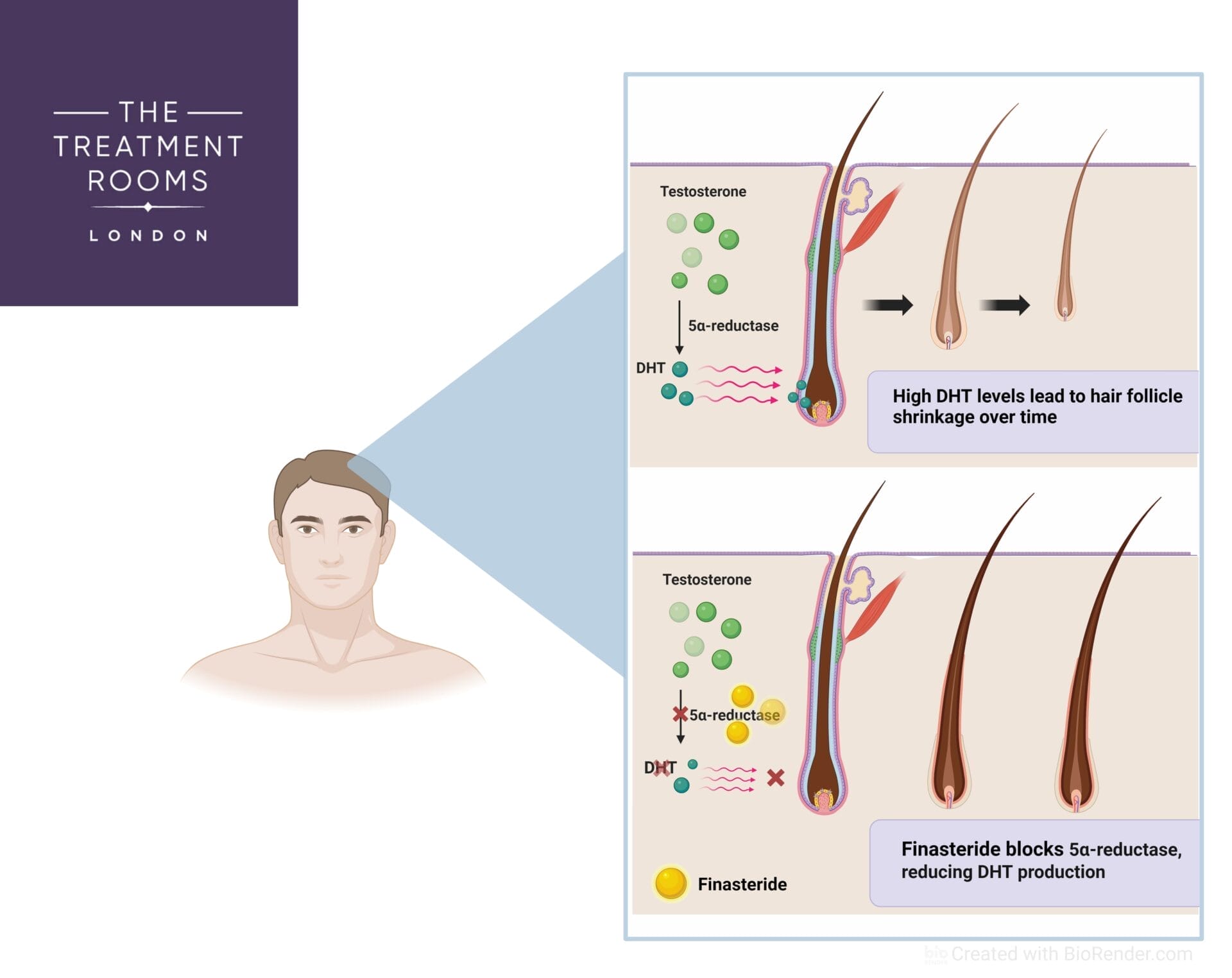
Does Finasteride Cause Erectile Dysfunction?
February 3, 2026
Key Takeaways Finasteride can cause erectile dysfunction in some men, but it isn’t common. Most men who…
Book A Consultation