

How Does a Hair Transplant Work
Here at The Treatment Rooms London, we understand better than most how difficult a decision it can be to get a hair transplant. We take pride in providing our patients with as much information prior to making a decision.
As a dedicated hair transplant clinic, we get asked all sorts of questions about hair transplants — from how the procedure works to what the aftercare and recovery are like.
That’s why we have decided to compile this ultimate guide to hair transplants, covering the patient journey, reviews, and basically everything else you need to know to help you feel as well-informed as possible.
So, let’s start with the biggest question of the lot.
What is a hair transplant?
In simple terms, a hair transplant is a surgical procedure designed to treat hair loss or baldness.
It involves extracting hair follicles from a specific donor area, typically the back or sides of your scalp, before implanting them into any areas of the scalp where there is balding or thinning.
The transplanted hair follicles then continue to grow in this new location, helping boost your overall hair density and restore a more natural hairline.
When undergoing a hair transplant, there are two main types to choose between:
- Follicular Unit Excision (FUE) – this minimally invasive technique involves removing hair grafts from the back of the head as individual follicles before gently placing them back into small holes created in areas of thinning or no hair.
- Follicular Unit Transplantation (FUT) – this slightly more invasive procedure involves removing a strip of scalp from the back of the head before dissecting it into individual hair follicles to then transplant into any areas of hair loss.
Which type of hair transplant is right for you?
When deciding which type of hair transplant is right for you, there are several things you’ll need to consider.
As a first port of call, you should always consult an experienced hair transplant specialist who will be able to address any concerns you might have.
They will have the experience required to answer any questions you have before you get started, such as:
- What is the cause behind your hair loss?
- What can you expect before, during and after the procedure?
- Would a surgical or non-surgical treatment be the better option?
- How do you find a certified clinic and hair transplant surgeon?
- Will you need additional treatments in the future?
Finding out the answers to each of these questions will then put you in a much better position to decide which type of hair transplant is right for you: FUE or FUT.
Do hair transplants hurt?
Generally speaking, hair transplants are not painful after giving the initial local anaesthesia injections.
During the procedure itself, local anaesthetic will be injected into your scalp to prevent you from feeling any discomfort. Certain other techniques may also be used to make you feel more at ease.
Here at The Treatment Rooms London, for example, we have a custom-built clinic that can offer temperature control and aromatherapy to help patients feel more relaxed throughout their transplant.
After your procedure, any pain you experience will normally be minimal and easily managed by over-the-counter medications like paracetamol or ibuprofen.
Your surgeon may also prescribe you antibiotics or other types of medication to help reduce the likelihood of infection or post-operative swelling.
You can find out more information about this in the video below.
Are there any side effects?
As with any type of surgical procedure, there are some risks and side effects involved with having a hair transplant.
Some of the more common side effects can include:
- Swelling (normally in the forehead)
- Bruising
- Discomfort at the transplant site
However, each of these side effects is normally temporary and will subside within a few days of the procedure.
Infections can also occur in rare instances but are easily avoided by following a proper aftercare routine.
Do hair transplants cause scarring?
While both FUE and FUT techniques can leave scars, most of the time, they won’t be visible to the naked eye.
FUE hair transplants tend to leave small scars less than a millimetre in diameter at the donor area which, as your hair grows to a grade 1 or 2, will become unnoticeable.
Since FUT hair transplants involve extracting a strip from your scalp, this will result in a more noticeable linear scar on the back of your head. Again, this will naturally fade over time but some people opt to get a medical tattoo or adopt a longer hairstyle to help conceal it.
The skills and experience of your surgeon can make a big difference in how extensive your scarring is. Here at The Treatment Rooms London, our surgeons take extra care and caution during the hair follicle extraction process to limit scarring as much as possible.
The patient journey: how does a hair transplant work?
Deciding to go ahead with a hair transplant is a big decision but, for many people, the benefits of looking and feeling better are too good an opportunity to pass up.
Once you’ve had your initial consultation and are all booked in for your hair transplant, there will be various stages you will then go through on the day of the procedure itself. Let’s break these down one by one:
Once you set foot through the doors of the clinic, the lead surgeon and team will be there to welcome you. They will then discuss the procedure with you in more detail, review your suitability for the procedure and go through your consent forms that you’ll need to sign.
During your consultation, the surgeon will then review your planned hairline or crown before confirming your surgery and shaving the identified donor or recipient area.
While your surgeon is setting up everything they need to perform the procedure, you will be moved to a personalised surgical room where extraction and implantation zones will be prepared.
While you’re here, comfort measures like TV, music and aromatherapy will also be offered to help put your mind at ease.
When your surgeon is ready to start the surgery, they will start by administering local anaesthesia to your scalp. This will help numb the back of your head and ensure you don’t feel any discomfort during the procedure itself.
Once the anaesthetic has taken effect, they will then start the careful process of extracting your hair follicles, using either the FUT or FUE technique.
During FUE, individual hair follicles will be harvested from your donor area using a tiny punch tool. These grafts are then preserved in cooled petri dishes until they’re ready for implantation.
During FUT, a strip of scalp containing hair follicles will be removed from the donor area before being preserved. The wound will then be cleaned and stapled or sutured closed.
For both FUE and FUT, once the lead surgeon has finished extracting the hair follicles, they will then carefully sort them into their individual follicular units under magnification.
During this time, you will be sent to take a break and enjoy a tailored lunch according to your dietary requirements.
After your lunch, the lead surgeon will then clean and prepare the area(s) of your scalp that you’ll be receiving the skin graft. They will also make some tiny incisions into these areas to help ensure the scalp receives the grafts successfully.
Once this has been done, the surgeon will delicately place each individual follicular unit into these incisions, using skilled precision and placement to achieve as natural-looking a result as possible, following the natural direction and angulation of your hair.
When the hair graft is in place, that’s it!
Your surgeon will bandage over the extraction zone before providing you with a cap and an aftercare package. This will contain medications and detailed instructions on how to cleanse your scalp, manage any discomfort and protect your grafts effectively.
You will then need to keep this bandage in place for the next 24 hours to prevent infection and aid your recovery.
Over the next few days, you may experience some mild swelling and discomfort. This is perfectly normal and nothing to worry about — taking the medication included in your aftercare package will help reduce any pain.
To protect your graft, you will need to wear a hat outdoors and delay washing your hair until you reach at least five days post-op. At this point, you can then gently cleanse your hair using the materials provided in your aftercare package before allowing it to air dry.
Within a week or so, you should be able to gradually resume your normal, non-strenuous day-to-day activities. However, you should steer clear of any intense physical activities for at least two weeks.
Keen to see a real-life version of what to expect? Watch one of our patient’s full hair transplant journeys in the video below:
Hair transplant growth: a timeline
The success of your hair transplant really comes down to how strictly you follow the aftercare advice. The better you care for your hair, the more natural it will look and the more successful your transplant will be.
Generally speaking, here is an overview of what you can expect during the weeks and months following your procedure:
- Month 1: Close attention will need to be paid to aftercare instructions to help your grafts settle in. During this time, you will need to protect them from external contact and resist the urge to poke or scratch them — even if they’re itchy.
- Months 2–3: Over the first three months, you may notice some shedding. If this happens, don’t worry — this is totally normal and it is merely a matter of time before your new hair comes through.
- Months 3–12: Throughout the course of the first year post-op, your new hair will become more voluminous, showing steady progress towards your desired hairline.
- Months 12–18: After a year or so post-op, your results will become a lot more definitive and noticeably observable.
Full results within 12-18 months
Consultation
Treatment
1 Day
Recovery
1 Week
New hair growth
3 - 4 Months
Final results
12 - 18 Months
How long do hair transplants last?
The results of a hair transplant can last for many years, with potential permanence up to 15–20 years or more. In some cases, they can even last a lifetime.
Depending on how happy you are with your results, this will impact how well you maintain your hair and keep up with any recommended hair loss medications. As such, it’s crucial to have your hair transplant performed by a surgeon at a clinic you can trust.
How to find a good clinic
The clinic you choose for your hair transplant can make a big difference to how well it takes and how successful it is over the long term.
With this in mind, here are some of the key questions you’ll need to think about when trying to find your ideal clinic.
Are they licensed and registered?
When choosing a clinic in the UK, make sure it is registered with the Care Quality Commission (CQC) and employs surgeons licensed by the General Medical Council (GMC).
What experience do they have?
Performing a hair transplant procedure is a specialist skill so it’s crucial to choose an experienced surgeon trained in hair loss and transplantation.
Where are they based?
Be cautious of any black-market or international clinics without proper accreditation. Instead, opt for a UK-based clinic that maintains high standards.
What are their reviews like?
Your clinic should have an online presence so make the most of it by reading the experiences of previous patients on their website and via a quick Google search.
Book a consultation
Here at The Treatment Rooms London, our specialist surgeons have helped hundreds of people restore not only their hair but also their mental health.
To find out more about our services and how to get started on your hair transplant journey with us, simply get in touch by booking a consultation.
Authored by
Dr Roshan Vara
Dr. Roshan Vara is a renowned hair transplant surgeon in London and the Co-Founder of our award winning hair transplant clinic, The Treatment Rooms London.He has over 10 years of experience in hair transplant surgery and is recognised for delivering natural-looking results through ethical, patient-centred care. He is a Full Medical Member of BAHRS and an Associate Member of ISHRS, reflecting his commitment to the highest standards in modern hair restoration.
Reviewed by
Dr Dilan Fernando
Dr. Dilan Fernando is regarded as one of the best hair transplant surgeons in London and Co-Founder of The Treatment Rooms London. He has over 10 years of experience in hair transplant surgery and is known for his meticulous technique and commitment to ethical practice. He served on the Executive Committee of BAHRS from 2020 to 2024, helping to shape industry standards for patient safety and quality of care. Dr. Fernando personally performs each surgery, ensuring natural results built on trust and experience.
Latest News
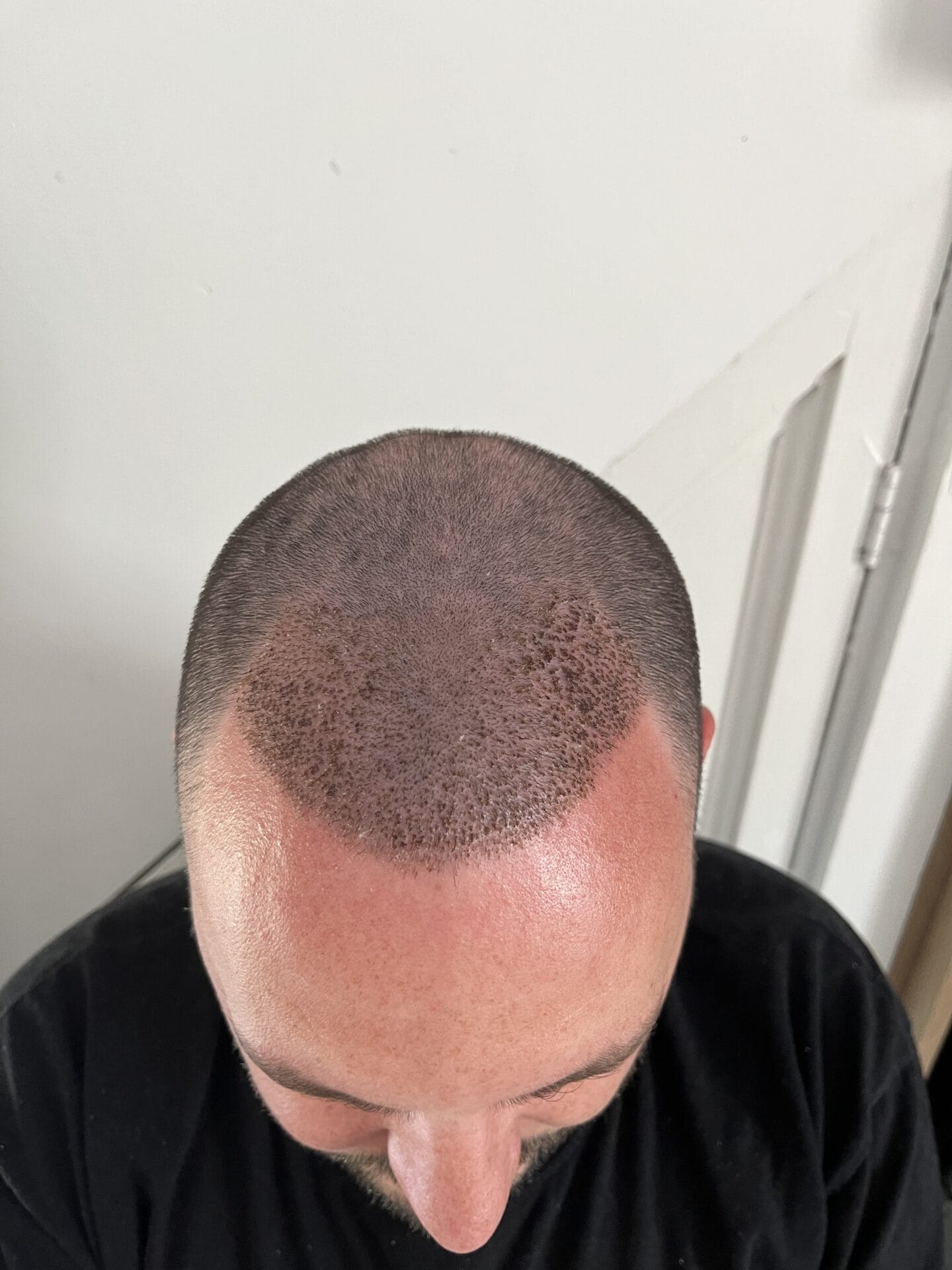
When Do Scabs Fall Off After Having a Hair Transplant?
October 17, 2026
Key takeaways: Scabs will form immediately after having a hair transplant and should wash away after 7-10…
What Happens If You Stop Using Minoxidil
October 13, 2026
Key Takeaways: If you’ve been consistently applying minoxidil to support your hair growth and have been doing…

Hair Transplant After 7 Days: What To Expect
October 9, 2026
Key takeaways: 7 days after your hair transplant, you can expect to see the scabs in your…
Book A Consultation