

Knowing the type of hair you have is crucial for understanding how to care for it properly. The type of hair you have can help you know the best products to use for the growth and health of your hair, as well as how to style it effectively.
How do you determine your hair type?
Certain factors result from the physical qualities of your hair and its follicle that can help you come to conclusions as to the type of hair you have. These factors include porosity, hair length and diameter, follicle shape, and curl pattern. And they can all interact together to influence the look of your hair, and how it responds to external treatments. For this blog, we will classify the human hair based on porosity and curl pattern.
Porosity
Hair porosity refers to the ability of the hair to absorb and retain moisture. Porosity affects the rate at which moisture and oils move in and out of your hair cuticle — which is the outermost layer of your hair.
There are three levels of hair porosity. You can have low, normal, or high hair porosity. Genetics and certain environmental factors determine your hair porosity type. When your parents have highly porous hair, your hair is likely to be highly permeable as well. When you use hair dyes or even heat styling products, your hair’s porosity will likely get altered, too.
How do you know the porosity of your hair?
There’s a simple way to check for your hair’s porosity level — it is called the “hair porosity test.” To perform one:
- Use shampoo to wash and thoroughly rinse your hair
- Then, get a transparent glass cup and fill it up.
- By the time your hair is completely dry and devoid of moisture, you can collect a single strand and drop it into your glass of water.
- Now, observe your hair strand to see whether it floats at the top of the water, or sinks to the bottom.
If your hair strand sinks to the bottom of the cup, it can be said that you have a “high hair porosity.” On the other hand, if it floats at the top before sinking, you likely have a low hair porosity. If the hair strand floats somewhere around the mid-point of the cup, then you likely have a medium or normal hair porosity.
- Highly porous hair
Highly porous hairs allow moisture and oils to be easily absorbed into the hair shaft. However, since the hair cuticles are open, they only retain this moisture for a while. Your hair is likely highly porous if:
- It breaks off too easily
- It air-dries quickly
- It’s always dry and formed of a mass of small, curly hairs
- Medium porosity hair
Normal or medium porosity hair is able to retain moisture for a longer period of time than high porosity hair. This is because its cuticles are only slightly closed, but loosely opened to allow moisture to move in and out. Your hair is likely of medium or normal porosity if:
- It looks all glossy and shiny
- It colours very well
- It air-dries quickly
- It styles easily
- Low porosity hair
A hair is said to be of low porosity, when it doesn’t retain moisture, as its cuticles are packed tight enough to prevent moisture from easily penetrating the hair shaft. Your hair can be said to be of low porosity, if:
- It doesn’t easily air-dry
- It’s difficult to get soaked up in water while washing
- It doesn’t easily absorb hair products
Can you alter your hair porosity?
As mentioned earlier, the porosity of the hair is largely determined by genetics, and to some extent, certain environmental factors. While you cannot change your genetic make-up, there are things you can do that can help you manage your hair porosity.
For individuals with a highly porous hair, they can go for products like leave-in conditioners and sealers, as they can help your hair to hold onto moisture for a longer period of time. Individuals with highly porous hair should avoid heating their hair. If you need to use heat to style your hair, we advise using heat protectants that can be applied before blow-drying/ straightening the hair.
On the other hand, people with a low porosity hair, may want to consider applying conditioners to their hair when it’s wet — this fosters absorption. They should also go for protein-free conditioners, as they are more easily absorbed into the hair and unlikely to cause buildups.
Curl pattern
Generally, a person’s hair type is influenced by their curl pattern, which is determined by the shape of the hair follicle. So, the shape of your hair follicle is what goes on to determine the kind of curl pattern you will have. The more oval your hair follicle is, the curlier your hair is going to be.
Basically, there are four curl patterns of the hair. They include straight hair, wavy hair, curly hair, and coily hair. These patterns are further subdivided into numerous groups.
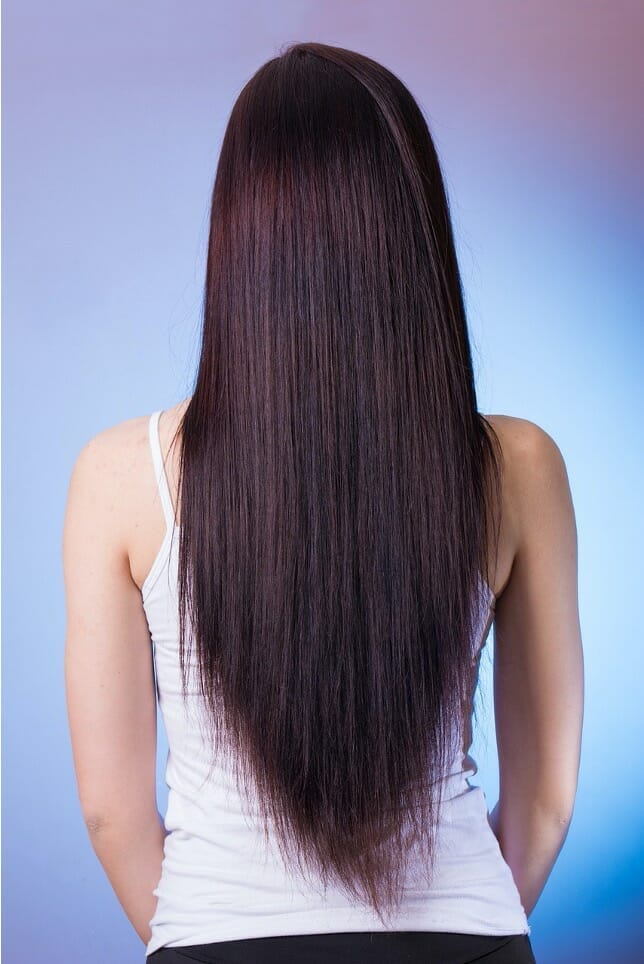
- Straight hair (type 1)
Also referred to as type 1 hair, the straight hair is one that’s straight with little to no texture. It is soft to touch, and completely lacks any kind of kinks or curls. It is further subdivided into 3: type 1A, type 1B, and type 1C. Type 1A is straight, soft, and with no curls at all. Type 1B is also straight, shiny, and lacks curls, but it tends to have more volume. Lastly, the type 1C possesses less wisp and shine like the other type 1 hairs. It tends to be coarser. It also does not curl.
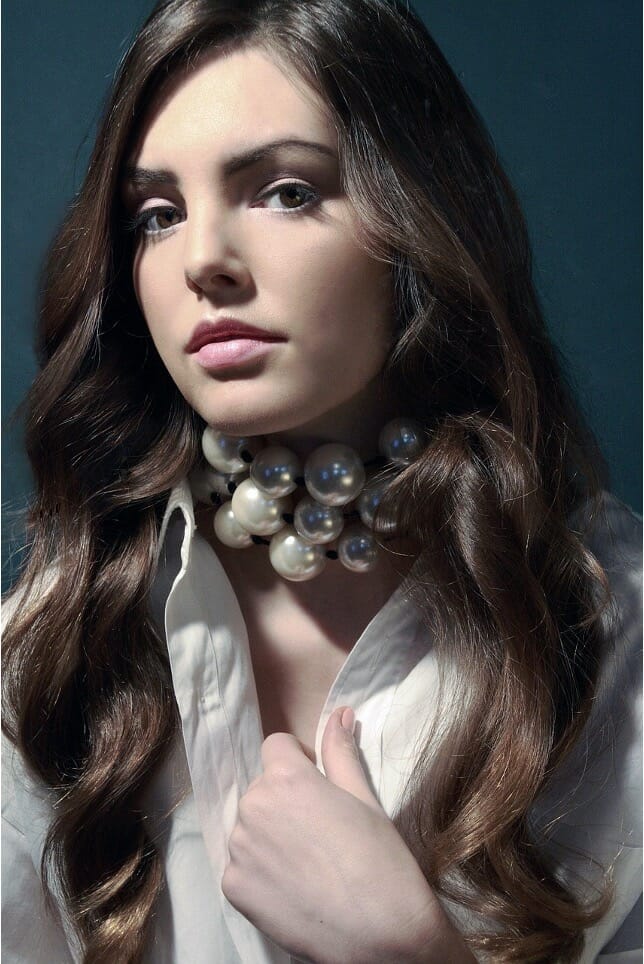
- Wavy hair (type 2)
More often than not, the wavy hair is confused with a curly hair. However, the two are completely different. A wavy hair usually has more texture and volume than a straight hair. It can be a type 2A hair, which is loose with a wavy “S” shaped pattern, a type 2B hair, which has a more defined “S” shaped or wave pattern, or a type 2C hair, which is largely coarse, has a defined “S” shaped pattern, and possess waves that are wider and look like a loose curl.
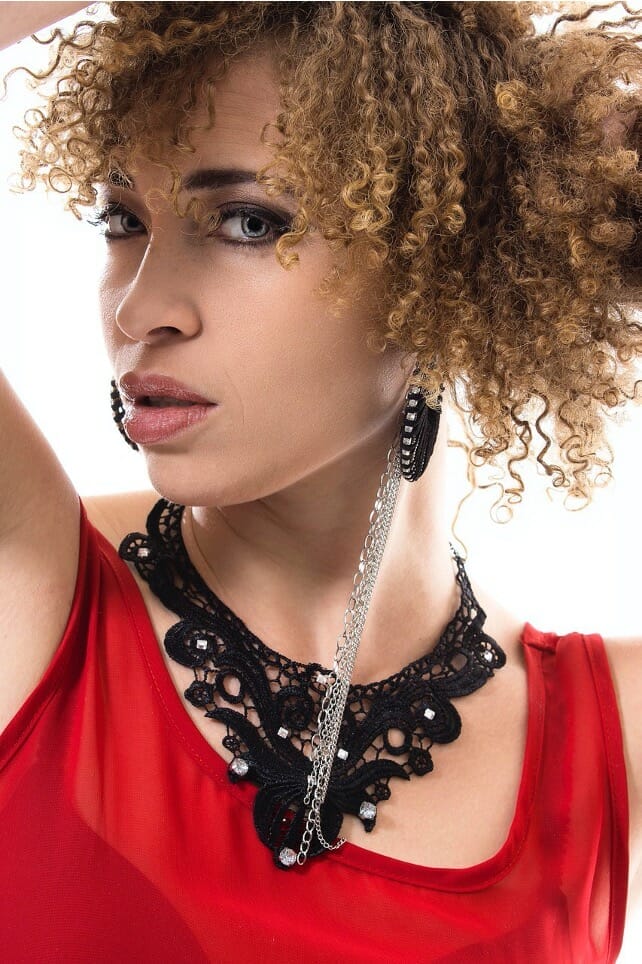
- Curly hair (type 3)
The type 3 or curly hair is one that resembles an “S” shape. It stays curly with a defined pattern irrespective of the effort put in straightening. This kind of hair is always more frizzed, and possesses a higher density than straight and wavy hair. Type 3A has loose curls, type 3B has medium curls, and lastly, type 3C, has tight curls.

- Coily hair (type 4)
This type of hair is often very fragile, looks gritty, and lacking in moisture. It is characterised by densely packed “wiry” looking coils. It can be type 4A, which is soft, type 4B, which is tight or wiry, or type 4C, which is very tight or wiry.
Summary
Knowing the kind of hair type you have can go a long way in helping you sustain the growth and health of your hair. It can help you make informed decisions when choosing hair products, such as shampoos and conditioners, that will work best for you. It can also help you select styles that look good and complement your natural hair characteristics.
References
Share:
Authored by

Dr Roshan Vara
Dr. Roshan Vara is a renowned hair transplant surgeon in London and the Co-Founder of our award winning hair transplant clinic, The Treatment Rooms London.He has over 10 years of experience in hair transplant surgery and is recognised for delivering natural-looking results through ethical, patient-centred care. He is a Full Medical Member of BAHRS and an Associate Member of ISHRS, reflecting his commitment to the highest standards in modern hair restoration.
Reviewed by

Dr Dilan Fernando
Dr. Dilan Fernando is regarded as one of the best hair transplant surgeons in London and Co-Founder of The Treatment Rooms London. He has over 10 years of experience in hair transplant surgery and is known for his meticulous technique and commitment to ethical practice. He served on the Executive Committee of BAHRS from 2020 to 2024, helping to shape industry standards for patient safety and quality of care. Dr. Fernando personally performs each surgery, ensuring natural results built on trust and experience.
Book a Consultation
Related Blogs

Steve Carell Hair Transplant: Before, After, and His New Hairline
March 2, 2026
Steve Carell, best known as Michael Scott in The Office, began sparking curiosity amongst fans when his…

What Is Nutrafol and Does It Really Work for Hair Growth?
February 24, 2026
Key Takeaways Hair thinning can feel frustrating and confusing. You might notice more hair falling out in…

Peppermint oil for hair growth: Evidence, Benefits, Uses & Safety
February 24, 2026
Key Takeaways What Is Peppermint Oil? Peppermint oil, also known as Mentha piperita oil, is an essential…

Why Winter Hair Loss Happens and All You Need to Know
February 6, 2026
Key Takeaways As temperatures drop and indoor heating kicks in, many people notice their hair feels drier,…

Can You Take Finasteride With Minoxidil For Hair Loss?
February 5, 2026
Key Takeaways Consistency Matters: Stopping treatment often leads to a recurrence of hair loss; ongoing medical guidance…
Does Finasteride Cause Erectile Dysfunction?
February 3, 2026
Key Takeaways Finasteride can cause erectile dysfunction in some men, but it isn’t common. Most men who…
What is a Hair Transplant? How it Works, Success Rate & What to Expect
February 2, 2026
Key Takeaways Cost: Varies from £3,000 to £10,000, depending on the number of grafts and the technique….
What Causes Hair Loss During Menopause?
February 2, 2026
Key Takeaways Many women notice increased hair shedding and thinning during menopause. This happens because hormonal changes…

Can a Norwood 7 Get a Hair Transplant? All You Need to Know
February 2, 2026
Key Takeaways Yes, someone with Norwood 7 hair loss may be able to have a hair transplant,…