

Key takeaways:
- Can Male to Female HRT help hair regrow? Yes, it is possible that getting male-to-female HRT can help hair to regrow. This is because reducing testosterone and increasing estradiol can help reverse the effects of a testosterone related hormone called Dihydrotestosterone, or DHT, which is a main culprit of pattern baldness.
- How long does hair regrowth take on HRT?
It can take at least 6 months for you to notice considerable growth, and around a year before your transplanted hair has grown enough to achieve a longer hairstyle. - What if HRT alone doesn’t deliver the results you want? If you can’t achieve the result you would like to see using HRT alone, there are other treatment options that can help. Minoxidil can increase hair thickness and growth, and Finasteride can further help reduce DHT related hair loss.
- Can a hair transplant create a more feminine hairline? Yes. A hair transplant can bring your hairline forward, softening its appearance, and it can also fill in areas where your hair is receding.
Hair loss can have a negative impact on your well-being, and it can affect any one of us. If you are a transgender woman, it can come with its own set of added difficulties.
The good news is that hormone replacement therapy (HRT) and many other hair-loss treatments may help your hair regrow.
Learn more about the science behind MTF HRT hair regrowth, why it happens, and how a hair transplant with The Treatment Rooms London may help you on your hair journey.
MTF hair regrowth
Androgenetic alopecia, or pattern baldness, is when you lose your hair in a progressive pattern. It occurs because of a specific androgen in the body called dihydrotestosterone (DHT). DHT makes hair thinner and smaller over time, eventually stopping some follicles from making hair altogether.
As a trans patient, it can be distressing to deal with pattern hair loss; however, there are a few ways to help hair grow back stronger.
Minoxidil and Finasteride are the most common treatments for androgenetic alopecia – and both can lead to hair regrowth. If your hair loss is more significant or you would like a more permanent solution, then a male-to-female (MTF) hair transplant can be a viable option. During this type of transplant, we can feminise your hairline by bringing it forward and giving it a softer look.
However, hair regrowth may also be possible for you as a transgender woman because of taking HRT, which works by reducing the effects your testosterone has on causing hair loss whilst also increasing your oestradiol (oestrogen).
Does MTF HRT cause hair regrowth?
Yes. HRT can help hair regrowth in trans women. However, it will take time. Often, it can be at least 6 months to notice significant changes in your hair growth when you are on HRT.
The wait can be more than worth it, as many transgender women regrow a full, healthy head of hair that allows them to feel confident in themselves and their gender-affirmation journey.
“Gender-affirming HRT effectively halts pattern hair loss in trans women within a few months by suppressing the testosterone and DHT levels in the body. This allows hairs to thicken over time. While there is substantial gain in the overall thickness and density of the hair, HRT can not bring back lost follicles. This is especially relevant in hairlines where the recessed areas have no viable follicles and a hair transplant surgery is needed to restore full coverage.
In early stages of transition, temporarily adding Finasteride can lower DHT levels until HRT achieves full hormonal suppression. Minoxidil is also helpful as it increases blood flow to the scalp and stimulates new growth. What is important is to allow the hairs enough time to grow in their new environment free from hormonal stress. Waiting until the baseline hair thickness and hairline position are fully established creates the ideal foundation for a successful hair transplant.“
Dr Dilan Fernando, Hair Transplant Surgeon, The Treatment Rooms London.
Why does MTF HRT cause hair regrowth?
Your body naturally produces DHT. This hormone interacts with susceptible hair follicles, making them produce thinner and shorter hairs, and eventually stopping them from producing any hair at all.
By taking HRT, you may be able to reverse the effects of DHT and kickstart your hair regrowth. This is because HRT is composed of both testosterone blockers and Oestradiol. Oestradiol has been shown to have a protective effect against the action of DHT, and Testosterone blockers suppress testosterone in the body. The longer you take HRT, the more your testosterone levels will fall in line with those of a cisgender woman.
Some transgender women will combine HRT with hair loss treatments like Finasteride to help quicken the process. But it’s important to remember that each person is different, and your hair growth journey on HRT may not be the same as somebody else’s.
Here at The Treatment Rooms London, we can help if you’re concerned about hair loss, as we offer many hair restoration methods for transgender women.


We’re a leading hair restoration clinic in the UK and are proud to offer MTF hair transplants. The wealth of experience we have in our team means we can ensure that you receive natural-looking results that help you along your journey of gender affirmation.
MTF hair transplants at The Treatment Rooms London offer you the chance to regrow and feminise your hairline. Our surgeons are world-class and will ensure continuity of care to help you on your hair regrowth journey every step of the way.
Explore our extensive gallery of hair transplant results, where you can view a wide range of before and after transformations. With each case, you can have a glimpse at how we have helped people like you achieve their dream hairline, often just from a single day procedure.
Minoxidil for MTF hair regrowth
Minoxidil is a primary choice for non-surgical hair regrowth treatment for transgender women.
While higher doses of Minoxidil are generally used to treat elevated blood pressure, in smaller doses, it can thicken hair and allow it to grow for longer. It is usually taken in tablet form.
Minoxidil does have some possible side effects, including:
- Fluid retention (particularly in the ankles or feet)
- A fast heart rate or palpitations
- Shortness of breath
- Chest pain
- Low blood pressure
- Dizziness
- Nausea
- Skin rashes
On a low dose of Minoxidil, it’s unlikely that you’ll experience significant side effects. If you do notice them, contact your prescribing doctor right away and let them know what happened. They will be able to assess if it is safe for you to continue taking minoxidil or whether you may benefit from a different strategy.
Finasteride for MTF hair regrowth
Finasteride is another option that can help with hair growth. Finasteride is a tablet that blocks the production of DHT by stopping the enzyme that turns testosterone into DHT.
It is possible to use Finasteride with HRT. This is a powerful combination which reduces both testosterone and DHT levels in your body.
Finasteride can have some side effects that you should be aware of, including:
- Decreased libido
- Sore or enlarged breast (gynaecomastia)
- Rashes
Not everyone will experience these side effects, and finasteride remains a valuable treatment option for hair loss in transgender women.
Hair transplant for MTF hair restoration
Hair transplants are an extremely effective way to restore your hair and boost your confidence and self-image. The Treatment Rooms London’s MTF hair transplant is one of the best in the UK, with our specialist surgeons having a wealth of experience and expertise in trans hair transplant surgery. We work directly with you to help you achieve the result you desire.
Learn more about the possible side effects of a hair transplant.
MTF hair transplants offer long-lasting results. A hair transplant can treat hair loss and recession, from thickening the hair on your crown to filling in your hairline and feminising it.
“Designing a female hairline is entirely different from a male hairline. Rather than just covering baldness, it focuses on facial reshaping with key features like an oval or rounded shape, a lower position on the forehead, and softer edges, among others. Surgery in a trans woman on HRT should be timed around full hormonal suppression and hair loss stabilization. This is crucial because ongoing hair loss can create new areas of thinning or baldness around the transplanted zones.
Because long hair is often core to a trans woman’s identity, full head shaving can cause severe distress. We prioritize discretion using specialized shaving methods like tiered shave or undercut shave. An FUT surgery is also suitable in these situations where the strip scar can be easily covered by the surrounding long hair.
For most trans patients, hair restoration is a vital step in alleviating gender dysphoria rather than a purely cosmetic choice. A supportive consultation requires an empathetic approach acknowledging their vulnerability, validating their emotions, collaborative hairline designing, and coordinating with other facial feminization surgeries.“
Dr Dilan Fernando, Hair Transplant Surgeon, The Treatment Rooms London.
Why choose The Treatment Rooms London for an MTF hair transplant?
An MTF hair transplant with Treatment Rooms London offers a great opportunity to restore and regrow your hair just as you would like it.
Our MTF hair transplants can add volume and change the position of your hairline so it matches your identity more closely.
We meet you exactly where you are currently at, and thoroughly map out your hair goals while assessing your current hair loss. We’ll also discuss your hair transplant options – we typically recommend an FUT (Follicular Unit Transplantation) or an FUE (Follicular Unit Excision) hair transplant, and tell you how many grafts we think you’ll need. With our clinic, you can be assured that you will always receive high quality treatment and the best natural-looking results.
Get in Touch
Ready to take the next step towards your dream hair? Book a consultation call to discuss your hair loss situation and gain clarity on your best options.
Our award-winning team is headed by leading London hair transplant surgeons Dr Dilan Fernando and Dr Roshan Vara, and we are here to support you every step of the way on your unique hair restoration journey.
Share:
Authored by

Dr Roshan Vara
Dr. Roshan Vara is a renowned hair transplant surgeon in London and the Co-Founder of our award winning hair transplant clinic, The Treatment Rooms London.He has over 10 years of experience in hair transplant surgery and is recognised for delivering natural-looking results through ethical, patient-centred care. He is a Full Medical Member of BAHRS and an Associate Member of ISHRS, reflecting his commitment to the highest standards in modern hair restoration.
Reviewed by

Dr Dilan Fernando
Dr. Dilan Fernando is regarded as one of the best hair transplant surgeons in London and Co-Founder of The Treatment Rooms London. He has over 10 years of experience in hair transplant surgery and is known for his meticulous technique and commitment to ethical practice. He served on the Executive Committee of BAHRS from 2020 to 2024, helping to shape industry standards for patient safety and quality of care. Dr. Fernando personally performs each surgery, ensuring natural results built on trust and experience.
Book a Consultation
Related Blogs

Can Excessive Exercise Cause Hair Loss?
November 13, 2026
Key Takeaways: You may be wondering if your workout is causing your hair loss. Oftentimes, if you…

Understanding Hair Loss in People with Trichotillomania
November 13, 2026
Key Takeaways: What Is Trichotillomania? Trich is a mental health condition where people suffering from it experience…

Hair Growth Cycle Explained
November 13, 2026
Key Takeaways: Each hair follicle is a small, self-renewing structure that goes through periods of growth, transition,…

Did Kyle Walker Have a Hair Transplant? Expert Review of His Hair Loss and Restoration
November 13, 2026
Key Takeaways: Kyle Walker is a widely known athletic superstar. He burst onto the football scene with…

Jürgen Klopp Hair Transplant: Expert Analysis of His Hair Loss and All You Need to Know
November 13, 2026
Key Takeaways Jürgen Klopp is one of football’s most celebrated managers. He made his name through his…

Can a Norwood 7 Get a Hair Transplant? All You Need to Know: All You Need to Know
November 13, 2026
Key Takeaways: Hair transplantation may be possible for selected patients with Norwood 7 hair loss. However, it…

Retrograde Alopecia: Causes, Symptoms, and Treatment Options
November 13, 2026
Key Takeaways: Retrograde alopecia has always been recognised as a phenomenon where the hair loss starts at…
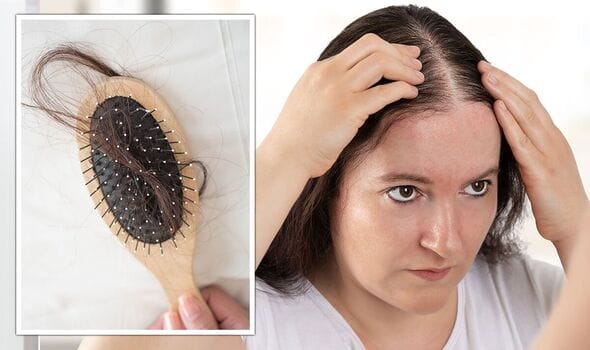
Female Pattern Baldness (Androgenetic Alopecia): Symptoms, Causes & Treatments
November 12, 2026
Key Takeaways Female pattern hair loss (FPHL) is the most common hair loss condition affecting women, where…

Hair Shedding vs Hair Loss: What’s the Difference?
November 12, 2026
Key Takeaways: When you notice more hair falling out than usual, it can cause a lot of…