

A low-carb or ketogenic diet can provide health benefits, such as aiding weight loss and managing diabetes. However, can a low-carb diet cause hair loss? So far, there isn’t any significant research to suggest that a low-carb or ketogenic diet causes hair loss. This article will help to shed more information on the topic.
In patients who have a low-carb diet and notice more hair falling out, it can be due to:
- The calorie restriction they put their body through, limiting the nutritional supply to their hair
- The psychological stress being put on their body is also causing hair to shed
- Protein, iron, and micronutrient deficiency as a consequence of a low-carb diet can cause hair loss
What is a low-carb or ketogenic diet?
A low-carb diet limits carbohydrate intake, particularly starchy and sugary foods. Instead, it recommends consuming foods rich in protein and fat. Generally, a low-carb diet is adopted to aid weight loss. It may also be advised for some patients who suffer from diabetes and metabolic syndromes.1
There are many different types of low-carb diets. A typical one should provide no more than 26% of your daily caloric value from carbohydrates. But the main idea behind a low-carb or ketogenic diet that’s high in proteins and fats remains the same, which is to regulate the body’s insulin content and induce ketosis — the condition whereby the human body shifts to the use of fats for fuel, instead of the glucose that comes from carbohydrates. When this shift occurs and the body enters ketosis, ketones from fat cells become the primary fuel powering metabolic activity. This causes stored fat reserves to get used up causing weight loss2.
Does a low-carb diet cause hair loss?
There’s still a lot of uncertainty as to whether a low-carb diet does cause hair loss. What remains clear is that any diet, provided it contains all the essential amounts of vitamins, minerals, and other macronutrients in the right proportion, is critical for supporting hair growth.

Currently there is no substantial evidence to say a low-carb diet causes hair loss. However, anecdotal reports suggest that people who adopt a low-carb diet may notice hair falling out after a few months. While there are many factors attributed to hair loss, some of the most convincing include severe calorie restriction, inadequate protein intake, nutrient deficiencies, and stress.
Severe calorie restriction and hair loss
Drastic dietary changes can cause temporary hair loss. A typical example is telogen effluvium, a short-term hair shedding phase as a result of a sudden lifestyle change. It is one of the most common causes of hair loss.
In telogen effluvium, the proportion of hairs that are actively growing (called anagen hair), and those that are at a resting phase (known as telogen hair) changes. A single hair follicle grows for about 2-5 years, and then enters a resting phase for about 3-5 months, after which a new hair will grow again to push out the resting hair. When there’s a shock to the system, such as a sudden dietary change like going onto a low-carb diet, as much as 50% of the anagen or growing hairs can enter into the resting phase, which may all fall out at the same time to cause temporary hair loss4. This is because the body diverts essential nutrients away from non-essential parts of the body such as the hair to other life-essential organs like the heart and brain.
Protein inadequacy and hair loss
Normally, a low-carb or ketogenic diet is supposed to contain more protein content; however, some may choose to eat less protein and more high-fat content food. Protein is an essential nutrient for growing hair follicles. Research-based findings have shown that a diet that’s deficient in proteins can cause hair loss6.
If most of your calorie intake comes from fat, you may be eating too little protein, leading to a deficiency and, in turn, causing hair loss. Proteins, and thus, risks protein deficiency. Proteins ought to make up anywhere between 10-30% of your daily calorie intake.
Nutrients deficiency and hair loss
A low-carb diet that’s deficient in key nutrients can also cause hair loss. Iron deficiency is the world’s most common nutritional deficiency and is well-known to cause hair loss 7.
For those who opt for a low-carb diet and are also vegan or vegetarian, the risk for iron deficiency increases, because the non-heme iron found in plant-based foods has a lower bioavailability than the heme iron found in animal foods like meat and fish. So, if you are a vegan, on a low-carb or keto diet, and your hair is beginning to thin and fall out, you may need to take iron supplements.
Apart from iron, if your low-carb diet is lacking in essential vitamins like vitamin B7, folate, and vitamin E, you may also notice hair thinning or other signs of hair loss, as these vitamins are essential in maintaining healthy hair.
Stress and hair loss
Well-researched findings have shown that psychological stress is one of the several factors that can lead to the development of telogen effluvium. Those choosing to undergo a drastic dietary change, such as switching to a low-carb diet, can experience psychological stress that alters the hair growth cycle and causes more hair to shed.
Treatments for hair loss
If you do suffer from hair loss, you can explore non-surgical treatments to help thicken your hair.
Non-surgical treatments you can explore include:
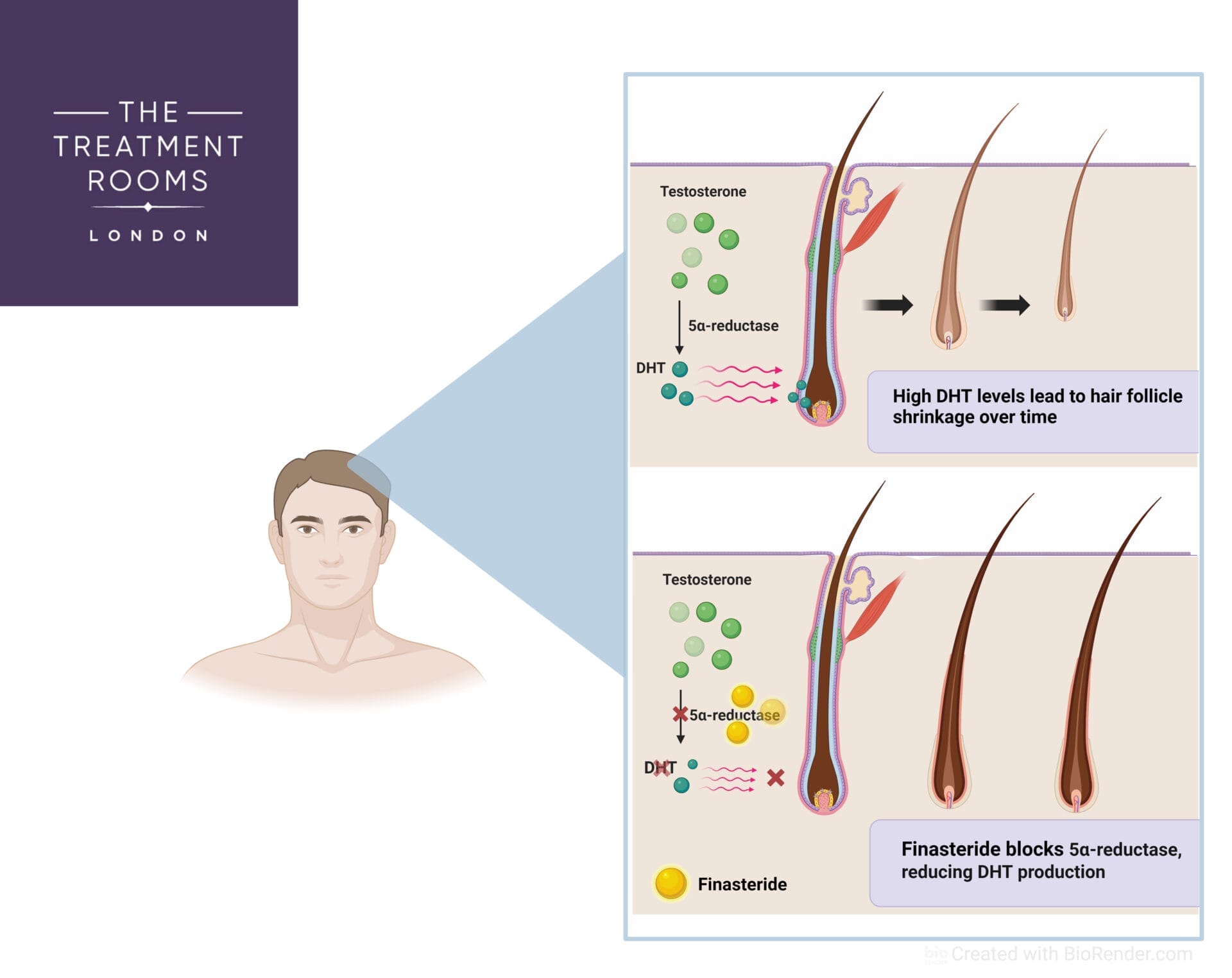
- Finasteride, which stops the balding process of androgenic alopecia, blocking the enzymes which assist the conversion of testosterone into DHT
- Minoxidil, which increases hair vitality by promoting good oxygen and nutrient supply
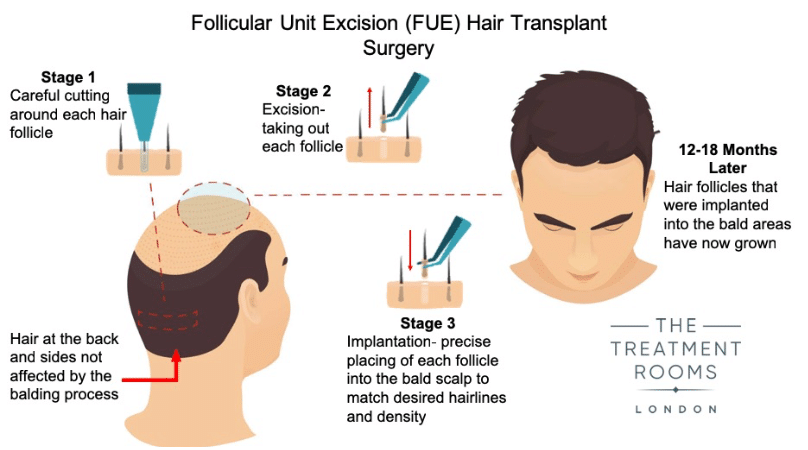
There are also surgical treatments, such as an FUE hair transplant. This is an advanced, minimally invasive procedure that removes individual hair follicles from the back and sides of the head using tiny punches before transplanting them to the part of your scalp experiencing hair loss, such as the hairline or crown.
Summary
A low-carb or ketogenic diet hasn’t been shown to cause hair loss directly. It is the association of a broader change in dietary intake with hair thinning and loss. For patients on a low-carb diet who experience hair loss, the condition is typically temporary, especially if they address any underlying nutritional deficiency.
Numerous factors can explain why low-carb diets cause hair loss, such as drastic dietary changes that alter calorie intake and the stress the body experiences as a result, which can shift the hair growth cycle into a shedding phase. Irrespective of what’s causing your hair loss, you can prevent it by making sure you have a balanced diet. Foods rich in vitamins and minerals may help support the growth and health of your hair.
If you are exploring having a hair transplant for your hair loss, book your consultation today. Our lead surgeons are more than happy to provide you with more information about the personalised hair transplant service we offer at The Treatment Rooms London.
REFERENCES
- https://www.ncbi.nlm.nih.gov/books/NBK537084/
- https://www.ncbi.nlm.nih.gov/pmc/articles/PMC8322232/
- https://www.statpearls.com/ArticleLibrary/viewarticle/38819
- https://www.ncbi.nlm.nih.gov/pmc/articles/PMC7320655/
- https://www.ncbi.nlm.nih.gov/pmc/articles/PMC5579396/
- https://pubmed.ncbi.nlm.nih.gov/28243487/
- https://www.ncbi.nlm.nih.gov/pmc/articles/PMC5315033
Share:
Authored by

Dr Roshan Vara
Dr. Roshan Vara is a renowned hair transplant surgeon in London and the Co-Founder of our award winning hair transplant clinic, The Treatment Rooms London.He has over 10 years of experience in hair transplant surgery and is recognised for delivering natural-looking results through ethical, patient-centred care. He is a Full Medical Member of BAHRS and an Associate Member of ISHRS, reflecting his commitment to the highest standards in modern hair restoration.
Reviewed by

Dr Dilan Fernando
Dr. Dilan Fernando is regarded as one of the best hair transplant surgeons in London and Co-Founder of The Treatment Rooms London. He has over 10 years of experience in hair transplant surgery and is known for his meticulous technique and commitment to ethical practice. He served on the Executive Committee of BAHRS from 2020 to 2024, helping to shape industry standards for patient safety and quality of care. Dr. Fernando personally performs each surgery, ensuring natural results built on trust and experience.
Book a Consultation
Related Blogs

How To Make Your Hair Grow Faster After Having A Hair Transplant
January 6, 2026
Your hair will generally grow within 9-12 months after having a hair transplant. However, there are a…

Does Omega-3 Deficiency Cause Hair Loss?
January 6, 2026
Omega-3 is a fatty acid that is required for a healthy body, skin and hair. Modern-day diets…
Complete Guide on Folic Acid and Hair Loss
January 5, 2026
Quick Summary Hair loss is a widespread concern that affects millions of people globally. While genetics, hormonal…
What is DHT & Its Role in Hair Loss?
January 5, 2026
Hair loss is a common concern that millions, if not billions, of people experience at some point…

Guide To Finasteride For Hair Loss
January 5, 2026
One of the most effective medications for treating hair loss is Finasteride, which is often prescribed to…

Which Medications Cause Hair Loss?
January 4, 2026
Medicines are essential in treating diseases, enhancing health, and even saving lives. While medicines can be very…
When Can You Safely Use Oil After a Hair Transplant? Expert Timeline & Tips
January 4, 2026
There is simply something about running your fingers through healthy, well-nourished hair. Hair oils can moisturise the…
When Can You Use Nizoral After a Hair Transplant?
January 4, 2026
Nizoral is a medicated shampoo that contains the antifungal drug ketoconazole. This shampoo acts against fungal infections on…
What is an FUE Hair Transplant?: A Comprehensive Guide to Procedure, Recovery, and Results
January 4, 2026
Hair transplant surgery has gained popularity over the years, with more people now comfortable taking care of…