

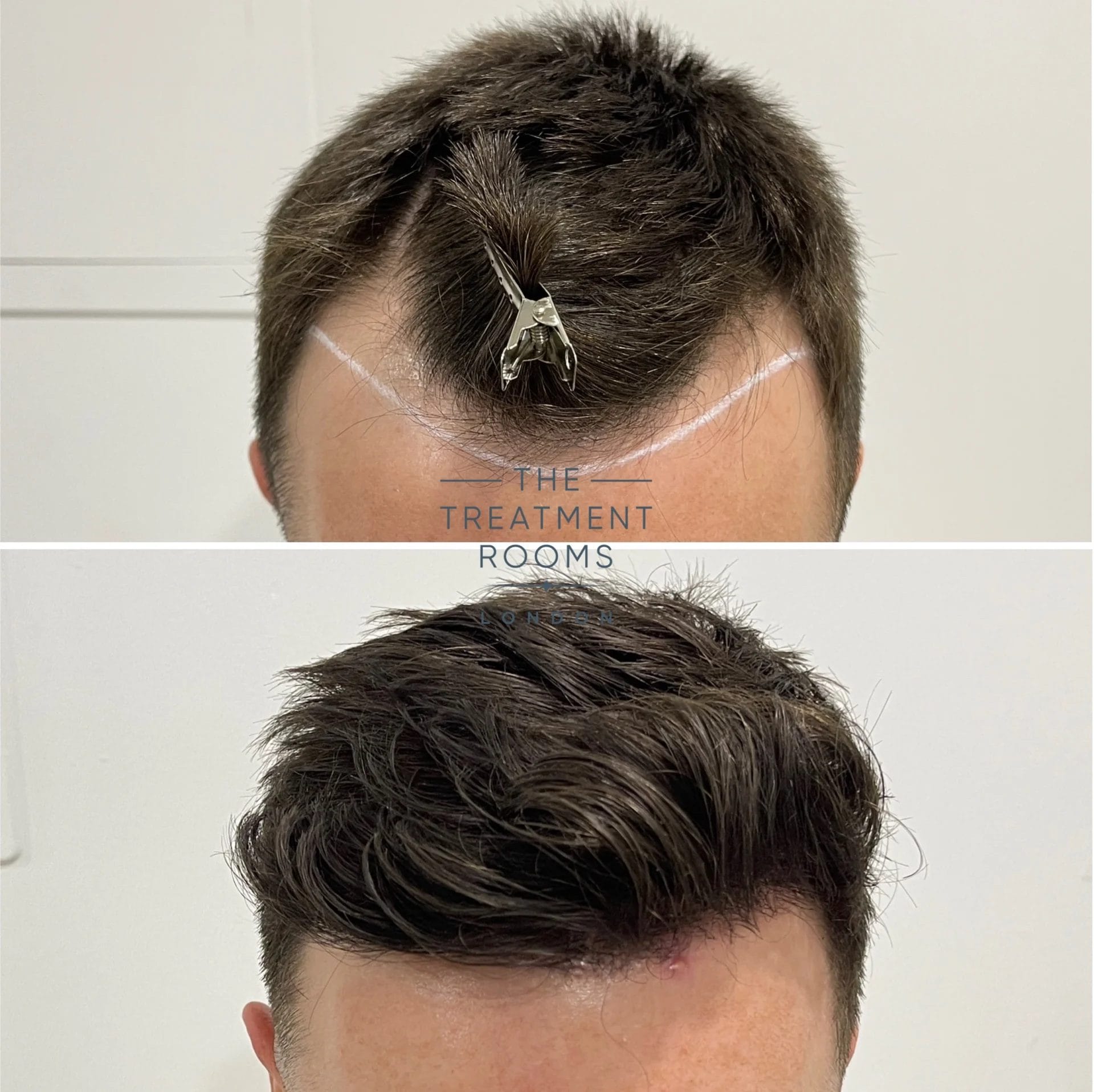
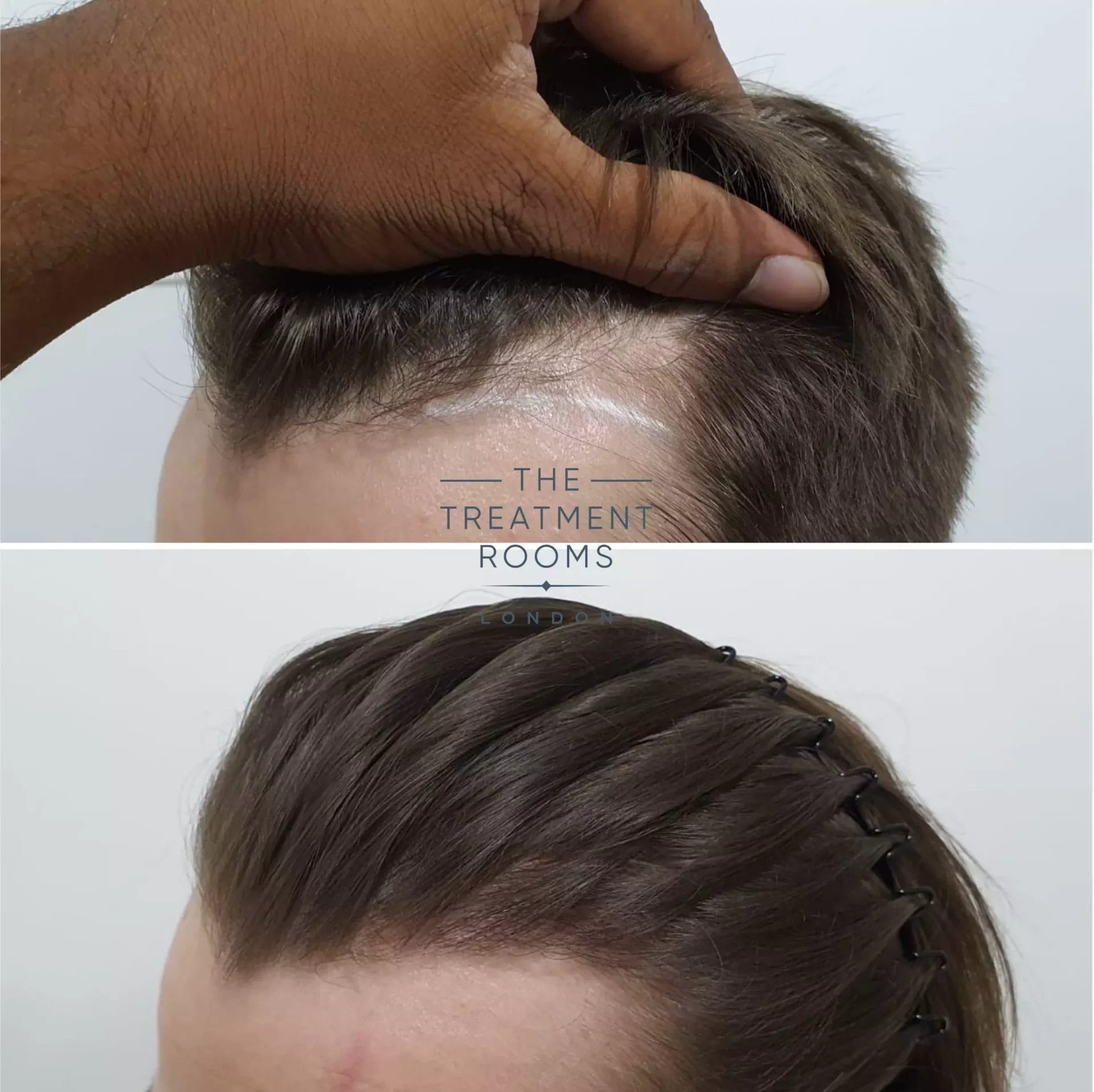
Norwood 2 is a specific stage of hair loss that forms part of the Norwood Scale. During Norwood 2 hair loss, the hairline starts to recede and creates a subtle M-shaped pattern. This stage is the beginning of hair loss and will usually increase in stages over time.1 Norwood 2 hair loss may also be mistaken for a maturing hairline and patients will need an in-person assessment to review whether they have genuinely lost hair in their hairline.
Although Norwood 2 is an early stage of hair loss, it can still impact self-esteem, causing noticeable changes in appearance and a shift in body image and self-perception. It can also increase feelings of anxiety and depression. In this article you will find out more about this level of hair loss and how it can be treated.
What causes Norwood 2 hair loss?
Norwood 2 hair loss seen in the hairline is often caused by androgenic alopecia (male pattern baldness). This is a condition where the hormone dihydrotestosterone (DHT) causes hair to thin and fall out across the hairline and temples.

Norwood 2 Hair Loss Stage
Norwood 2 is the second stage out of 7 in the Norwood scale of hair loss. It is characterised by hair loss to the hairline and temples. The next stages are Norwood 3 hair loss with deeper temple recession and Norwood 4 with substantial hairline recession. The final stage of hair loss is Norwood 7 with complete hair loss from hairline to crown. You can see a diagram of the Norwood scale below.

Treatments for Norwood 2 Hair loss
Patients who suffer from a receding hairline should be seen by a professional to ascertain how much hair loss has been suffered. They can opt to stabilise their hair loss with medications like Finasteride and Minoxidil.
If patients would like to restore the hair that they have lost, they may need to opt for hair transplant surgery.
Eligibility criteria for hair transplant surgery
Not everyone is eligible for hair transplant surgery. In order to have one, your Surgeon will need to assess:
- A stable hair loss pattern — hair transplants are more effective when hair loss is predictable and stabilised with medications like Finasteride and Minoxidil.
- Sufficient donor hair — there needs to be enough suitable hair that can be transplanted from the scalp. This is particularly important for Norwood 2 patients who’s risk of future hair loss is high. If there is not enough donor hair, then the receding area and future areas of hair loss can’t be covered.
- Good overall health — certain medical conditions or medications can impact the recovery process and success of a hair transplant.
- Age considerations — there is no strict age limit for hair transplants, but it is usually recommended to wait until your late twenties when the hair loss pattern should have stabilised before having a hair transplant.2
Medical and psychological considerations
It is important to take medical considerations into account with hair transplants. Conditions like diabetes, for example, can increase the risk of infection due to slower wound healing. Cardiovascular conditions can also increase the risks of complications, while blood thinning disorders could result in excessive bleeding, disqualifying you as a viable candidate for surgery.
The results of a hair transplant can also take months to be seen, so candidates will need to be mentally prepared to wait. Hair transplants do not provide immediate results. It will take 9-12 months for your hair to grow through and you can view this journey in our hair transplant timeline.
To be certain you are a suitable candidate for a hair transplant with Norwood 2 hair loss, speak to a hair loss specialist, such as a member of our team at The Treatment Rooms London. We will be able to assess your situation and ensure that this is the right procedure for you.
Different techniques for hair transplant surgery
There are two different techniques typically used during a hair transplant procedure — follicular unit transplantation (FUT) and follicular unit excision (FUE).
Follicular unit transplantation (FUT)
FUT is where a strip of the scalp is removed from the donor area and the wound sutured. This strip is then dissected into individual follicular units for transplantation later on. This technique creates a linear scar that is visible at shorter hair lengths but can yield a larger number of grafts in a single session. However, being a more invasive procedure, recovery will often take longer.
Follicular unit excision (FUE)
FUE is a less invasive technique that involves harvesting individual hair follicles directly from the donor area. This results in very small scars that are less noticeable and a faster recovery time.
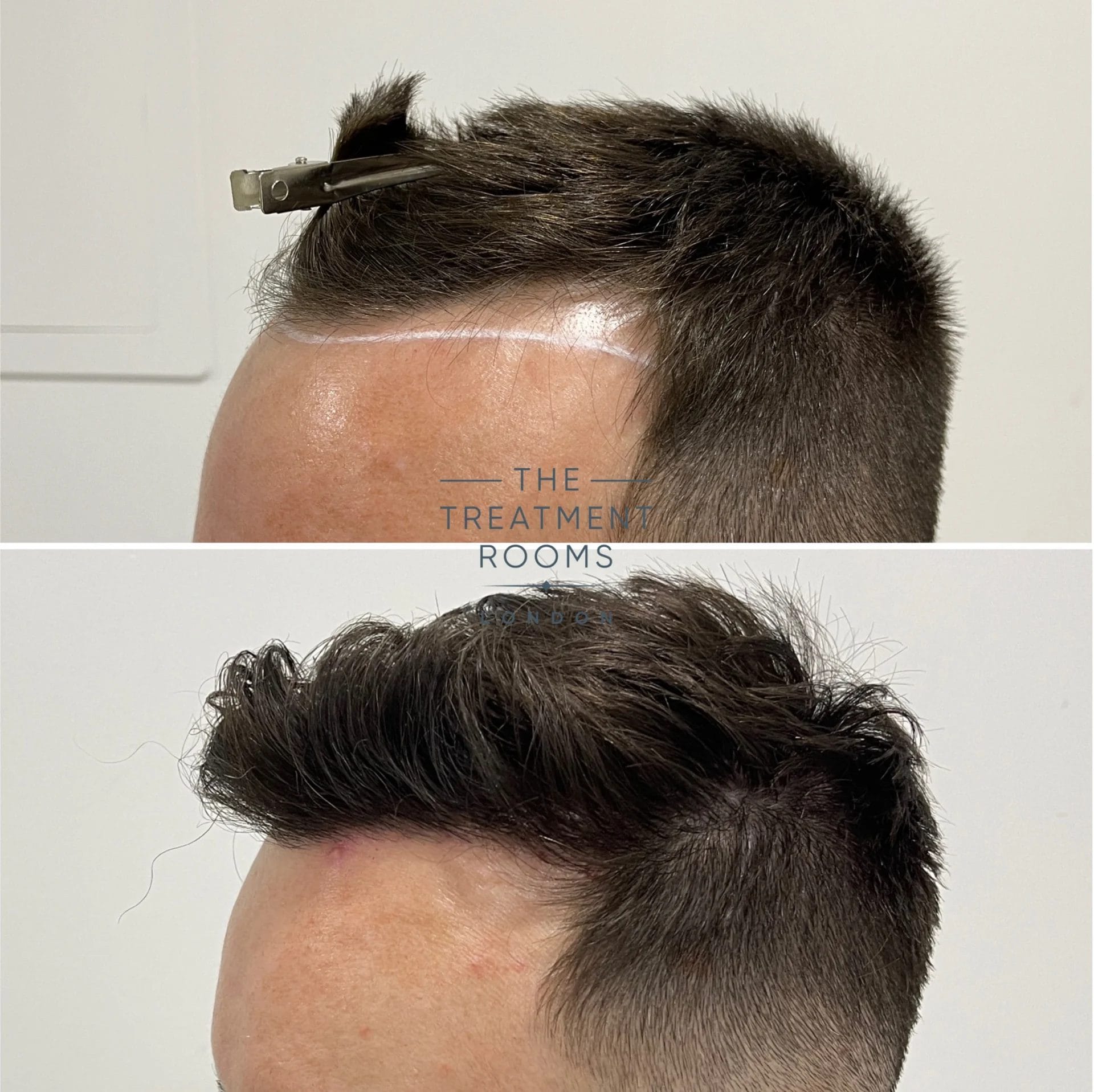
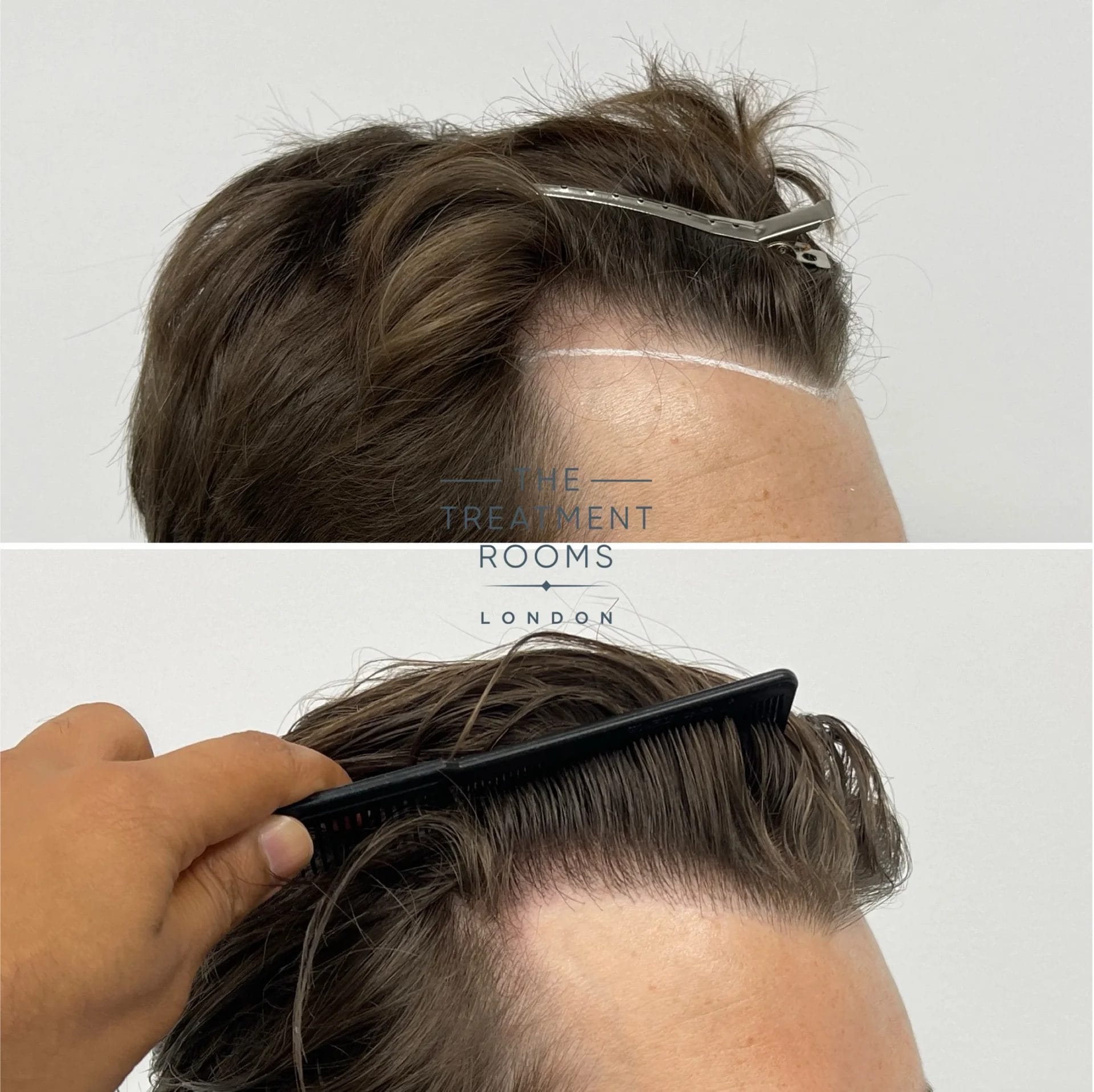
Being a minimally invasive procedure, FUE hair transplants are a suitable option for Norwood 2 hair loss as they are ideal for the early stages of hair loss. The FUE hair transplant technique is often chosen when trying to restore hair in Norwood 2 hair loss areas like the hairline.3

Costs involved during Norwood 2 hair transplant surgery
The average cost of a hair transplant for Norwood 2 hair loss is between £3000-£5500 but can increase depending on lots of influencing factors. These include:
- The extent of hair loss
- The number of grafts needed
- Donor area availability
- Type of technique (FUT or FUE)
- Unshaven or shaven hair transplant surgery
- The clinic’s available facilities — more advanced technology and equipment can cost more4
There isn’t one set price for hair transplants. The best way to know how much a hair transplant will cost is to have a consultation with a hair loss specialist who can assess your personal circumstances. You can also use our hair graft calculator to estimate how many grafts you may require for your hair transplant.
Financing a hair transplant
Hair transplants cost upwards of £3,000, but not everyone has this amount of money readily available. That’s why, here at The Treatment Rooms London, we offer financing options to split the cost of a hair transplant over a set period.
Our 0% finance plans are customisable so you choose how much you wish to borrow and the loan’s term (up to 11 months). Financing in this way means you can treat your Norwood 2 hair loss sooner, helping restore your self-confidence more quickly on a payment plan built around what you can afford.
Recovery process and timeline for Norwood 2 patients
Immediately after the procedure
Right after the transplant, the donor area will be dressed with bandages to protect it. Some mild discomfort will likely be experienced and it is normal to have some swelling around the forehead and rarely the eyelids especially in small norwood 2 hair transplant surgery procedures.
The first few days
During the first couple of days after the procedure, it is rare for patients to complain of pain and scabs will start to develop around the transplanted follicles. It’s important not to pick at these scabs or touch the area as it could impact the healing process.
The first few weeks
Over the first few weeks, the transplanted hairs will begin to shed. This is completely normal and will create room to allow the new hairs to grow through.
The first month
By the end of the first month, most of the transplanted hairs will have fallen out.
Months two to six
Over the next few months, new hairs will start to appear in the hairline. They might be slightly thin at first, but will gradually thicken over time. While there will have been some progress to this point, the full results of a norwood 2 hair transplant won’t yet have grown through.
Months six and beyond
Moving beyond the first six months, new hair growth should become more and more prominent as time goes on. By the one-year mark, the full results should now be easily seen and the hairline restored.
Norwood 2 Hair Transplant Before and After
Tips for a successful recovery
Successfully recovering from a hair transplant is important for ensuring good results and your safety. Our clinic gives clear and specific post-operative instructions. For the first few days after the procedure, avoid washing your hair to protect the newly implanted grafts and wait until day 4 for your first hair soak. Then, over the next couple of weeks, keep your scalp out of direct sunlight and avoid strenuous activities like heavy lifting or vigorous exercise.5
Every person’s recovery will look slightly different so it’s crucial to follow your specific surgeon’s guidance to achieve optimal results.
Book a consultation with The Treatment Rooms London
While Norwood 2 hair loss may be an early stage of hair loss, that doesn’t mean it can’t impact your self-esteem.
At The Treatment Rooms London we understand just how much hair loss can affect your confidence and way of life. That’s why our experts specialise in creating personalised solutions that cater to each patient’s unique needs.
By booking a consultation with us, you’ll have the opportunity to speak with our experienced professionals. We will then be able to thoroughly assess your hair loss pattern, discuss your expectations and recommend the best treatment for you.
Get in Touch
Curious about FUE hair transplant surgery? Our award-winning team, including leading London hair transplant surgeons Dr Fernando and Dr Vara, are here to support you every step of the way.
Sources
- Wirya CT, Wu W, Wu K. Classification of Male-pattern Hair Loss. Int J Trichology. 2017 Jul-Sep;9(3):95-100. doi: 10.4103/ijt.ijt_46_17. PMID: 28932058; PMCID: PMC5596658. Available at: https://www.ncbi.nlm.nih.gov/pmc/articles/PMC5596658/
- True RH. Is Every Patient of Hair Loss a Candidate for Hair Transplant?-Deciding Surgical Candidacy in Pattern Hair Loss. Indian J Plast Surg. 2021 Dec 20;54(4):435-440. doi: 10.1055/s-0041-1739247. PMID: 34984081; PMCID: PMC8719975. Available at: https://www.ncbi.nlm.nih.gov/pmc/articles/PMC8719975/
- Dua A, Dua K. Follicular unit extraction hair transplant. J Cutan Aesthet Surg. 2010 May;3(2):76-81. doi: 10.4103/0974-2077.69015. PMID: 21031064; PMCID: PMC2956961. Available at: https://www.ncbi.nlm.nih.gov/pmc/articles/PMC2956961/
Share:
Authored by
Dr Roshan Vara
Dr. Roshan Vara is a renowned hair transplant surgeon in London and the Co-Founder of our award winning hair transplant clinic, The Treatment Rooms London.He has over 10 years of experience in hair transplant surgery and is recognised for delivering natural-looking results through ethical, patient-centred care. He is a Full Medical Member of BAHRS and an Associate Member of ISHRS, reflecting his commitment to the highest standards in modern hair restoration.
Reviewed by
Dr Dilan Fernando
Dr. Dilan Fernando is regarded as one of the best hair transplant surgeons in London and Co-Founder of The Treatment Rooms London. He has over 10 years of experience in hair transplant surgery and is known for his meticulous technique and commitment to ethical practice. He served on the Executive Committee of BAHRS from 2020 to 2024, helping to shape industry standards for patient safety and quality of care. Dr. Fernando personally performs each surgery, ensuring natural results built on trust and experience.
Book a Consultation
Related Blogs

What to Eat and Avoid After a Hair Transplant
August 7, 2026
Key Takeaways: After a hair transplant, you can resume your usual diet as soon as you feel…

Gabriel Magalhães Hair Transplant: His Journey and Our Full Expert Analysis
August 3, 2026
Key Takeaways: 1. Did Gabriel Magalhães have a hair transplant? Gabriel Magalhães confirmed his hair transplant in…
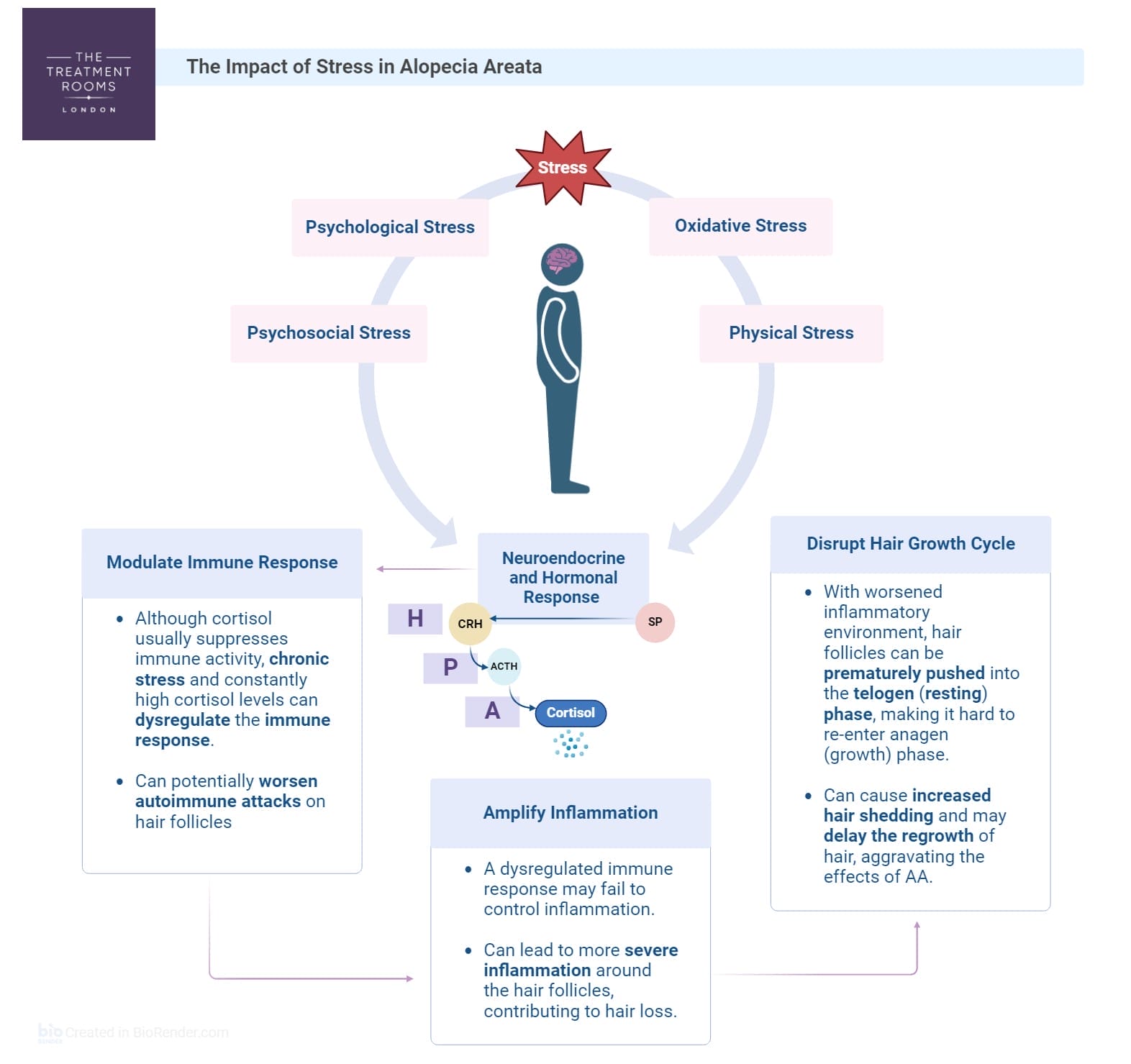
What to Know About Stress and Alopecia Areata
August 3, 2026
Key Takeaways: Alopecia areata is an autoimmune condition in which the immune system attacks the hair follicles,…

Female Hair Transplant Guide
July 9, 2026
If you’re a female experiencing hair loss, you may be considering getting a female hair transplant. We…
Dr Vara featured on ITV’s This Morning
June 17, 2026
When ‘Nice Hair Transplant’ Isn’t The Compliment You Were Hoping For… When our repair surgery patient Shaun…
2026 World Cup Stars and Hair Transplant Speculation: 5 Footballers to Watch Out For
June 9, 2026
Key Takeaways As the 2026 FIFA World Cup approaches, some of football’s biggest names will once again…

A Guide To Double Crowns: What Are They?
June 5, 2026
Quick Summary of Double Crowns What is a Double Crown? The crown of your head refers to…
Finasteride and Its Side Effects: What You Need to Know
June 4, 2026
Quick Summary: Finasteride and Its Side Effects Finasteride for Hair Loss: Originally developed for prostate enlargement, Finasteride…
Minoxidil For Eyebrows – Does It Work?
June 3, 2026
Key Takeaways: Understanding Eyebrow Hair Loss: Eyebrow hair loss is commonly caused by over-plucking, but other autoimmune…