

Swelling after hair transplant surgery is completely normal and lasts between 3-5 days. Undergoing hair transplant surgery involves inserting the hair follicles into the scalp which inflames the local area, leading to noticeable swelling. It’s usual to see some swelling in the forehead, temples and rarely the eyelids in the first 3-5 days after surgery.
Understandably, people may be alarmed at their appearance. However, swelling (oedema) occurs in around 50% of cases – it’s the most common side effect of hair transplant surgery. Below, we’re answering your questions, covering everything you need to know about swelling following a hair transplant.

How Long Does Swelling Last After Hair Transplant?
Swelling of the forehead or eyelids is a common consequence of a hair transplant. It usually develops within 2 to 5 days after the operation1. While in the majority of cases, the swelling is mild, in rare instances, it’s so severe that patients cannot open their eyes. In such circumstances we advise reaching out to your hair transplant Surgeon to ensure you are ok.
Initially, the swelling occurs in the forehead region. Your head may appear slightly inflated at the top. As time progresses, the swelling can move down to the temples. It is extremely rare for the swelling to track down to the eyelids where a patient may have difficulty opening their eyes. In this instance, the swelling can also be accompanied by bruising of the eyelids (looking like a black eye).
Surgeons and researchers categorise swelling severity into five categories2:
- Grade 0: No swelling
- Grade I: Upper forehead swelling
- Grade II: Upper and lower forehead swelling
- Grade III: Periorbital swelling (swelling around the eyes)
- Grade IV: Black eyes
After 3-5 days, the swelling should begin to disappear. However, it might take up to a week for your face to fully return to normal. Even patients with Grade III or IV swelling will still get better without any intervention. The condition often self-resolves.
If your face does not regain its previous shape after this point, speak to your surgeon. It could be a sign of another condition or problem.
Why Does Scalp Swell After Having a Hair Transplant?
The primary cause of scalp swelling after a hair transplant is fluid retention. Oedema refers to the accumulation of fluid in the tissue. This fluid-up is only temporary and will drain away with time.
Several potential causes2,3 include:
Trauma to the Scalp
Whenever the body is injured, it is a form of trauma. The body responds by triggering its natural healing response. Inflammation occurs in the local region, including the release of fluid from the blood into the tissue. This enables white blood cells and other defences to enter the area.
As the trauma heals, the fluid naturally drains back into the fluid. While annoying, it’s part of your body’s protective measures.
Injection of Local Anaesthesia and Other Fluids
To ensure patients don’t feel pain during the procedure, a local anaesthetic (lidocaine) is injected into the scalp. Along with the anaesthetic, another fluid may also be injected into both the transplanted and donor areas to help with surgery.
This accumulation of fluid creates space between the skull and muscles, allowing for easy extraction and implantation of the hair follicles. However, in the days following the surgery, it takes time for the fluid to drain. It may move down from the forehead and into the eyelids via gravity.
Inflammation and Healing Response
Inflammation is part of the body’s healing response. Your body doesn’t know that the trauma from the hair transplant is intentional. It thinks there’s been an attack and so launches a defence to protect the scalp from potential infection.
Think about any previous injuries. Swelling is always part of the inflammatory response. You may also notice some heat, redness, and increased sensation in the affected region. All these symptoms will subside alongside the swelling.
Potential for Post-Surgical Oedema
Post-surgical oedema is a phenomenon where fluids accumulate in an area after surgery. It may be caused by the factors listed above as well as the prolonged time spent immobile. The fluid begins to accumulate in the tissues and takes a few days to resolve.
How to Prevent Swelling After a Hair Transplant
Some swelling after a hair transplant is normal – it’s not serious, and you shouldn’t worry about it. That being said, you can minimise swelling with several techniques. We recommend being patient and not trying anything drastic. But, if you want to speed up the process, consider these options:
Keep Your Head Slightly Elevated When Sleeping
Consider sleeping at a slight angle for the first few days after the operation. The higher your head is overnight, the more fluid will drain away and it often drains down the back of your head, preventing swelling at the front.
Drink Water and Eliminate Salty Foods
You might think you need to drink less. However, drinking plenty of water pushes the fluid and medicine from the surgery out of your system. If you don’t drink enough water, your body will hold onto any fluids in your system, including in your scalp. The best solution is to increase your fluid intake by drinking 2-3 big glasses of water per day.
Salty foods, on the other hand, cause the body to retain more fluid. The more fluid in your system, the slower the swelling goes down. Minimise your intake of salty foods for a few days. Eat a diet rich in lean meats, healthy fats, whole grains, fruits, and vegetables to support your recovery.
Rest and Relax
Resting is crucial. Swelling indicates your body needs time to heal and recover. Ensure you’re not stressed, take it easy, and get enough sleep. Avoid any strenuous activities that make you feel restless. Again, this is only for the first few days – although you should minimise strenuous activities for two weeks after the surgery.
Avoid Sweating
Sweating from exercise and other activities irritates the scalp. It causes blood to rush to the head, which can slow the drainage process. It also increases the infection risk. Most surgeons recommend avoiding running and vigorous exercises for at least two weeks and contact sports for at least 1 month.
Dangers of Prolonged Swelling
If swelling does not begin to subside within a week of the surgery, it can indicate a more severe problem. The two biggest risks include:
Infection
Folliculitis is an inflammation or infection of the hair follicles. It can occur after a hair transplant operation. Potential infectious agents include bacteria, fungi, and viruses. You may notice:
- Red or white pimples around hair follicles
- Pus-filled blisters or crusted sores
- Itching or tenderness in the affected area
- Swelling or a burning sensation
Dealing with an infection is vital to ensuring the hair transplant grows. If the follicles are permanently damaged from long term infection that is not treated promptly, it can mean poor hair regrowth in the subsequent months.
Unsuccessful Hair Transplant
An unsuccessful hair transplant can occur if complications, such as infection or folliculitis, damage the transplanted follicles. Prolonged swelling or untreated infection may interfere with the healing process, preventing the follicles from establishing themselves in the scalp.
This can result in poor hair growth, uneven density, or, in severe cases, complete failure of the transplant. Ensuring proper aftercare, addressing any signs of infection early, and following medical advice closely are crucial to maximising the success of the procedure and achieving the desired outcome.
Book a Consultation
At The Treatment Room London, we provide FUE and FUT hair transplants tailored to address your hair loss in the hairline, crown, temples or lowering your hairline if you are female. Our expert surgeons will discuss the most suitable options for your unique hair needs and guide you through the entire process. To schedule a consultation, please complete our contact form or call us at 020 8706 0076.
References
- Nadimi S. Complications with hair transplantation. Facial Plast Surg Clin North Am. 2020 May 1;28(2):225-35.
- Gholamali A, Sepideh P, Susan E. Hair transplantation: preventing post-operative oedema. Journal of cutaneous and aesthetic surgery. 2010 May 1;3(2):87-9. Available at: https://journals.lww.com/JCAS/fulltext/2010/03020/Hair_Transplantation__Preventing_Post_operative.5.aspx
- Küçüktaş M. Complications of hair transplantation. InHair and Scalp Disorders 2017 May 3. IntechOpen.
Share:
Authored by

Dr Roshan Vara
Dr. Roshan Vara is a renowned hair transplant surgeon in London and the Co-Founder of our award winning hair transplant clinic, The Treatment Rooms London.He has over 10 years of experience in hair transplant surgery and is recognised for delivering natural-looking results through ethical, patient-centred care. He is a Full Medical Member of BAHRS and an Associate Member of ISHRS, reflecting his commitment to the highest standards in modern hair restoration.
Reviewed by

Dr Dilan Fernando
Dr. Dilan Fernando is regarded as one of the best hair transplant surgeons in London and Co-Founder of The Treatment Rooms London. He has over 10 years of experience in hair transplant surgery and is known for his meticulous technique and commitment to ethical practice. He served on the Executive Committee of BAHRS from 2020 to 2024, helping to shape industry standards for patient safety and quality of care. Dr. Fernando personally performs each surgery, ensuring natural results built on trust and experience.
Book a Consultation
Related Blogs
Dr Vara featured on ITV’s This Morning
June 17, 2026
When ‘Nice Hair Transplant’ Isn’t The Compliment You Were Hoping For… When our repair surgery patient Shaun…

2026 World Cup Stars and Hair Transplant Speculation: 5 Footballers to Watch Out For
June 9, 2026
Key Takeaways As the 2026 FIFA World Cup approaches, some of football’s biggest names will once again…

A Guide To Double Crowns: What Are They?
June 5, 2026
Quick Summary of Double Crowns What is a Double Crown? The crown of your head refers to…
Finasteride and Its Side Effects: What You Need to Know
June 4, 2026
Quick Summary: Finasteride and Its Side Effects Finasteride for Hair Loss: Originally developed for prostate enlargement, Finasteride…
Minoxidil For Eyebrows – Does It Work?
June 3, 2026
Quick Summary: Eyebrows & Minoxidil Understanding Eyebrow Hair Loss: Eyebrow hair loss is commonly caused by over-plucking,…

Does Drinking Alcohol Cause Hair Loss?
June 1, 2026
Key Takeaways Alcohol has been linked to hair loss in several studies, but the evidence is more…

30 Footballer Hair Transplant Transformations: All You Need to Know
May 22, 2026
Key Takeaways Visible transformations in footballers show that hair transplants can significantly improve the appearance of the…
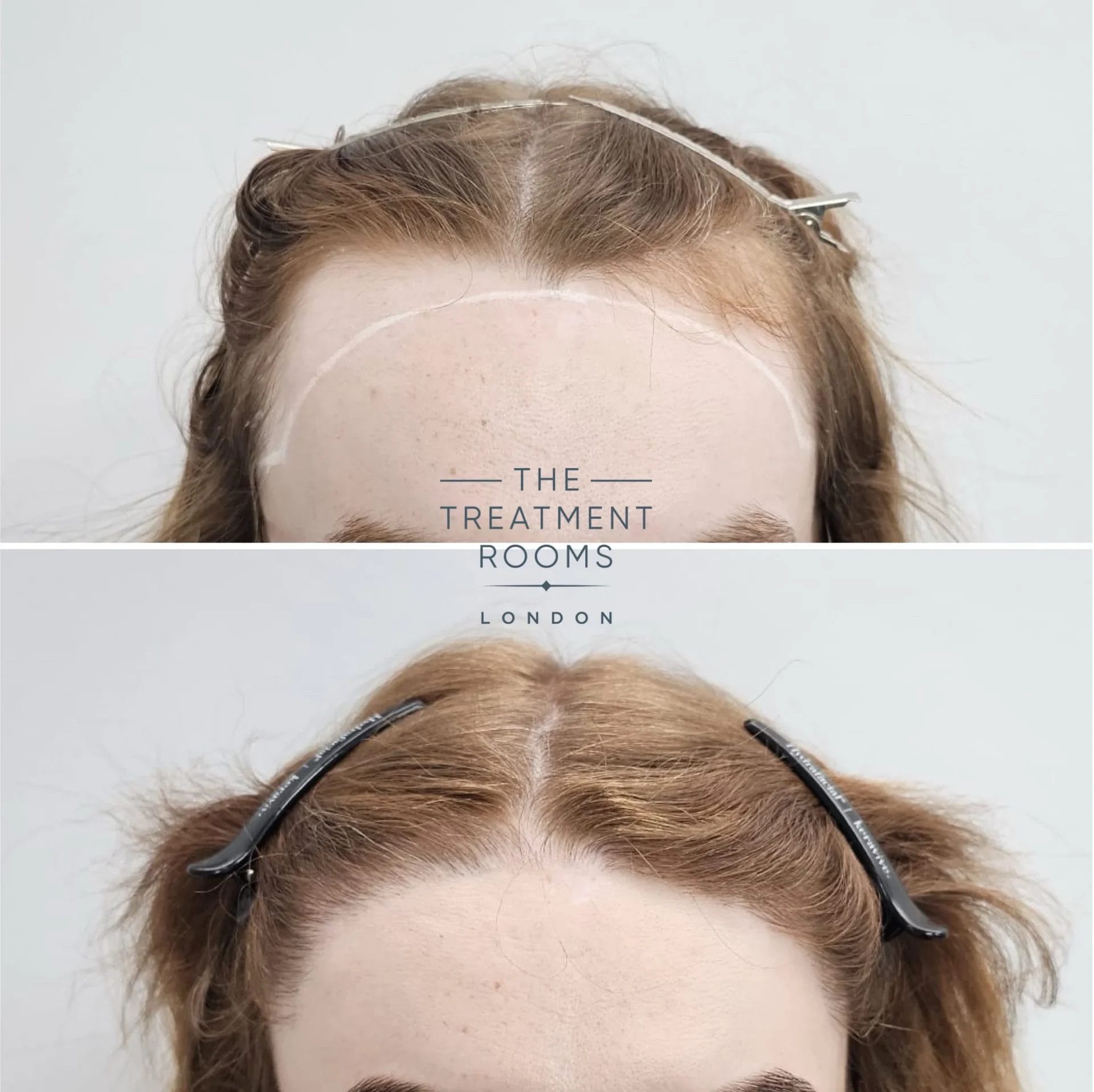
Can I Get a Hair Transplant While Using Testosterone Replacement Therapy(TRT)?
May 18, 2026
Key Takeaways Testosterone Replacement Therapy (TRT) is commonly prescribed for men with low testosterone, a condition called…

Can A Vegan Or Vegetarian Diet Cause Hair Loss?
May 15, 2026
Key Takeaways In most cases, diet-related hair loss is reversible. However, persistent, patterned, or unexplained hair loss…