

Key Takeaways
- Verify GMC and CQC Registration
It is important to ensure your surgeon is registered with the General Medical Council (GMC) and that the clinic is regulated by the Care Quality Commission (CQC). This confirms the surgeon is legally licensed to practise and the clinic meets UK safety standards. - Look for BAHRS Membership and Ethical Standards
Membership in the British Association of Hair Restoration Surgery (BAHRS) indicates commitment to professional, ethical, and regulated hair transplant practice in the UK. - Assess Experience, Technique & Evidence of Results
Surgeons who perform FUE and/or FUT procedures should provide genuine before-and-after case studies, risks, and realistic timelines (typically 9–12 months for full growth).
- Avoid Red Flags
It is important to remain cautious about consultations that feel overly sales-driven, make unrealistic promises of results, lack structured aftercare, or clinics that cannot provide verifiable patient outcomes or a visible GMC number.
- Aftercare and Long-Term Planning Matter
Post-operative care plays an important role in recovery and graft survival. In some cases, surgeons may recommend medical treatments such as finasteride or minoxidil to help maintain existing hair and support long-term results.
Choosing a hair transplant surgeon is one of the most important decisions for anyone considering hair restoration. The success of a procedure depends not only on the technique used but also on the surgeon’s qualifications, experience, and ethical approach.
A skilled surgeon evaluates your unique hair loss pattern, explains the available procedures, and sets realistic expectations for recovery and results.
In the UK, surgeons work in clinics regulated by the Care Quality Commission (CQC) and are licensed by the General Medical Council (GMC). Membership in professional bodies such as the British Association of Hair Restoration Surgery (BAHRS) further demonstrates commitment to ethical and professional standards.
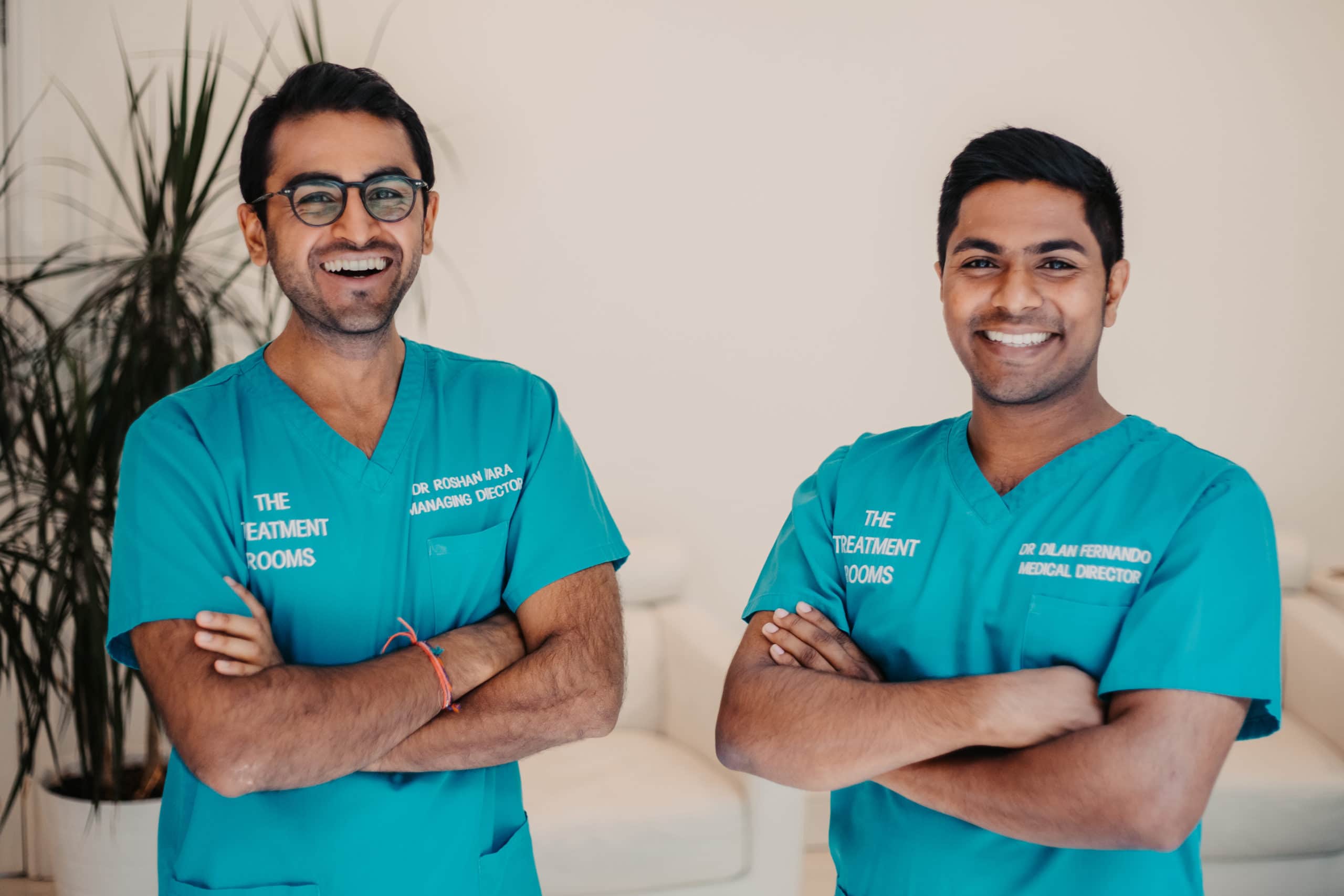
What makes a good hair transplant surgeon?
A good hair transplant surgeon offers personalised treatment plans, using proven techniques to address the specific type and extent of hair loss for each patient.
It is important to choose a surgeon who holds the appropriate qualifications and certifications. Patients may wish to confirm that the surgeon practises in a clinic registered with the Care Quality Commission (CQC) and that the doctor holds a valid licence from the General Medical Council (GMC).
In the UK, hair transplant surgeons will also be included in the British Association of Hair Restoration Surgery (BAHRS). At The Treatment Rooms London, our Surgeons are members of this professional body, Dr Fernando being on the Executive Committee.
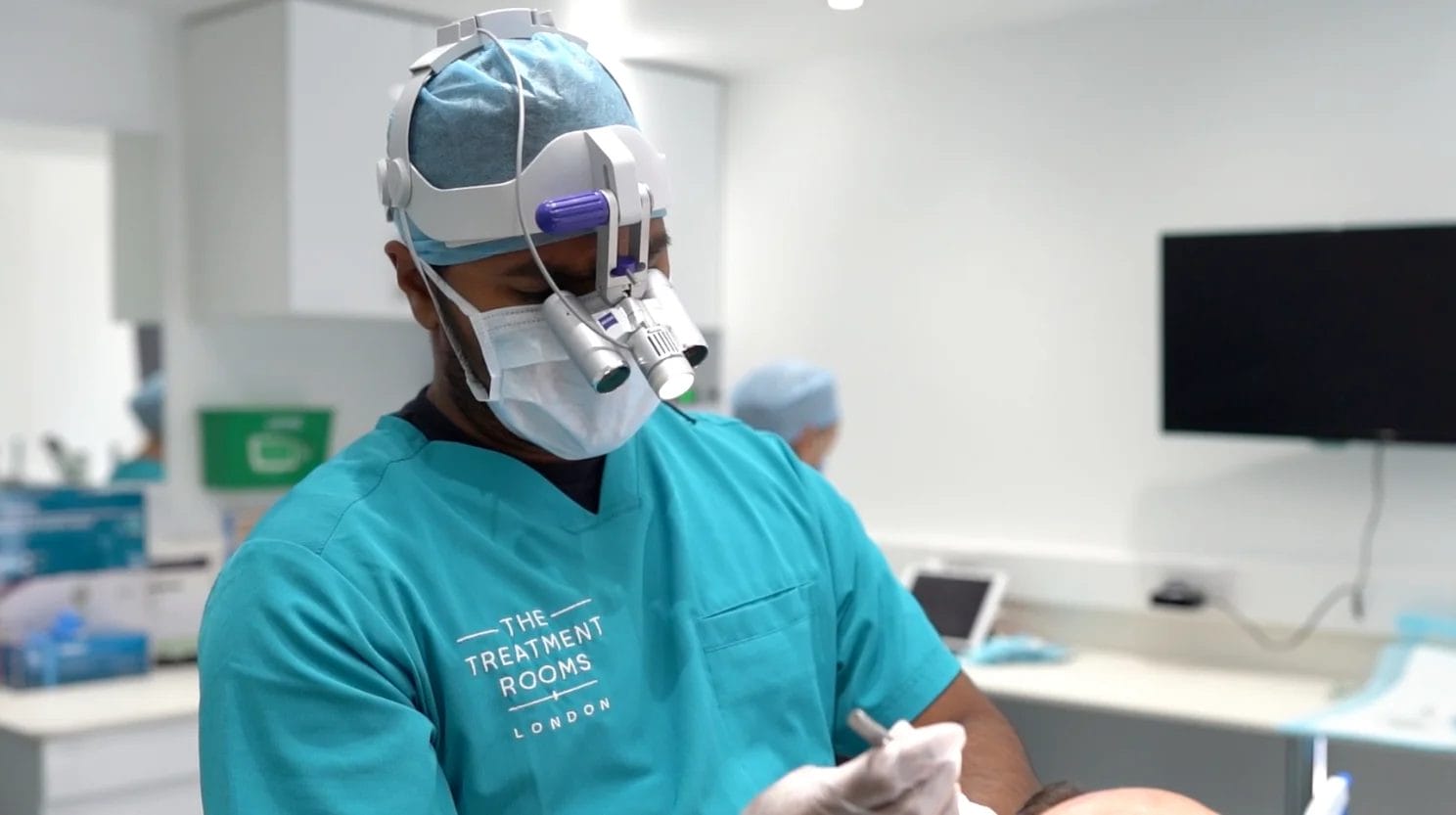
The BAHRS works to uphold stringent ethical and professional standards of hair transplant surgery. I’m proud to be part of the organisation and work towards better, more regulated care for patients seeking to undergo hair transplant surgery. Dr Fernando, Hair Transplant Surgeon and Director at The Treatment Rooms London.
A good surgeon will always focus on what is in the patient’s best interest and will never pressure someone into undergoing a hair transplant. They will call you in for a consultation, where you will have an opportunity to discuss your goals, ask questions, and learn more about the surgeon’s experience. It is also worth reviewing examples of previous patient results, surgery schedules and post-surgery care.
What qualifications should a hair transplant surgeon have?
There are various qualifications and affiliations that a reputable hair transplant surgeon in the UK should have. These include:
- A GMC licence to practice
- A full medical membership of the British Association of Hair Restoration Surgery
- Working in a CQC-registered clinic
These credentials help provide reassurance that both the surgeon and clinic operate within recognised professional standards.
How to find a good hair transplant surgeon
Choosing the right hair transplant surgeon requires time and careful consideration. Rather than rushing the process, it is important to conduct detailed research to ensure the surgeon has the appropriate qualifications, experience, and proven results.
It may be helpful to research both the surgeon and the clinic where they practise, and arrange a consultation to discuss your situation in detail. If a clinic pressures you to commit quickly or discourages questions, it may be a red flag and considered unprofessional.
Some of the various considerations that you need to make in seeking a hair transplant surgeon include:
- Techniques offered
- Qualifications
- Hair transplant services provided, experience of patients, and aftercare.
- Patient reviews
Choosing the right hair transplant clinic
You must not only check the surgeon’s qualifications, but also verify the clinic’s credentials and key details, which include;
- Are the procedures available at the clinic specialised in the kind of hair transplant you want?
- Hair loss and hair transplant consultation: This is where the clinic must be eager to provide you with all the information you need to decide whether to undergo a hair transplant.
- Before-and-after images can prove to you that the clinic is capable of delivering effective results, and should be clearly displayed in the clinic’s waiting area to demonstrate the quality of the work performed.
- Client reviews, whether written or video, help you understand patient experiences and satisfaction with the clinic.
Questions to ask a hair transplant surgeon
You should always make enquiries before your hair transplant. This way, you can potentially ease any anxiety you may have about the procedure and make an informed decision about the clinic and the surgeon.
Some of the frequent questions that patients would want to ask are:
- How many years of experience do you and your team have in this procedure?
- What is the difference between an FUE hair transplant and an FUT hair transplant?
- Would I be the right candidate for a hair transplant?
- How is the hair transplant procedure performed?
- Could I have some of your pre- and post-procedure pictures?
- What is your experience with this kind of hair transplant in years?
- Should I take hair-loss medication after a hair transplant?
- What is the total cost of this hair transplant surgery?
The Red Flags to watch when selecting a hair transplant surgeon.
Although many clinics offer appealing outcomes, not all are reputable. Be aware of such warning signs:
- No GMC registration: In the UK, only doctors registered with the General Medical Council (GMC) are permitted by law to perform hair transplants. If your surgeon fails to provide you with a GMC licence number, it is a huge red flag.
- Unregistered clinic: The clinic should always be checked to see whether it is regulated by the Care Quality Commission (CQC). This guarantees the safety and hygiene of patients.
- Sales-oriented: Consultations must be conducted by a trained surgeon, not a salesperson. When you are pressured to book quickly or offered discounts for an immediate purchase, it is a warning sign.
- No pre- and post-surgery images. Reputable clinics are usually willing to share genuine patient case studies that demonstrate the outcomes of their work. When a clinic is unwilling to provide actual patient case studies, be cautious.
- Absence of follow-up: Aftercare is essential to promote healing and graft uptake. Clinics which do not provide structured aftercare appointments should be avoided.
- Unrealistic claims – Be aware of clinics that promise complete hair restoration or a noticeable improvement in a few weeks. The natural growth of hair following a transplant requires 9-12 months.
Patient reviews and independent testimonials should always be researched. The good clinics have open reviews on various websites.
Hair Transplant Surgeons at The Treatment Rooms London
Our surgeons at The Treatment Rooms London are fully qualified and experienced in performing both FUE and FUT hair transplant procedures. Patients receive care from surgeons who follow established protocols and evidence-based practices for hair restoration.
Our surgeons offer extensive experience in hair transplant procedures. To learn more about the patient experience at The Treatment Rooms London, call us today on 020 8706 0076 or use the contact form
How do I know if my surgeon is qualified?
Check whether they are registered with the GMC, practising in a CQC-registered clinic, and, preferably, members of BAHRS. Expect an average cost of an FUE hair transplant to be £3,000–£7,000. Prices vary depending on the number of grafts and the surgeon’s expertise. Be cautious of very low-cost offers.
What happens if a hair transplant fails?
Poorly performed transplants can cause scarring, unnatural results, and wasted donor hair. Revision surgery may be possible, but prevention is key; always choose a qualified surgeon.
Is going abroad for a transplant safe?
Overseas clinics may appear cheaper, but many are unregulated. Complications are common, and revision surgery can be more expensive than a standard UK procedure.
References
1. General Medical Council. The medical register [Internet]. London: GMC; [cited 2026 Mar 3]. Available from: https://www.gmc-uk.org/registration-and-licensing/the-medical-register
2. British Association of Hair Restoration Surgery. About BAHRS and standards [Internet]. London: BAHRS; [cited 2026 Mar 3]. Available from: https://www.bahrs.co.uk
3. Care Quality Commission. Find and compare services [Internet]. London: CQC; [cited 2026 Mar 3]. Available from: https://www.cqc.org.uk
4. International Society of Hair Restoration Surgery. Consumer information: hair transplantation [Internet]. Chicago: ISHRS; [cited 2026 Mar 3]. Available from: https://ishrs.org/
Share:
Authored by
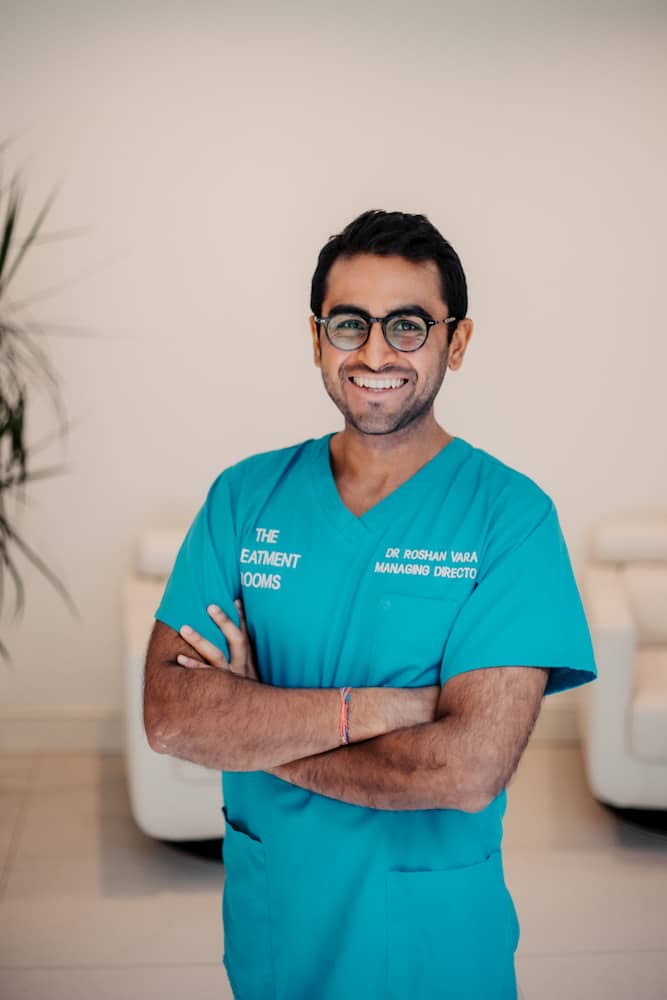
Dr Roshan Vara
Dr. Roshan Vara is a renowned hair transplant surgeon in London and the Co-Founder of our award winning hair transplant clinic, The Treatment Rooms London.He has over 10 years of experience in hair transplant surgery and is recognised for delivering natural-looking results through ethical, patient-centred care. He is a Full Medical Member of BAHRS and an Associate Member of ISHRS, reflecting his commitment to the highest standards in modern hair restoration.
Reviewed by
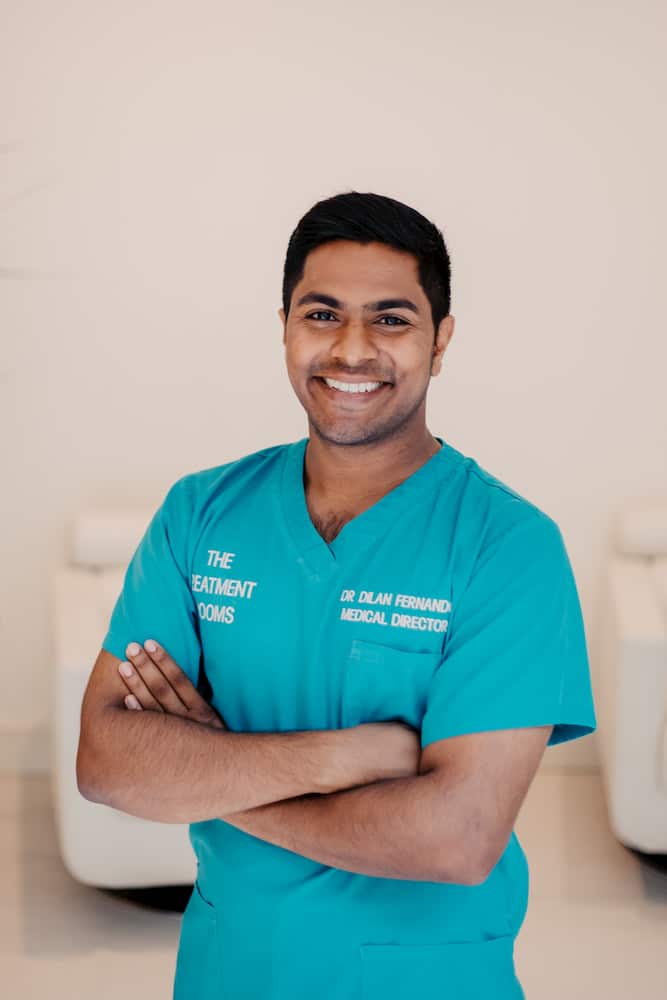
Dr Dilan Fernando
Dr. Dilan Fernando is regarded as one of the best hair transplant surgeons in London and Co-Founder of The Treatment Rooms London. He has over 10 years of experience in hair transplant surgery and is known for his meticulous technique and commitment to ethical practice. He served on the Executive Committee of BAHRS from 2020 to 2024, helping to shape industry standards for patient safety and quality of care. Dr. Fernando personally performs each surgery, ensuring natural results built on trust and experience.
Book a Consultation
Related Blogs

A Guide to the Norwood Hamilton Scale: Understanding Hair Loss Stages
October 19, 2026
Key takeaways: The Norwood scale (also known as the Hamilton-Norwood scale) is the main classification system used…
When Do Scabs Fall Off After Having a Hair Transplant?
October 17, 2026
Key takeaways: Scabs will form immediately after having a hair transplant and should wash away after 7-10…

What Happens If You Stop Using Minoxidil
October 13, 2026
Key Takeaways: If you’ve been consistently applying minoxidil to support your hair growth and have been doing…

Hair Transplant After 7 Days: What To Expect
October 9, 2026
Key takeaways: 7 days after your hair transplant, you can expect to see the scabs in your…

Minoxidil Side Effects: What to Expect, Risks, and How to Manage Them
October 9, 2026
Key takeaways Medications are often a first step people take when tackling pattern baldness. They can help…
What Is A Hair Graft In A Hair Transplant?
October 7, 2026
Key takeaways: What is a Hair Graft in a Hair Transplant? Hair loss can be a distressing…

Widow’s Peak Hair Transplant for Women: Everything You Need to Know
October 6, 2026
Key takeaways: There is no absolute definition of a widow’s peak in women. It is often based…

Has Steve Carell Had a Hair Transplant? What the Evidence Really Shows
October 6, 2026
Key Takeaways Steve Carell is arguably one of the most liked and versatile actors of his generation….

When Can You Drink Alcohol After Your Hair Transplant?
October 6, 2026
Key takeaways: It’s common for our patients to ask us when it is okay to resume drinking…