

Minoxidil is a medication that is used to promote hair growth and prevent hair loss. It is recommended to take Minoxidil after having a hair transplant- as it helps to prevent ongoing hair loss, preserving a hair transplant result for longer.
Below, you can watch a video of one of our patients who took Minoxidil after having his hair transplant at The Treatment Rooms London.
Minoxidil, also known as Regaine, is a medication applied directly to your scalp to thicken your hair and prevent hair loss. As a hair transplant is permanent, you may continue to lose un-transplanted hair and be left with areas of transplanted hair only leaving no hair elsewhere. For this reason, patients who are looking to have a hair transplant, ought to consider taking hair loss treatment, to prevent further hair loss.
By using Minoxidil, you give yourself a good chance to prevent future hair loss and thicken your existing hair. If you have undergone an FUE hair transplant, this helps to prevent further hair loss, safeguarding your hair transplant result for the future.

What is Minoxidil?
Minoxidil is a medication that was originally given as a pill to treat high blood pressure. As a side effect, the medication led to hair growth in patients suffering from hair loss. Now the medication is mainly used to treat hair loss in women and men. Minoxidil comes in 3 forms, a solution, a foam and an oral tablet.
Minoxidil Foam and Solution
As a solution or foam, Minoxidil is available in 2 main concentrations- 2% and 5%. Both concentrations have been shown to increase hair thickness.
5% Minoxidil has been shown to increase hair regrowth and thickness greater than the 2% dose (by 45%), (1). This result is primarily seen once patients have been using Minoxidil for 1 year.
Side effects of Minoxidil Foam and Solution
Minoxidil is a safe medication and can be bought from your local Pharmacy, without a Doctor’s prescription. At higher concentrations (> 5% and 10%) the side effects can be more common. The main side effects patients ought to know about are:
- Skin irritation and redness in the areas it is applied (mainly seen as dry skin and itching)*
- Headaches
- Hair growth on other parts of the body even when it is used only on the scalp (more common in female patients), (2)
*Skin irritation is seen less with the foam version compared to the solution version of Minoxidil. This is because the foam version contains less alcohol content in the bottle.
Oral Minoxidil
You can find Minoxidil as a tablet which tends to be preferred by patients who have a side effect from the foam or solution version like a skin rash.
The tablet has been shown to be effective in 66% of patients taking it for 6-12 months, with patients reporting a reduction in their shedding and a general thickening of their hair. Starting doses for the medication can be as low as 0.625mg and can go up to 5mg, with the average dose being 2.5mg.
Side effects of Oral Minoxidil
As the tablet is taken orally, it has some small extra side effects compared to the topical version. These can be:
- Lightheadedness (8% of patients)
- Excessive hair growth on other parts of the body (10-25% of patients)
- Leg swelling (3%)
- Headaches (9%)
- Palpitations (0.9%)
Using Minoxidil after having a hair transplant
You will need to pause using Minoxidil 1 week before your surgery and restarting Minoxidil 2 weeks after having your hair transplant. This will help preserve your existing hair and prevent ongoing hair loss whilst also promoting faster regrowth of your transplanted hair.
Using Minoxidil after a hairline transplant
You should be able to apply Minoxidil to your hairline after 2 weeks have passed following surgery.
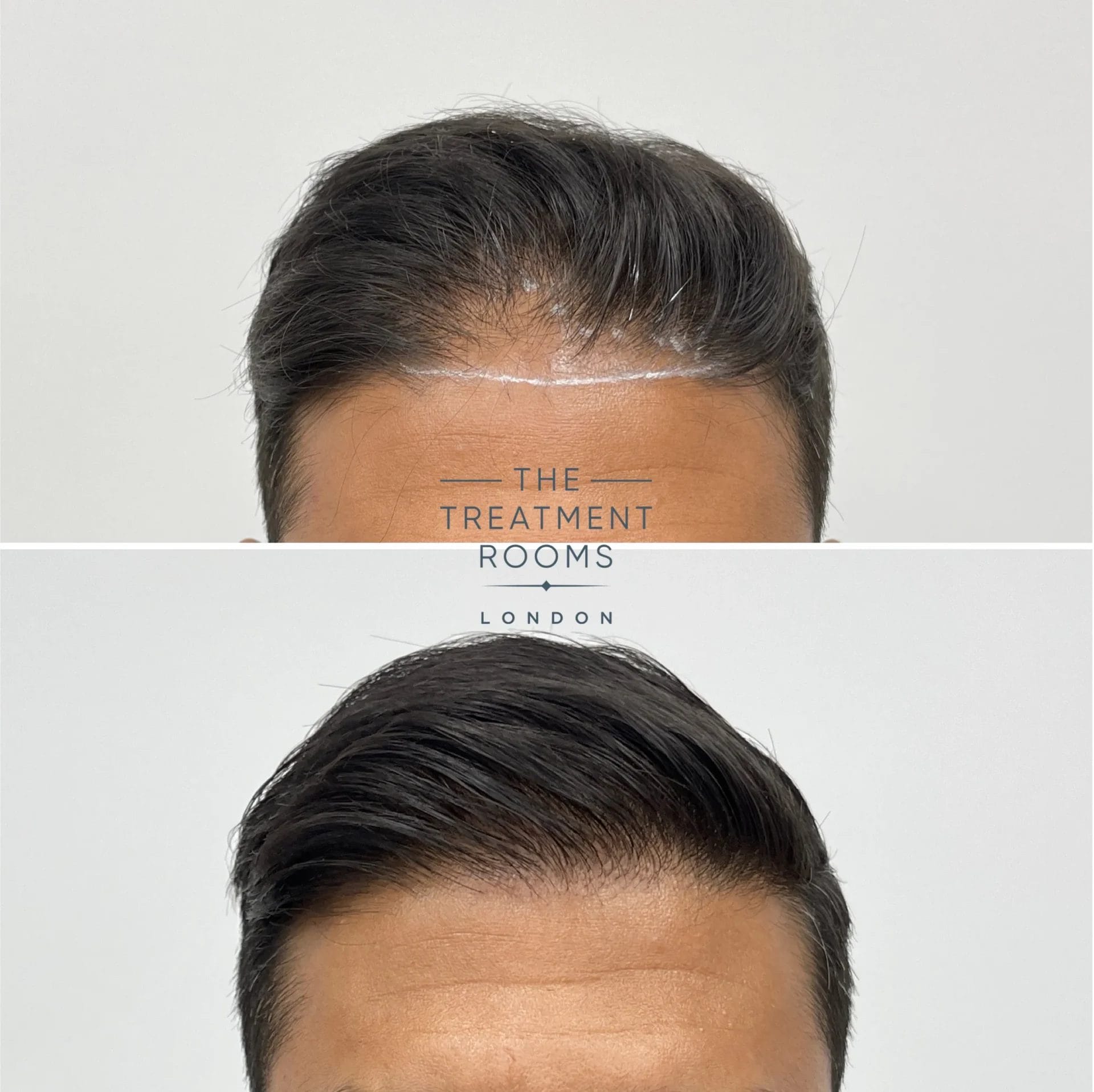
Using Minoxidil after a crown transplant
You should be able to apply Minoxidil to your crown after 2 weeks have passed following surgery.
How long should you use Minoxidil after having your hair transplant?
You should aim to continue using Minoxidil for as long as you can tolerate following your transplant. It will help preserve your existing hair surrounding your transplant and therefore increase the longevity of your hair transplant result.
Are You Interested In Having A Hair Transplant?
If you are interested in booking in for a hair transplant, please feel free to contact us today. Our Surgeons would be happy to see you in clinic and discuss your hair loss, providing you with a treatment plan to treat your main concerns.
References
Share:
Authored by

Dr Roshan Vara
Dr. Roshan Vara is a renowned hair transplant surgeon in London and the Co-Founder of our award winning hair transplant clinic, The Treatment Rooms London.He has over 10 years of experience in hair transplant surgery and is recognised for delivering natural-looking results through ethical, patient-centred care. He is a Full Medical Member of BAHRS and an Associate Member of ISHRS, reflecting his commitment to the highest standards in modern hair restoration.
Reviewed by

Dr Dilan Fernando
Dr. Dilan Fernando is regarded as one of the best hair transplant surgeons in London and Co-Founder of The Treatment Rooms London. He has over 10 years of experience in hair transplant surgery and is known for his meticulous technique and commitment to ethical practice. He served on the Executive Committee of BAHRS from 2020 to 2024, helping to shape industry standards for patient safety and quality of care. Dr. Fernando personally performs each surgery, ensuring natural results built on trust and experience.
Book a Consultation
Related Blogs

Does Saw Palmetto Work for Hair Loss? Evidence, Benefits and Side Effects
January 13, 2026
Male pattern or female pattern baldness, also known as androgenetic alopecia (AGA), are types of hair loss…
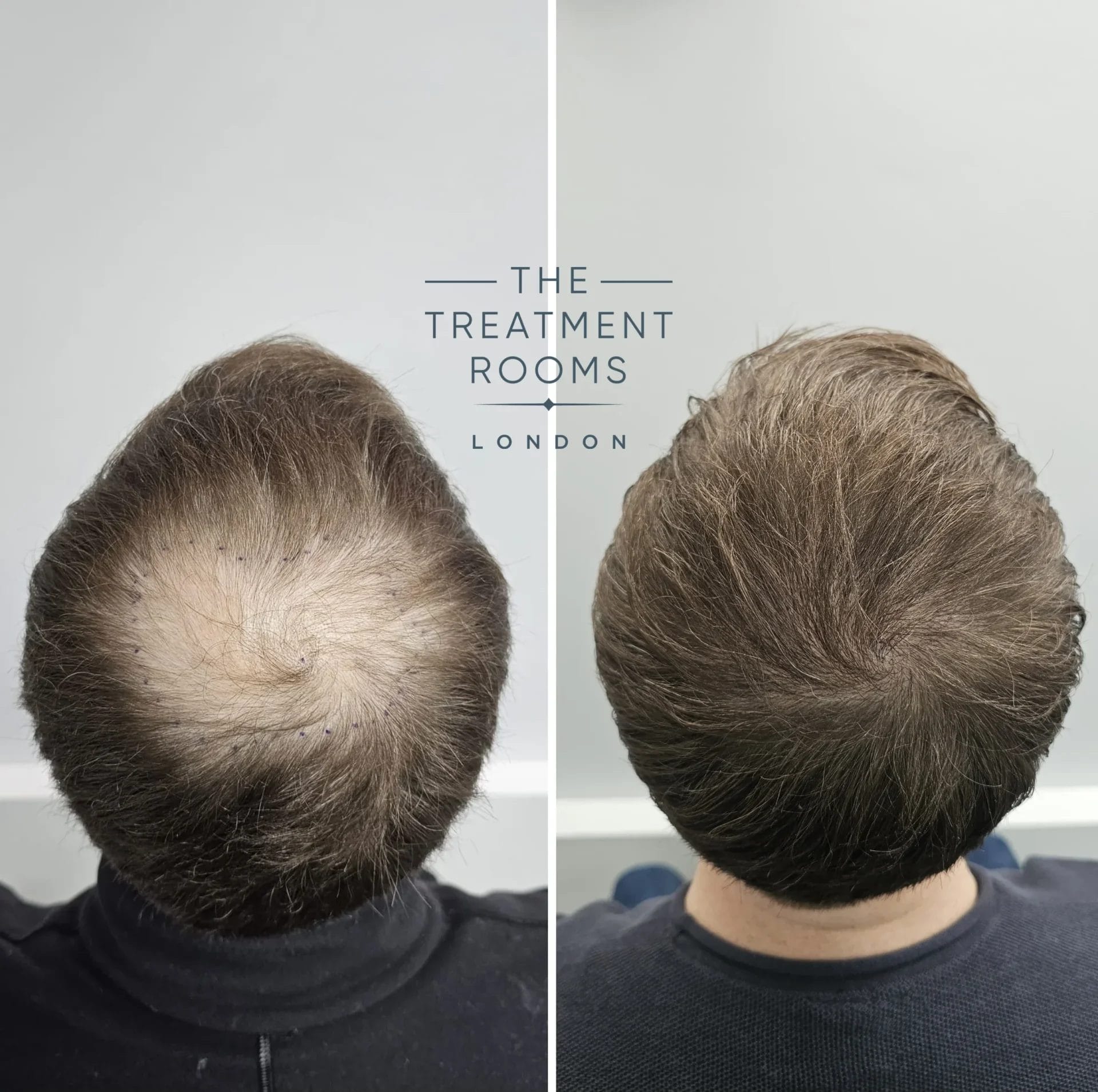
Does an FUE Hair Transplant Leave Scars?
January 12, 2026
An FUE hair transplant leaves small pin-point scars across the back and sides of the scalp. These…
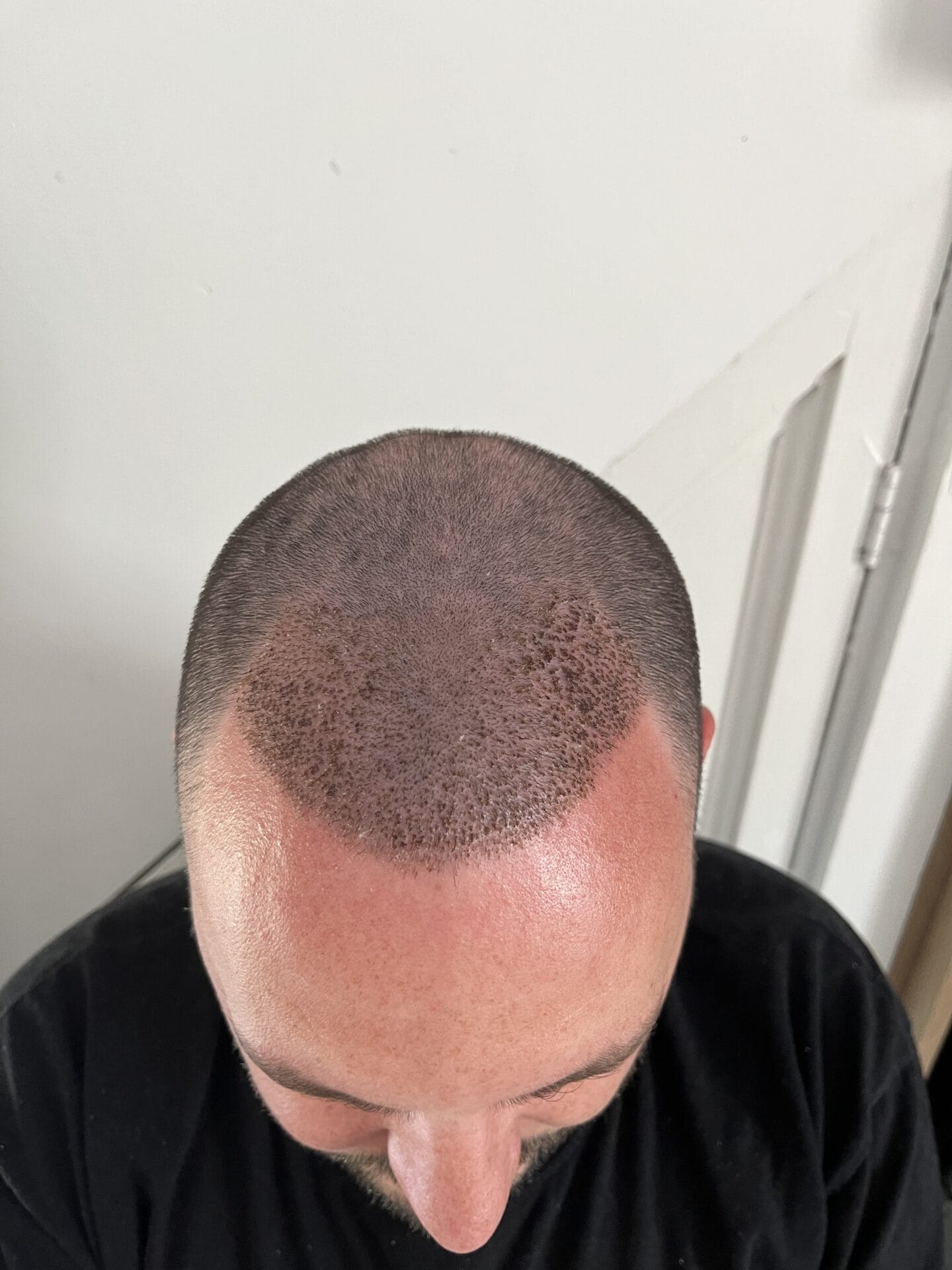
When Do Scabs Fall Off After Having a Hair Transplant?
January 11, 2026
Scabs will form immediately after having a hair transplant and should wash away after 7-10 days. They…

David Silva Hair Transplant: Before, After and His New Hairline
January 11, 2026
David Silva, the Spanish football maestro renowned for his vision and agility on the field, has not…

Jordan Peterson Hair Transplant: Before, After, and His New Hairline
January 11, 2026
Compared to his previous hairline, it is hard not to speculate that Jordan Peterson has had a…

Dimitar Berbatov’s Hair Transplant: Before, After, and His New Hairline
January 11, 2026
Dimitar Berbatov was one of the most elegant footballers to grace the Premier League. During spells at…
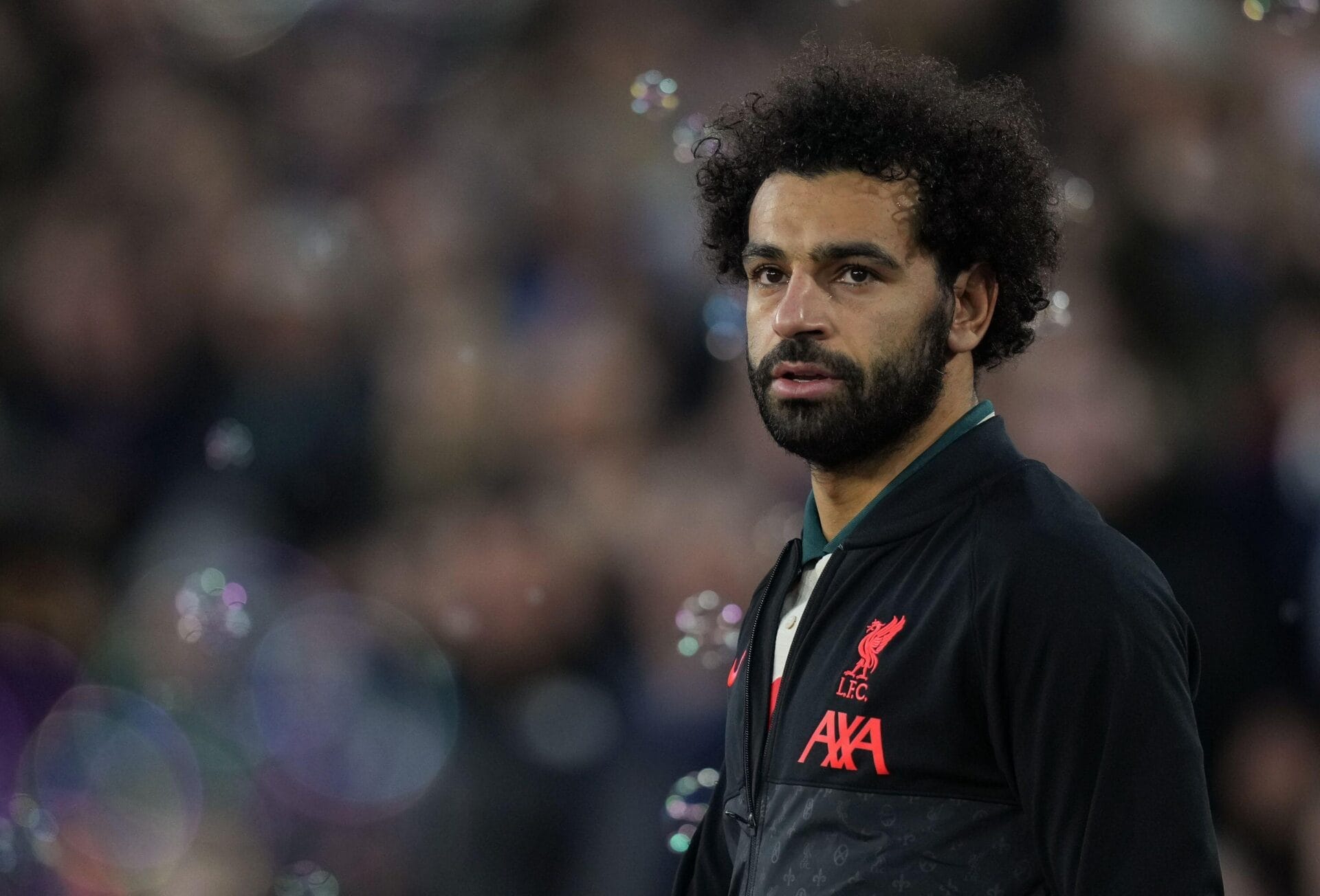
Mo Salah’s Hair Transplant: Before, After, and His New Hairline
January 11, 2026
Mo Salah’s Hair transformation has sparked much speculation, with many people saying he has undergone a hair…
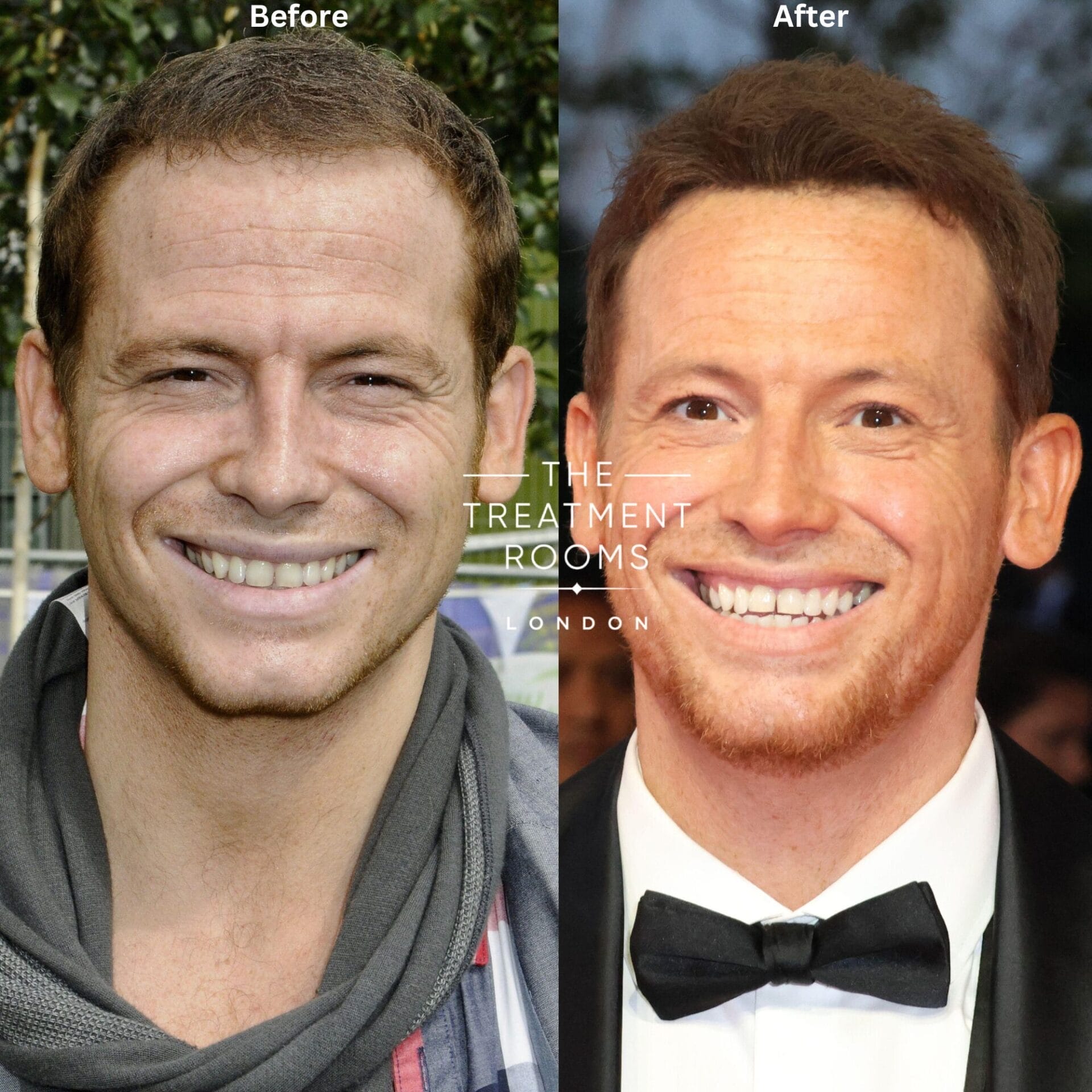
Joe Swash Transplant: Before, After, and His New Hairline
January 11, 2026
Former ‘EastEnders’ actor and ‘I’m a Celebrity’ contestant Joe Swash has spoken very candidly about receiving multiple…
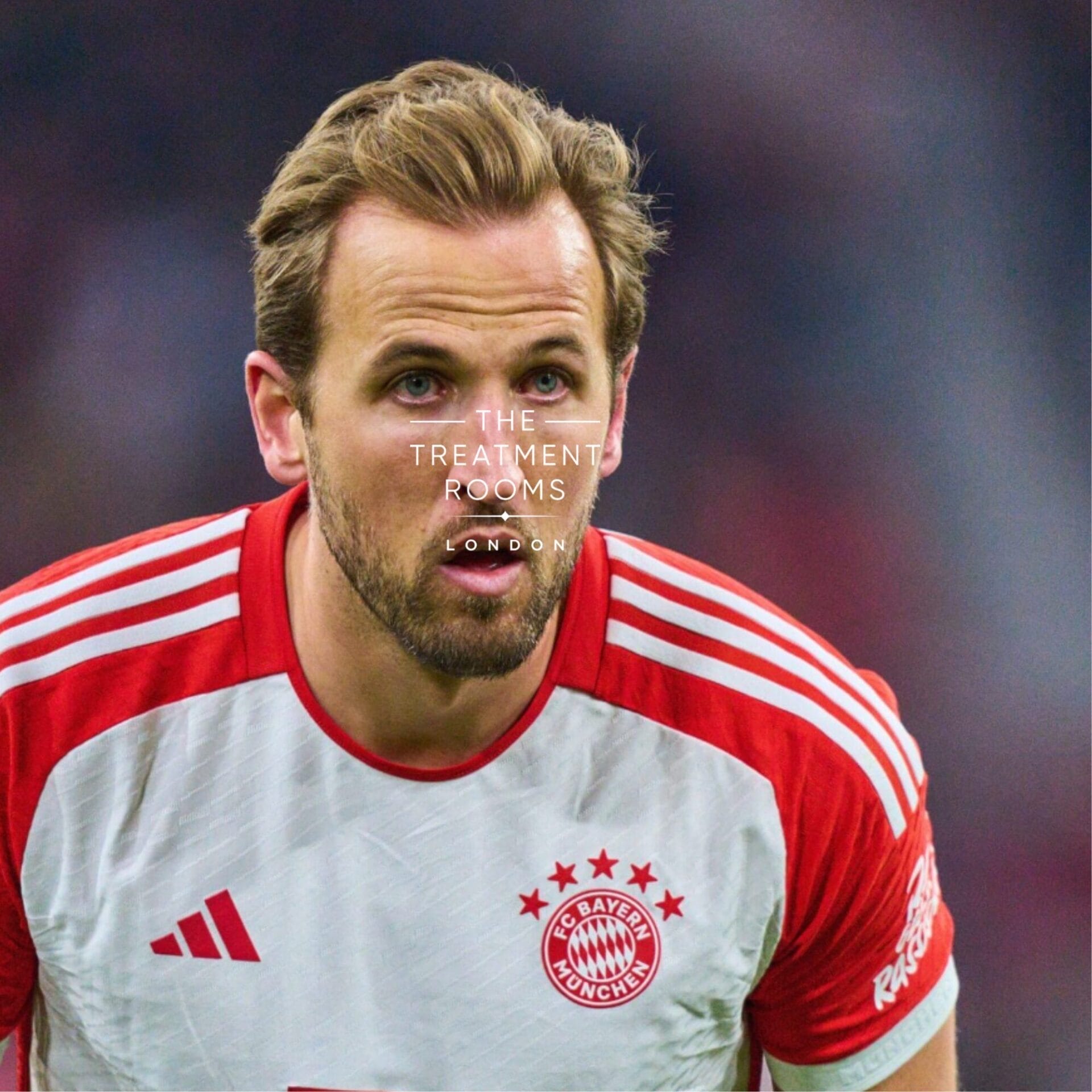
Harry Kane Hair and Hairline
January 11, 2026
Harry Kane has suffered from a common condition of hair loss called male pattern baldness. This has…