

There is no best age for a hair transplant. A hair transplant should only be considered in a patient who’s hair loss has stabilised or stopped either naturally (between the ages of 30-55) or with medications like Finasteride or Minoxidil. Patients can expect to lose their hair across their lifetime which impacts their hair transplant result and requires experienced Surgeons to plan ahead for future surgeries. As a result, there is no distinct age bracket at which patients can consider having a hair transplant.
You can contact our award winning hair transplant clinic to gain some helpful insight into hair loss experienced at your age and our Surgeons should be able to advise as to the best course of action for your situation. The most common age at which patients have surgery at The Treatment Rooms London tends to be when they have turned 30 or older.
Patients younger than 30 ought to consider hair loss medications first to stabilise their hair loss before considering surgery like an FUE hair transplant. This is because there is a risk that younger patients will continue to lose hair after a hair transplant, making the hair look patchy as they age.
After the age of 30, most people have gone through some element of hair loss and then stabilised at that point. It is at that point that these people are very good candidates for surgery.
Dr Dilan Fernando, Hair Transplant Surgeon and Director at The Treatment Rooms London
Is there a best age for a hair transplant?
There is no right or wrong answer to this question as it typically depends on the individual. Your circumstances may differ from someone else’s, and you may require a hair transplant earlier than they do.
To ensure your hair loss pattern is fully determined, it is advised that you wait until you are 30 years old before undergoing your procedure. Until you have your hair transplant procedure, it is essential to note that you can use non-surgical treatments, as mentioned previously, to reduce the risk of further hair loss.
The gentleman below stabilised his hair loss using non-surgical treatments so that when he underwent hair transplant surgery, he knew it would last him a long time.
At what age can you get a hair transplant?
At The Treatment Rooms London, we advise patients to wait until the age of 30 before undergoing a hair transplant, but this advice can vary for individual patients and their requirements. The important thing to note is that patients who do explore surgery should have stabilised their hair loss at that moment in time. Hair transplant procedures give patients hair where they have balded or thinned in and this can potentially be permanent. If patients continue to lose hair they will be left with areas of hair transplant surgery and consequently no hair in other areas.
Generally as patients approach the age of 30 their hair loss can slow and be more predictable and that is the age that we recommend hair transplant surgery be considered.
Hair loss at 20 years old
We see many men who are losing their hair in their 20s here at The Treatment Rooms London. Hair loss in men is often caused by dihydrotestosterone in a condition called androgenic alopecia (male pattern baldness) with issues such as stress making the condition worse. You may be surprised to know that male pattern baldness affects around 50% of all men, so you shouldn’t feel disheartened as it is fairly common. In terms of age, it can start in your late teens and continue into early adulthood.
As we grow older, it is natural for our hair to thin and fall out. It can affect some people more than others, and it is important that if you are suffering from hair loss you reach out to your GP to help manage it with medications.
In the video below you will see in detail how hair loss happens in most men.
How to prevent hair loss in your 20s
If you are younger than 30 years old, you should explore non-surgical hair loss treatment options such as Minoxidil and Finasteride. These medications might be advised by your hair transplant specialist to help slow down the rate of hair loss until such time that you are ready to have hair transplant surgery.
If non-surgical treatments don’t work, then you may be able to explore the option of a surgical procedure. Hair transplants may sound quite daunting, but you will find our Surgeons will help guide you through the process so you make the right decision. The recovery time is usually a matter of 1-2 weeks, and at The Treatment Rooms London we aim to hold your hand every step of the way, ensuring a speedy hair transplant aftercare process.
What happens if you get a hair transplant too young?
Although you might be in a rush to get a hair transplant, you should be aware that this can come with some risks if you are having your procedure at a young age. You could end up with patchy results as you grow older because it can be harder for your surgeon to distinguish a balding pattern and determine how your hair will recede. As you age, hair loss might occur in other areas which may require a second hair transplant at a later date.
If your confidence has taken a knock due to your hair loss at a young age, it can be difficult to come to terms with. However, it is always advised that you explore all non-surgical options available and consult a hair loss specialist to help advise as to the best course of action moving forward.
Can you be too old to get a hair transplant?
There is no age cut-off for a hair transplant. As long as patients are healthy and they have a good donor supply of hair, they are able to have a hair transplant at any age. This can sometimes mean older patients go through a dramatic restoration of hair and if you want your transplant to be subtle, then it is crucial that you time your transplant right, and with the help of our experienced hair transplant Surgeons, you’ll be able to make informed decisions as to how you can go about a subtle change.
The Importance of Hair Loss Management
Hair loss stabilisation is so important when planning the right time for a hair transplant. When a patient is too young, the risk of them losing more hair is high so delaying surgery until they are older will be an important discussion with their hair transplant surgeon. Patients at a young age may well benefit from considering medications to stabilise their hair loss before undergoing surgery.
Hair loss stabilises when you get older so it becomes a little more easier to predict how much further a patient will bald. As a result, planning surgery to suit someone as they age will be more accurate.
The role of medications in stabilising hair loss
The main 2 medications that can help stabilise hair loss are Finasteride and Minoxidil. These have a proven record in preventing hair loss and in some circumstances thickening hair. If you want to consider these medications to stabilise your hair loss whatever you age, please speak to a hair loss specialist or hair transplant Surgeon.
Consultation and personalised management
If you’re struggling with hair loss at any age, then get in touch today. Our surgeons are on hand to talk you through your options in a consultation, advising you as to the best course of action be it surgical or non-surgical. If you are at the right age to consider a hair transplant, you can start to plan your surgery by taking a look at our hair graft calculator that will give you an idea as to how many grafts you may need and cross-reference it with our hair transplant cost guide for more information.
Share:
Authored by
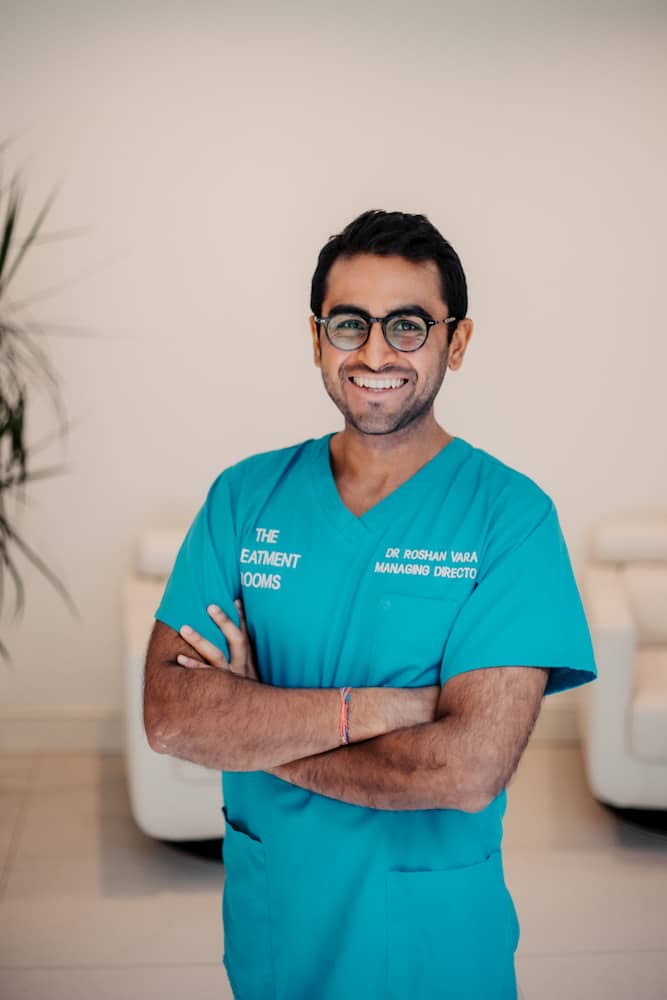
Dr Roshan Vara
Dr. Roshan Vara is a renowned hair transplant surgeon in London and the Co-Founder of our award winning hair transplant clinic, The Treatment Rooms London.He has over 10 years of experience in hair transplant surgery and is recognised for delivering natural-looking results through ethical, patient-centred care. He is a Full Medical Member of BAHRS and an Associate Member of ISHRS, reflecting his commitment to the highest standards in modern hair restoration.
Reviewed by

Dr Dilan Fernando
Dr. Dilan Fernando is regarded as one of the best hair transplant surgeons in London and Co-Founder of The Treatment Rooms London. He has over 10 years of experience in hair transplant surgery and is known for his meticulous technique and commitment to ethical practice. He served on the Executive Committee of BAHRS from 2020 to 2024, helping to shape industry standards for patient safety and quality of care. Dr. Fernando personally performs each surgery, ensuring natural results built on trust and experience.
Book a Consultation
Related Blogs

What is DHT & Its Role in Hair Loss?
September 17, 2026
Key Takeaways The most common cause of hair loss in men is ‘androgenetic alopecia’ or ‘male pattern…

Did Daniel Craig Have a Hair Transplant? Here is What Our Experts Think
September 16, 2026
Key Takeaways: Daniel Craig is one of the most recognisable actors of his generation: the English superstar…
Jürgen Klopp Hair Transplant: Expert Analysis of His Hair Loss and All You Need to Know
September 16, 2026
Key Takeaways Jürgen Klopp is one of football’s most celebrated managers. He made his name through his…

Elton John and His Hair Transplant Journey: Expert Analysis and All You Need to Know
September 15, 2026
Key Takeaways: Sir Elton John has had, quite simply put, a great music career to date. Since…
Minoxidil For Eyebrows – Does It Work?
September 15, 2026
Key Takeaways: Eyebrows are a hugely important feature in humans for communication, facial expression, and identity. They…

Did Antonio Conte Have a Hair Transplant? Expert Analysis of His Hair Loss and Recovery
September 14, 2026
Key Takeaways: Antonio Conte is a successful football manager with extensive managerial experience and trophies to his…

When Can I Shave My Head After a Hair Transplant?
September 11, 2026
Key Takeaways: After your hair transplant, there can be a noticeable contrast between the closely cropped donor…
How Much Hair Loss Per Day Is Normal for Men
September 10, 2026
Key Takeaways: Perhaps you have noticed extra hair in the shower after you have finished washing or…
Gordon Ramsay Hair Loss: Expert Analysis and Before & After Pictures
September 10, 2026
Key Takeaways: Gordon Ramsay is arguably Britain’s most recognisable chef. Michelin-starred and famously fiery. He has been…