

You can wear a cap immediately after having your hair transplant. You will need to get a large snap-back or “trucker’s” cap that sits around the front and back of your head, creating a dome over your transplanted area so it doesn’t touch it. When you book your surgery with our clinic, our Surgeons can guide you on which style of cap you should get.
You can wear a cap immediately after having a hair transplant. We show our patients what type of cap to get before their surgery and how to wear one in after their surgery has finished.
Dr Fernando, Hair Transplant Surgeon and Co Founder of The Treatment Rooms London Hair Transplant Clinic
Why should I wear a cap after a hair transplant?
You don’t have to wear a cap after having your hair transplant if you are indoors and not doing anything. However, we recommend wearing one in the following scenarios:
Wearing a cap to protect your hair transplant from the sun
We recommend protecting your newly transplanted grafts from direct, strong sunlight in the first 2 weeks after surgery. You can read more about avoiding the sun after your hair transplant in our dedicated article here.
You will want to prevent strong exposure causing sunburn on your scalp for 4 weeks after surgery too and you may choose to continue wearing a cap after 2 weeks to protect yourself.
Wearing a cap to hide your hair transplant
You may be conscious of people noticing that you have had a hair transplant. Wearing a cap can help conceal the appearance of having recently undergone the procedure. In most patients, after 2 weeks, they have very little visible signs of having surgery done. It is also at this point that you can wear a normal baseball or tennis-style cap as shown below.

Wearing a cap to protect your head from being hit
One of the most significant risks to your transplant is hitting your head after surgery. You can avoid the risk by wearing a cap when doing anything around your home or at work, such as cleaning or putting things away in cupboards. If you do unfortunately hit your head on a cupboard, your cap will act as a protective barrier to your hair transplant being hit directly and getting grossly affected.
Is it safe to wear a cap after a hair transplant?
It is safe to wear a cap after your hair transplant. We advise only wearing one when you have to. If you are sitting and relaxing at home we advise not wearing a cap and just leaving your transplanted hair open to the air.
Do I have to wear a cap after a hair transplant?
You should wear a cap when you go outside your home in the first 2 weeks after your transplant. This is often the case for patients who are going to the supermarket, walking their dog or seeing friends and family.
How do I put my cap on after my hair transplant?
Your Surgeon will show you how to wear your cap after your surgery to ensure it doesn’t sit on your transplanted hair. The key is to put the cap on so that it sits around the transplanted area. When taking the cap off be careful not to drag the cap over transplanted grafts.
What style of cap can I wear?
The style of cap or headwear you can wear after your hair transplant will depend on the stage of your recovery. We have outlined the options below.
Snap back cap for the first 2 weeks after your hair transplant
You should find a large snapback cap to wear in the first 2 weeks after your transplant. You should aim to get a large size so it sits over and around your transplanted hair.
Any style of cap after 2 weeks have passed following your hair transplant
After 2 weeks have passed following your transplant, your hair is now secure in your scalp. You can wear any style of cap at this point if you wish.
A beanie hat after 4 weeks have passed following your hair transplant
You can wear a beanie after 4 weeks following your transplant. This will be important for patients who are in colder climates. We don’t advise wearing one for 4 weeks, as it can irritate your scalp where we have implanted new hair.

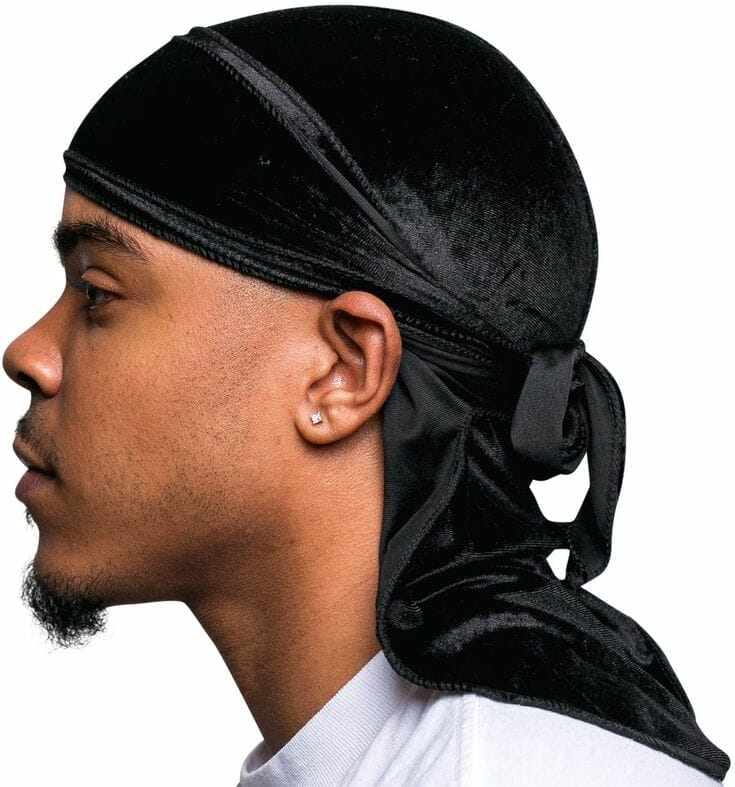
Durag after 4 weeks have passed following your hair transplant
If you wear a durag, you can wear one after 4 weeks have passed following your hair transplant. We don’t advise wearing one for 4 weeks, as a tight-fitting durag can irritate your scalp after surgery.
Share:
Authored by

Dr Roshan Vara
Dr. Roshan Vara is a renowned hair transplant surgeon in London and the Co-Founder of our award winning hair transplant clinic, The Treatment Rooms London.He has over 10 years of experience in hair transplant surgery and is recognised for delivering natural-looking results through ethical, patient-centred care. He is a Full Medical Member of BAHRS and an Associate Member of ISHRS, reflecting his commitment to the highest standards in modern hair restoration.
Reviewed by

Dr Dilan Fernando
Dr. Dilan Fernando is regarded as one of the best hair transplant surgeons in London and Co-Founder of The Treatment Rooms London. He has over 10 years of experience in hair transplant surgery and is known for his meticulous technique and commitment to ethical practice. He served on the Executive Committee of BAHRS from 2020 to 2024, helping to shape industry standards for patient safety and quality of care. Dr. Fernando personally performs each surgery, ensuring natural results built on trust and experience.
Book a Consultation
Related Blogs
Does Folliculitis Cause Hair Loss? Symptoms, Causes and Treatment Options
August 20, 2026
Key Takeaways Folliculitis is the inflammation of a hair follicle (the opening in the skin from which…
Female Pattern Baldness (Androgenetic Alopecia): Symptoms, Causes & Treatments
August 19, 2026
Key Takeaways Female pattern hair loss (FPHL) is the most common hair loss condition affecting women, where…

What to Eat and Avoid After a Hair Transplant
August 7, 2026
Key Takeaways: After a hair transplant, you can resume your usual diet as soon as you feel…

Gabriel Magalhães Hair Transplant: His Journey and Our Full Expert Analysis
August 3, 2026
Key Takeaways: 1. Did Gabriel Magalhães have a hair transplant? Gabriel Magalhães confirmed his hair transplant in…
What to Know About Stress and Alopecia Areata
August 3, 2026
Key Takeaways: Alopecia areata is an autoimmune condition in which the immune system attacks the hair follicles,…

Female Hair Transplant Guide
July 9, 2026
If you’re a female experiencing hair loss, you may be considering getting a female hair transplant. We…
Dr Vara featured on ITV’s This Morning
June 17, 2026
When ‘Nice Hair Transplant’ Isn’t The Compliment You Were Hoping For… When our repair surgery patient Shaun…
2026 World Cup Stars and Hair Transplant Speculation: 5 Footballers to Watch Out For
June 9, 2026
Key Takeaways As the 2026 FIFA World Cup approaches, some of football’s biggest names will once again…

A Guide To Double Crowns: What Are They?
June 5, 2026
Quick Summary of Double Crowns What is a Double Crown? The crown of your head refers to…