

Traction alopecia is a form of hair loss that occurs due to continuous pulling and tension on hair roots. It is commonly seen as hair loss affecting the hairline, temples, sideburns and the nape of the neck due to long-term tight hair styling such as braids, buns or ponytails.
Hair transplant surgery can be an effective treatment for traction alopecia, restoring hair in areas where it has been lost.
What is traction alopecia?
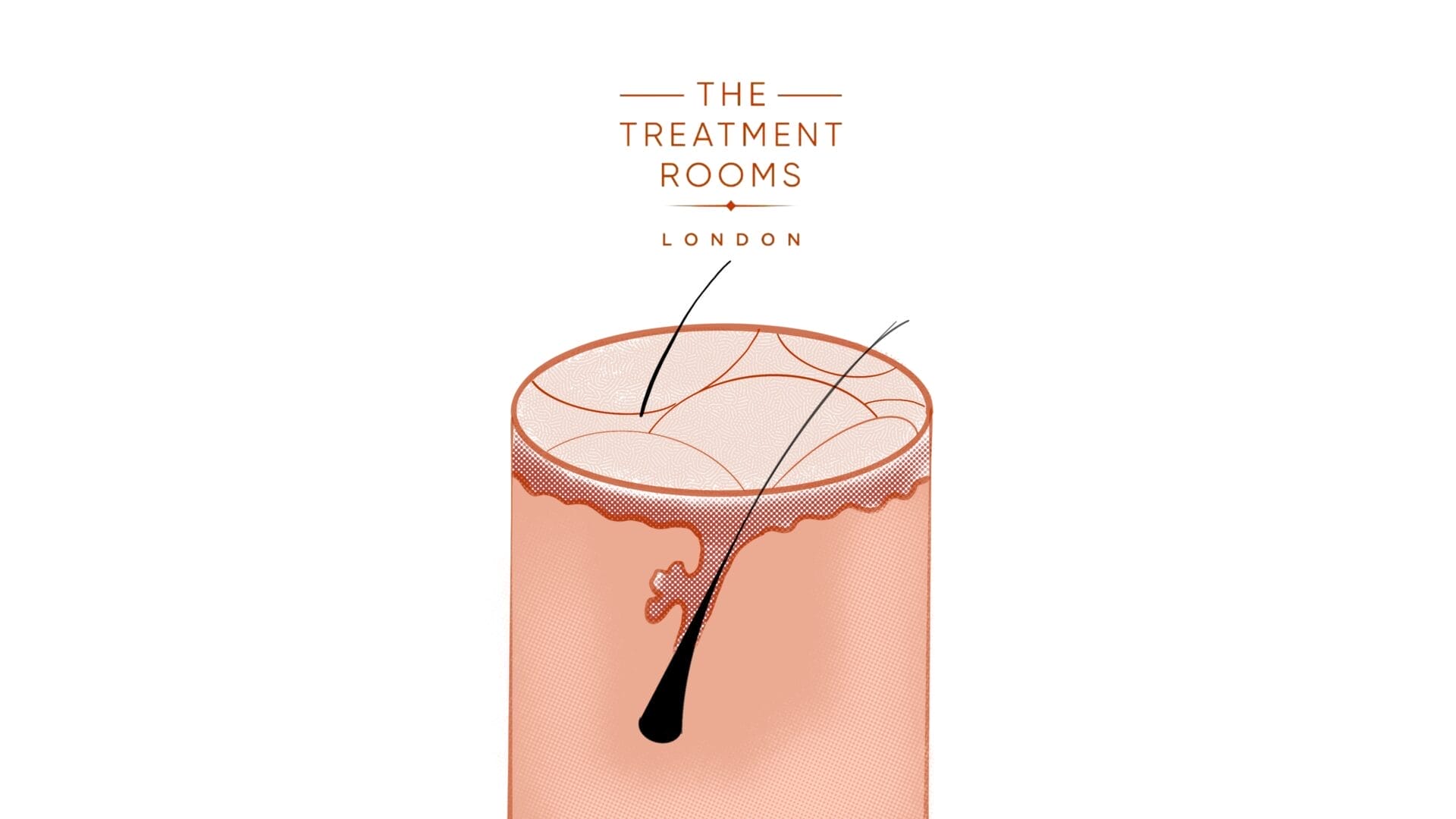
Traction alopecia is a hair loss secondary to repeated pulling on hair roots. Over time, this tension causes the roots to weaken and fall out. This is depicted in the diagram below.
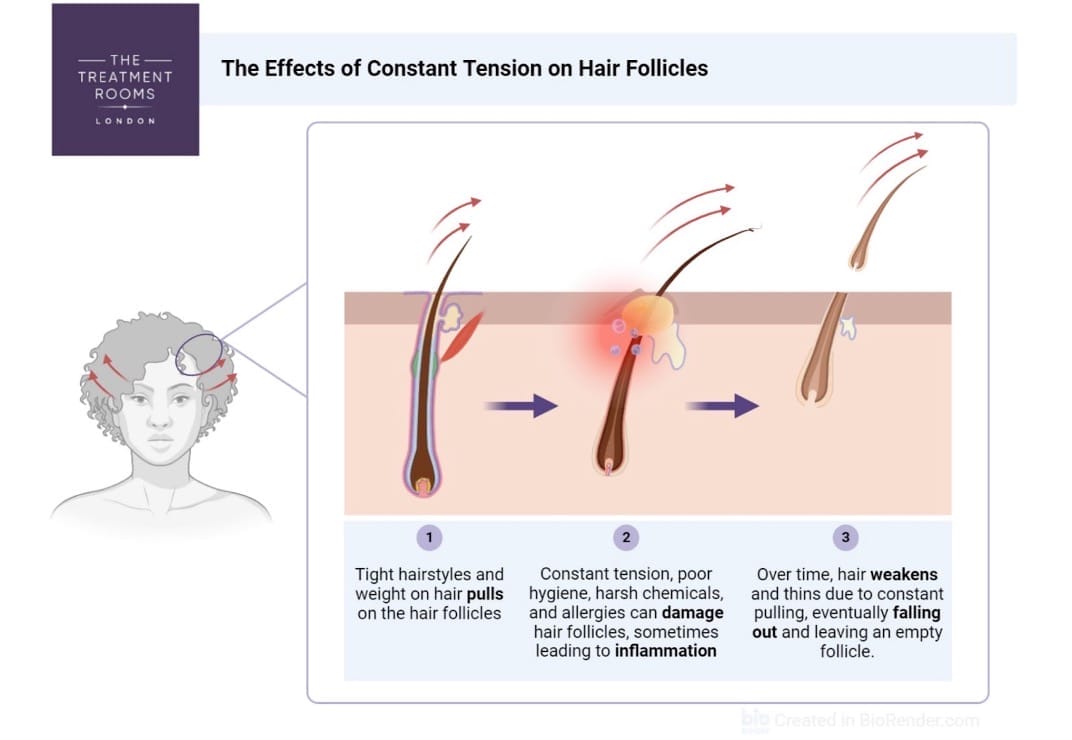
Traction alopecia can be categorised into short-term or long-term traction alopecia. If you have just started to notice hair loss from repeated hair tension styling, then hair is likely to grow back if you stop styling your hair tightly. If you have styled your hair under tension for years, the hair loss you have is likely permanent. In such cases, a hair transplant may be the best option to restore your hair.
Who can develop traction alopecia?
Since this form of hair loss is attributed to hairstyles that have a pulling nature, people who do braids, dreadlocks, weaves, and others like ponytails have an increased risk of developing traction alopecia than those who do not.
Some commentators believe David Beckham had a form of traction alopecia and perhaps underwent hair transplant surgery to correct his hair loss.

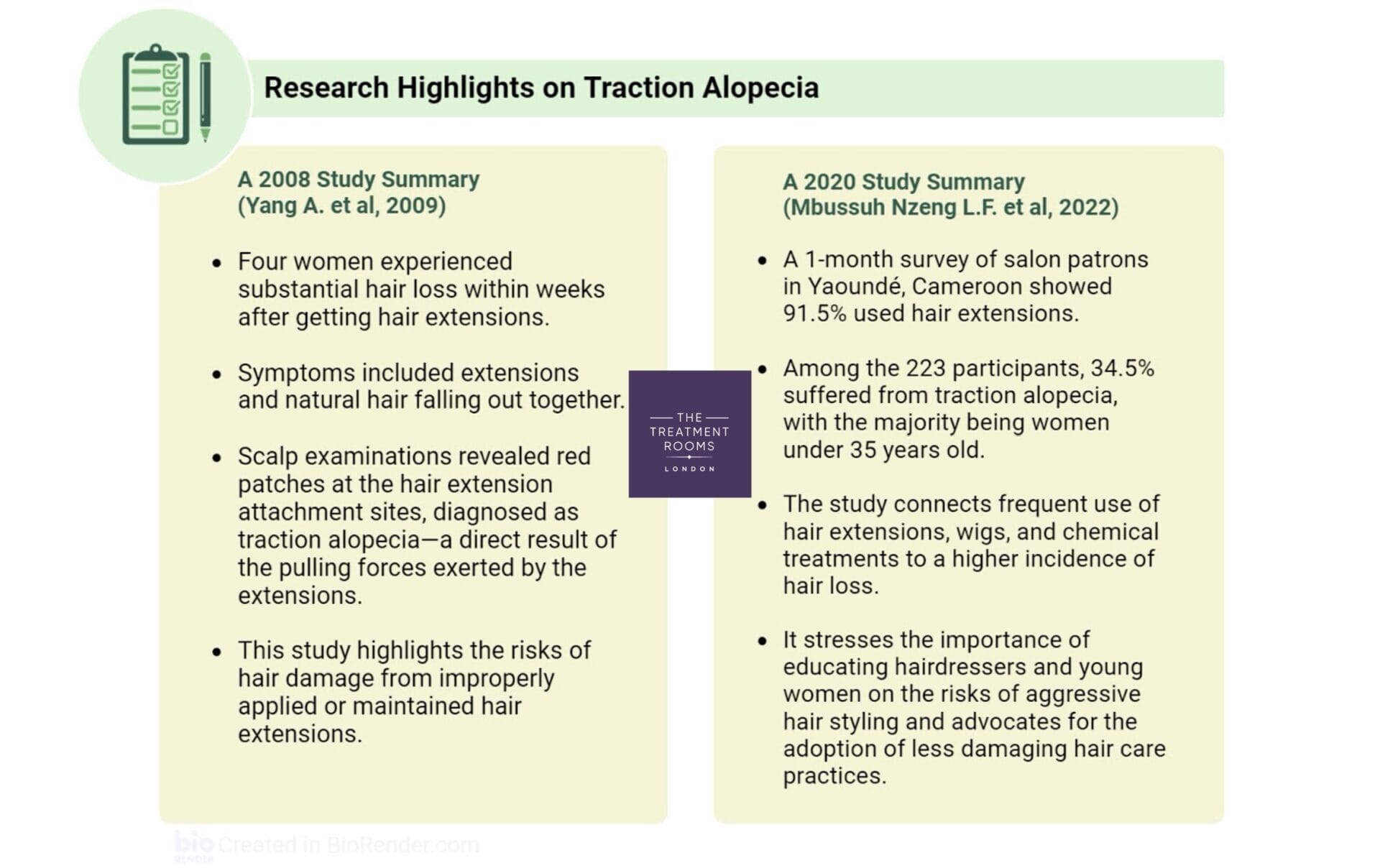
In a review published by John Hopkins Medicine5, traction alopecia was found to have a strong connection with scalp-pulling hairstyles. And since patients from an African-American background tend to style their hair in similar ways, traction alopecia was found to affect about one-third of them, mainly women. Thus, solidifying its place as the leading cause of hair loss among this group of women.
That being said, traction alopecia can affect anyone who continuously pulls on their hair when they style and groom it.
How is traction alopecia treated?
According to most sources, the best way to treat traction alopecia is by prevention.4 This includes letting your hair fall and rest without tension. If hair damage has already started, but hasn’t caused permanent loss, then doctors often recommend behavioural changes and one or more medications such as Minoxidil. However, when traction alopecia has caused hair loss, one of the options to treat the affected area is a hair transplant.
What is a hair transplant?
A hair transplant is a medical procedure that involves moving hair from the back or sides of the head (donor area) to a bald area of the scalp. It is usually carried out to reverse permanent hair loss. In conditions like traction alopecia, especially when it gets to a chronic stage, hair transplants can be the best way to restore hair growth.
Hair transplant for traction alopecia
The two most common hair transplant techniques used in treating traction alopecia are the Follicular Unit Excision (FUE) and Follicular Unit Transplant (FUT) methods.2 Often, hair transplant surgery for traction alopecia will involve transplanting hair into the temples, hairline and sideburns as these are the most common areas affected by the condition.
FUE hair transplant for traction alopecia
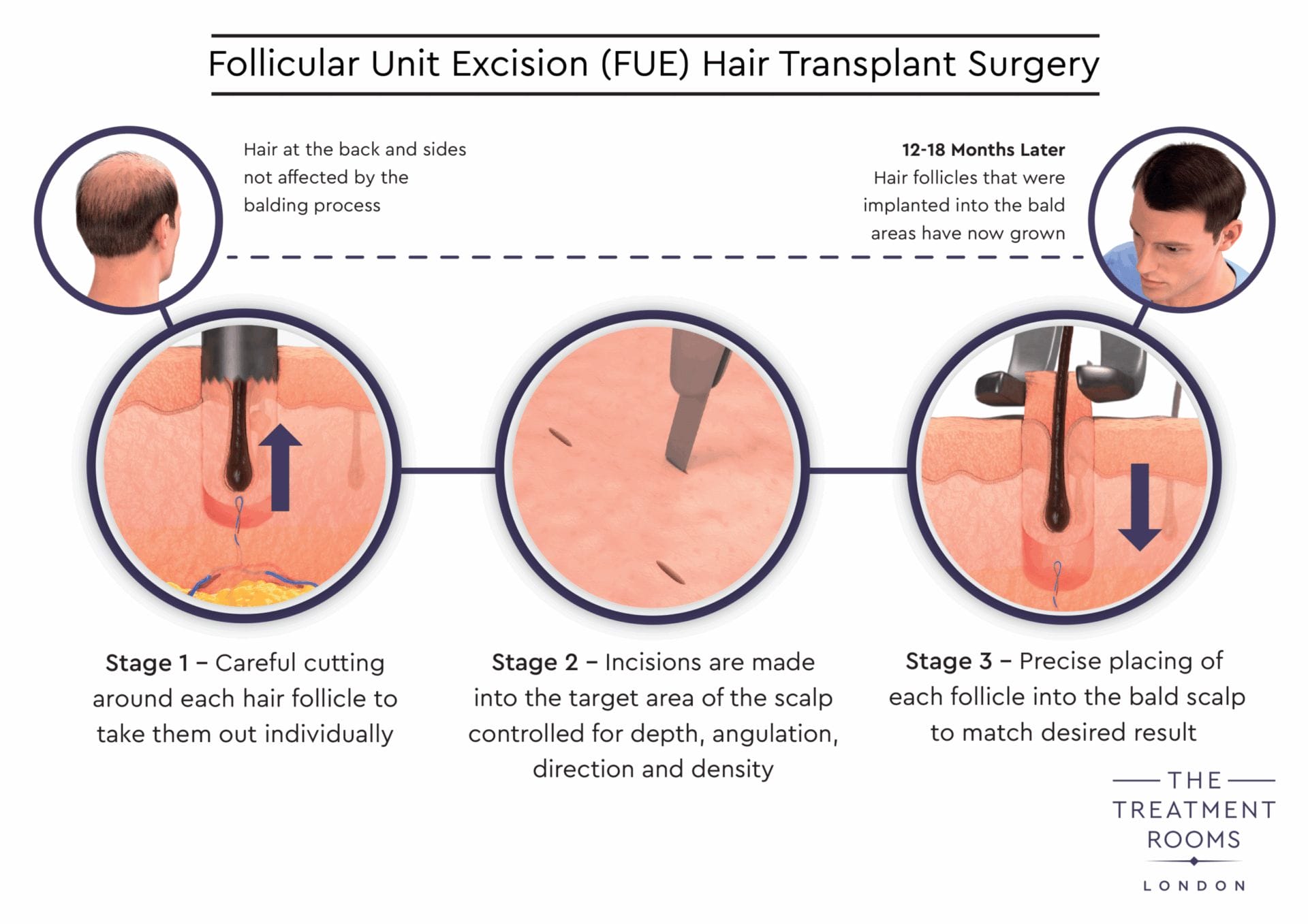
- In follicular unit excision, individual hair follicles are extracted directly from the donor site of the scalp, which is usually the back of the head.
- After extracting these follicles, the surgeon makes tiny holes in the recipient area of the scalp and then carefully places new hair into these holes.
- At a single transplanting session, the surgeon can harvest and transplant hundreds or even thousands of hair follicles.
- Depending on the area that needs to be addressed and the number of grafts needed, multiple sessions may be required before getting the desired hair growth in an area affected by traction alopecia.
- You can calculate how many grafts you may require in our graft calculator or read our article: How many grafts do you need for your hair transplant
Follicular unit transplant (FUT) for traction alopecia
- In a follicular unit transplant, a surgeon uses a scalpel to cut out a strip of scalp skin, usually from the back of the head. After taking out the incision, which is typically several inches long, the surgeon then stitches up the affected area.
- The next stage involves taking the extracted scalp or incision and separating it into numerous individual grafts, from which individual hair follicles are extracted too.
- After preparing individual hair follicles, the next step is to transplant them into the area affected by hair loss. This involves making delicate, tiny holes in the scalp and then re-implanting the prepared hair follicles. The process can take several hours for a large area affected by traction alopecia
Recovery after a traction alopecia hair transplant
After a hair transplant for traction alopecia, it will take some time for your hair to grow. This is because the transplanted hair follicles must fully adjust in their new environment before they can start growing, just like the other hairs. Generally, it can take up to 4 months before you begin to notice any significant hair growth. You can see a full timeline of growth following a hair transplant in our hair transplant timeline.
Commonly, patients find that their transplanted hair falls out after a few weeks following surgery. This is considered a natural part of post-hair transplant processes.
Following the surgery, doctors often recommend medications to reduce pain, antibiotics to reduce the chance of infection, and anti-inflammatory drugs to lower inflammation of the scalp. Most patients have fully recovered after their hair transplant after 7 days have passed.
Aftercare for traction alopecia hair transplant
Your doctor can also recommend the intake of certain vitamins and minerals. Popular ones include vitamin C, vitamin D, biotin, and other B-group vitamins. Vitamin C in particular can help accelerate the healing process of your scalp due to its involvement in wound healing processes7, especially if the follicular unit transplant (FUT) technique was used for your surgery. Others, like biotin, have gained popularity for helping with hair growth and improving the mechanical strength of hair strands, thanks to its ability to boost keratin production8.
Apart from medications and supplements, numerous post-transplant instructions must be followed. Some of them include:
- Avoiding exercise for 2 weeks
- Avoiding contact with direct sunlight for at least 4 weeks
- Avoiding harsh chemicals on your hair for as long as possible following surgery, such as hair dye
- Of course, avoiding tight hairstyles that may result in further traction alopecia in the transplanted area.
If you’d like to learn more, you may find our aftercare guide helpful: The Ins and Outs of Post-Operative Care
Summary
Traction alopecia is mostly caused by hairstyles that create a pulling force on the roots of the hair. When noticed early enough, it can be prevented and successfully treated. But when left unnoticed, it can lead to permanent hair loss, at which point it can be treated with a hair transplant after proper assessment by the surgeons.
If you are exploring having a hair transplant for traction alopecia, book your consultation today. Our lead surgeons will be more than happy to give you more information on the personalised hair transplant service we offer at The Treatment Rooms London.
References
- https://www.unitedcareclinic.com/blog/hair-loss-statistics-facts/
- https://www.ncbi.nlm.nih.gov/books/NBK547740/
- https://www.ncbi.nlm.nih.gov/books/NBK538178/
- https://www.ncbi.nlm.nih.gov/books/NBK470434/
- https://www.hopkinsmedicine.org/news/media/releases/all_hairstyles_are_not_created_equal
- https://www.ncbi.nlm.nih.gov/books/NBK547740/
- https://pubmed.ncbi.nlm.nih.gov/24796079
- https://www.ncbi.nlm.nih.gov/pmc/articles/PMC6218806/
Share:
Authored by

Dr Roshan Vara
Dr. Roshan Vara is a renowned hair transplant surgeon in London and the Co-Founder of our award winning hair transplant clinic, The Treatment Rooms London.He has over 10 years of experience in hair transplant surgery and is recognised for delivering natural-looking results through ethical, patient-centred care. He is a Full Medical Member of BAHRS and an Associate Member of ISHRS, reflecting his commitment to the highest standards in modern hair restoration.
Reviewed by

Dr Dilan Fernando
Dr. Dilan Fernando is regarded as one of the best hair transplant surgeons in London and Co-Founder of The Treatment Rooms London. He has over 10 years of experience in hair transplant surgery and is known for his meticulous technique and commitment to ethical practice. He served on the Executive Committee of BAHRS from 2020 to 2024, helping to shape industry standards for patient safety and quality of care. Dr. Fernando personally performs each surgery, ensuring natural results built on trust and experience.
Book a Consultation
Related Blogs

Steve Carell Hair Transplant: Before, After, and His New Hairline
March 2, 2026
Steve Carell, best known as Michael Scott in The Office, began sparking curiosity amongst fans when his…

What Is Nutrafol and Does It Really Work for Hair Growth?
February 24, 2026
Key Takeaways Hair thinning can feel frustrating and confusing. You might notice more hair falling out in…

Peppermint oil for hair growth: Evidence, Benefits, Uses & Safety
February 24, 2026
Key Takeaways What Is Peppermint Oil? Peppermint oil, also known as Mentha piperita oil, is an essential…

Why Winter Hair Loss Happens and All You Need to Know
February 6, 2026
Key Takeaways As temperatures drop and indoor heating kicks in, many people notice their hair feels drier,…

Can You Take Finasteride With Minoxidil For Hair Loss?
February 5, 2026
Key Takeaways Consistency Matters: Stopping treatment often leads to a recurrence of hair loss; ongoing medical guidance…
Does Finasteride Cause Erectile Dysfunction?
February 3, 2026
Key Takeaways Finasteride can cause erectile dysfunction in some men, but it isn’t common. Most men who…
What is a Hair Transplant? How it Works, Success Rate & What to Expect
February 2, 2026
Key Takeaways Cost: Varies from £3,000 to £10,000, depending on the number of grafts and the technique….
What Causes Hair Loss During Menopause?
February 2, 2026
Key Takeaways Many women notice increased hair shedding and thinning during menopause. This happens because hormonal changes…

Can a Norwood 7 Get a Hair Transplant? All You Need to Know
February 2, 2026
Key Takeaways Yes, someone with Norwood 7 hair loss may be able to have a hair transplant,…