

How can you increase your chances of having a successful hair transplant? Many factors can influence the success rate of your hair transplant, from the surgeon and clinic to recovery and aftercare.
In this article, we’ll outline the elements that can affect the outcome of a hair transplant with the key tips being:
- Choosing the best hair transplant surgeon and clinic
- Attending an in-person consultation
- Preparation for your hair transplant
- Hair transplant recovery and aftercare
- Maintenance of your hair transplant
Choosing the best hair transplant surgeon and clinic
It’s important to carry out research before deciding where to have your hair transplant; this will allow you to choose the best hair transplant surgeon and clinic. So what should you look for that indicates a reputable clinic and surgeon?
When checking a surgeon’s credentials, ensure that they are experienced in the treatment area you are interested in – such as FUE hair transplant – and that they:
- Possess a licence to practice and are GMC registered
- Work within a CQC-registered clinic
- Have full medical membership of the British Association of Hair Restoration Surgery
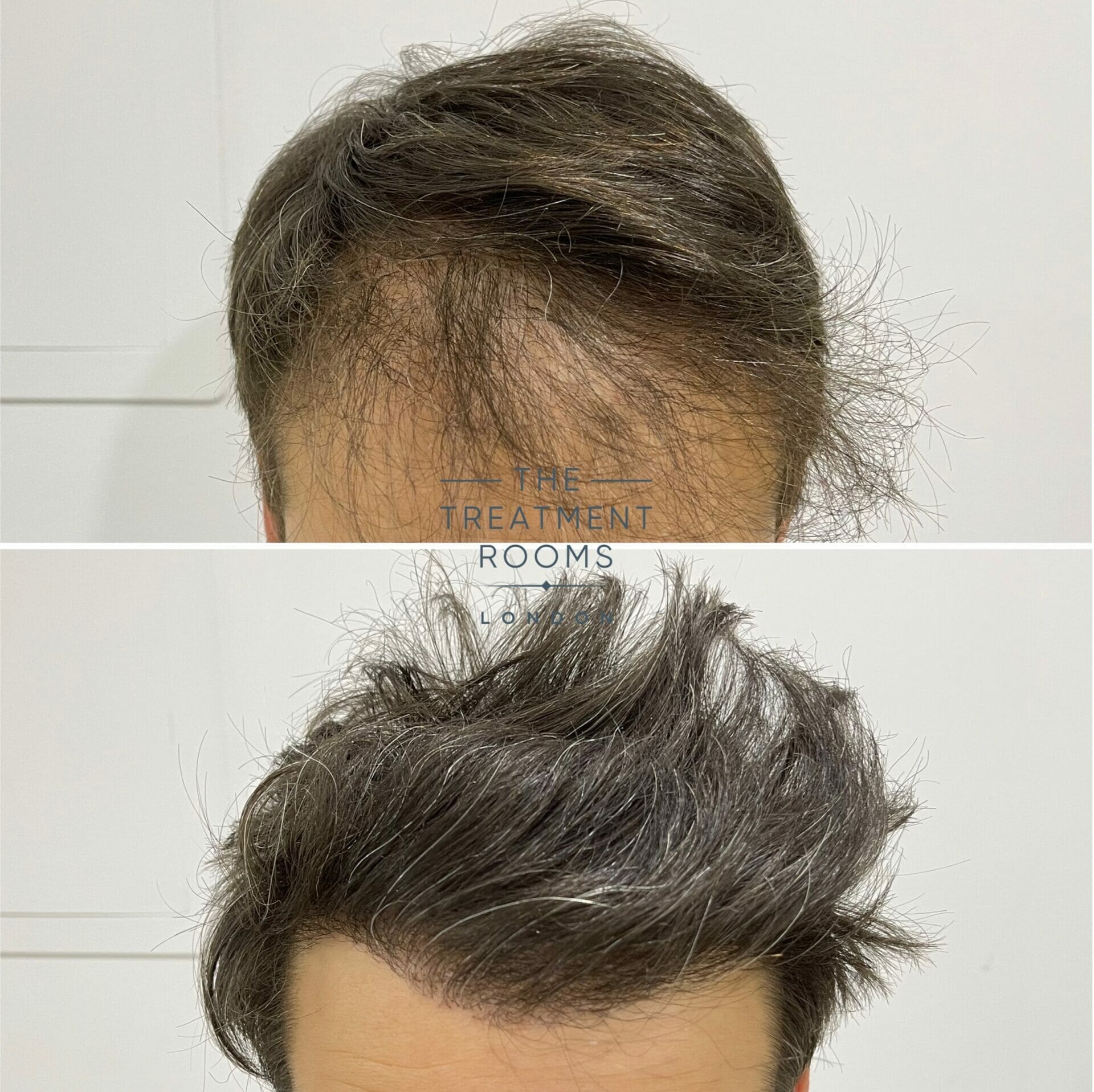
Searching for the right clinic should centre on the treatments they provide, information on their surgeons, and patient hair transplant reviews. You can also check whether they offer consultations and can design a personal treatment plan. Look for ‘before and after’ photos on the clinic’s website, which showcase their past work and demonstrate that they can deliver desirable results.
Attending an in-person consultation
It is essential that you attend a consultation with your surgeon before having a hair transplant. A consultation is an initial meeting that you will attend at a clinic prior to having a hair transplant. It will give you the opportunity to meet the surgeon and their team, as well as see the clinic in person. Your consultation is also a chance for your surgeon to assess your suitability for a hair transplant, confirming that there are no reasons why you shouldn’t have the procedure. You’ll be able to discuss the price, how many hair grafts you will need, and ask any questions you may have relating to the procedure.
It will also allow your surgeon to put together a personal treatment plan based on your hair. You’ll also be talked through the hair transplant procedure, giving you peace of mind when starting your patient journey.
For more information, please read our comprehensive guide on how a hair transplant works.
Preparation for your hair transplant
Preparing correctly for your hair transplant can give you the best chances of success. So long as you follow the preparation instructions you’ll be given before the procedure, there is nothing to worry about. These instructions may include guidelines such as:
- Stop smoking for as long as possible before the procedure, as smoking can affect the healing process and the regrowth of the transplanted follicles
- Avoid medication such as non-steroidal anti-inflammatory drugs (NSAID) and Aspirin, your surgeon will give you specific details of which medications you should avoid or can take
- Stop taking supplements such as vitamins and herbal remedies
Hair transplant recovery and aftercare
So what can you expect after a hair transplant? The recovery and aftercare process is central to getting the best results. After the procedure has finished, you will be prepared for your recovery and aftercare journey and given instructions to follow by your surgeon. You also might like to bear in mind the following tips:
- When going outside, avoid direct sunlight or wear a loose-fitting hooded top to protect your scalp and hairs from the elements for 2 weeks
- If you are given medications in your aftercare package, use them as instructed
- Get plenty of rest in the first four days after the procedure before resuming daily activities
- Don’t wash your hair for the first four days after the procedure
- Avoid scratching your scalp, even if it itches during the healing process. Itching is a natural part of healing, and you should allow the scabs to wash away without picking them
Maintenance of your hair transplant
During the recovery and aftercare process, it’s important to look after and maintain your newly implanted hair follicles. Here’s some advice for hair maintenance following a hair transplant:
- Use a baby shampoo for the first 2 weeks after your hair transplant
- Avoid your scalp being exposed to direct sunlight for the first 2 weeks after the procedure
- Avoid any strenuous exercise for the first two weeks after the procedure
- Wait for your transplanted hair to grow back before you start dyeing it
Any questions on hair transplant preparation or aftercare? Call the experts at The Treatment Rooms London on 020 8706 0076 or get in touch with us via our website.
Share:
Authored by
Dr Roshan Vara
Dr. Roshan Vara is a renowned hair transplant surgeon in London and the Co-Founder of our award winning hair transplant clinic, The Treatment Rooms London.He has over 10 years of experience in hair transplant surgery and is recognised for delivering natural-looking results through ethical, patient-centred care. He is a Full Medical Member of BAHRS and an Associate Member of ISHRS, reflecting his commitment to the highest standards in modern hair restoration.
Reviewed by

Dr Dilan Fernando
Dr. Dilan Fernando is regarded as one of the best hair transplant surgeons in London and Co-Founder of The Treatment Rooms London. He has over 10 years of experience in hair transplant surgery and is known for his meticulous technique and commitment to ethical practice. He served on the Executive Committee of BAHRS from 2020 to 2024, helping to shape industry standards for patient safety and quality of care. Dr. Fernando personally performs each surgery, ensuring natural results built on trust and experience.
Book a Consultation
Related Blogs

Hair Transplant After 7 Days: What To Expect
October 9, 2026
Key takeaways: 7 days after your hair transplant, you can expect to see the scabs in your…

Minoxidil Side Effects: What to Expect, Risks, and How to Manage Them
October 9, 2026
Key takeaways Medications are often a first step people take when tackling pattern baldness. They can help…
What Is A Hair Graft In A Hair Transplant?
October 7, 2026
Key takeaways: What is a Hair Graft in a Hair Transplant? Hair loss can be a distressing…

Widow’s Peak Hair Transplant for Women: Everything You Need to Know
October 6, 2026
Key takeaways: There is no absolute definition of a widow’s peak in women. It is often based…

Has Steve Carell Had a Hair Transplant? What the Evidence Really Shows
October 6, 2026
Key Takeaways Steve Carell is arguably one of the most liked and versatile actors of his generation….

When Can You Drink Alcohol After Your Hair Transplant?
October 6, 2026
Key takeaways: It’s common for our patients to ask us when it is okay to resume drinking…

Has Donald Trump Had a Hair Transplant? Expert Review and What the Evidence Shows
October 6, 2026
Key Takeaways Donald Trump’s hair is one of the most talked about aspects of his appearance; from…
Wayne Rooney Hair Transplant: Expert Analysis of His Hair Loss and Restoration
October 5, 2026
Key takeaways: Wayne Rooney is widely regarded as one of the greatest football talents from England. He…

Understanding Prince Harry’s Hair Loss: Causes and Treatment Options
October 3, 2026
Key Takeaways: Prince Harry, the Duke of Sussex, has lived most of his life in the public…