

An FUE hair transplant is capable of rejuvenating your appearance if you suffer from hair loss. This is a treatment which recreates hair in areas where it has been lost. In the 8 to 12 months following the procedure, your hair will become thicker, but there are important steps which you need to be aware of after undergoing an FUE hair transplant.
One of the most important precautions to take after an FUE hair transplant is avoiding direct sunlight. Many people can choose to have an FUE hair transplant during the summer months when they have more months for recovery, making sun exposure avoidance all the more pertinent.
In this blog, we explain why avoiding sun exposure is important, and offer some advice on how you can protect hair transplanted skin after the FUE treatment.
Why do I need to avoid sun exposure important after an FUE hair transplant?
The skin goes through a degree of surgical trauma during a FUE hair transplant. In this condition, direct exposure to sunlight can be especially dangerous, and damage the areas where grafts have been implanted.
It is important to note that transplanted skin is typically not capable of protecting itself from direct sun exposure in the weeks following a hair transplant. This is because the chromatophores which usually serve to protect the skin when it is exposed to a lot of sunlight, die or become inactive in the process of transplantation. It will take time for them to regenerate and recover.
Too much direct sun exposure not only damages the surface of the treated skin, it can also affect the deeper tissues and cause serious harm.
How long should I avoid sun exposure after a FUE hair transplant?
The Treatment Rooms London advise that you should protect your scalp from direct sunlight exposure for at least 2 weeks following the FUE hair transplant procedure. After this period, if your scalp is exposed to the sun you must be careful to apply the correct sunscreen.
There are several ways in which you can protect your scalp from direct sun exposure after a FUE hair transplant. You can read about them in the following section.
How to avoid sun exposure after a FUE hair transplant
The most effective way of protecting the transplant area from direct sunlight following FUE treatment is by wearing a hat. The hat should provide complete coverage of the transplant area. Remember that simply wearing sunscreen is not a sufficient replacement for a hat – you should actually avoid sunscreen altogether until the incisions from your procedure have healed. Ensure that the hat is not tightly fitting or too loose.
Avoiding direct sun exposure doesn’t mean you need to stay inside on sunny days. Just ensure that your scalp is adequately protected when you do go outdoors.
Even 1-3 months after the procedure, you may choose to continue wearing head protection, as there may still be a degree of scalp hypersensitivity. In general, if you are feeling significant discomfort after three months following the procedure, you should see your Surgeon for advice.
Remember that avoiding sun exposure after an FUE hair transplant is about minimising the risk of any complications while giving yourself the best chance of successful results. Don’t underestimate the potential dangers of UV radiation on transplanted skin. Take the proper measures and keep yourself safe.
Your FUE hair transplant at The Treatment Rooms London
The Treatment Rooms London are committed to making you feel as comfortable as possible throughout the entire FUE hair transplant process. Our hair transplant aftercare service ensures that you have all the right advice during the recovery period. Are you interested in a FUE hair transplant?
Why not take a look at our hair graft calculator to understand how many grafts you might need or, take a look at our dedicated hair transplant cost page to get an idea as to the cost associated with a hair transplant.
Get in touch today and speak with one of our surgeons to find out what The Treatment Rooms London can do for you.
Share:
Authored by
Dr Roshan Vara
Dr. Roshan Vara is a renowned hair transplant surgeon in London and the Co-Founder of our award winning hair transplant clinic, The Treatment Rooms London.He has over 10 years of experience in hair transplant surgery and is recognised for delivering natural-looking results through ethical, patient-centred care. He is a Full Medical Member of BAHRS and an Associate Member of ISHRS, reflecting his commitment to the highest standards in modern hair restoration.
Reviewed by
Dr Dilan Fernando
Dr. Dilan Fernando is regarded as one of the best hair transplant surgeons in London and Co-Founder of The Treatment Rooms London. He has over 10 years of experience in hair transplant surgery and is known for his meticulous technique and commitment to ethical practice. He served on the Executive Committee of BAHRS from 2020 to 2024, helping to shape industry standards for patient safety and quality of care. Dr. Fernando personally performs each surgery, ensuring natural results built on trust and experience.
Book a Consultation
Related Blogs

Elton John and His Hair Transplant Journey: Expert Analysis and All You Need to Know
September 15, 2026
Key Takeaways: Sir Elton John has had, quite simply put, a great music career to date. Since…
Minoxidil For Eyebrows – Does It Work?
September 15, 2026
Key Takeaways: Eyebrows are a hugely important feature in humans for communication, facial expression, and identity. They…
Did Antonio Conte Have a Hair Transplant? Expert Analysis of His Hair Loss and Recovery
September 14, 2026
Key Takeaways: Antonio Conte is a successful football manager with extensive managerial experience and trophies to his…

When Can I Shave My Head After a Hair Transplant?
September 11, 2026
Key Takeaways: After your hair transplant, there can be a noticeable contrast between the closely cropped donor…
How Much Hair Loss Per Day Is Normal for Men
September 10, 2026
Key Takeaways: Perhaps you have noticed extra hair in the shower after you have finished washing or…
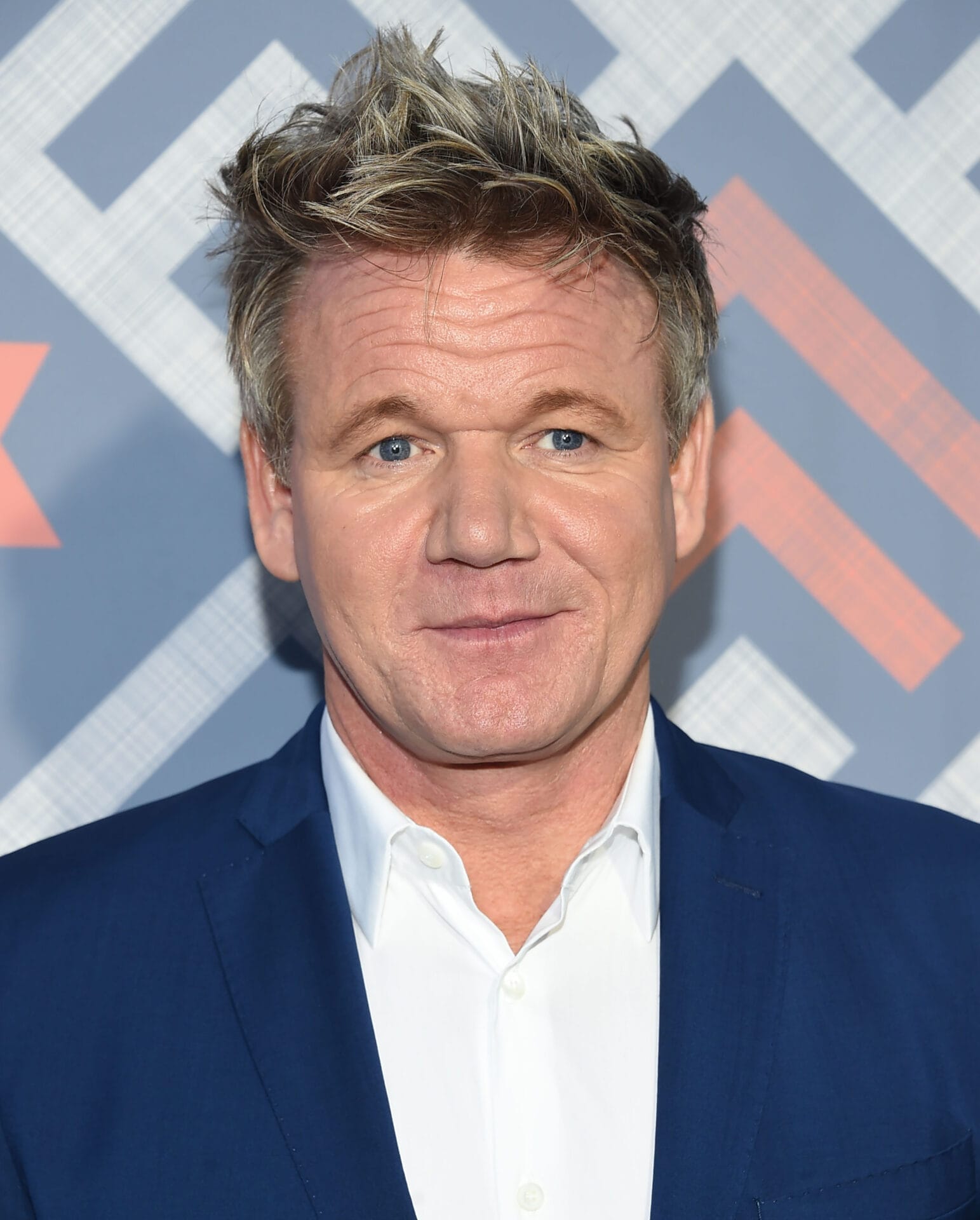
Gordon Ramsay Hair Loss: Expert Analysis and Before & After Pictures
September 10, 2026
Key Takeaways: Gordon Ramsay is arguably Britain’s most recognisable chef. Michelin-starred and famously fiery. He has been…

Retrograde Alopecia: Causes, Symptoms, and Treatment Options
September 9, 2026
Key Takeaways: Retrograde alopecia has always been recognised as a phenomenon where the hair loss starts at…
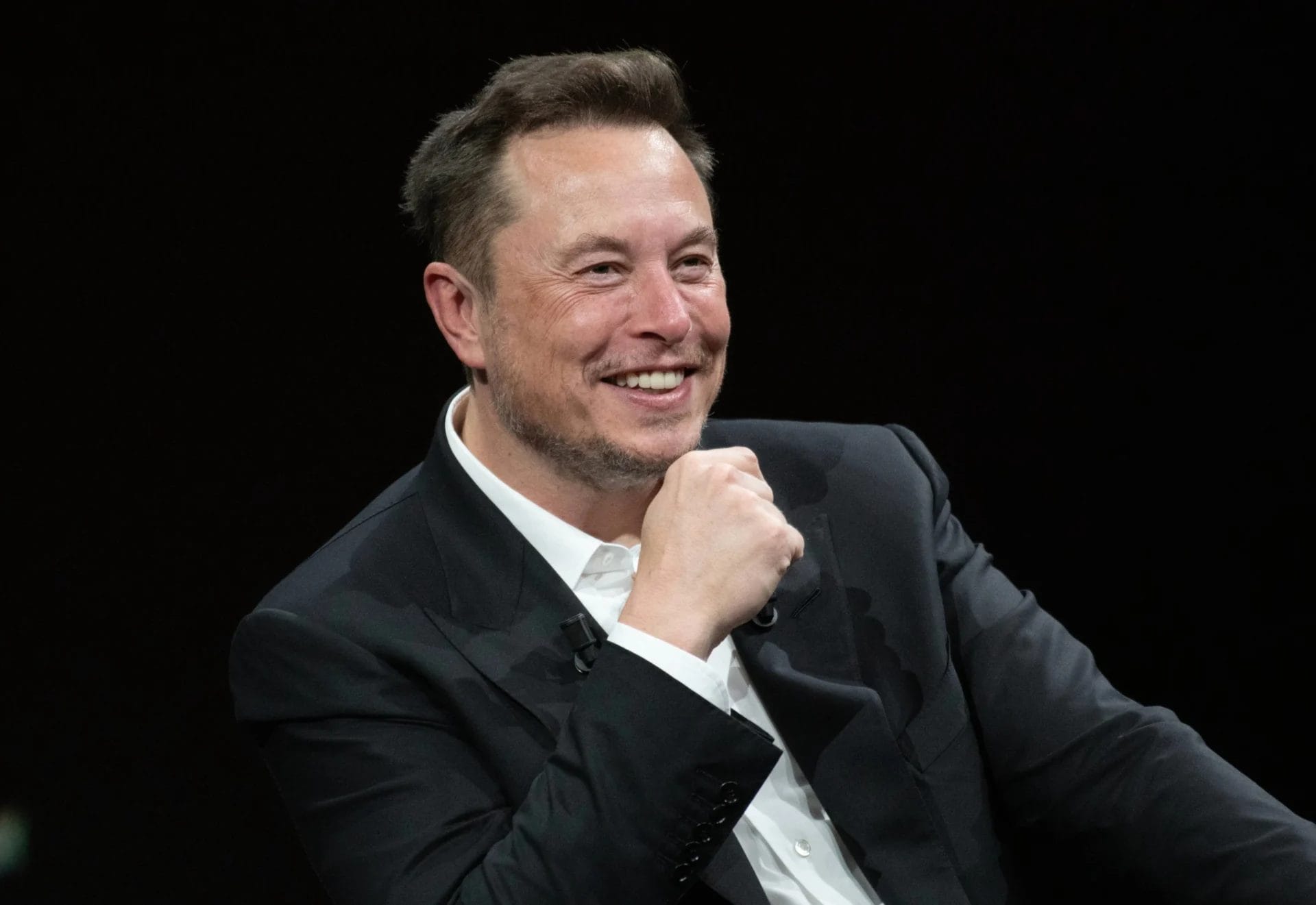
Elon Musk Hair Transplant: Before, After, and His New Hairline
September 9, 2026
Key Takeaways: A successful entrepreneur with a strong reputation for reshaping industries, Elon Musk is one of…
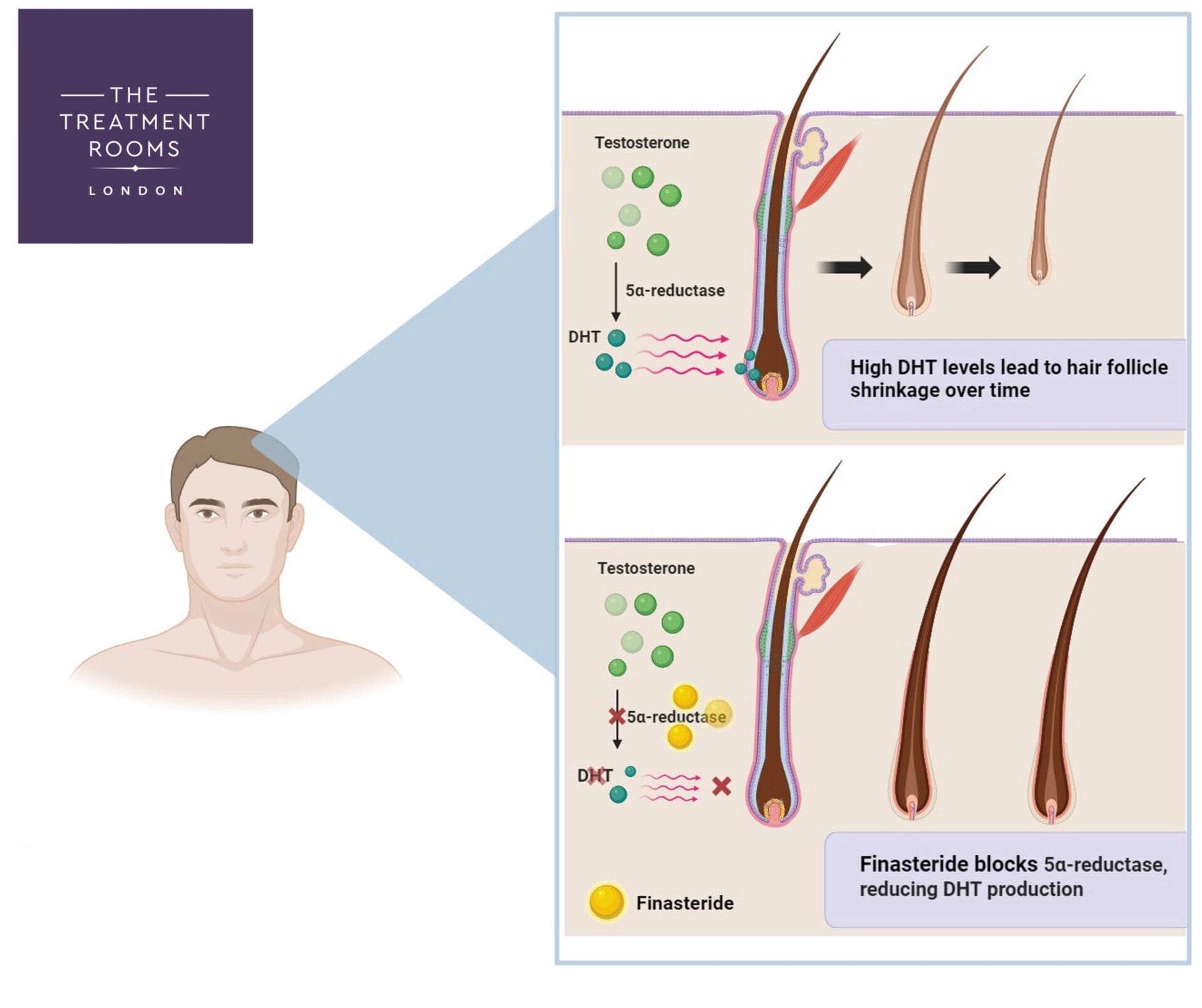
Finasteride vs Dutasteride for Hair Loss: Key Differences, Results and Side Effects
September 7, 2026
Key Takeaways When it comes to hair loss, you may have heard of 2 treatments called Finasteride…