

High density hair transplant surgery requires a Surgeon to implant grafts at a density between 50-60 grafts per cm2 to achieve a result that almost mimics natural hair density for a patient.
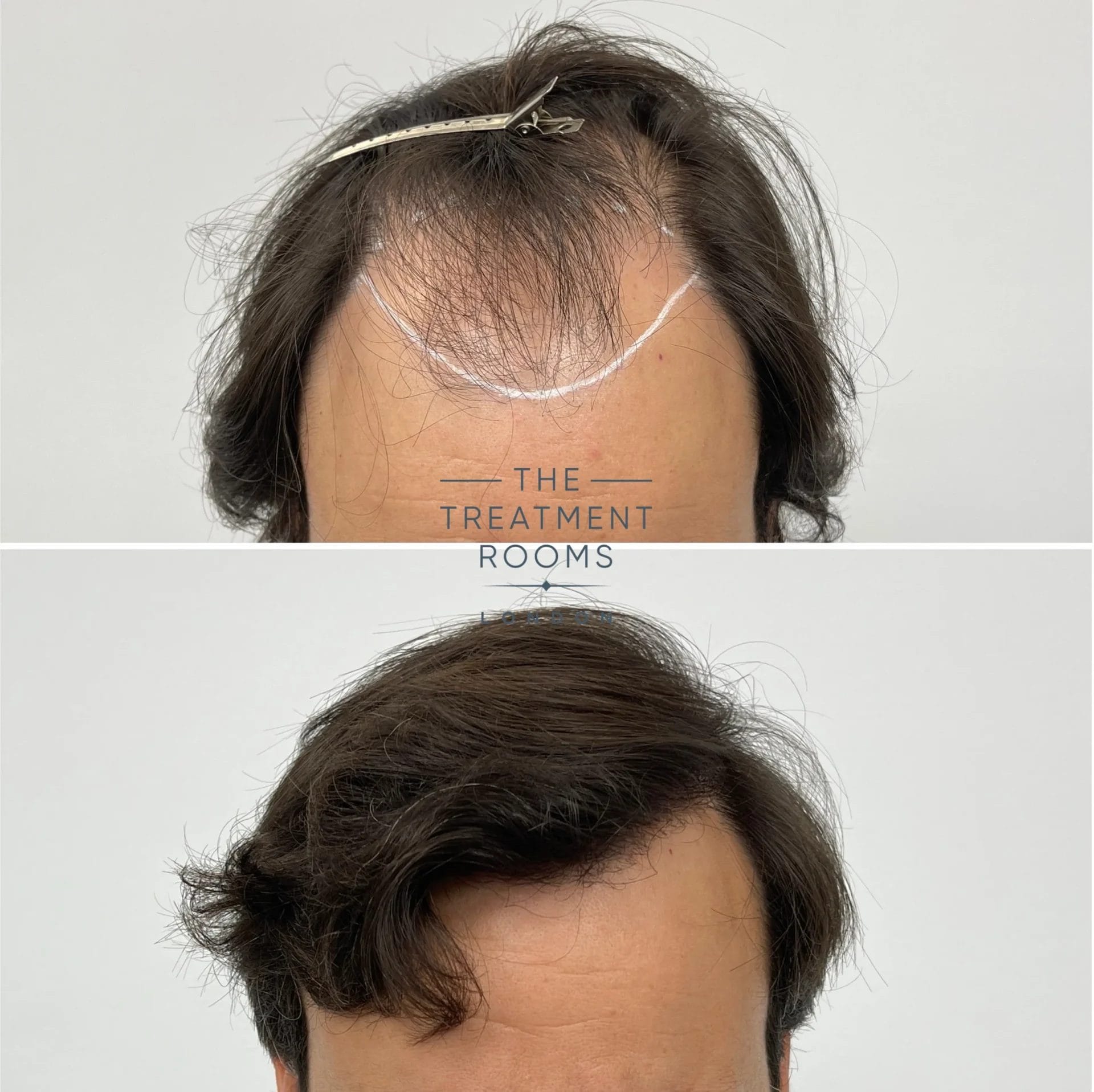
In most hair transplant procedures, hair is re-implanted at a density between 35-45 grafts per cm2. This tends to give a natural result that blends with existing hair styles. Sometimes, a patient and Surgeon may plan a high density hair transplant but the choice isn’t so straightforward. In this guide we explain what is high density hair transplant surgery and the main considerations Surgeons will make when counselling patients to see if they are eligible for the technique.
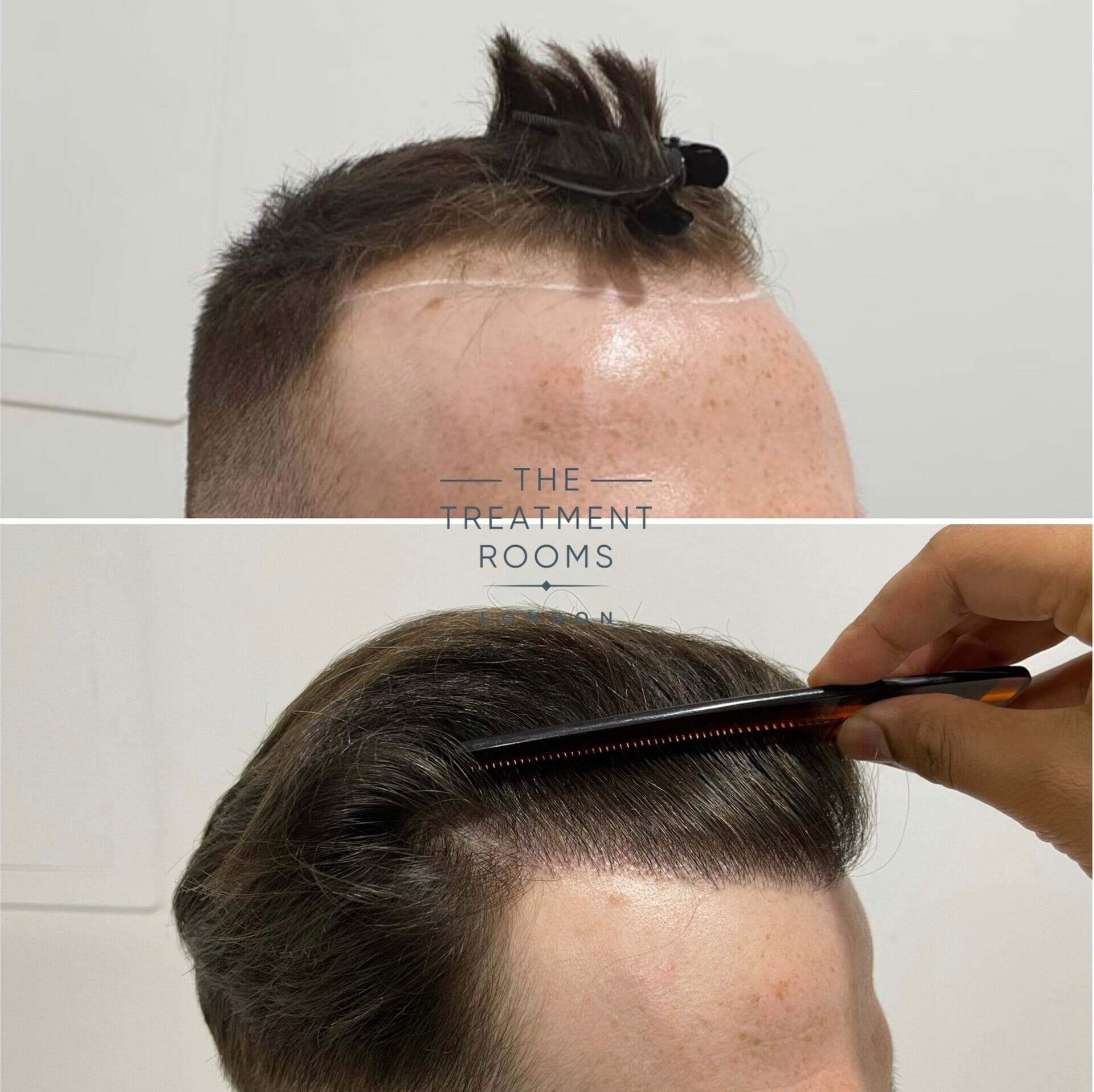
High density hair transplants can give some amazing results but this cannot be planned for every patient I see. I need to see all my patients to plan their surgery and in that consultation we discuss the planned density for their procedure.
Dr Roshan Vara, Hair Transplant Surgeon and Co-Founder at The Treatment Rooms London
Hair Transplant Surgery
Hair transplant surgery involves transplanting grafts (hair) from the back and sides of the scalp to an area of thinning or balding. There are 2 main techniques for extracting the hair:
- FUE Hair Transplant Surgery– this involves cutting each hair individually out, leaving small dot-like scars where they have been taken out, spread across the back and sides of the scalp that are concealed easily with shorter hair cuts
- FUT Hair Transplant Surgery– this involves cutting a strip of skin from the back of the head, leaving a long- line scar that will need to longer hair to conceal
Hair density explained
Hair density refers to how many hairs or hair grafts you have per cm2. There is a physical limitation to how close hair can be implanted to each other in hair transplant surgery with the majority of patients receiving 35-45 grafts per cm2. This will tend reflect 50-60% of the natural hair density in the scalp. Although it is not 100% of the natural hair density, it doesn’t need to be. The end result will often blend well with the natural hair and the end result will often depend on a number of other variables, such as:
High density hair transplant surgery
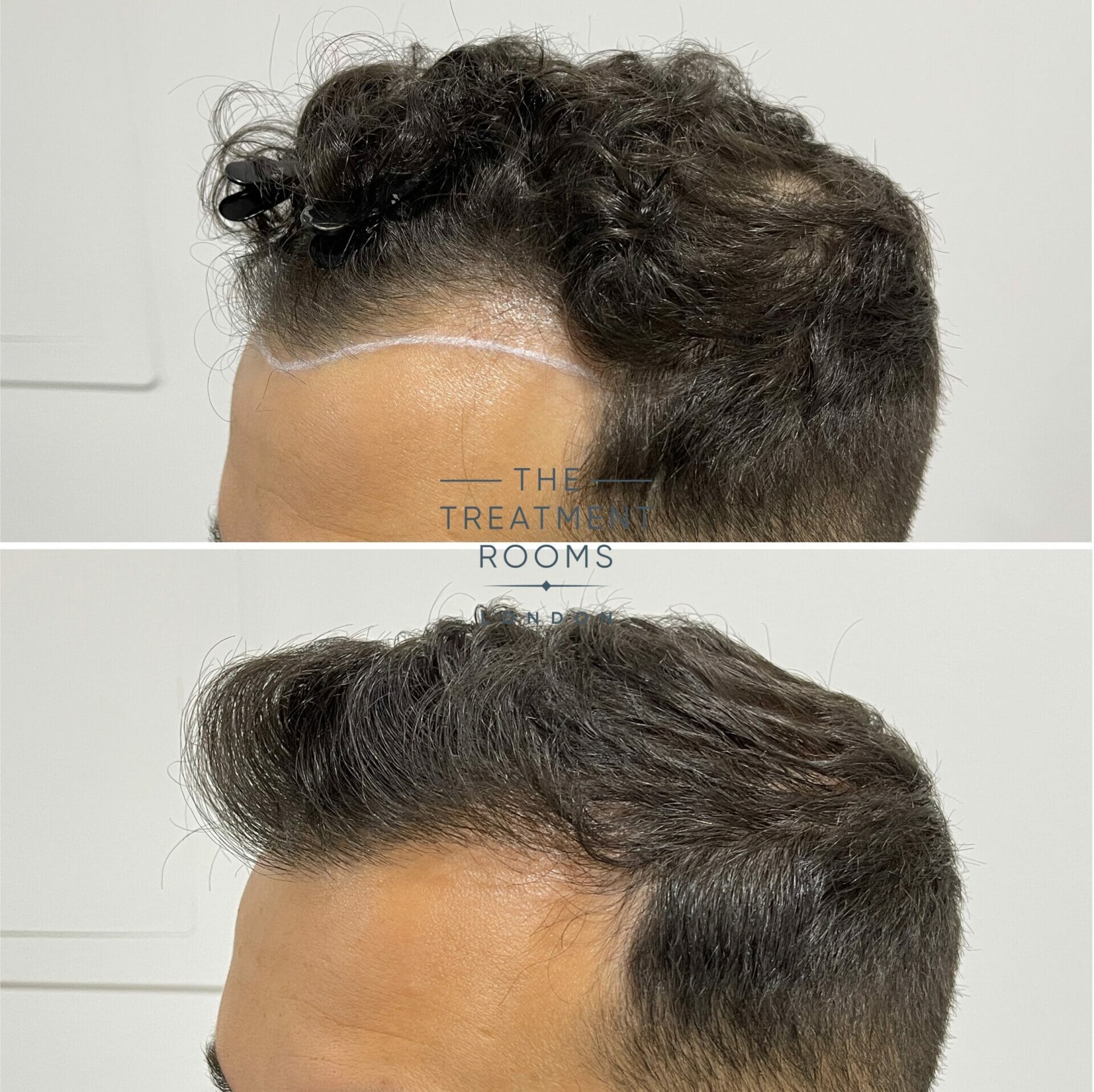
Grafts can be implanted at a higher density. This tends to range between 50-60 grafts per cm2. At this level of density, the result often mimics 70-80% of natural hair density with almost undetectable difference between native hair and transplanted hair.
Attempting to transplant beyond this density is risky and also pushes the limit on how close each hair can physically be implanted during hair transplant surgery.
Opting for a high density hair transplant
The choice to have a high density hair transplant should lie with a hair transplant surgeon. They will make a decision balancing how best to achieve your surgical plan and the risks of implanting hair at a high density.

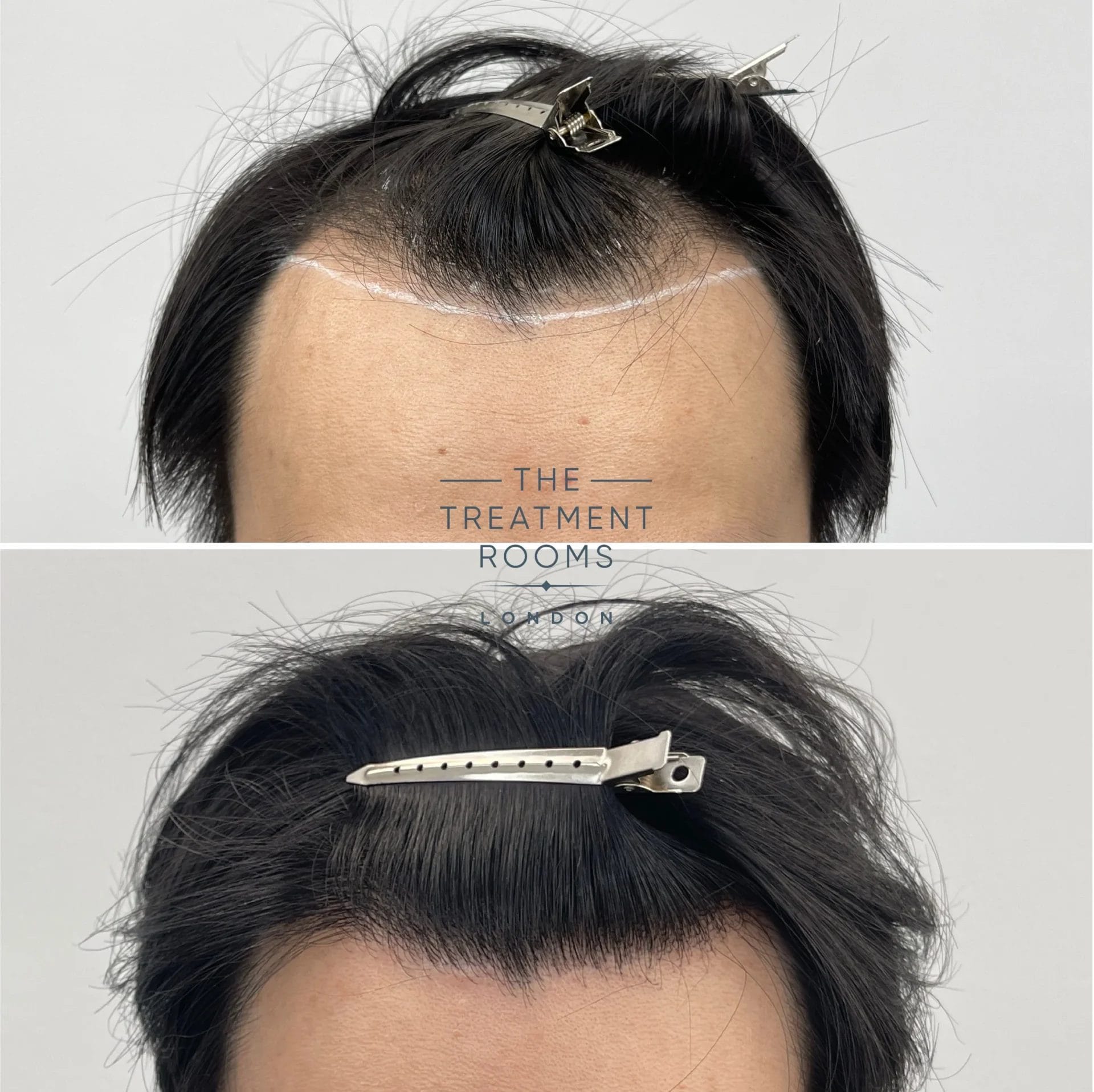
Normally those who require hairline or small crown hair transplant surgery and have stabilised their hair loss with medications are good candidates for high density hair transplant surgery. During surgery, the hair implanted right at the front of a hairline will be at a higher density than implanted hair behind. This is done to achieve a natural result.
We have a large gallery of before and after cases including those who have had high density hair transplant surgery. You can view these on our website here: Hair Transplant Before and After.
Risks of high density hair transplant surgery
The majority of patients are not eligible for a high density hair transplant. By implanting hair too close to each other, you risk the newly implanted hairs attempting to grow too close to each other and “competing” for space. This will result in the hair not growing at all.
There are other risks associated with undergoing such surgery. By implanting hairs very close to each other, you can risk over-traumatising the skin resulting in the skin not healing and becoming necrotic (skin death). This again results in the implanted grafts not growing.
Smoking and high density hair transplant surgery
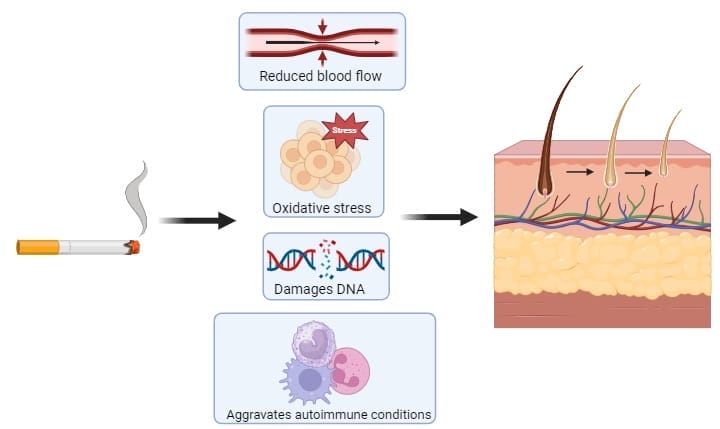
Patients with a history of smoking are particularly at risk of skin death and should not have high density hair transplant surgery. Smoking cigarettes can impair wound healing and risk the skin and hair transplant not healing appropriately. You can read more about this in our dedicated article, does smoking affect your hair transplant?
How is a high density hair transplant achieved?
At The Treatment Rooms London, we primarily achieve our high density hair transplants using implanter pens. This gives us greater precision and control over the direction, angulation and density of the hairs we are implanting.
The implanter pens create a channel and insert the hair at the same time- direct hair implantation (DHI) method. Implanter pens can also insert the hair into a pre-made incision. Either technique can be used to achieve a high density hair transplant. Our Surgeons are experts in using either or both techniques for patients. The technique of DHI can be seen in the video below:
The surgery is more laborious and uses more grafts than a normal, medium density hair transplant. Some patients may require 2 sessions of surgery spaced 6-12 months apart to achieve a high density hair transplant. This is often the case for large frontal hairlines or crown hair transplant surgeries.
High Density Hair Transplant Cost
The typical cost for a high density hair transplant ranges between £5,000 and £10,000 at The Treatment Rooms London. The exact price is dependent on the number of grafts and plan required for your procedure. You may opt for an unshaven hair transplant. You can calculate the approximate number of grafts required for your surgery by using our graft calculator.
High density hair transplant recipient site recovery
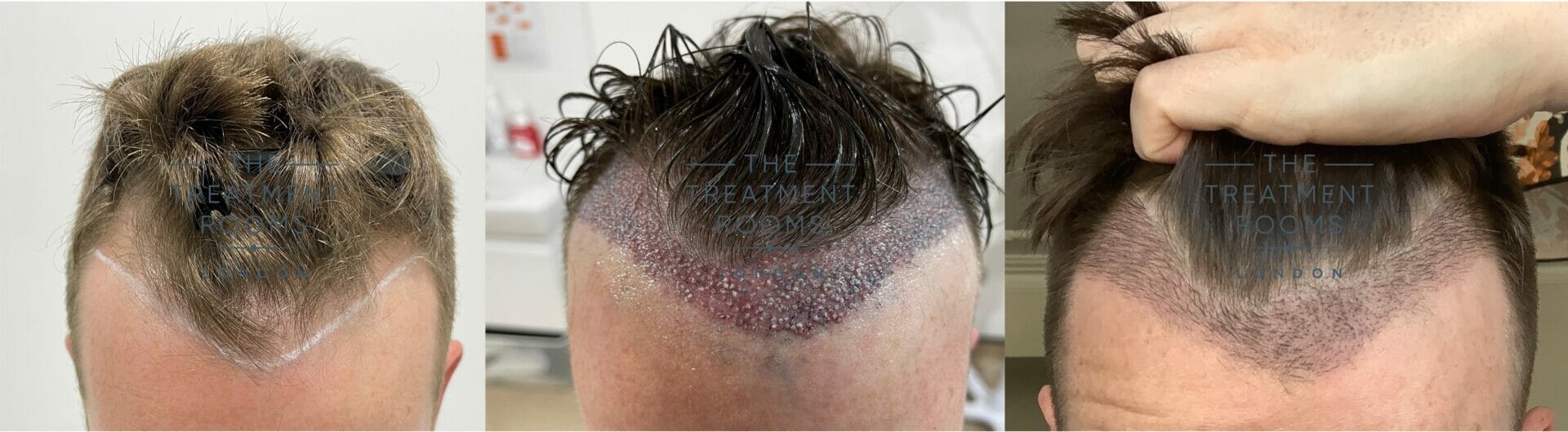
The recovery following a high density procedure is much the same as a normal procedure. You may find you are slightly more red in the recipient site but this will subside. You scabs will wash away after surgery within 7-14 days post hair transplant surgery. This will leave you wish just your transplanted hair which will shed before growing again in the timeline following the procedure. You can expect to see your results grow through after 9-12 months following the procedure.
High density hair transplant donor area recovery
The donor area will recover much the same as a normal density hair transplant. There is no difference in the timeframe for the recovery. You can see the donor area recovery of a patient below and how quickly he has healed following surgery by Dr Fernando at The Treatment Rooms London.

High density hair transplant with The Treatment Rooms London
The Treatment Rooms London is a renowned Surgeon-led hair transplant clinic specialising in surgery for men, women and transgender patients. If you are interested in surgery, book a consultation with one of our Surgeons – call 020 8706 0076 or contact the team via our website.
Share:
Authored by
Dr Roshan Vara
Dr. Roshan Vara is a renowned hair transplant surgeon in London and the Co-Founder of our award winning hair transplant clinic, The Treatment Rooms London.He has over 10 years of experience in hair transplant surgery and is recognised for delivering natural-looking results through ethical, patient-centred care. He is a Full Medical Member of BAHRS and an Associate Member of ISHRS, reflecting his commitment to the highest standards in modern hair restoration.
Reviewed by

Dr Dilan Fernando
Dr. Dilan Fernando is regarded as one of the best hair transplant surgeons in London and Co-Founder of The Treatment Rooms London. He has over 10 years of experience in hair transplant surgery and is known for his meticulous technique and commitment to ethical practice. He served on the Executive Committee of BAHRS from 2020 to 2024, helping to shape industry standards for patient safety and quality of care. Dr. Fernando personally performs each surgery, ensuring natural results built on trust and experience.
Book a Consultation
Related Blogs
Finasteride vs Dutasteride for Hair Loss: Key Differences, Results and Side Effects
September 7, 2026
Key Takeaways When it comes to hair loss, you may have heard of 2 treatments called Finasteride…
Has Joe Swash Had a Hair Transplant? His Hair Journey Explained
September 6, 2026
Key Takeaways Joe Swash is a popular actor and presenter best known for his role in EastEnders…

Which Illnesses Can Cause Hair Loss? Common Medical Causes Explained
September 5, 2026
Key Takeaways: In this article, we explore which illnesses can cause hair loss, what are the signs…
Oral Minoxidil for Hair Loss: How It Works, Results, and Side Effects
September 3, 2026
Key Takeaways: Minoxidil as a treatment for hair loss has been noted since the 1970s, at which…

Did John Cena Get a Hair Transplant? An Expert Analysis of His Hairline
September 3, 2026
Key Takeaways: Professional wrestler turned Hollywood actor John Cena has been a household name for over two…

Analysing Lewis Hamilton’s Hair Loss: Before & After and All You Need to Know
September 2, 2026
Key Takeaways: Lewis Hamilton is widely considered to be one of the greatest Formula One drivers of…
Receding Hairline In Women – What You Need To Know
September 2, 2026
Key Takeaways: We normally associate a receding hairline with male pattern baldness. However, women can experience it…

Mo Salah Hair Transplant: Expert Analysis and All You Need to Know
September 2, 2026
Key Takeaways: Mohamed Salah is one of the most celebrated football talents with a career that has…

Understanding Hair Loss in People with Trichotillomania
August 29, 2026
Key Takeaways: What Is Trichotillomania? Trichotillomania, also known as trich, is a condition where people cannot control…