

Posts by Dr Roshan Vara
Sideburn Hair Loss and Sideburn Hair Transplant Surgery- What You Need To Know

Interestingly, androgenic alopecia or male pattern baldness that mostly occurs on the scalp is not the only type of hair loss. Generally, hair loss can occur in different parts of the body. While the one that occurs on the scalp tends to get most of the attention, others that occur in front of the face…
Read MoreTaking Dutasteride After A Hair Transplant

Dutasteride can help prevent hair loss and is often considered after a hair transplant to preserve your natural hair and ensure your results last longer. What is Dutasteride? Dutasteride is a synthetic compound that’s used mainly for the treatment of benign prostatic hyperplasia (BPH) in men with an enlarged prostate. The medication also helps prevent…
Read MoreTraction Alopecia – What You Need To Know
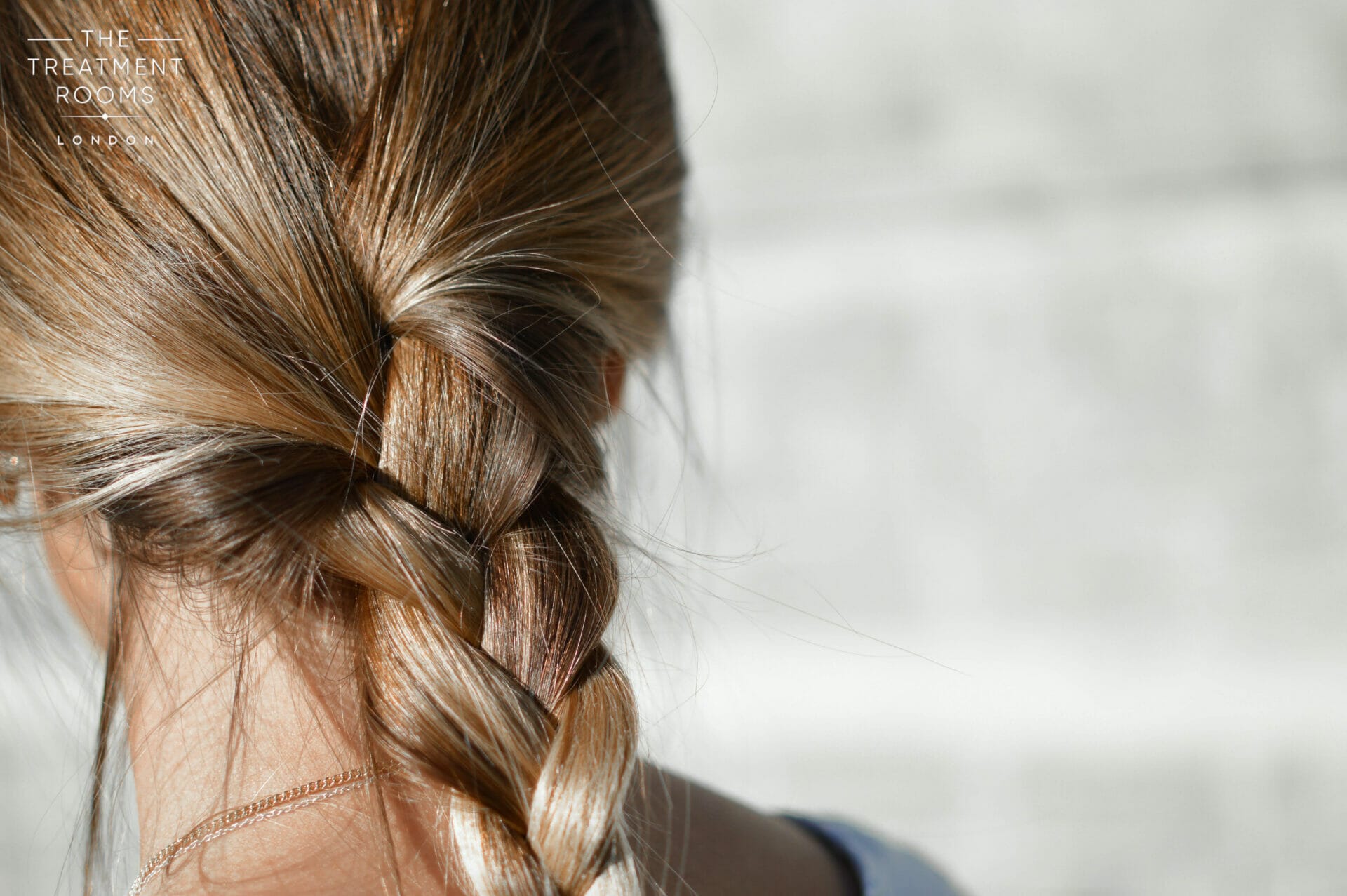
Traction alopecia is a form of hair loss caused by consistent, strong pulling of the hair during styling and grooming, resulting in trauma to the hair follicles and, consequently, hair loss. This blog aims to take you through everything you need to know about traction alopecia, including its symptoms, causes, treatment and prevention tips. What…
Read MoreTaking Biotin After Hair Transplant

After having a hair transplant, some of the most important things that can shape the success of your surgery are the post-surgery instructions and medications our Surgeons will give to you. You may also choose to take certain medications or supplements that can speed up the healing process of your scalp, accelerate hair growth and…
Read MoreAlopecia Universalis- What You Need To Know
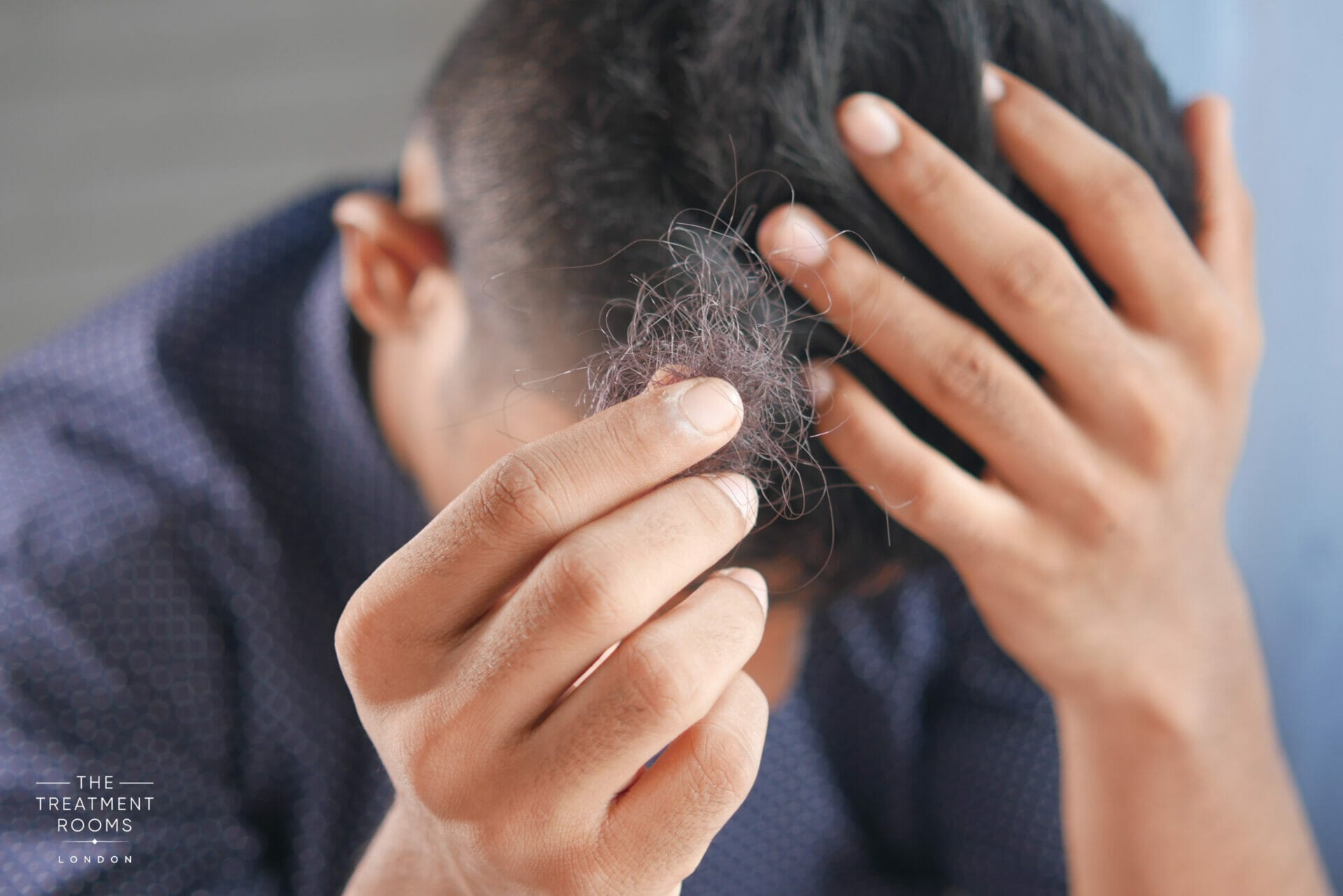
Alopecia Universalis is a rare autoimmune disorder that causes total body and scalp hair loss. It can be very distressing to live with and can affect people of any age. In this article, we’ll go through what you need to know about Alopecia Universalis from the symptoms and diagnosis to treatment options and tips on…
Read MoreCan you wear a cap after a hair transplant?
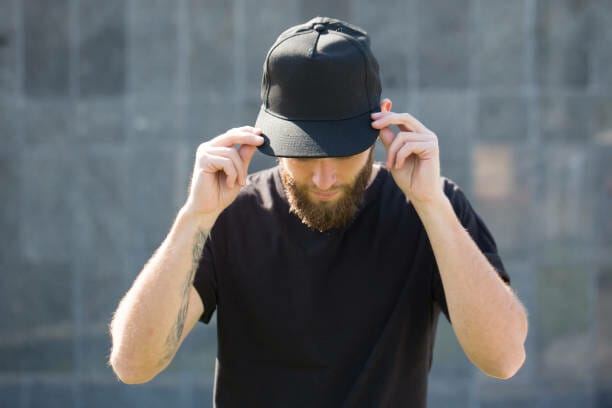
You can wear a cap immediately after having your hair transplant. You will need to get a large snap-back or “trucker’s” cap that sits around the front and back of your head, creating a dome over your transplanted area so it doesn’t touch it. When you book your surgery with our clinic, our Surgeons can…
Read MoreFUE Vs FUT: Which Hair Transplant Is Best For You?
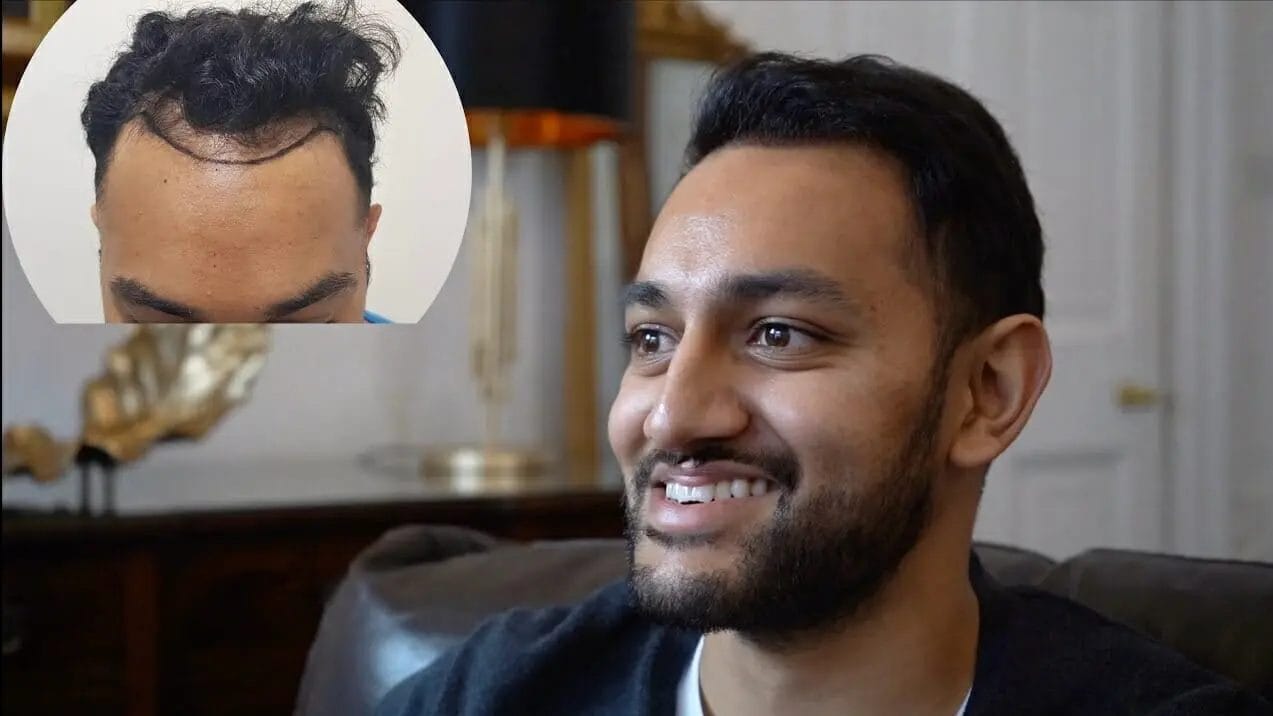
The two main techniques of hair transplant surgery are FUE and FUT. Choosing the right hair transplant technique for you can be hard and requires careful analysis of your shaving preferences and how much hair loss you have suffered. In this article, we compare and contrast the FUE and FUT hair transplant techniques, giving you…
Read MoreA Guide to High Density Hair Transplantation
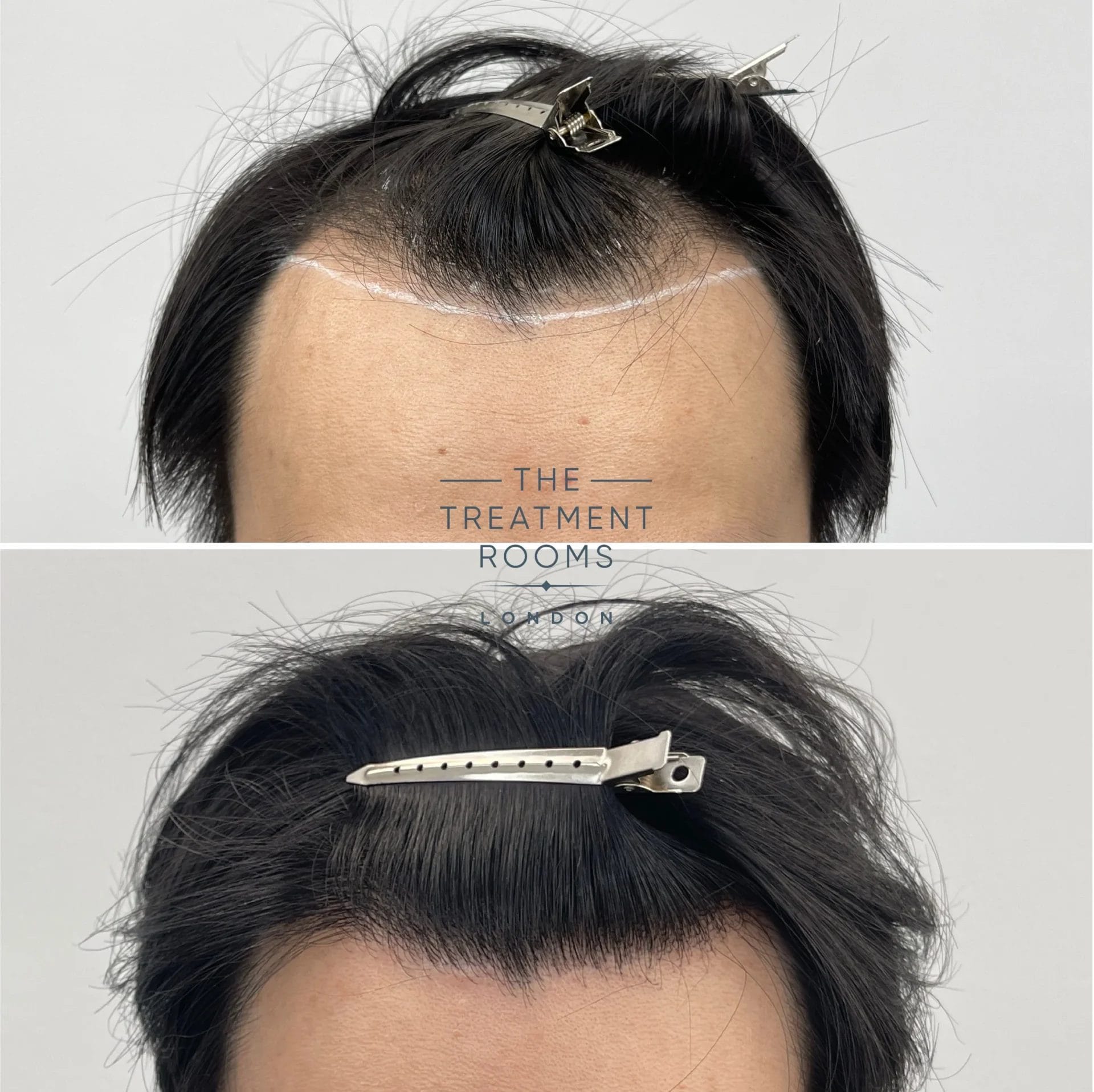
High density hair transplant surgery requires a Surgeon to implant grafts at a density between 50-60 grafts per cm2 to achieve a result that almost mimics natural hair density for a patient. In most hair transplant procedures, hair is re-implanted at a density between 35-45 grafts per cm2. This tends to give a natural result…
Read MoreDirect Hair Implantation (DHI) Hair Transplant Surgery
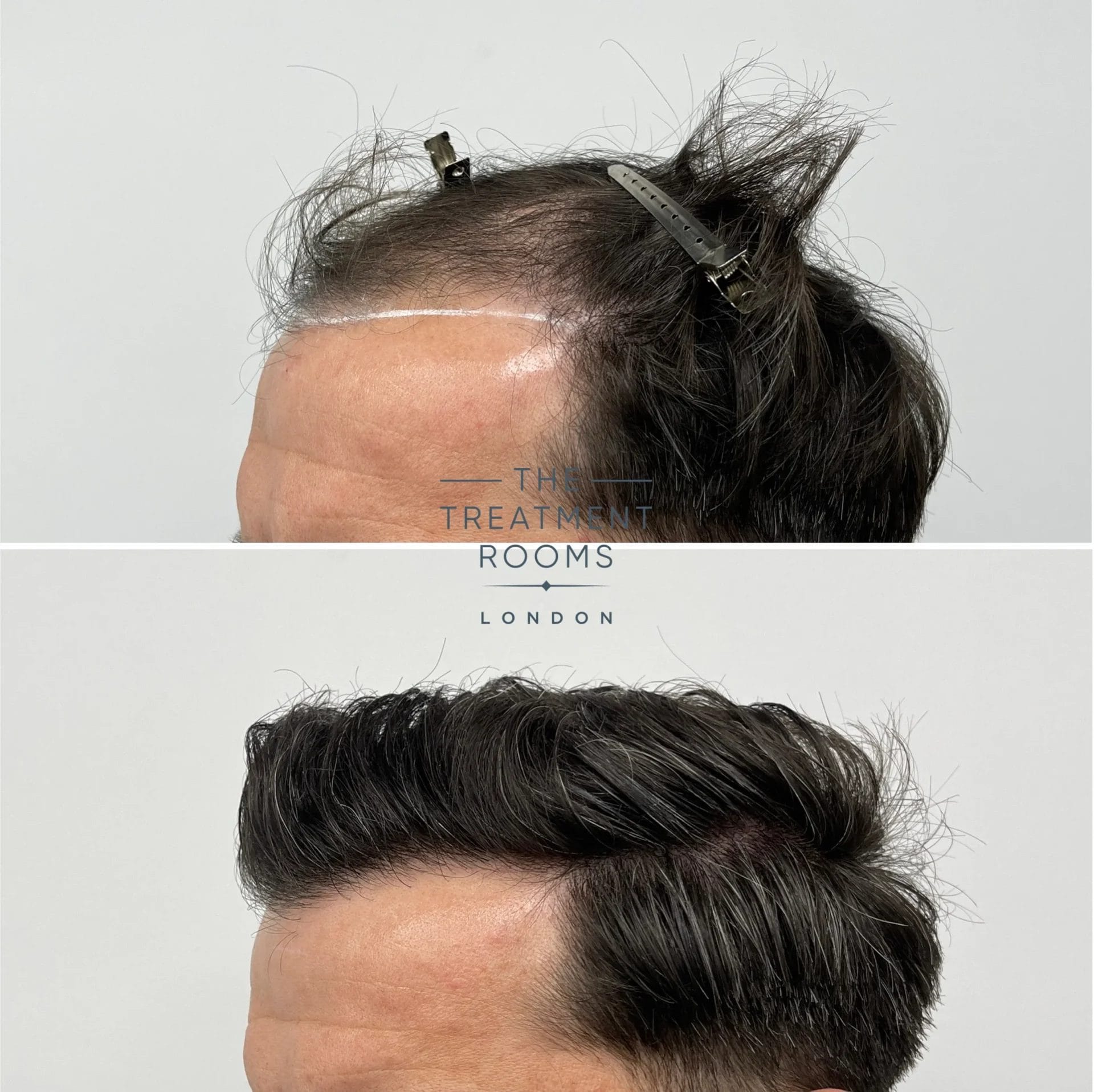
What is a DHI Hair Transplant? “DHI” stands for “Direct Hair Implantation” and is ultimately a marketing term used by many clinics. It often refers to when your hair transplant surgeon utilises a specialised sharp implanter pen to re-implant hair into the scalp and the latest guidance by the International Society of Hair Restoration Surgery…
Read MoreWhat is Caffeine Shampoo & Does it Really Work For Hair Loss?
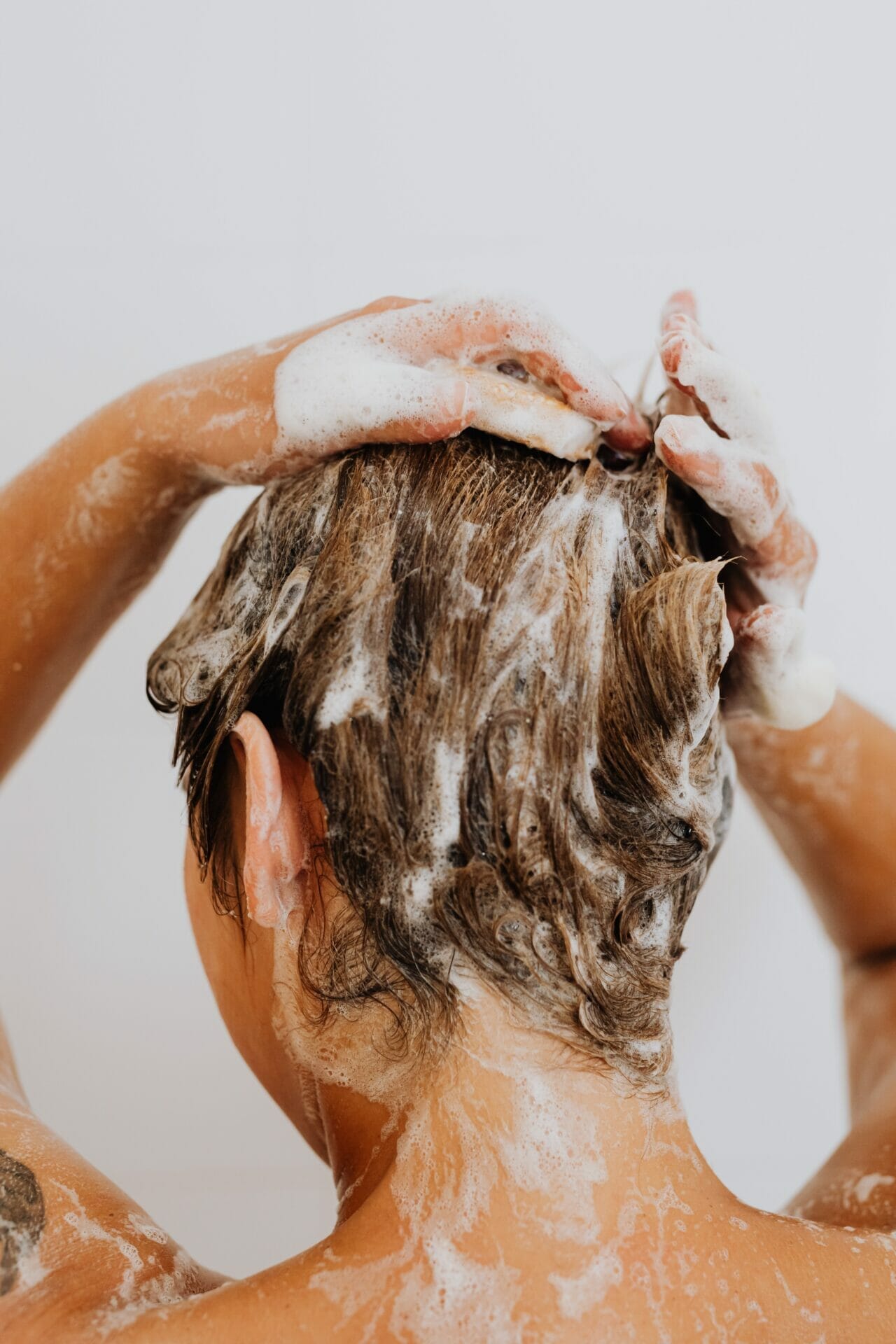
Key Takeaways Caffeine, best known for kickstarting your morning, has also been demonstrated in lab trials to increase hair follicle activity and minimise hair loss shedding in people with genetic hair loss.1 For many, the search for an affordable solution leads them to over-the-counter products like caffeine shampoo. Now brands have marketed caffeine shampoo as…
Read MoreHow Long Does It Take After A Hair Transplant For The Grafts To Become Secure?
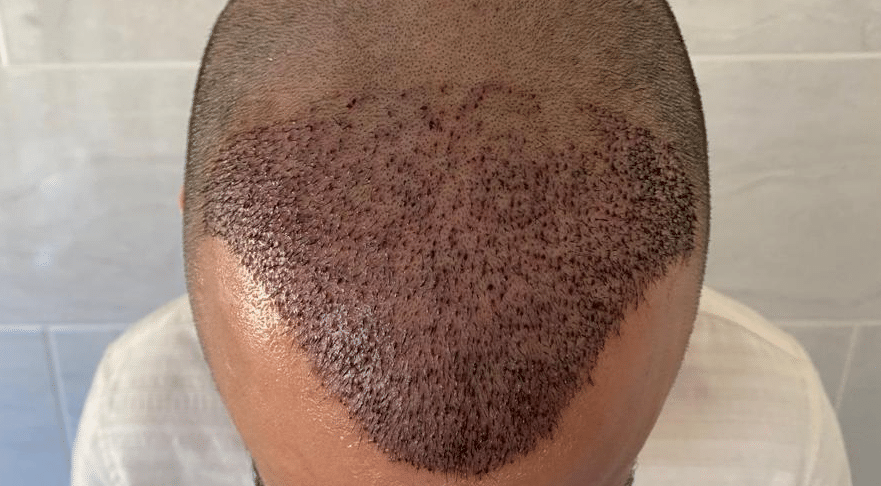
It takes approximately 10-14 days for newly implanted grafts to become secure after a hair transplant. You must be extra careful not to hit or damage these newly implanted grafts in the first 10-14 days. This is important to know as it affects your hair transplant aftercare and recovery, your return to work, and your…
Read MoreWhen To Exercise After A Hair Transplant?

You can exercise after 2 weeks have passed following an FUE hair transplant. In the first 2 weeks you should avoid sweating or straining, as both occur during exercise and can pose a risk to your transplanted grafts. Patients who are looking to play contact sports (e.g. Rugby, Football, boxing) or swimming must avoid these…
Read MoreWhat Is The Best Age To Get A Hair Transplant?

There is no best age for a hair transplant. A hair transplant should only be considered in a patient who’s hair loss has stabilised or stopped either naturally (between the ages of 30-55) or with medications like Finasteride or Minoxidil. Patients can expect to lose their hair across their lifetime which impacts their hair transplant…
Read MoreAfro Hair Transplant UK – Cost, Techniques and Results
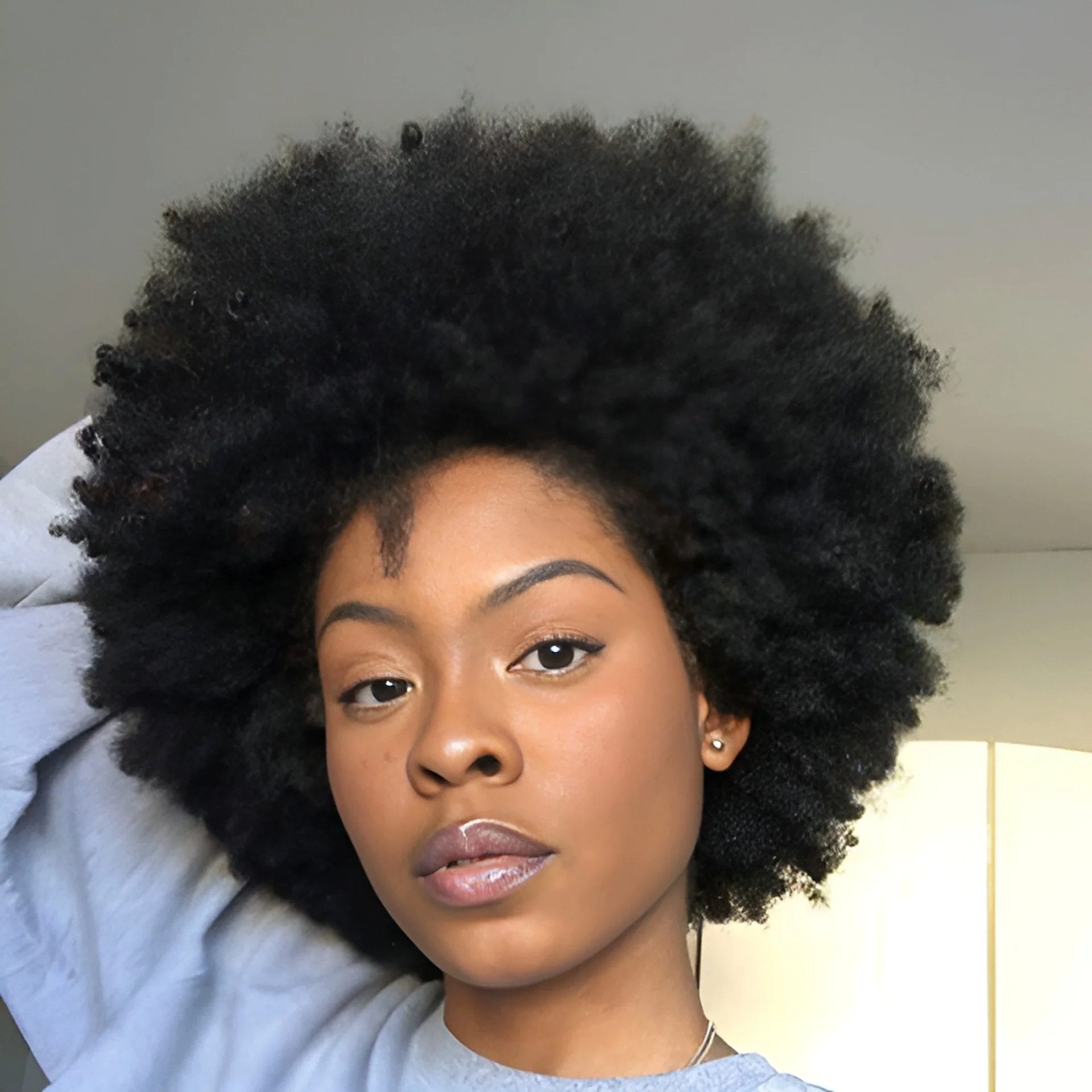
Afro-textured hair is typically characterised by tightly coiled, coarse, wiry hair strands. It is entirely possible to perform hair transplants on individuals with Afro-textured hair; however, specialised techniques and skills are required to manage the curl pattern and ensure a natural, successful result. Why is Afro hair so Unique? Afro hair is known for its…
Read MoreHair transplant After 1 Month
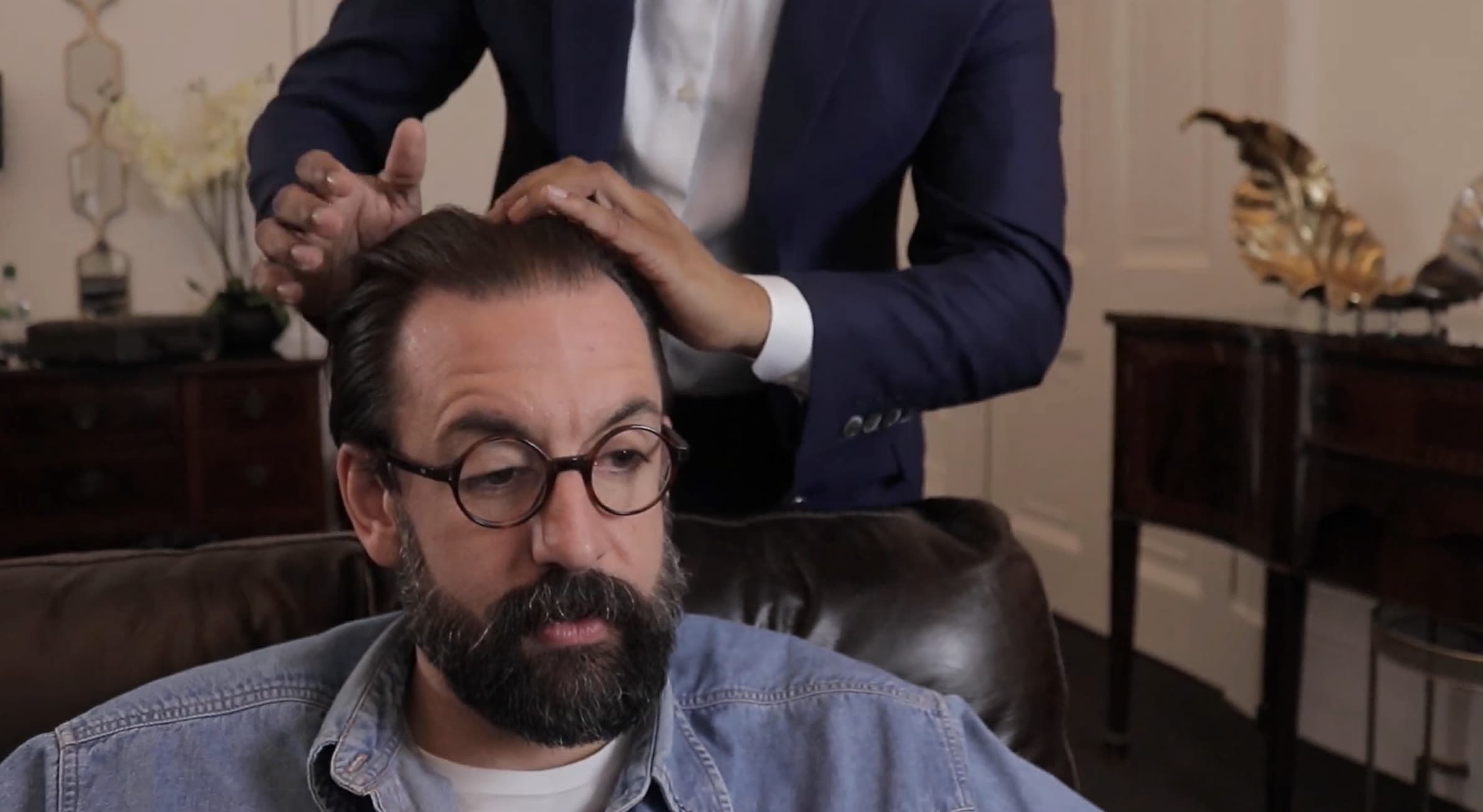
At 1 month after a hair transplant you can expect your newly implanted hair in your hairline or crown to start falling out. You may also have some mild redness present where your newly implanted hairs have been placed. The rest of your scalp should have healed entirely by this point although you may report…
Read MoreDo You Need To Take Minoxidil After A Hair Transplant?
Minoxidil is a medication that is used to promote hair growth and prevent hair loss. It is recommended to take Minoxidil after having a hair transplant- as it helps to prevent ongoing hair loss, preserving a hair transplant result for longer. Below, you can watch a video of one of our patients who took Minoxidil…
Read MoreCan You Go On Holiday After Your Hair Transplant?

The short answer is yes. You are safe to take a short-haul flight 7 days after your hair transplant and a long-haul flight 14 days after. This is to allow the swelling in your scalp to reduce and avoid risking injury to your new grafts and overall health. However, there are still important things to…
Read MoreDid David Beckham Have a Hair Transplant? An Expert Analysis of His Hair Loss and Results

Key Takeaways: David Beckham is amongst the greatest English footballers to have graced the game. Legendary for his footballing prowess and iconic for his style and glamour off the pitch. From his ability to inspire men’s fashion and professional success, he has inspired footballers for generations and continued to break new ground in sports business.…
Read MoreIs A Hair Transplant Painful?
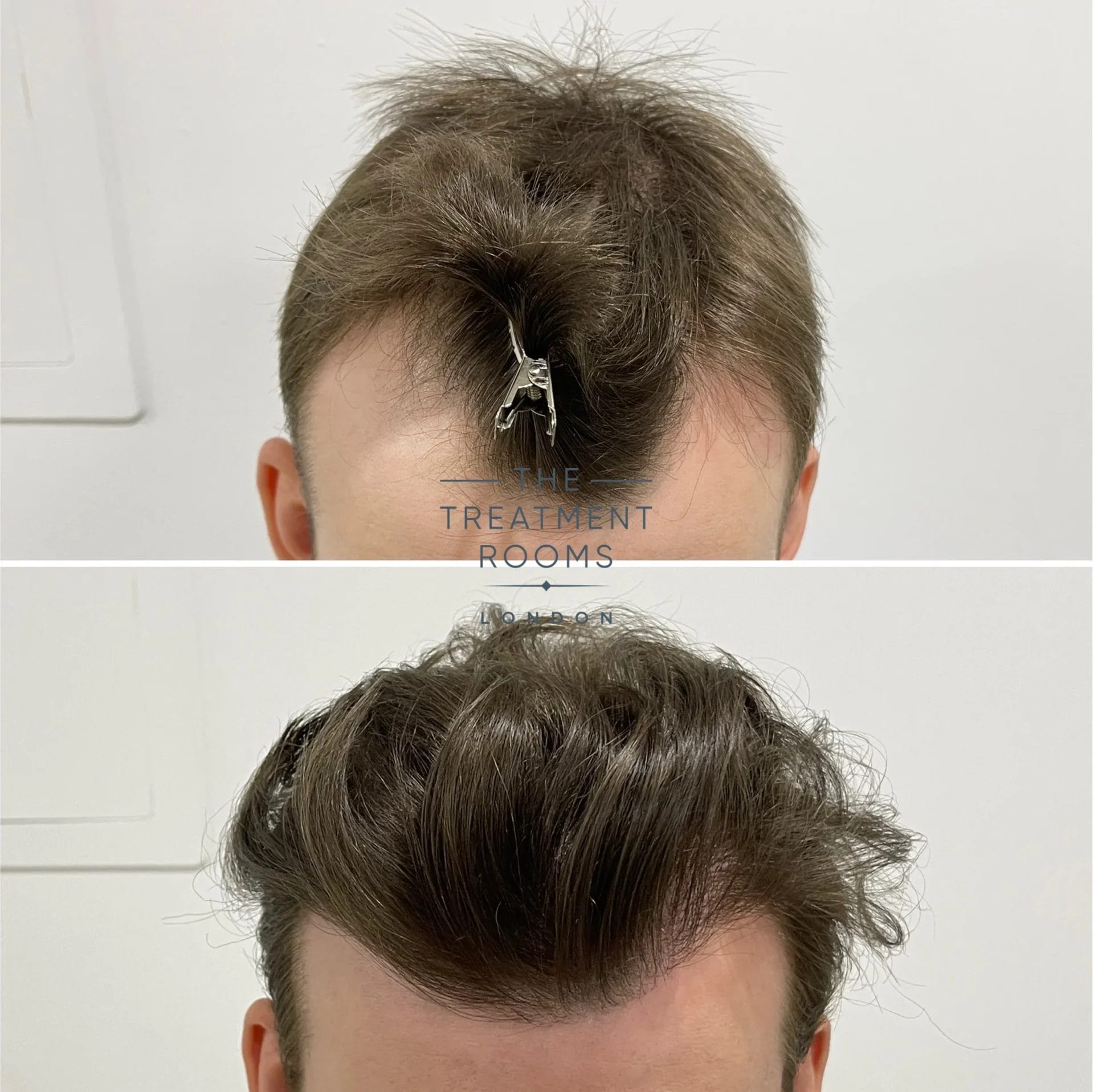
You should not feel pain during your hair transplant after your scalp has been numbed using local anaesthesia. At The Treatment Rooms London, we also provide light sedation for extra comfort. This means an FUT or an FUE hair transplant is a comfortable process for most patients, a procedure which takes between 6-8 hours to…
Read MoreIs A Hair Transplant Permanent?
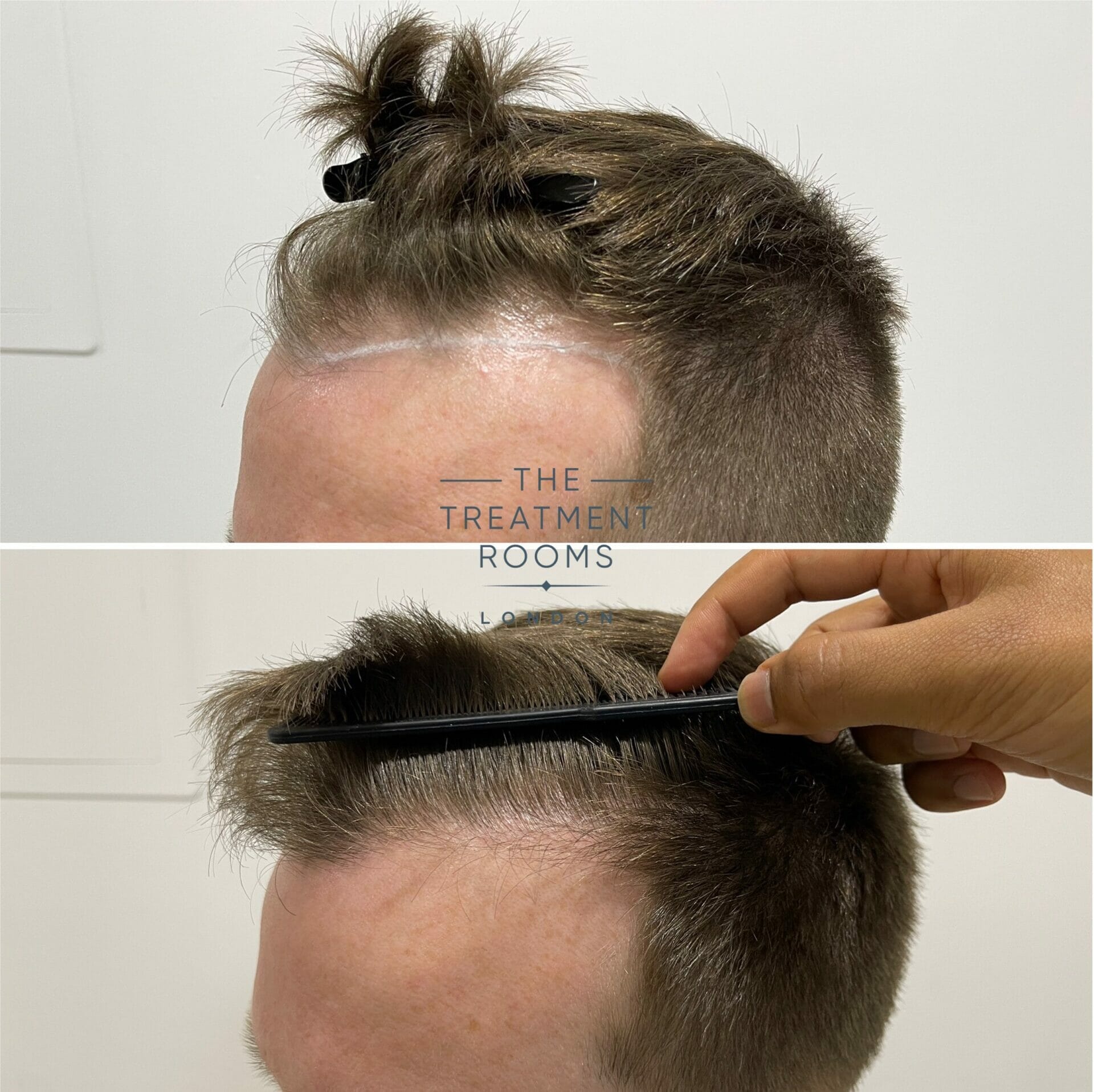
A hair transplant can be permanent- lasting a long time >20 years and in most cases for life. Hair transplantation relocates lifelong hairs not subject to the hair loss process from the back and sides of your head to areas you are balding in. These transplanted hair follicles are genetically resistant to balding, ensuring a…
Read MoreExperiencing Redness After a Hair Transplant? Here’s What to Do

Key Takeaways: In the days following your surgery, you may discover your scalp is a pink or reddish colour. In the majority of cases, redness after a hair transplant is part of the normal way in which your body responds to the many small cuts made on your scalp.1 What you should watch for is…
Read MoreHair Transplants Gone Wrong

Hair transplants don’t always go to plan, and we’re increasingly seeing patients who need support after treatment elsewhere has fallen short of expectations. It’s disheartening to see – but it’s also why we believe clear, honest guidance matters. In this blog, we share some real experiences and outline the key things to look for when…
Read MoreWhat is Telogen Effluvium and Why is My Hair Suddenly Shedding?

Key Takeaways: If you have recently noticed you are shedding more hair from your head than usual, you may have a condition called telogen effluvium. In this article, we will discuss its symptoms, causes and treatment. What Is Telogen Effluvium? Telogen effluvium, also known as stress shedding, is a type of hair loss that occurs…
Read MoreItching After Hair Transplant Surgery
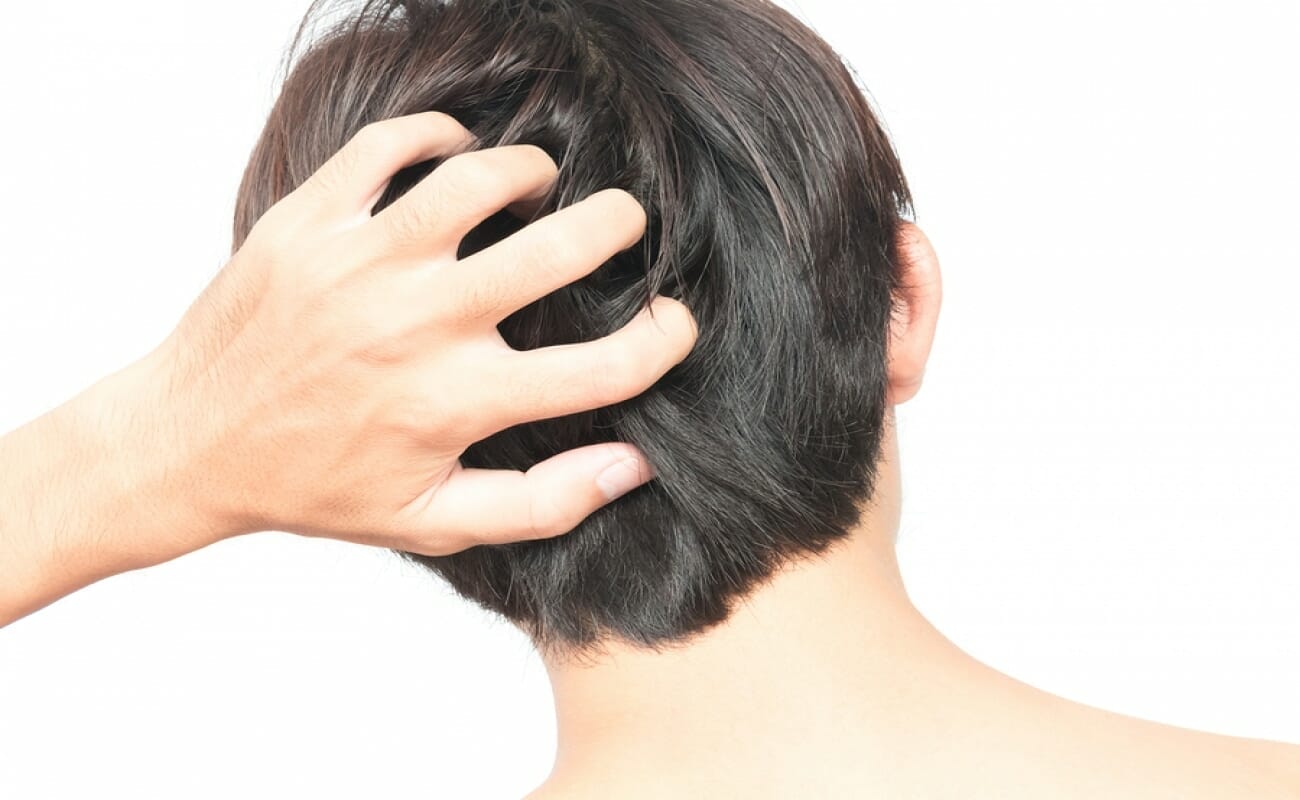
It is common for patients to complain of itching after having a hair transplant. It can affect both the donor and recipient areas of the scalp and it commonly occurs after 2 weeks post hair transplant surgery. The condition is benign and generally self-resolves- however it can be uncomfortable. In this guide, we explore the…
Read More