

When can you colour your hair after having a hair transplant? It is advisable to wait at least 4 weeks before dyeing your hair after having a hair transplant. This is because hair dye contains harsh chemicals such as bleaching agents and peroxides. If you dye your hair too soon after a hair transplant, you risk causing damage to both your scalp and the hair follicles.
If you are planning on getting hair transplant surgery, you can look forward to a restored head of hair, a more youthful appearance, and renewed self-confidence. But achieving the best results involves following the correct aftercare and recovery guidelines, including when you can dye your hair.
In this article, we’ll cover the key considerations for dying your hair before and after a hair transplant. We’ll answer common questions such as how long you must wait before dying your hair, describe the recovery process, and cover the dos and don’ts.
What to expect after a hair transplant?
The first thing to note when it comes to treating your hair after a hair transplant is that your hair will be in a state of recovery. The donor area – where the hair follicles have been grafted from for your hair transplant – will be tender, the grafted hair follicles in the recipient area will be fragile, and you will be closely following aftercare instructions, including how and when to wash your hair.
With this in mind, let’s address hair dying following a hair transplant.
Can I dye my hair after a hair transplant?
The key takeaway here is that once your transplanted hair begins to grow back, you will be able to dye it safely, but only after 1 month has passed following surgery.
Your hair transplant will take from 7-14 days to heal, during which time you must not attempt to colour it or apply any other chemical treatment. Even after the immediate healing process, your scalp will still be irritated, and harsh chemicals found in hair dyes should be avoided until 1 month has passed. Most people who have a hair transplant find that their transplanted hair takes at least three months to start growing. Once your hair has begun to grow back, you will be able to dye it safely.
Ideally we want you to avoid dyeing your hair for as long as possible after your transplant. If you really need to dye your hair, we would ask you to use an organic, peroxide free hair dye. The earliest you can dye your hair is after 1 month has passed following your hair transplant
Dr Fernando, Hair Transplant Surgeon and Director at The Treatment Rooms London
Can I dye my hair before a hair transplant?
If you are planning a hair transplant and you colour your hair regularly or are tempted to dye it, you might be wondering if you can dye your hair before the procedure.
We advise avoiding using hair dye for at least 1 month before a hair transplant. Ideally, if you can avoid using hair dye for longer, this is preferable. The main reason is that hair dyes can irritate your hair and scalp, which is not ideal before undergoing a surgical procedure.
If you need to dye your hair before having a hair transplant, you can explore organic and peroxide-free hair dyes, which our Surgeons are able to point you in the direction of before your surgical day.

When can you get a haircut after a hair transplant?
It is advised to wait at least 2 weeks before having a haircut following hair transplant surgery, whether you are having a follicular unit extraction (FUE) or follicular unit transplantation (FUT). That’s because in the first 2 weeks following a hair transplant, your scalp will be in a sensitive state.
After 2 weeks have passed, you can visit the hairdresser. With hair transplants being a popular procedure in the UK, hairdressers and barbers are accustomed to cutting the hair of people who have had the treatment. You can inform your hairdresser that you have had a hair transplant, and they may make allowances for the extra sensitivity of your scalp. It is important to note:
- You can have a scissor haircut at 2 weeks following surgery
- You can use clippers after 4 weeks have passed following your hair transplant
As far as styling goes, once your hair grows, there are no restrictions. As your hair grows back, there are plenty of styling options that can compensate for looking a bit thin on top, such as blow-drying and volumising products.
Dos and don’ts after a hair transplant
During the recovery process, there is a range of things you should and shouldn’t do following hair transplant surgery.
After your hair transplant:
DO:
- Arrange a driver to take you home following the procedure
- Ensure your scalp stays dry
- Keep your head elevated in bed for at least a week
- Wash your hair gently
- Comb or brush your hair gently
- Follow the aftercare instructions you are given
DON’T:
- Drink alcohol or smoke for the first 2 weeks after surgery
- Expose your scalp to sunlight
- Dye your hair for the first month after surgery
- Engage in strenuous exercise for the first 2 weeks
Hair transplants at Treatment Rooms London
The Treatment Rooms London offers a range of different hair transplants using the FUE technique to help restore hair that was once lost, giving you a more youthful appearance. Enjoy peace of mind from a hair transplant package that includes a completely personalised aftercare plan tailored entirely to you. Book a hair transplant consultation with The Treatment Rooms London today to find out more.
Share:
Authored by
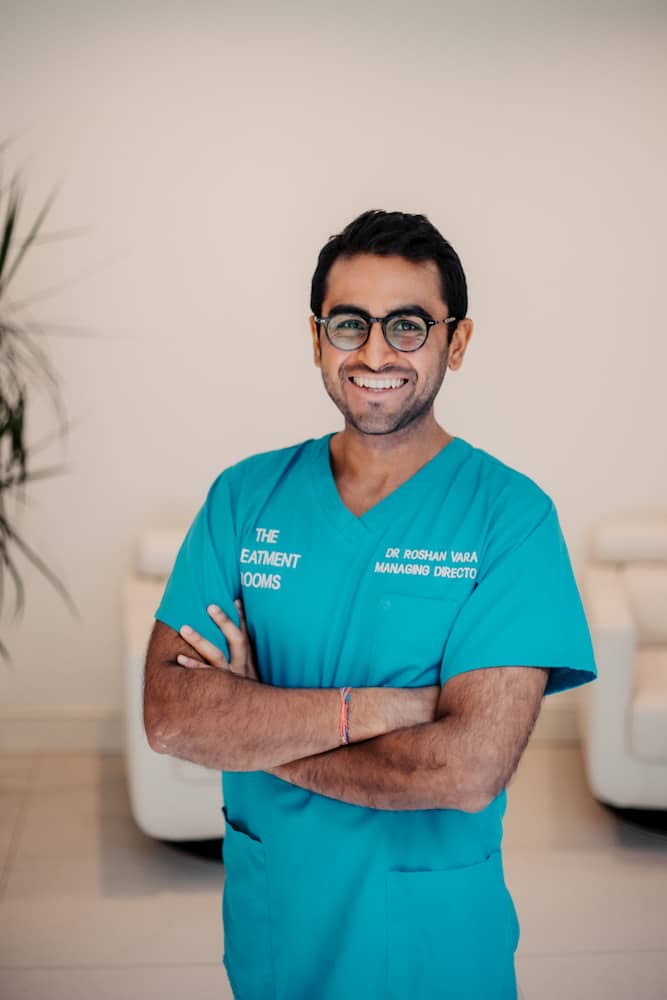
Dr Roshan Vara
Dr. Roshan Vara is a renowned hair transplant surgeon in London and the Co-Founder of our award winning hair transplant clinic, The Treatment Rooms London.He has over 10 years of experience in hair transplant surgery and is recognised for delivering natural-looking results through ethical, patient-centred care. He is a Full Medical Member of BAHRS and an Associate Member of ISHRS, reflecting his commitment to the highest standards in modern hair restoration.
Reviewed by
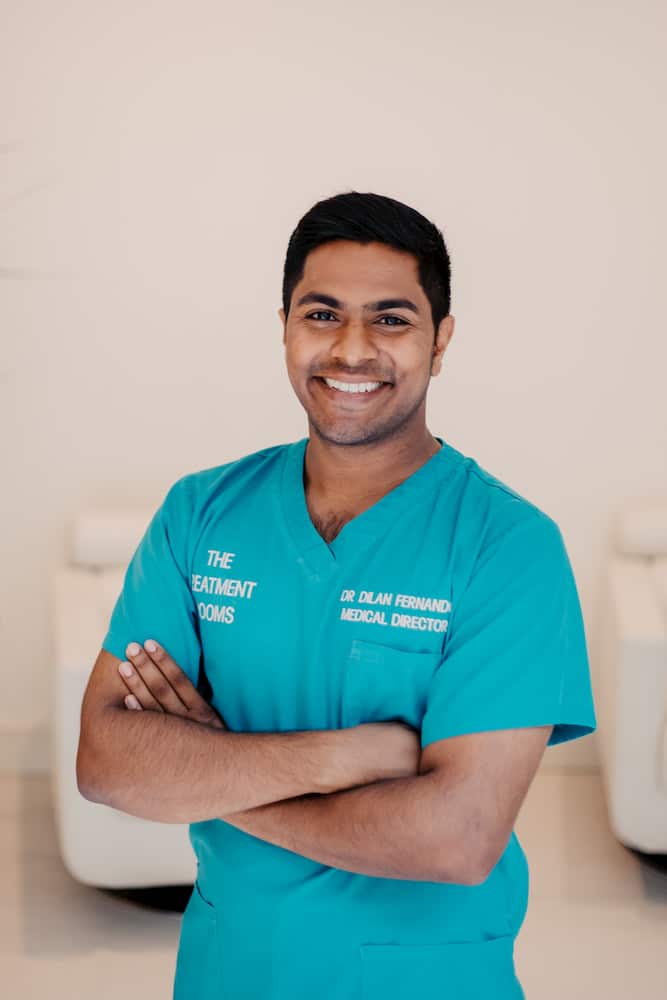
Dr Dilan Fernando
Dr. Dilan Fernando is regarded as one of the best hair transplant surgeons in London and Co-Founder of The Treatment Rooms London. He has over 10 years of experience in hair transplant surgery and is known for his meticulous technique and commitment to ethical practice. He served on the Executive Committee of BAHRS from 2020 to 2024, helping to shape industry standards for patient safety and quality of care. Dr. Fernando personally performs each surgery, ensuring natural results built on trust and experience.
Book a Consultation
Related Blogs
Dr Vara featured on ITV’s This Morning
June 17, 2026
When ‘Nice Hair Transplant’ Isn’t The Compliment You Were Hoping For… When our repair surgery patient Shaun…

2026 World Cup Stars and Hair Transplant Speculation: 5 Footballers to Watch Out For
June 9, 2026
Key Takeaways As the 2026 FIFA World Cup approaches, some of football’s biggest names will once again…

A Guide To Double Crowns: What Are They?
June 5, 2026
Quick Summary of Double Crowns What is a Double Crown? The crown of your head refers to…
Finasteride and Its Side Effects: What You Need to Know
June 4, 2026
Quick Summary: Finasteride and Its Side Effects Finasteride for Hair Loss: Originally developed for prostate enlargement, Finasteride…
Minoxidil For Eyebrows – Does It Work?
June 3, 2026
Quick Summary: Eyebrows & Minoxidil Understanding Eyebrow Hair Loss: Eyebrow hair loss is commonly caused by over-plucking,…

30 Footballer Hair Transplant Transformations: All You Need to Know
May 22, 2026
Key Takeaways Visible transformations in footballers show that hair transplants can significantly improve the appearance of the…
Can I Get a Hair Transplant While Using Testosterone Replacement Therapy(TRT)?
May 18, 2026
Key Takeaways Testosterone Replacement Therapy (TRT) is commonly prescribed for men with low testosterone, a condition called…

12 Hair Styles for Women With Thin Hair On The Crown
May 7, 2026
Key Takeaways: In this article, we’ll look at some of the best haircuts and practical hair-styling ideas…

How Many Hair Grafts Do You Need For A Hair Transplant?
May 4, 2026
A Follicular Unit Excision (FUE) or FUT hair transplant is one of the two main procedures available to address…